What features do you look for in a kids water bottle?
Choosing a bottle for a child is harder than buying one for an adult. If it leaks in a school bag or is too hard to open, the child will simply stop drinking water.
A great kids water bottle must be 100% leak-proof, BPA-free, and easy for small hands to operate. It needs to be durable enough to survive drops on concrete and simple to take apart for deep cleaning to prevent mold growth and bacteria.
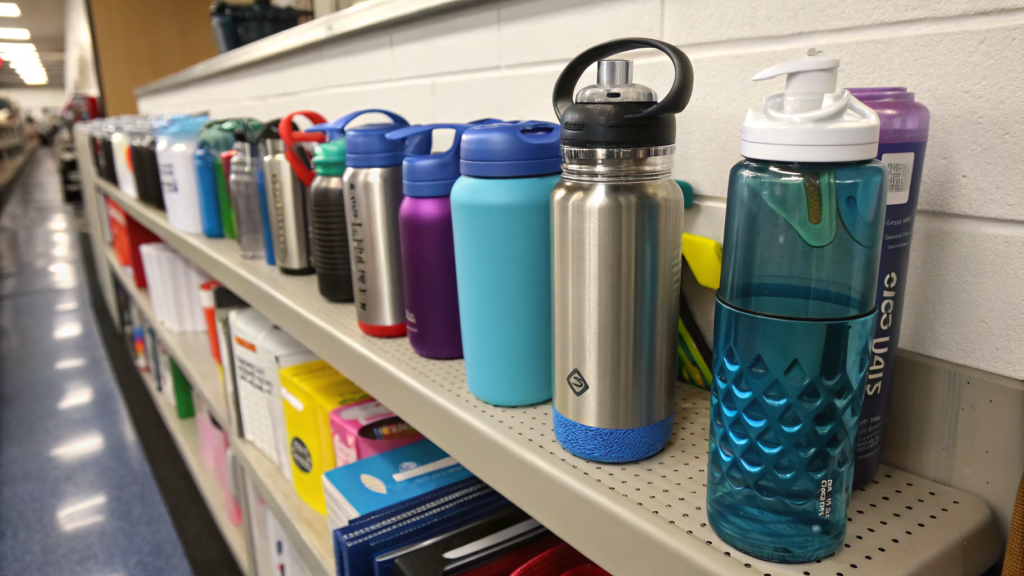
I have spent many years in a printing factory and I have seen how different materials hold up under stress. I know that kids do not care about "branding" as much as they care about ease. If a lid is too stiff, a child gets frustrated. I started my business to provide gifts and products that actually solve these daily problems. I want to show you how to pick a bottle that stays in the backpack and out of the trash. If you want to make sure your child stays hydrated without the mess, keep reading.
What features make a good water bottle?
Many bottles look nice on the shelf but fail during a busy school day. A lid that pops open by accident can ruin expensive school books and tablets. This causes unnecessary stress for parents and students.
A good water bottle balances safety, usability, and durability. It should use food-grade materials like 304 stainless steel1 or Tritan plastic2. High-quality bottles also feature a secure locking mechanism and an ergonomic grip that fits comfortably in a child's hand.
Designing for Real Behavior
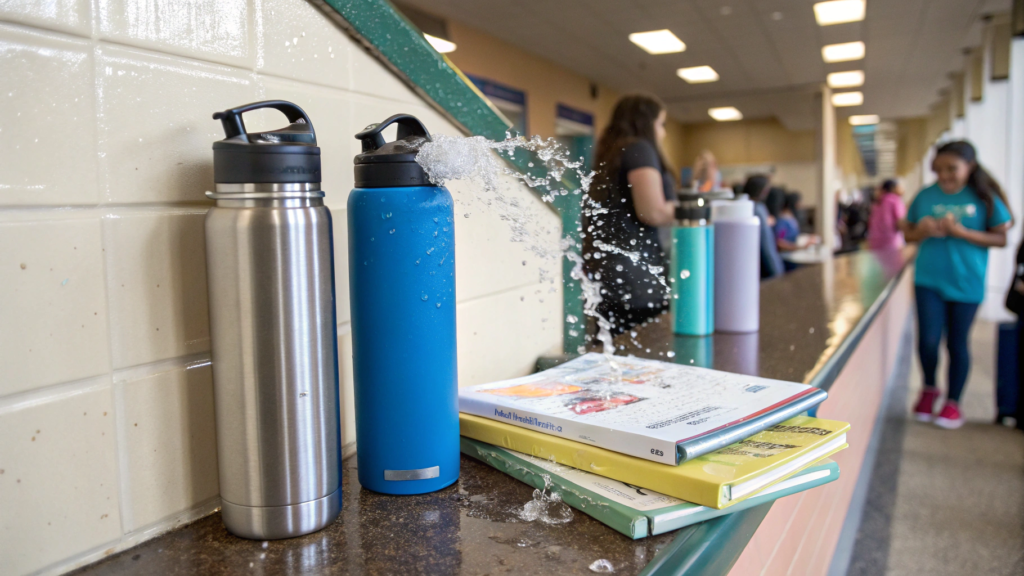
In my experience, the best products are designed around how people actually act. Kids drop things constantly. I once worked with a client who wanted thin plastic bottles for a primary school event. I advised him against it because those bottles crack on the first drop. We chose a bottle with a silicone base instead. That small rubber part acts as a shock absorber. This is what I call "low-friction" design. It removes the fear of breaking the bottle. For a manager like Jacky, who might be looking for family-friendly corporate gifts, these small details are what make a brand look thoughtful and reliable.
Comparison of Key Features
I use this table to help parents and managers compare what matters most in a bottle.
| Feature | Why it Matters | What to Look For |
|---|---|---|
| Spill-Proof Valve | Prevents messy bags | Silicone straw or bite valve |
| One-Touch Opening | Easy for kids to use | Large, smooth push buttons |
| Integrated Handle | Makes it easy to carry | Large loops for small fingers |
| Protective Cover | Keeps the mouthpiece clean | A flip-cap that covers the straw |
How to tell if a water bottle is good quality?
You might buy a cheap bottle and find that it smells like chemicals after one week. Or the paint starts to peel off into the child's hands. This makes you worry about what your child is actually swallowing.
You can tell a bottle is high quality by checking the material labels and the weight of the product. Look for "BPA-Free3" and "Food-Grade" stamps. A quality bottle will have smooth seams, no sharp plastic edges, and seals that fit tightly without moving.
The "Scent and Seal" Test
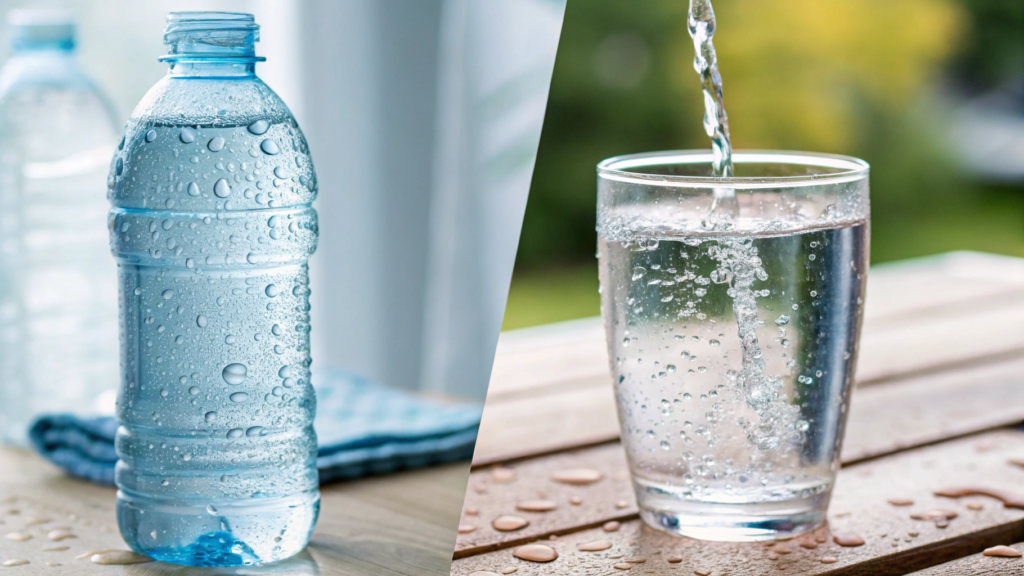
When I was working on the factory floor, I learned how to spot a bad batch of plastic immediately. A low-quality bottle often has a strong "chemical" smell right out of the box. This is a sign of poor materials. I always tell my team to do a "scent test." A good bottle should smell like nothing. Another test is the "seal test." Fill the bottle with water, close the lid, and shake it upside down for ten seconds. If a single drop comes out, the quality is not good enough for a school bag. I have seen many "Jackys" in marketing struggle with cheap suppliers who promise quality but deliver leaks.
Material Durability and Hygiene
Hygiene is a huge part of quality. A bottle with too many tiny parts is a trap for mold. I prefer bottles that have wide openings. This allows you to reach inside with a brush or put it in the dishwasher. If a bottle is "dishwasher safe," it means the materials can handle high heat without breaking down. This is a sign of a very stable and safe product. I always look at the hinge of the lid too. If the plastic hinge feels thin, it will snap within a month. A quality hinge is thick and moves smoothly every time. These small parts are where the real value lives.
Quality Indicators Table
| Indicator | High Quality | Low Quality |
|---|---|---|
| Smell | Odorless | Strong plastic or "oily" scent |
| Surface | Smooth or powder-coated | Bubbles in paint or sharp edges |
| Seals | Thick, clear silicone | Thin, yellowing or loose rubber |
| Weight | Feels solid and balanced | Feels very light and "hollow" |
What are the 5 qualities of good water?
Even with the best bottle, the water inside must be safe to drink. If the water is dirty or has a bad taste, the child will avoid it. You need to ensure the water source is as good as the carrier.
Good drinking water is clear, odorless, tasteless, free of harmful bacteria, and contains healthy minerals. When water meets these five standards, it is refreshing and safe. Using a clean, inert bottle like glass or stainless steel helps maintain these five qualities.
Purity and Taste in Every Sip
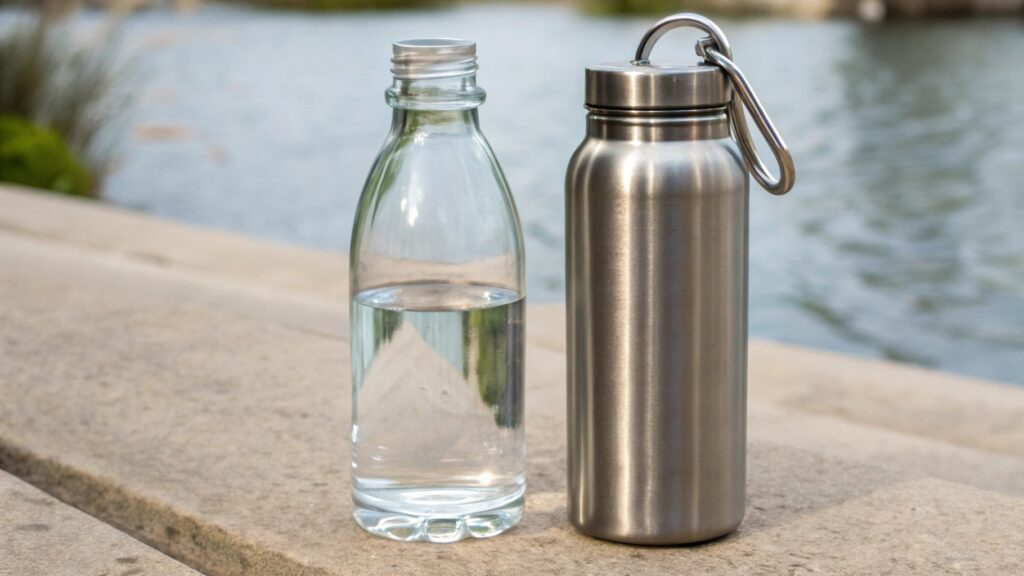
I believe that a bottle's job is to protect the "five qualities" of water. If you put perfect water into a dirty or cheap plastic bottle, you lose the taste and the purity. I remember a summer event where the water sat in plastic jugs for hours. The water was clear, but it tasted like old plastic. This is why material choice is a health choice. Stainless steel is excellent because it does not react with the water. It keeps the water "tasteless" in a good way—meaning it only tastes like water. This is vital for kids because they are very sensitive to weird smells and flavors.
Why Mineral Content Matters
Some people think "pure" water means zero minerals, but our bodies actually need small amounts of calcium and magnesium. Good water should be balanced. In Singapore, our tap water is very high quality and meets all these standards. My goal at Latitude is to provide the "house" for that water. A high-quality bottle acts as a shield against the outside world. It keeps the bacteria out and the fresh taste in. When water is cold and tastes clean, a child will drink it without being reminded. This turns hydration from a chore into a natural part of their day.
The 5 Qualities at a Glance
- Clarity: The water must be transparent and have no floating particles.
- No Odor: It should not smell like chlorine or sulfur.
- Neutral Taste: No bitter, metallic, or sweet aftertaste.
- Microbial Safety: No germs that can cause stomach pain.
- Mineral Balance: Contains natural elements that help the body stay hydrated.
Conclusion
The best kids water bottle combines safety, easy use, and tough materials. It removes the friction from staying hydrated and helps turn a simple drink into a healthy, lifelong habit.