Can we get cancer from plastic water bottles?
Are you worried every time you take a sip from a plastic bottle? With so many headlines about chemicals and health risks, it is hard to know what is actually safe for your body. You deserve the facts.
There is no direct evidence that using approved plastic water bottles as intended causes cancer. Most modern bottles are BPA-free and chemically stable. However, long-term health risks can increase if low-quality plastics are heated, scratched, or reused past their intended lifespan, potentially allowing chemicals to migrate into your water.
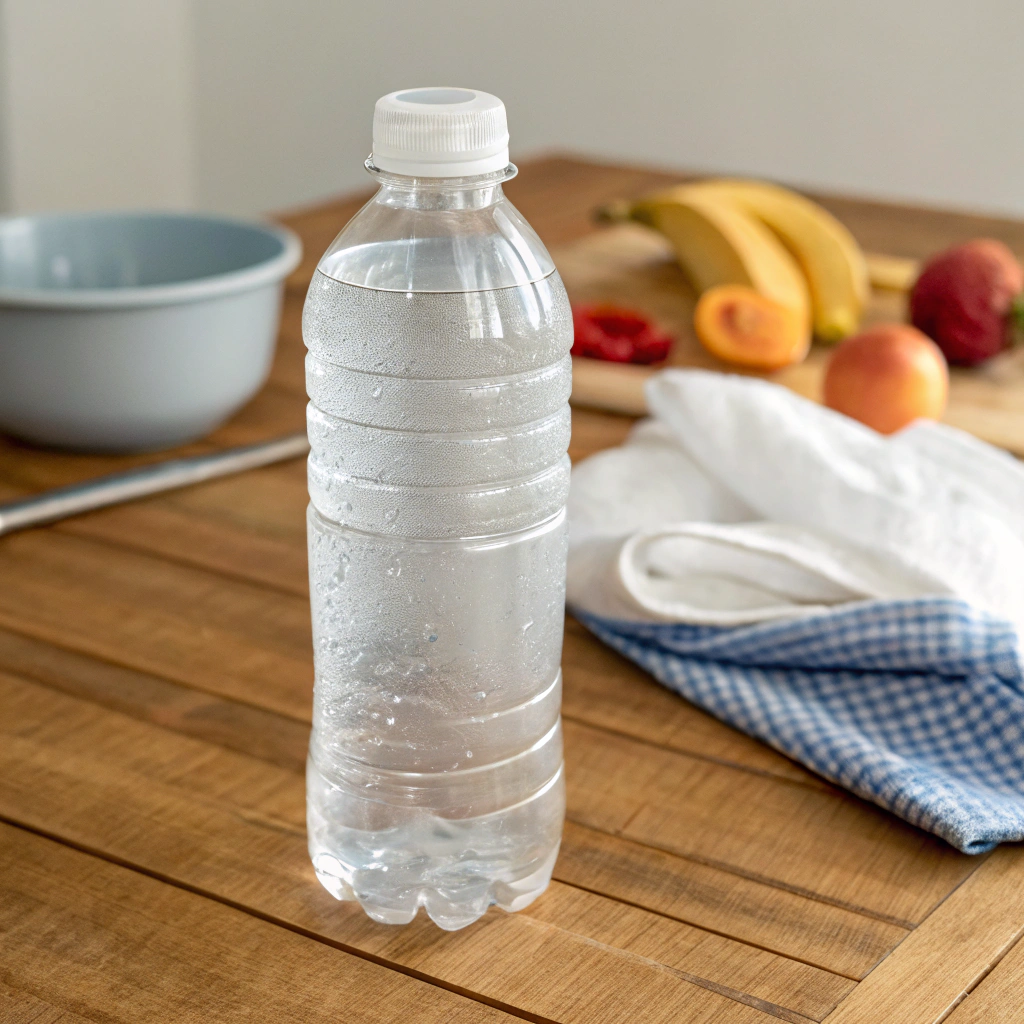
I have spent years in the manufacturing and branding industry, and I’ve seen how much material science has improved. I used to be very nervous about plastics until I learned the difference between single-use and high-quality reusable materials. The real issue isn't a single bottle; it’s about how you treat the material over time. If you understand how plastic reacts to the environment, you can make choices that keep you safe without living in fear.
Why does my water bottle have a cancer warning?
Have you ever looked at the bottom of a bottle and seen a scary warning label? In some places, like California, these labels are everywhere, and they can make you feel like every product is a hidden danger.
Warning labels, like the Proposition 65 label, are often required if a product contains even trace amounts of chemicals on a state list. It does not mean the bottle will definitely cause cancer; it is a legal requirement for transparency about chemical presence.
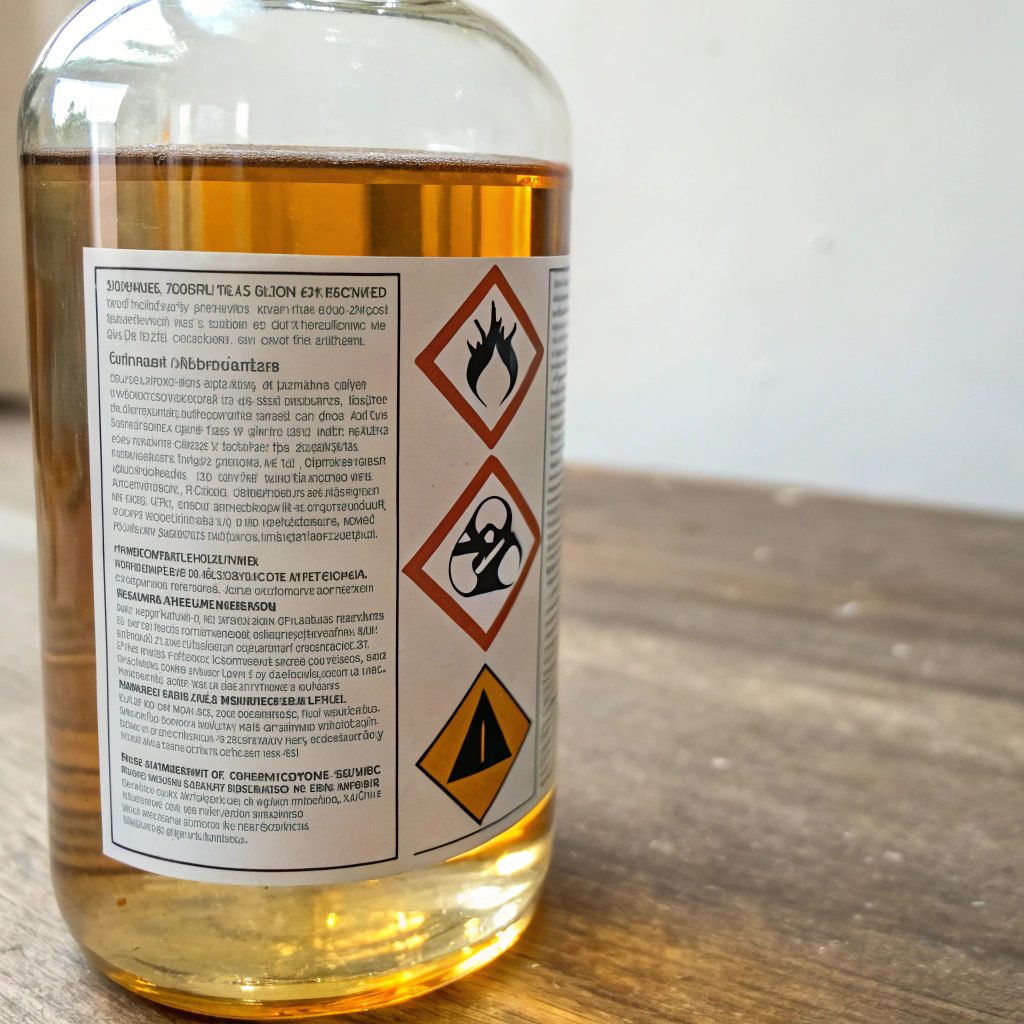
In my experience at Latitude, I’ve had many clients ask about these labels. I tell them that the legal standard for these warnings is very low. Even if a chemical is present in an amount that is considered safe by the FDA, a label might still be required. I remember a project where we sourced premium tech organizers that had this warning simply because of the fire retardant used in the fabric. It didn't make the product dangerous to touch, but the law required the sticker.
When it comes to water bottles, these warnings usually refer to chemicals like phthalates or Bisphenol A (BPA). Most companies have moved away from these, but the labels stay to protect them from lawsuits. I always suggest looking for "BPA-Free" and "BPS-Free" certifications rather than just relying on a warning label. A high-quality, branded bottle from a trusted supplier is much more likely to use stable, food-grade materials that don't trigger these concerns.
| Label Type | What it means | Should you worry? |
|---|---|---|
| Prop 65 | Contains a listed chemical | Use with caution; check for BPA-free status |
| BPA-Free | No Bisphenol A used | Safe for standard daily use |
| Food-Grade | Certified for food contact | High safety standard for drinking |
| Single-Use | Not designed for refill | Avoid reusing to prevent chemical leaching |
What cancers are caused by plastics?
Are you concerned that microplastics or chemical leaching could lead to long-term illness? While research is ongoing, the scientific community is looking closely at how certain additives might affect our bodies over many decades.
Research focuses on endocrine-disrupting chemicals like BPA, which can mimic hormones and potentially increase the risk of hormone-related cancers, such as breast or prostate cancer. However, this is linked to high, chronic exposure, not occasional use of a standard water bottle.
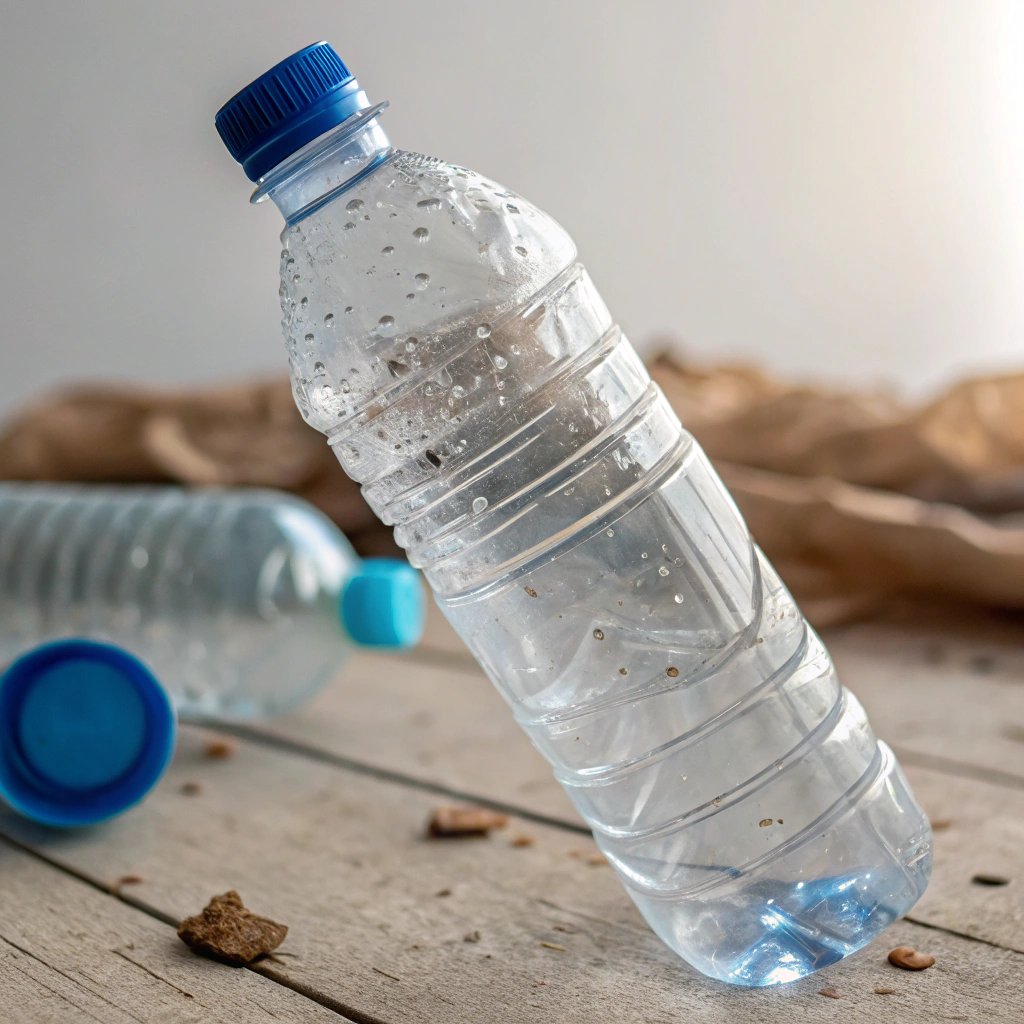
I’ve followed this topic closely because, as a branding manager, I care about the safety of the items we give to employees. The main concern isn't "the plastic" itself, but the additives used to make it flexible or clear. When these chemicals enter the body, they can interfere with our natural hormones. I always tell my team that we should prioritize stability. A bottle that doesn't break down under heat or scrubbing is much safer than a cheap, soft plastic one.
It’s important to stay rational. Many studies that show risk are based on animals exposed to very high levels of chemicals that humans rarely encounter. But why take the risk? This is why I advocate for stainless steel or Tritan plastic. Tritan was engineered specifically to be stable and clear without those hormone-mimicking chemicals. By choosing higher-quality materials, you significantly reduce your cumulative exposure to these substances over your lifetime.
| Chemical Type | Potential Risk | Found In |
|---|---|---|
| Bisphenols (BPA/BPS) | Hormonal interference | Older hard plastics / thermal receipts |
| Phthalates | Reproductive health issues | Flexible, soft plastics (PVC) |
| Microplastics | Chronic inflammation | Degraded or low-quality bottles |
| Antimony | Respiratory/Skin irritation | Low-grade PET (if heated excessively) |
Should I stop using plastic water bottles?
Are you thinking about throwing away all your plastic and switching to glass or metal? It’s a big decision that involves balancing your health, your budget, and the environment.
You don't need to stop using plastic entirely, but you should switch to high-quality, reusable BPA-free plastics like Tritan if you prefer the material. Avoiding single-use PET bottles for long-term refilling is the best way to reduce chemical exposure and environmental waste.
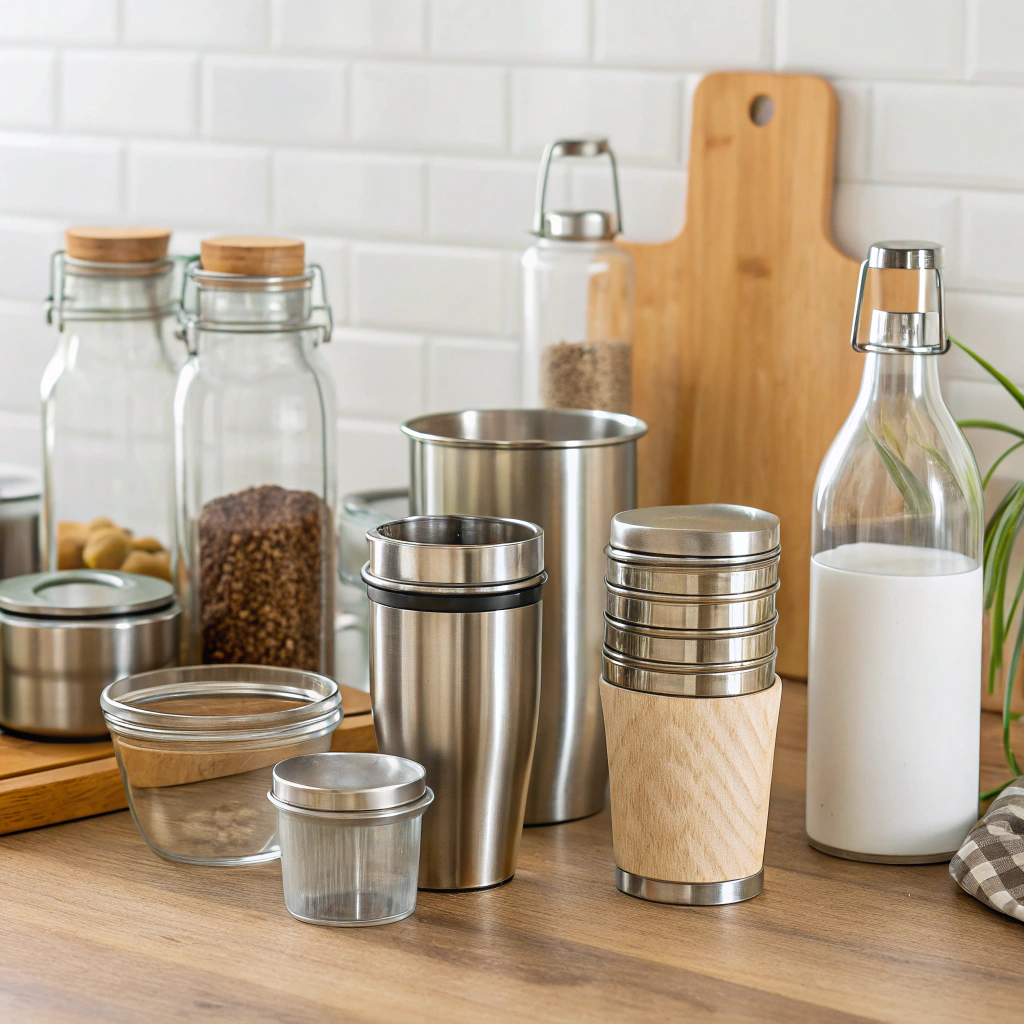
In my journey at Latitude, I’ve seen the shift toward stainless steel first-hand. I personally made the switch years ago. I don't think plastic is "evil," but I do think it is often used incorrectly. I see people leave plastic bottles in their cars under the hot Singapore sun, and that is where the danger lies. Heat accelerates the breakdown of the plastic. If you love the lightness of plastic, just make sure you aren't heating it up or using it once it gets heavily scratched.
If you are a marketing manager like Jacky, choosing a gift is about the message you send. Giving a high-quality stainless steel bottle says you care about the long-term health and the environment of your team. It removes the worry about chemicals and heat. If you stick with plastic, go for the premium stuff. A good Tritan bottle is a massive upgrade over a disposable one. Ultimately, the best choice is the one that makes you feel confident and keeps you hydrated without the stress of "what-ifs."
| Material | Best Usage | Safety Tip |
|---|---|---|
| Stainless Steel | Daily / Hot & Cold | Best for overall safety and longevity |
| Tritan Plastic | Sports / Lightweight | Great if you need a BPA-free, clear bottle |
| Glass | Home / Office | Safest but heavy and fragile |
| Single-use PET | Emergencies only | Never reuse or leave in a hot car |
Conclusion
Standard plastic water bottles are generally safe for normal use, but choosing high-quality materials like Tritan or stainless steel is a smarter long-term choice. Avoid heat exposure and replace worn bottles to stay safe and hydrated every day.
My Role
About me:
Latitude Experience Pte Ltd was founded by Francis Loh, a passionate advocate for branding through corporate gifts. Beginning his career in a humble printing factory, Francis gained hands-on experience in production, design, and client servicing. With a deep understanding of the printing and gifting industries, he later established Latitude to help businesses elevate their brand presence through meaningful, well-crafted promotional gifts.
Over the years, Latitude has supported numerous clients in growing their businesses with practical and impactful gifting strategies. Grateful for the opportunities the industry has brought him, Francis is now committed to giving back—sharing his knowledge, insights, and experiences to help others succeed in their branding journey through corporate gifts.