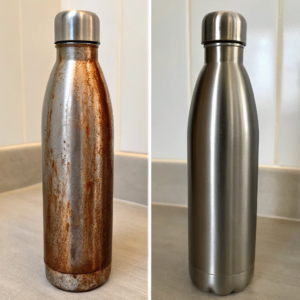
How to clean my stainless steel water bottle?
Is your "healthy" water bottle actually hiding a layer of bacteria? Rinsing with water alone is never enough to keep your bottle safe. You need a cleaning routine that protects both your health and your bottle's lifespan.
The best way to clean your stainless steel water bottle is by hand-washing it daily with warm, soapy water and a bottle brush. You must scrub the interior walls to break down biofilm and clean the lid threads where bacteria accumulate. Always let the bottle air-dry completely with the lid off to prevent mold.
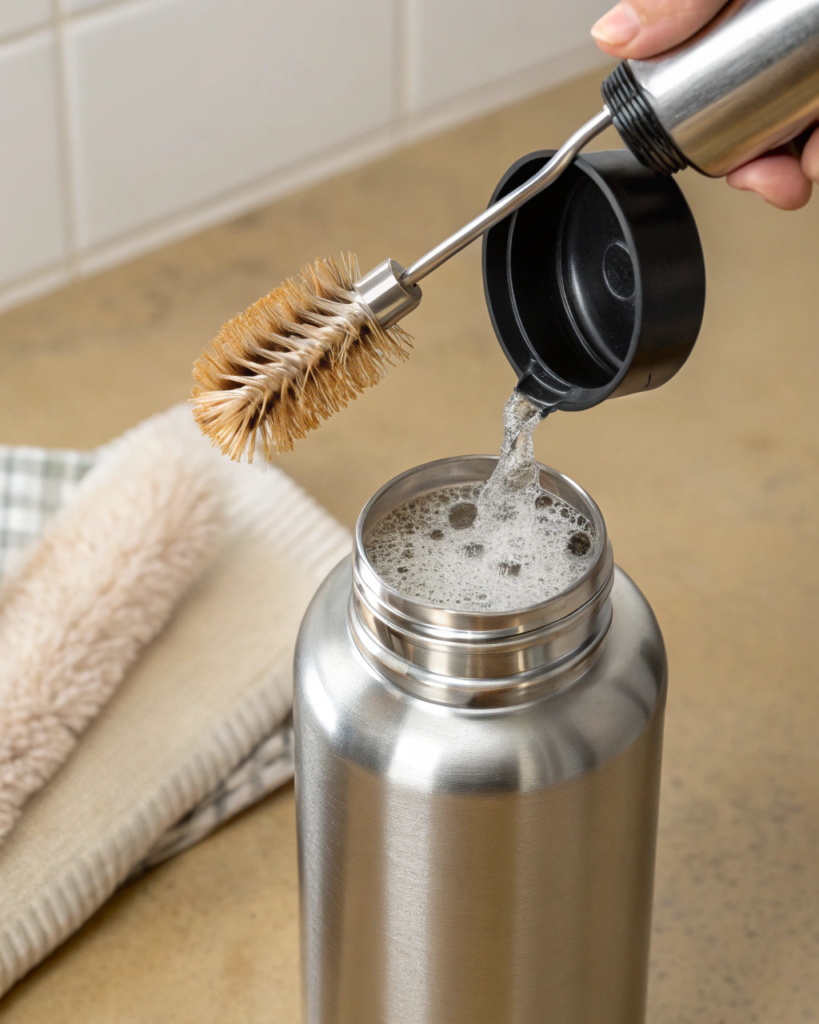
Most people treat their bottles as low-maintenance objects, but I have seen how quickly a clean-looking bottle can turn into a breeding ground for germs. I used to think my bottle was fine as long as it didn't smell, but odor is actually a late-stage warning sign. To keep your water tasting fresh and your bottle in top shape, you need to look beyond the surface.
How to wash a steel bottle for the first time?
Are you excited to use your brand-new bottle straight out of the box? Even a new bottle can have factory dust, polishing residue, or packaging debris inside. You should never skip the first wash.
Wash your new steel bottle with warm water and mild dish soap before its first use. For an extra layer of safety, you can rinse it with a mixture of warm water and a splash of white vinegar to ensure any manufacturing oils are completely removed.
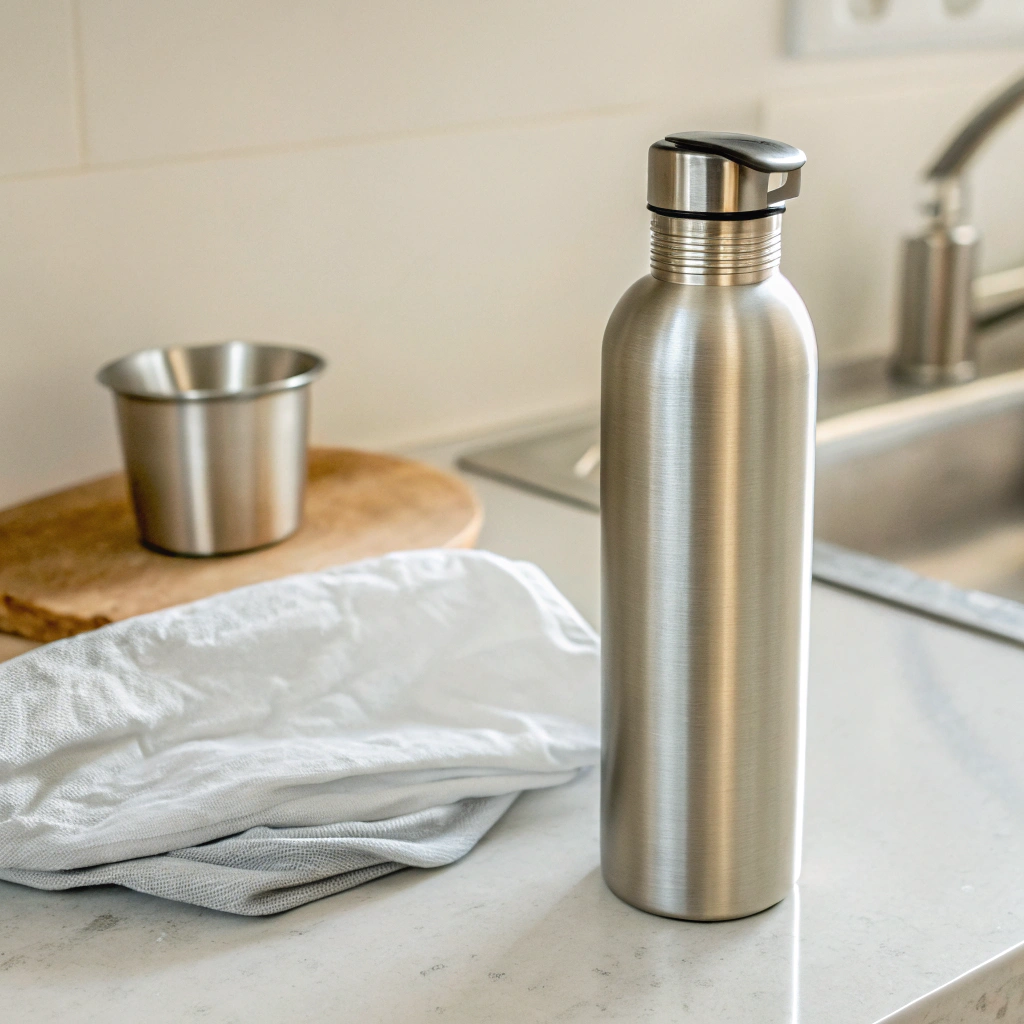
In my journey starting from a printing factory, I have seen how industrial products are made. Even food-grade items go through various machines before they reach you. When I help managers like Jacky source corporate gifts, I always remind them to tell their team to wash the bottles first. It is a simple step that ensures your first sip is as pure as possible.
I personally like to soak the lid and the bottle separately in soapy water for five minutes for the first wash. This helps loosen any microscopic particles trapped in the threads. Once rinsed, I smell the interior; it should be completely neutral. If you notice any "new" smell, a second rinse with baking soda usually does the trick. Starting with a truly clean bottle sets the foundation for good hygiene habits later on.
| Step | Action | Why? |
|---|---|---|
| Disassemble | Remove lid and silicone seals | Reaches hidden factory dust |
| Soak | Use warm soapy water (5 mins) | Loosens manufacturing residues |
| Scrub | Use a soft bottle brush | Cleans the interior walls effectively |
| Rinse & Dry | Air-dry upside down | Prevents trapped moisture and odors |
What should you not use to clean stainless steel?
Are you tempted to use strong bleach or a metal scrubber to get out a stubborn stain? Using harsh chemicals or abrasive tools can permanently damage the protective layer of your bottle, leading to rust and leaks.
Never use chlorine bleach or abrasive scouring pads (like steel wool) on stainless steel. Bleach can cause the metal to pit or corrode, while abrasive scrubbers scratch the surface, creating tiny grooves where bacteria can easily hide and grow.
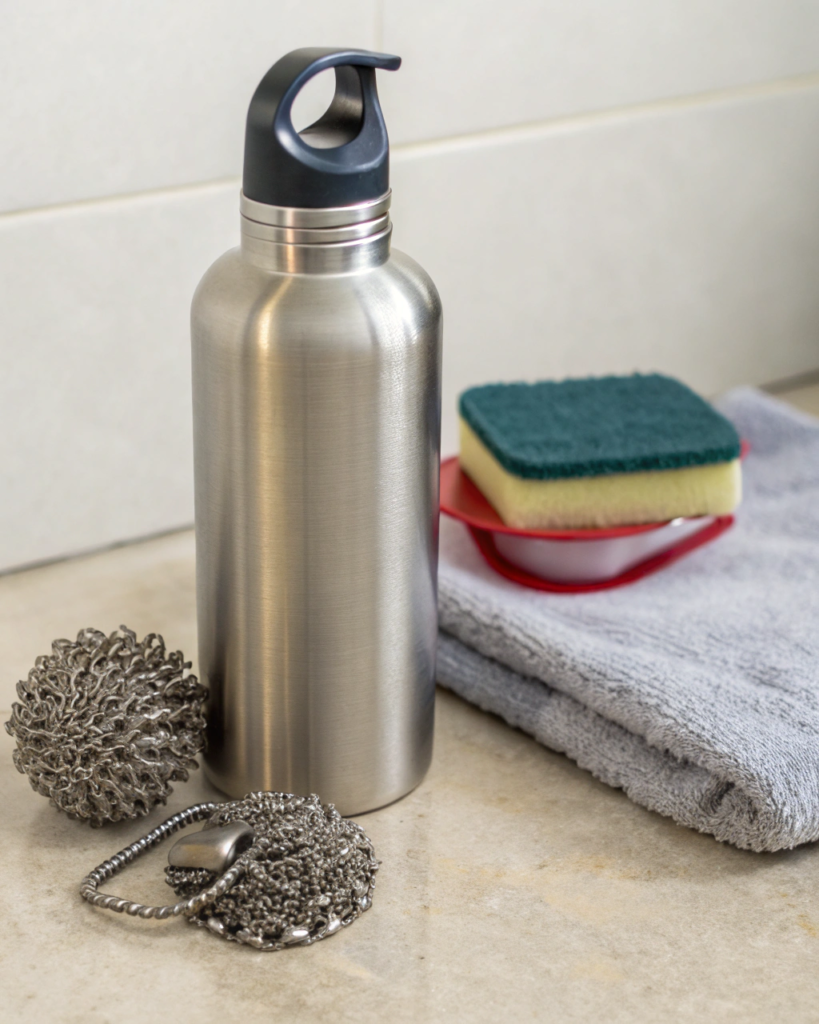
I have seen many people ruin their expensive insulated bottles by putting them in the dishwasher when they aren't "dishwasher safe." The high heat can break the vacuum seal, and harsh detergents can strip the outer powder coating. At Latitude, we always check the care instructions for our clients because we want the branding to stay perfect. Scratches on the inside are just as bad—they act like "hotels" for germs that you can't reach with a brush.
Stick to soft sponges and nylon bottle brushes. If you have a tough stain from coffee or tea, avoid the urge to scrape it. Instead, use natural cleaners like baking soda or vinegar. These are powerful enough to lift stains but gentle enough to keep the 304 stainless steel intact. Protecting the smooth finish of the interior is the best way to ensure your bottle stays hygienic for years to come.
| What to Avoid | Why? | Better Alternative |
|---|---|---|
| Chlorine Bleach | Causes pitting and corrosion | White Vinegar or Baking Soda |
| Steel Wool | Scratches the surface | Nylon Bottle Brush |
| Dishwasher (if not rated) | Damages vacuum seals/paint | Hand washing with warm water |
| Harsh Chemicals | Can degrade silicone seals | Mild Dish Soap |
What's the best way to clean a stainless steel water bottle?
Do you feel like your bottle is still "funky" even after a quick wash? If you only use water to rinse your bottle, you are leaving behind a sticky layer of bacteria called biofilm that builds up over time.
The best way to maintain a bottle is a combination of daily soapy washes and a weekly deep clean. For deep cleaning, use two tablespoons of baking soda with warm water or a diluted vinegar soak to neutralize odors and remove mineral buildup.
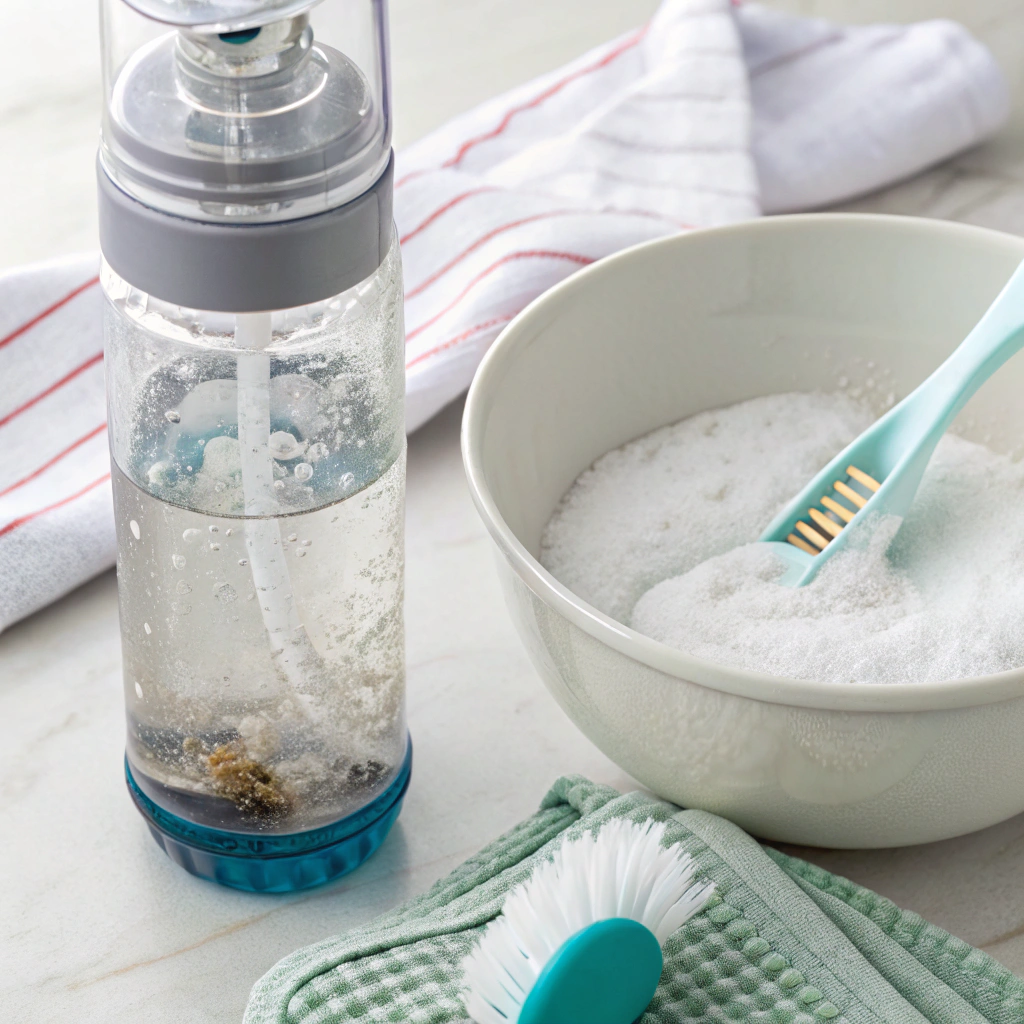
I have found that the lid is almost always the dirtiest part of a bottle. I once helped a client who complained of a weird taste in his water; we found mold growing inside the silicone ring of his cap. Now, I always tell people to remove the silicone seals once a week and soak them in a vinegar-water mix. This is a small detail that makes a huge difference in safety.
Don't forget the drying phase. This is the part people miss the most. I always leave my bottle upside down on a drying rack with the lid off. If you close the lid while the bottle is still damp, you are inviting bacteria to grow in the dark, humid space. I’ve learned that a bottle is only as clean as its last drying cycle. By making this a part of your daily routine, you preserve the quality of the steel and ensure your hydration habit remains truly healthy.
| Method | Best For | Ingredients |
|---|---|---|
| Daily Wash | Removing backwash & saliva | Warm water + Mild Dish Soap |
| Odor Removal | Eliminating "musty" smells | Baking Soda + Warm Water |
| Stain Removal | Tea, coffee, or juice stains | Vinegar + Warm Water soak |
| Sanitizing | Killing deep bacteria/mold | Cleaning Tablets or Boiling Water |
Conclusion
Cleaning your stainless steel bottle is about daily consistency and using the right tools. Avoid harsh chemicals, focus on the lid and seals, and always air-dry completely to keep your bottle safe and odor-free for years of use.
My Role
About me:
Latitude Experience Pte Ltd was founded by Francis Loh, a passionate advocate for branding through corporate gifts. Beginning his career in a humble printing factory, Francis gained hands-on experience in production, design, and client servicing. With a deep understanding of the printing and gifting industries, he later established Latitude to help businesses elevate their brand presence through meaningful, well-crafted promotional gifts.
Over the years, Latitude has supported numerous clients in growing their businesses with practical and impactful gifting strategies. Grateful for the opportunities the industry has brought him, Francis is now committed to giving back—sharing his knowledge, insights, and experiences to help others succeed in their branding journey through corporate gifts.