Why do people take gift cards as presents?
Are you worried that a gift card feels like a "lazy" choice for a present? Many people fear they appear impersonal, but in reality, most recipients appreciate the flexibility and freedom that come with them.
People accept gift cards as presents because they offer the perfect balance between a thoughtful gesture and personal choice. Unlike physical gifts that might not fit or be useful, a gift card ensures the recipient gets exactly what they need while still acknowledging their specific interests and lifestyle.
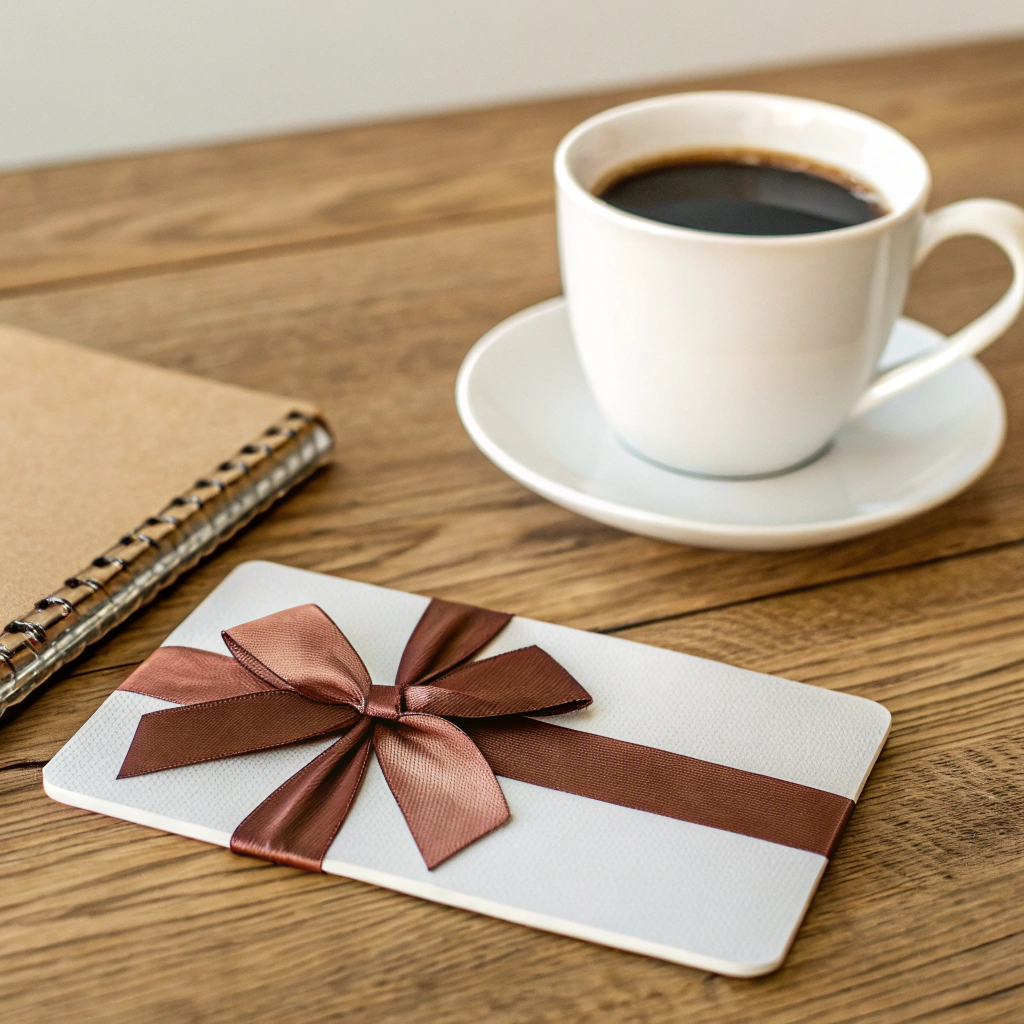
I have spent over a decade in the corporate gifting industry, and I have seen many "perfect" physical gifts end up sitting on a shelf gathering dust. I used to think gift cards were a backup plan, but I’ve learned they are actually a sign of respect for the recipient’s autonomy. In a busy world, giving someone the power to choose their own reward is a high form of thoughtfulness. Let’s look at why this choice matters so much to people.
What is the psychology behind gift cards?
Do you ever feel a "mismatch" when someone gives you a physical gift you don't actually like? That awkward moment of forced appreciation is exactly what gift cards help us avoid in modern social exchanges.
The psychology of gift cards is rooted in "autonomy" and "participation." They reduce the risk of giving an unwanted item while allowing the recipient to enjoy the anticipation of choosing something for themselves at a later date.
In my journey at Latitude, I have noticed that a gift card acts as a "curated possibility." When I help managers like Jacky design gift programs, we often talk about the "emotional mismatch." If you give 500 employees the same physical item, at least 100 will likely have no use for it. But if you give a gift card to a specific bookstore or a wellness center, you are showing that you understand their lifestyle while letting them pick the final details.
I remember my early days in the printing factory, seeing boxes of returned or discarded promotional items. It made me realize that a gift is only valuable if the recipient actually wants it. A gift card extends the life of the present. Instead of the excitement ending the moment the wrapping paper is torn, the recipient gets a second wave of joy when they actually spend the card. This participation makes the gift feel more like a shared experience than a one-sided transaction.
| Gifting Element | Traditional Physical Gift | Gift Card |
|---|---|---|
| Risk Level | High (May not be used/liked) | Low (Recipient chooses) |
| Emotional Focus | Surprise and Symbolism | Utility and Autonomy |
| Experience | Immediate gratification | Prolonged anticipation |
| Personalization | Based on giver's perception | Based on recipient's actual need |
What is the 5 gift rule for adults?
Have you struggled to find a balance between being practical and being sentimental when building a gift set? This rule, originally for children, is a great framework to ensure your corporate or personal gifts feel complete.
The 5 gift rule for adults suggests giving: something they want, something they need, something to wear, something to read, and something to do. This ensures a diverse and meaningful experience for the recipient.
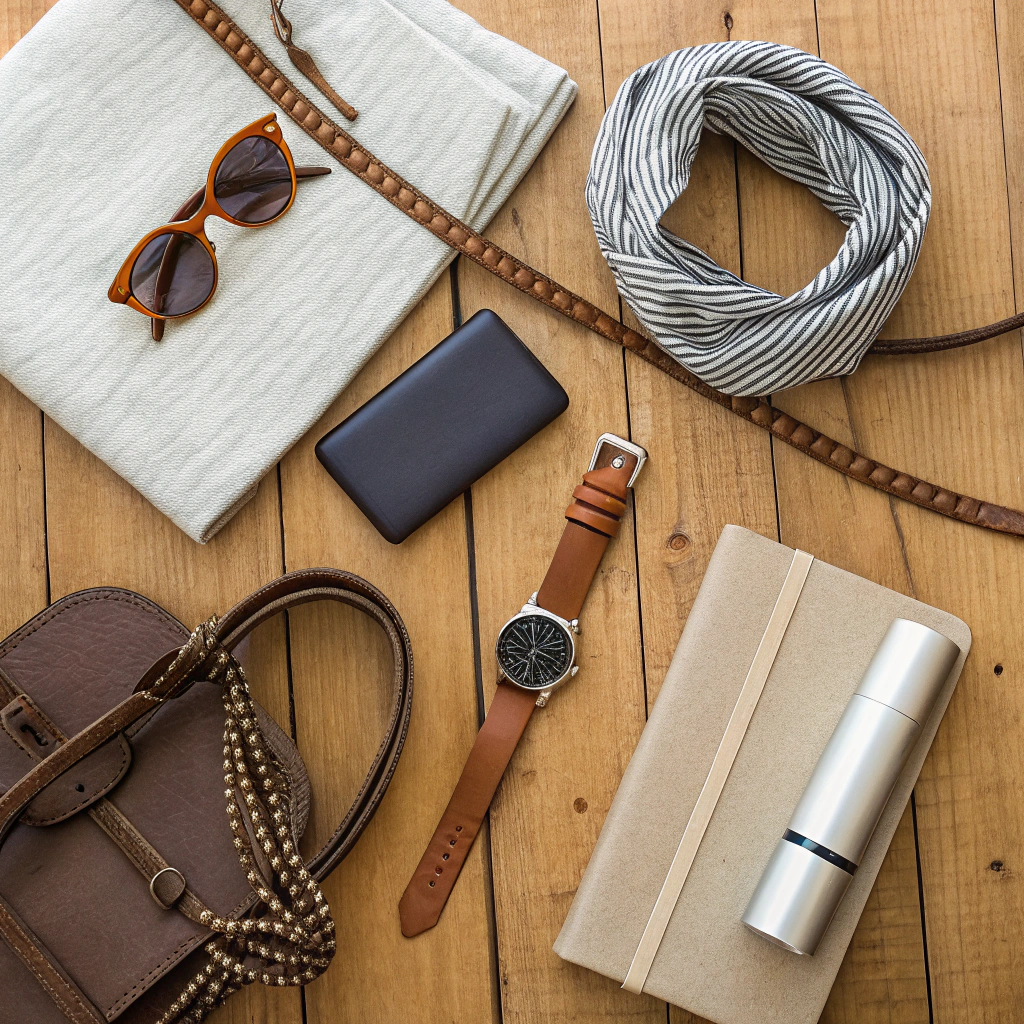
I love applying this rule to corporate gift boxes because it prevents the gift from feeling like "just another office supply." When I work with clients, we might pick a sleek tech organizer (need), a premium coffee mug (want), a branded hoodie (wear), a professional development journal (read), and a gift card for a local experience (do). This variety creates a much more human connection.
The "something to do" part is where gift cards really shine. Whether it is a movie ticket or a voucher for a workshop, it encourages the recipient to take time for themselves. In my experience, people remember what they did with a gift more than what they owned. By following this rule, you cover every part of the recipient's lifestyle—their work, their comfort, and their personal growth. It turns a simple gesture into a comprehensive message of appreciation.
| Rule Component | Example for Professionals | Purpose |
|---|---|---|
| Something Wanted | High-end treats or chocolates | Immediate sensory reward |
| Something Needed | Insulated water bottle / Power bank | Long-term daily utility |
| Something to Wear | Quality polo shirt / Scarf | Team identity and comfort |
| Something to Read | Industry-relevant book / Journal | Personal growth and reflection |
| Something to Do | Experience gift card / Class | Creating a lasting memory |
Why do people gift gift cards instead of cash?
Have you ever wondered why giving a $50 gift card feels more like a "gift" than giving a $50 bill? Cash is often seen as cold or transactional, whereas a gift card retains a sense of intention and boundaries.
Gift cards are preferred over cash because they represent a specific intent. While cash can be spent on boring things like bills or groceries, a gift card "forces" the recipient to treat themselves to something fun or personal.
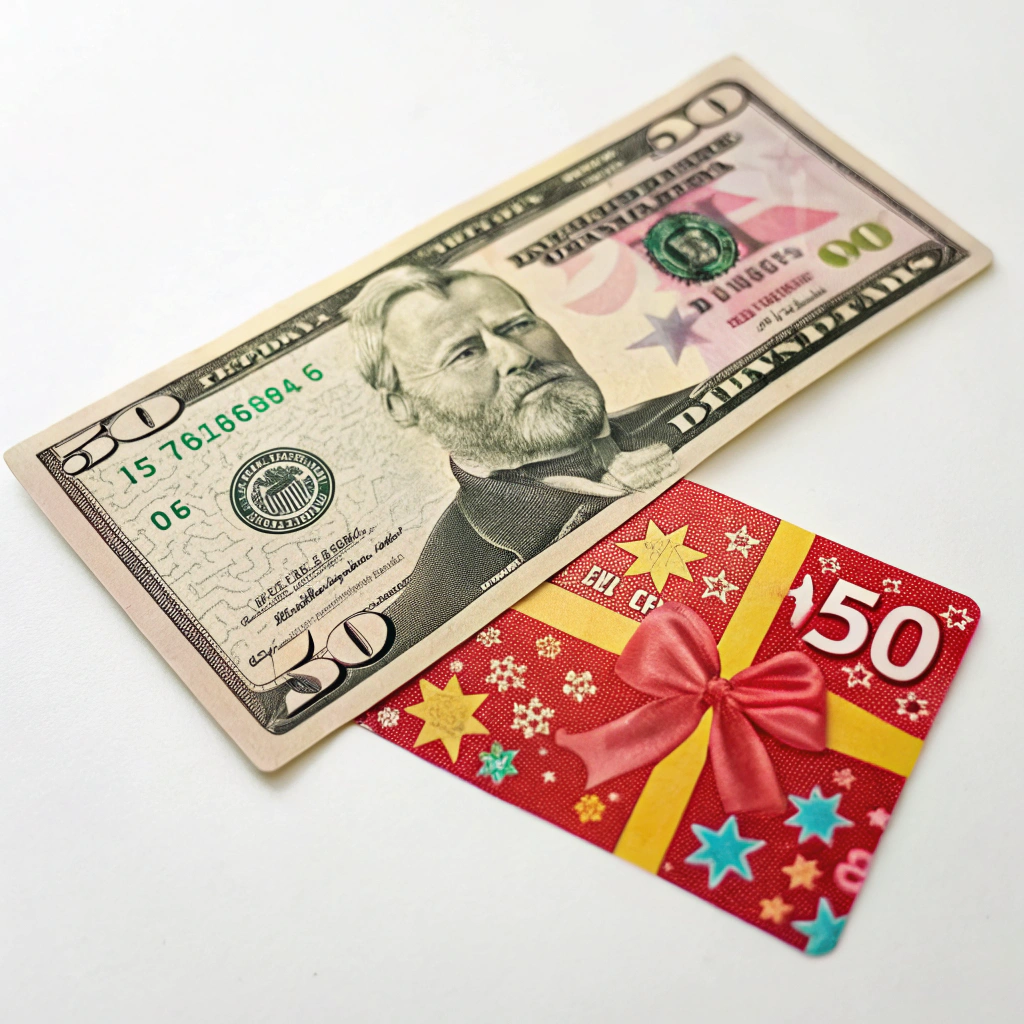
I have helped many companies manage their year-end rewards, and we almost always choose gift cards over cash bonuses for social events. Why? Because cash often disappears into a bank account and is forgotten. But a gift card to a specific shop tells a story. It says, "I know you like coffee," or "I want you to enjoy a nice dinner." It sets a boundary that says this money is for you and your enjoyment.
In the branding world, we call this "directed generosity." From my production background, I know that the physical card and its packaging add a layer of ceremony that cash lacks. A well-designed card in a nice envelope feels like a present. For a marketing manager like Jacky, this is crucial. You want the recipient to associate the positive experience of shopping or dining with your company’s brand. Cash is a transaction; a gift card is an invitation to go out and enjoy a specific part of life.
| Feature | Cash | Gift Card |
|---|---|---|
| Social Meaning | Transactional / Cold | Intentional / Personal |
| Spending Habit | Likely spent on necessities | Likely spent on treats/hobbies |
| Brand Connection | Very Low | High (Associated with a brand) |
| Memory Value | Forgettable | Memorable experience |
Conclusion
People value gift cards because they balance personal choice with thoughtful intent. By respecting autonomy and providing a "directed" experience, gift cards ensure your present is useful, appreciated, and remembered long after the exchange.
My Role
About me:
Latitude Experience Pte Ltd was founded by Francis Loh, a passionate advocate for branding through corporate gifts. Beginning his career in a humble printing factory, Francis gained hands-on experience in production, design, and client servicing. With a deep understanding of the printing and gifting industries, he later established Latitude to help businesses elevate their brand presence through meaningful, well-crafted promotional gifts.
Over the years, Latitude has supported numerous clients in growing their businesses with practical and impactful gifting strategies. Grateful for the opportunities the industry has brought him, Francis is now committed to giving back—sharing his knowledge, insights, and experiences to help others succeed in their branding journey through corporate gifts.