Why Is a Custom Logo T-Shirt Your Most Powerful Branding Tool?
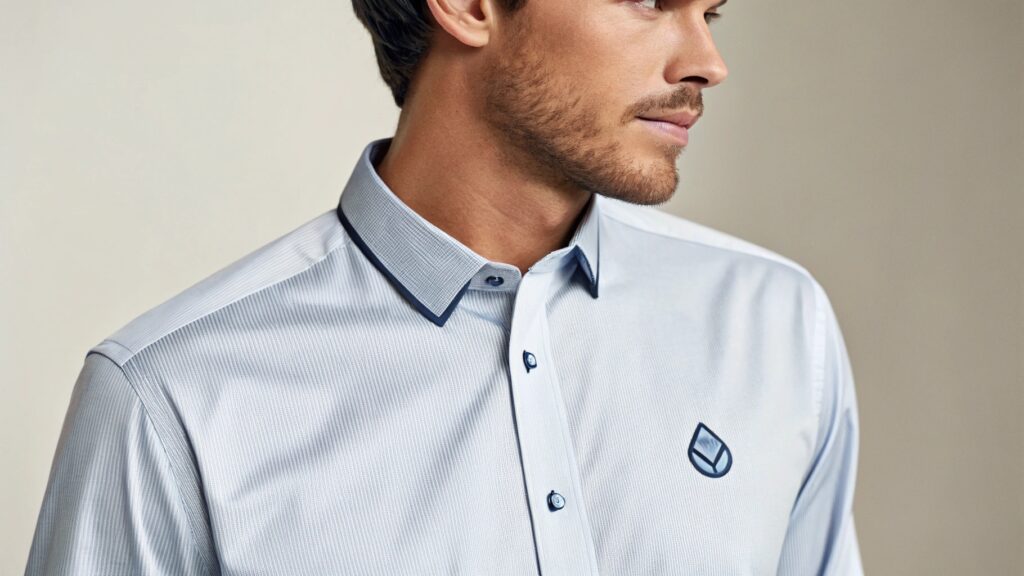
Distributing low-quality shirts makes your brand look cheap. It wastes your budget because people will not wear them. A professional custom logo shirt builds trust and creates long-term visibility for your business.
To create a professional custom shirt, choose a specialized printer that understands fabric compatibility and print methods. Focus on high-quality materials and thoughtful logo placement. This ensures the shirt becomes a brand asset that clients choose to wear repeatedly, rather than just a one-time promotional giveaway.
 ![]()
![]()
I have seen many managers like Jacky settle for the lowest price and regret it when the shirts arrive. If you want to turn your apparel into a lasting brand ambassador, you must choose quality over volume.
Can I Put My Own Logo on a Shirt and Sell It?
Want to turn your brand into a fashion line or a new revenue stream? If you do not check legal and quality standards, you could face lawsuits or bad reviews. Start selling safely.
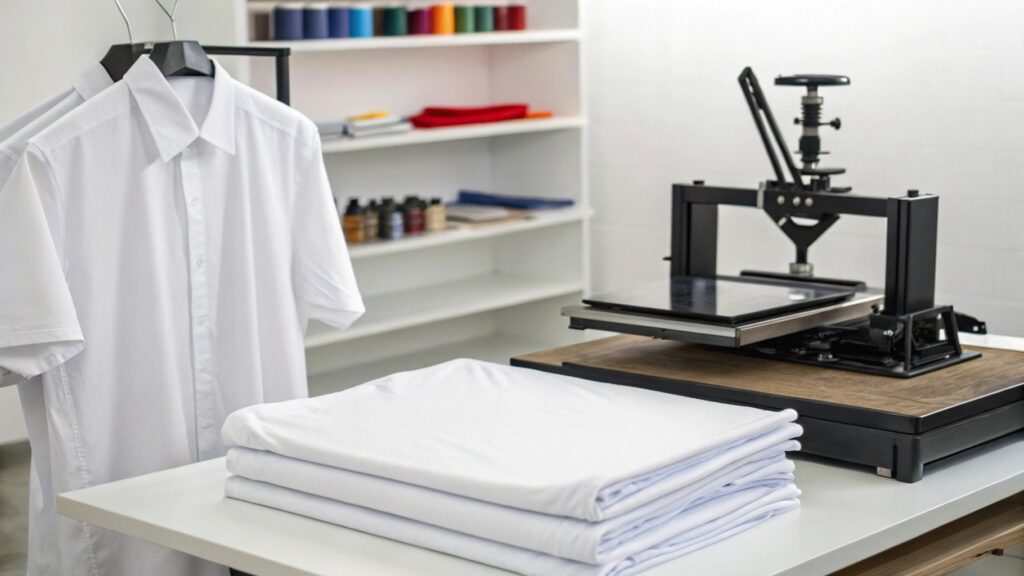
Yes, you can legally put your own logo on a shirt and sell it as long as you own the trademark1. To succeed, you need a professional printing partner and high-quality "blank" shirts. This ensures your design stands out in a competitive market and builds a loyal customer base.
 ![]()
![]()
I often talk to entrepreneurs who want to start their own clothing line. In my experience at the printing factory, I saw many people jump in without a plan. You must own your logo. If you designed it yourself or paid someone to do it, you are usually safe. But you should still register your trademark to protect your brand. Selling a shirt is not just about the graphic. It is about how the shirt feels. I always suggest starting with samples. A logo that looks perfect on a computer screen can look very different on a piece of cotton.
If you are selling to the public, you need to think about the "story" of your brand. People do not just buy a shirt; they buy what the logo represents. Jacky understands this well for his company. Even when he gives shirts away, he treats them like a product people would want to buy. This mindset changes how you choose fabrics. You start looking for organic cotton or soft blends that people enjoy wearing. When the quality is high, your logo becomes a badge of honor for the wearer.
| Aspect | Selling Your Brand | Corporate Gifting |
|---|---|---|
| Primary Goal | Profit and fashion | Brand awareness and loyalty |
| Logo Size | Can be bold and artistic | Usually clean and professional |
| Fabric Choice | Often trendy or premium | Durable and comfortable |
| Quantity | Small batches to start | Usually high volume |
Is $25 Too Much for a Custom Shirt?
Paying too little often results in shirts that shrink and fade after one wash. Paying too much wastes your marketing funds. Finding the right price balance is critical for a successful campaign.
$25 is a fair price for a high-quality, custom-printed t-shirt in smaller quantities. For large corporate orders, the price per shirt should drop. Always value longevity over a cheap price; a $25 shirt that lasts for years provides much better value than a $5 shirt.
 ![]()
![]()
I remember a client who insisted on the $5 "bargain" shirts for a major outdoor event. Halfway through the day, the shirts were soaked in sweat and the logos started to peel. It looked terrible. I felt bad for them because their brand image took a hit just to save a few dollars. When you pay $25, you are paying for more than just a shirt. You are paying for "combed" cotton, which is much softer. You are paying for high-quality ink that stays bright after fifty washes.
I call this the "Cost per Wear" concept. If a shirt costs $25 and a client wears it fifty times, the cost is only 50 cents per impression. If a $5 shirt is worn once and then used to clean the floor, that is 100% waste. For someone like Jacky, I always recommend finding a middle ground. If he orders 500 shirts, the price might go down to $12 or $15. At that price, he still gets the high-quality fabric that people want to keep. It is a long-term investment in your brand's reputation.
| Quantity Range | Expected Price (Premium Quality) | Value Received |
|---|---|---|
| 1 - 10 units | $25 - $35 | Perfect for samples or gifts |
| 50 - 100 units | $15 - $22 | Great for team events |
| 500+ units | $8 - $12 | Best for large-scale marketing |
How to Print Logos Onto a Shirt?
Most people do not know which print method to choose for their specific logo. The wrong choice leads to cracking designs or colors that bleed together. Learn the right techniques to protect your brand.
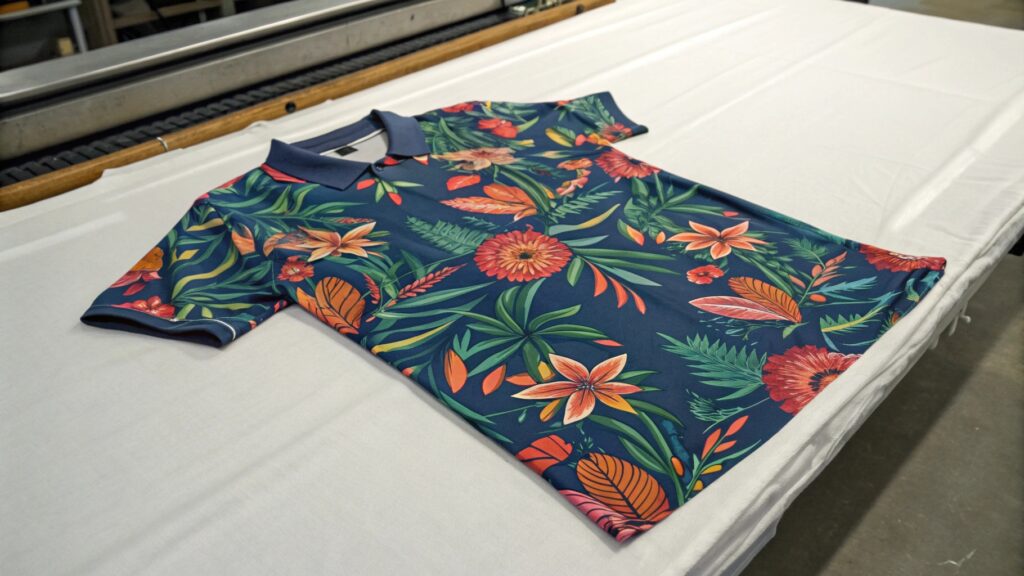
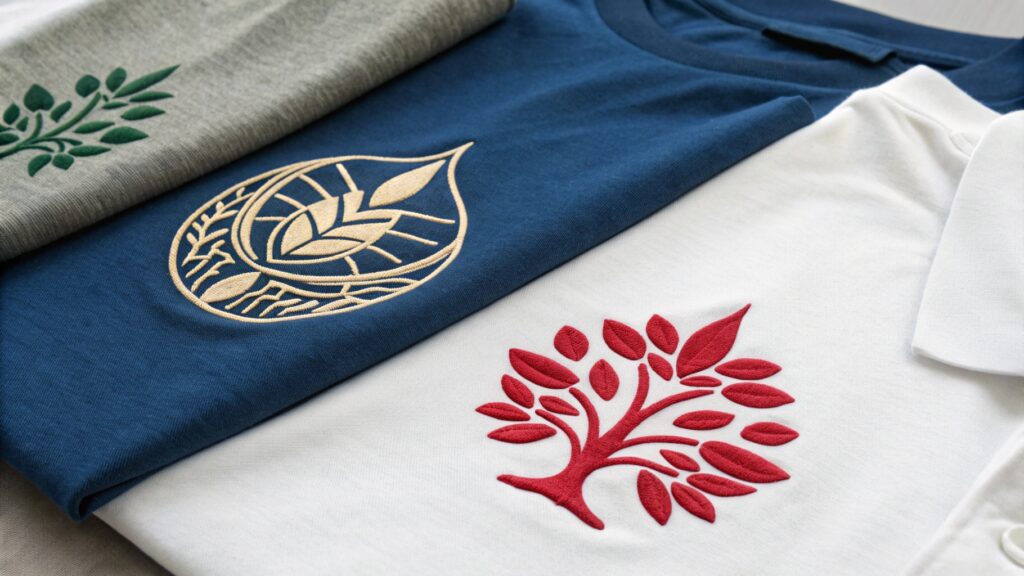
The best ways to print logos are Screen Printing2 for large orders, Heat Transfer for complex colors, and Embroidery for a premium look. Each method depends on your logo's detail and the shirt's fabric. Choosing the right method ensures a professional finish that will not peel or fade easily over time.
 ![]()
![]()
In my years working in production, I have seen it all. The real challenge isn't finding a printer; it's finding a partner who knows how your logo will live on the fabric. If your logo has a lot of gradients and small details, Screen Printing might not be the best choice. For those, we use Digital Heat Transfers. They allow us to capture every tiny detail and color. However, if you are printing a simple one-color logo for 1,000 employees, Screen Printing is the king of durability and cost-efficiency.
I also love Embroidery3 for a high-end feel. It adds a 3D texture that looks very professional on polo shirts or heavy cotton tees. But you have to be careful—if the fabric is too thin, the embroidery will pull and look messy. This is why I always emphasize the importance of print testing. I always guide my clients through these decisions. We treat the shirt as a brand asset, not just a product. We check the fabric weight and the ink type to make sure they work together perfectly. When the shirt is made right, it is something people choose to wear again and again.
| Method | Best For | Durability | Feel on Fabric |
|---|---|---|---|
| Screen Printing | Large orders, simple logos | Very High | Light and breathable |
| Heat Transfer | Full-color photos, small runs | High | Slightly thicker layer |
| Embroidery | Premium branding, small logos | Highest | Textured and firm |
| Direct-to-Garment | Single shirts, many colors | Medium | Very soft and integrated |
Conclusion
A custom logo t-shirt is a direct reflection of your brand's quality. By choosing the right partner, fabric, and printing method, you ensure your message lasts as long as the shirt itself.
-
Understanding trademark registration is crucial for protecting your brand identity and avoiding legal issues. ↩
-
Screen Printing is a popular choice for its durability and cost-effectiveness, especially for large orders. ↩
-
Embroidery adds a premium touch to your shirts, enhancing brand perception and quality. ↩