Why Does Your "Clean" Water Bottle Smell, and How Can You Fix It for Good?
Using a dirty water bottle is a health risk. Bacteria and mold grow fast in dark, damp spaces. You need a fresh, safe bottle for your daily marketing grind.
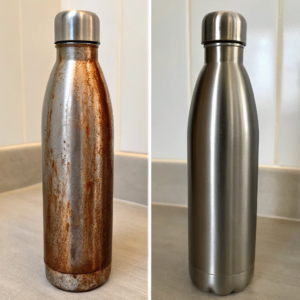
You must wash your water bottle daily with warm, soapy water and a bottle brush. Rinsing is not enough. To keep it safe, disassemble the lid and gaskets where mold hides. Deep clean weekly with baking soda or vinegar and always air-dry it completely with the cap off.
 ![]()
![]()
I spent many years working in a printing factory before I started Latitude. I saw how different materials react to moisture and heat every single day. This hands-on experience taught me that even the best products fail if they are not cared for properly. As a marketing manager, you choose high-quality gifts because you want them to last. If the bottle starts to smell, your customer will stop using it. This means your brand message disappears. I want to help you understand the best way to maintain these items. If you care about your health and your brand's reputation, keep reading.
What Happens If I Never Wash My Water Bottle?
Neglecting your bottle leads to slime and very bad smells. This ruins the taste of your water and can make you sick. Don't let your favorite reusable bottle become a dangerous health hazard.
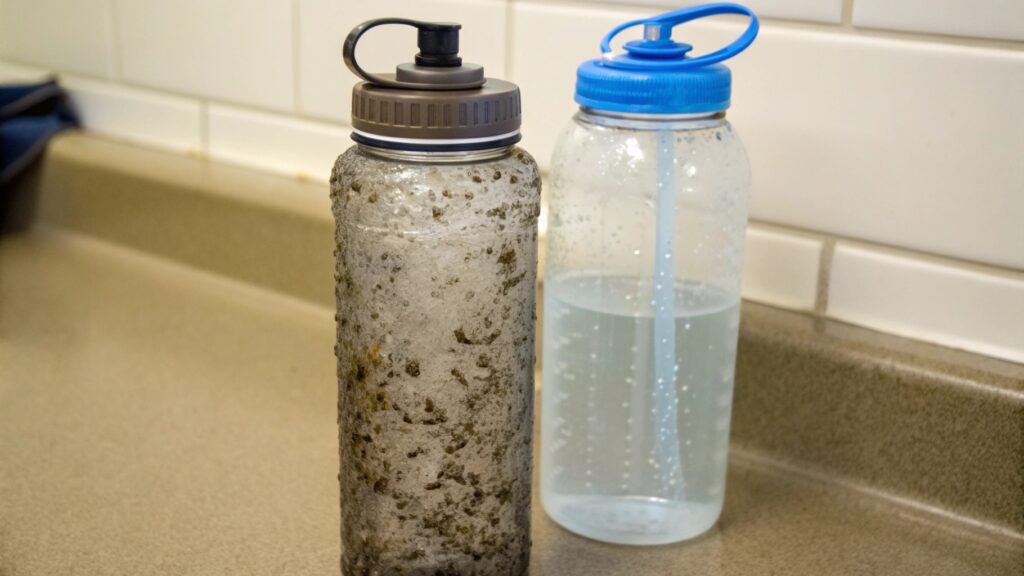
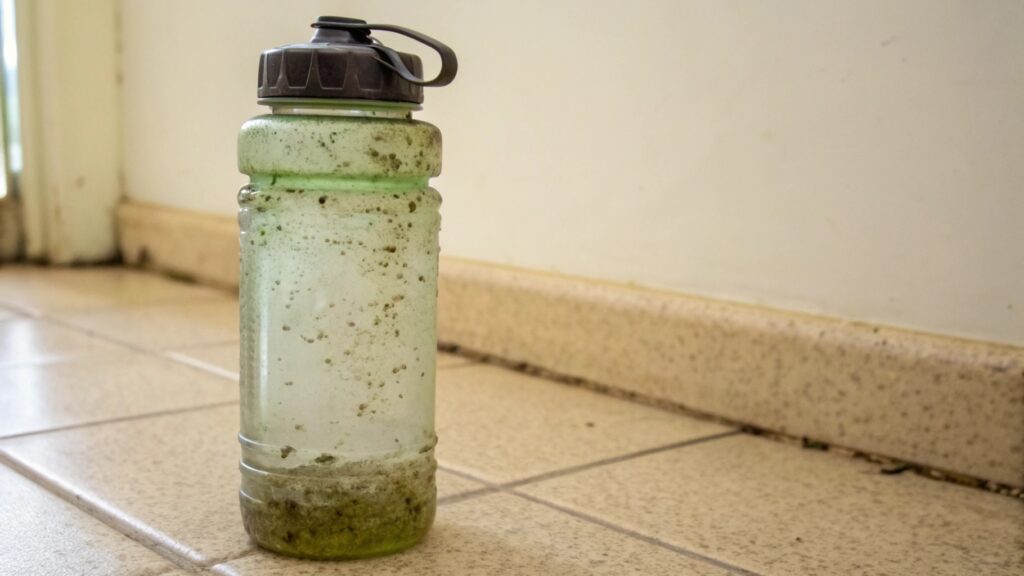
If you never wash your bottle, a "biofilm" of bacteria and mold forms inside. This layer leads to foul odors1 and a metallic or musty taste. In some cases, these germs can cause stomach issues, nausea, or even more serious infections over time.
 ![]()
![]()
The Hidden Danger of Biofilm
When you ignore your water bottle, nature takes over. Water is the source of life, and that includes microscopic life. A thin, slimy layer called biofilm starts to grow on the inner walls. I have seen this happen in factory pipes and on production tools when they aren't cleaned. This slime is actually a colony of bacteria sticking together. Even if you only put plain water in the bottle, your backwash adds tiny food particles that feed these germs. If you use flavored drinks or juice, the growth happens much faster.
Why the Lid is the Biggest Risk
The lid is where the real trouble starts. Most lids have small rubber seals called gaskets to prevent leaks. These are perfect hiding spots for black mold. Because the lid stays closed most of the time, moisture is trapped there. I have noticed that many people only wash the main body of the bottle and forget the lid. This is a mistake. If your bottle smells "musty" even after a rinse, the mold is likely in the cap. From a branding perspective, a smelly gift is a disaster. It makes your company look like it doesn't care about quality or safety.
Material Reactions to Neglect
The material of your bottle also plays a role in how it ages. Stainless steel is very durable, but it can still hold onto smells if bacteria build up. Plastic bottles, even BPA-free ones, can develop tiny scratches over time where germs hide.
| Sign of Trouble | The Actual Cause | Health/Brand Risk |
|---|---|---|
| Slimy feeling on walls | Biofilm (bacteria colony) | Potential stomach upset and nausea. |
| Black spots in lid | Mold growth in gaskets | Respiratory issues or allergic reactions. |
| Metallic or sour taste | Chemical or bacterial buildup | User stops using the bottle and discards it. |
| Cloudy appearance | Mineral deposits and old soap | Makes the brand look old and worn out. |
How Should I Wash a Water Bottle?
A quick rinse under the tap is not a real clean. Hidden germs stay in the corners and inside the straw. You need a proper routine to keep things hygienic and fresh.
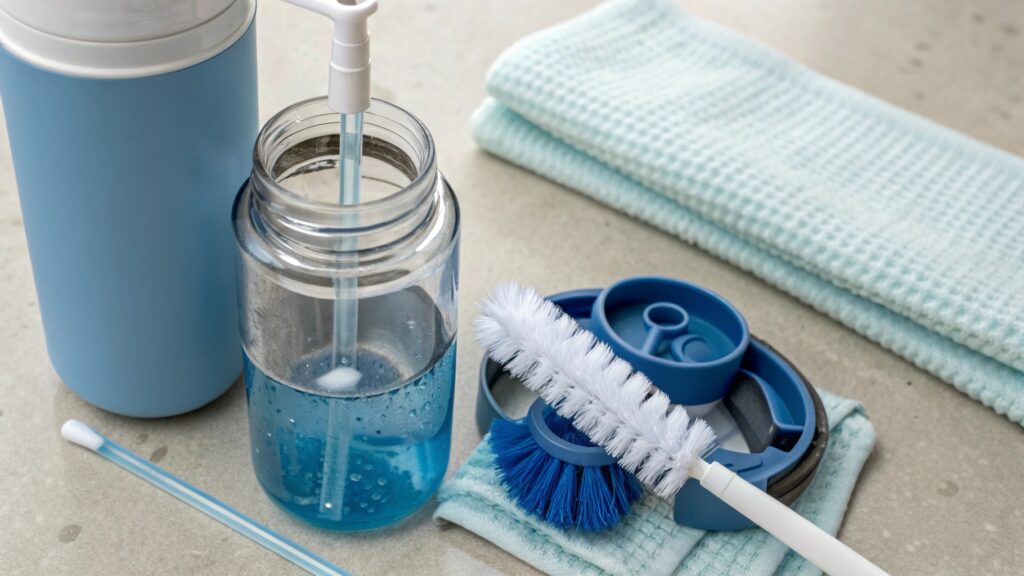
To wash it properly, you must disassemble all parts, including straws and gaskets. Use warm water and mild dish soap with a long-handled bottle brush. Scrub all interior surfaces thoroughly. Rinse it well and leave all parts separate to air-dry completely before you put it back together.
 ![]()
![]()
The Importance of the Scrub
I learned in the printing industry that surface tension is a real thing. Water alone will not remove oil or bacteria. You need friction. This is why a bottle brush2 is your best friend. A simple rinse misses the bottom corners and the "shoulders" of the bottle. I recommend using a brush with soft bristles that won't scratch the interior. Scratches are bad because they give bacteria a place to hide where soap can't reach. Scrubbing ensures that the biofilm I mentioned earlier is physically broken up and washed away.
Taking it All Apart
You cannot clean what you cannot see. Most modern bottles have complex lids to make them "leak-proof." This means they have many small parts. I always tell my clients to pull out the silicone rings once a week. Use a small tool or your fingernail to pop them out. Wash them separately in warm soapy water. If your bottle has a straw, you need a tiny straw brush to clean the inside. I have seen many people get sick simply because they didn't realize the straw was full of old drink residue.
The Drying Phase is Critical
Drying is the part most people overlook. If you wash your bottle and then immediately put the lid back on, you are trapping moisture. This creates a tiny sauna for mold. I advise you to place all the parts on a clean drying rack. Let them sit until they are bone dry. In my factory days, we never packed items until they were perfectly dry to prevent damage. The same rule applies here. Air-drying is the most natural way to stop mold from returning.
| Cleaning Step | Why It Matters | Tool Needed |
|---|---|---|
| Disassembly | Reaches hidden mold in seals. | Small pick or fingers. |
| Brushing | Removes physical biofilm. | Long-handled bottle brush. |
| Mild Soap | Breaks down oils and backwash. | Gentle dish detergent. |
| Air-Drying | Prevents moisture-loving mold. | Drying rack / open space. |
What is the Best Method for Cleaning Water Bottles?
Stubborn stains and smells often survive regular washing. You don't want to drink from a stinky bottle during a big meeting. There is a better way to get a professional-level deep clean.
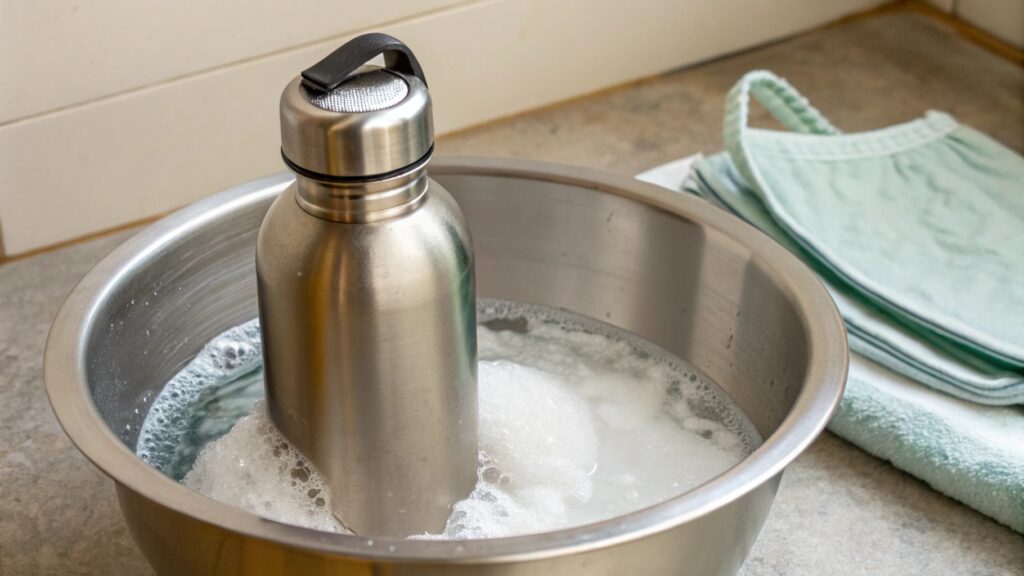
The best deep-cleaning method uses natural solutions like baking soda or diluted vinegar. Soak the bottle and lid in a mix of warm water and baking soda overnight. This neutralizes strong odors and removes tough stains without damaging the stainless steel or high-quality plastic surfaces.
 ![]()
![]()
Why Natural Cleaners are Better
I often see people reach for bleach when they find mold. Please do not do this. Bleach is too harsh for most reusable bottles. It can damage the finish on stainless steel3 and can be hard to rinse off plastic. I prefer natural solutions because they are safe and effective. Vinegar is an acid that kills many types of mold and bacteria. Baking soda is a base that neutralizes odors. I find that a combination of these two—or using them separately—works better than any chemical cleaner. They are also much better for the environment, which fits your goal for eco-friendly branding.
The Power of the Overnight Soak
If your bottle has a lingering smell, you need time. An overnight soak allows the cleaning agent to penetrate the material. For stainless steel, I suggest two tablespoons of baking soda and hot water. For plastic, a mix of half vinegar and half water works wonders. When you wake up, just rinse it out. You will notice the smell is gone and the inside looks bright again. I used similar soaking techniques for cleaning printing plates in the factory. It’s about letting the chemistry do the hard work for you.
Consistency Builds Trust
A clean bottle is a reliable tool. When your customers have a bottle that always tastes fresh, they use it daily. This means they see your logo daily. Proper maintenance turns a simple promotional gift into a long-term essential item. It shows that you care about the user's experience even after the gift is given. I believe that educating your clients on how to clean their gifts is a great way to show extra value. It builds a deeper connection between your brand and the people you serve.
| Cleaning Agent | Best For | Benefit |
|---|---|---|
| White Vinegar | Mold and bacteria removal. | Safe, natural, and very cheap. |
| Baking Soda | Removing stubborn odors. | Neutralizes smells instead of masking them. |
| Dish Soap | Daily oil and dirt removal. | Great for routine maintenance. |
| Bottle Tablets | Travel and convenience. | Pre-measured and easy to use. |
Conclusion
Proper cleaning habits turn your water bottle into a safe, long-term brand asset. Focus on consistent scrubbing, deep cleaning with natural agents, and complete air-drying to keep things fresh.
-
Learn about the sources of foul odors in water bottles to ensure a fresh drinking experience. ↩
-
Choosing the right bottle brush is essential for effective cleaning; find out which one works best. ↩
-
Discover the best methods for cleaning stainless steel bottles to maintain their quality and hygiene. ↩