Why are paper shopping bags with handles the best choice for your brand?
Customers hate carrying heavy items in bags that tear or dig into their hands. This bad experience makes your shop look cheap. Sturdy paper bags with handles solve this problem immediately.
Paper bags with handles are versatile, eco-friendly carriers used for retail and gifts. They provide a better grip, hold more weight, and act as a mobile billboard for your brand. High-quality paper ensures they are reused many times, which keeps your logo in the public eye longer.
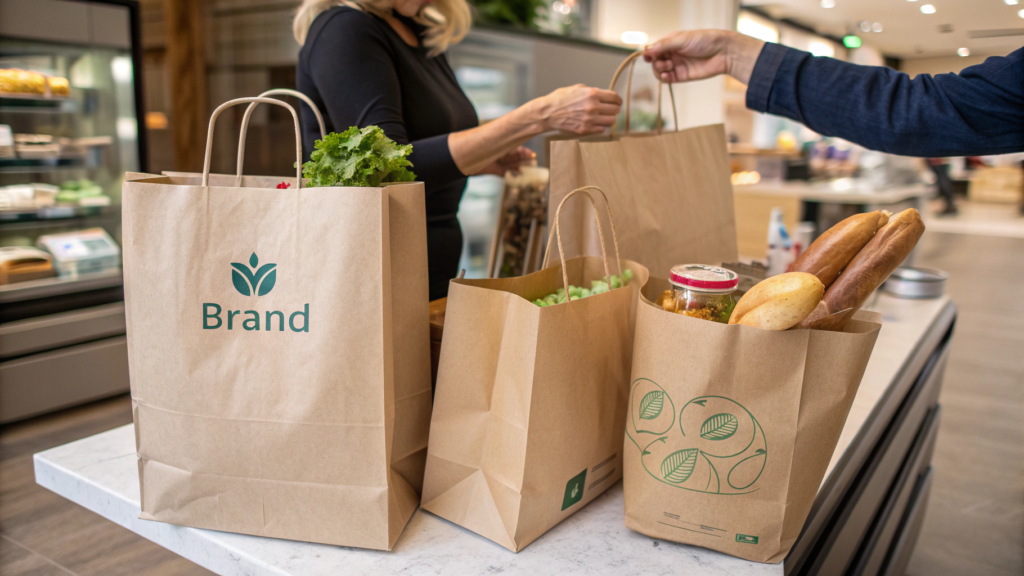
I spent many years working inside a printing factory and watched machines fold thousands of these bags. I saw how a simple handle changed a basic brown sack into a premium tool for shoppers. Many managers like Jacky forget that the bag is the last thing a customer touches. If the bag feels weak or looks ugly, the whole purchase feels less valuable. I want to share my knowledge from the production floor to help you choose the right carrier. I believe the right bag can turn a one-time buyer into a loyal fan. Let’s look at why these bags are so important for your business strategy.
What are paper bags with handles called?
Using the wrong names when you order bags leads to big mistakes and wasted money. You might get flimsy tape handles when you really wanted premium rope. This confusion slows down your marketing projects.
Paper bags with handles are usually called "Paper Carrier Bags" or "Kraft SOS Bags1." Depending on the handle type, they are also known as "Twisted Handle Bags," "Flat Handle Bags," or "Luxury Rope Handle Bags" for high-end retail and gift shops.
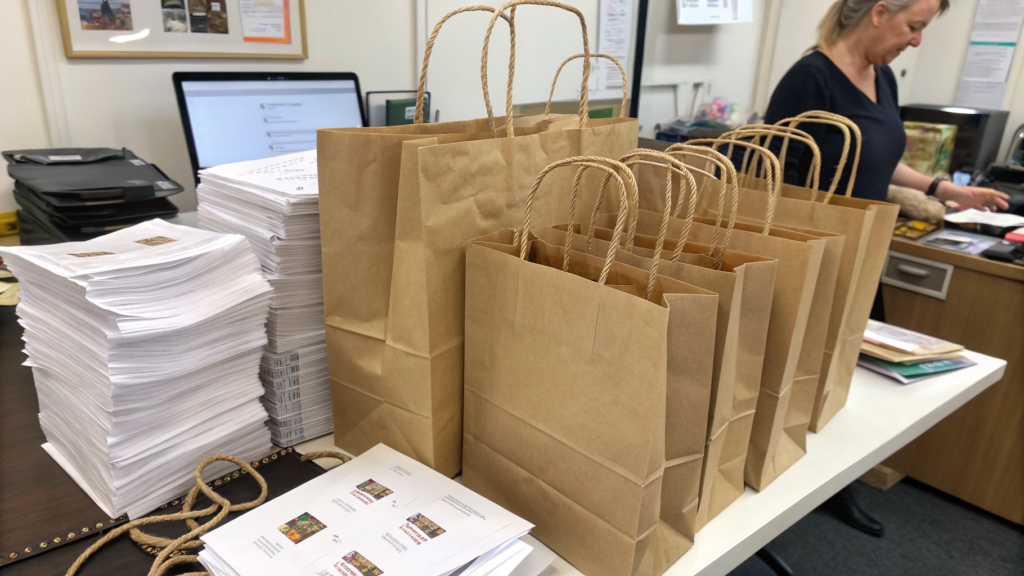
I remember a time in my early career when a client ordered "paper bags" but did not specify the handle. They expected twisted paper but we produced flat tape handles. Flat handles are cheaper but they feel much less comfortable on the fingers. The client was unhappy because his premium gift boxes felt "cheap" in those bags. This is why I always tell Jacky to learn the specific names of the products. A "Twisted Handle" bag uses paper that is spun into a very strong cord. These are the best choice for most retail shops because they are strong and look neat.
A "Flat Handle" bag uses a simple strip of folded paper. You see these most often in takeaway food because they are easy to pack and very low cost. But if you want a luxury feel, you should ask for "Rope Handles." These are made of cotton or synthetic materials and are usually tied by hand through punched holes. In the factory, we also look at the paper weight, which we call GSM. Thick paper makes the handles more stable. It means the bag is less likely to rip when the customer carries it home. You want a bag that feels like it has some weight to it.
Comparison of Common Paper Bag Types
| Bag Name | Handle Style | Best Use Case | Durability |
|---|---|---|---|
| SOS Bag | Flat Paper Tape | Takeaway food and light snacks | Low to Medium |
| Twisted Handle Bag | Spun Paper Cord | Fashion retail and book stores | Medium to High |
| Luxury Boutique Bag | Cotton or Silk Rope | High-end jewelry and perfumes | Very High |
Why the Name Matters for Your Budget
When you talk to a supplier, using the right words helps you get an accurate quote. I have seen managers get confused between "Kraft" and "Art Paper." Kraft paper is that natural brown or white paper that is very strong. Art paper is smooth and glossy, which is better for full-color printing. If you want an eco-friendly look, Kraft is your best friend. It tells the customer that you care about the earth. It is also very easy to recycle. Understanding these terms means you can plan your budget better and avoid surprises when the delivery truck arrives.
How to make a paper bag with handle for gifts?
Standard store bags can look boring for a special event or a high-value gift. This makes your brand presentation feel lazy and unoriginal. You need a way to create a unique and personal touch.
You can make a paper bag with handles by folding heavy kraft paper into a rectangular base and punching two holes on each side. Thread a piece of ribbon or jute twine through the holes and tie a thick knot inside to secure it.
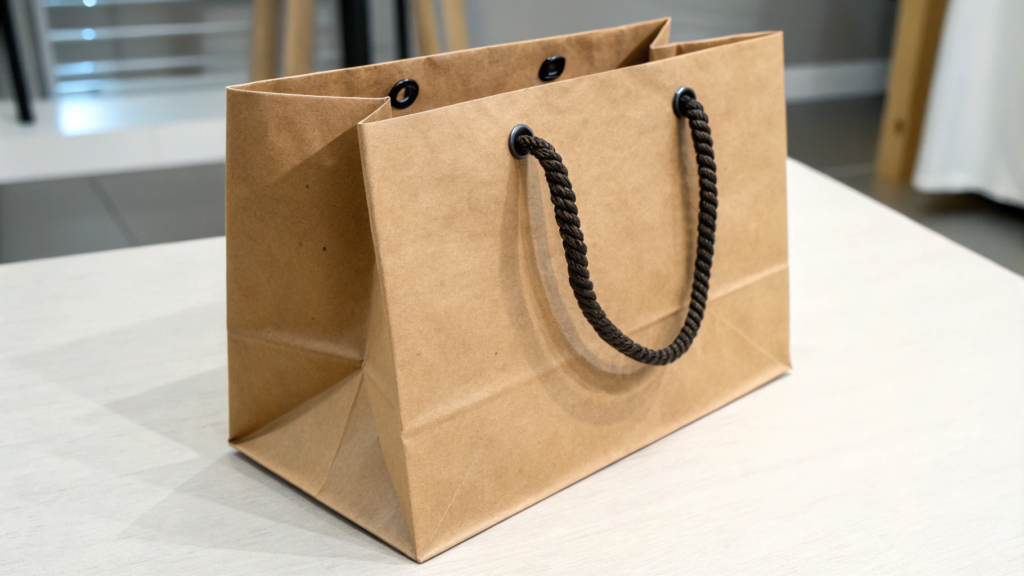
I often work with marketing managers who need a custom look for a small event. They do not want to print 5,000 bags at once. I show them how to customize a plain bag with unique handles to save money. You start with a flat sheet of heavy paper. You must fold the bottom correctly so the bag can stand up on its own. This is called a block-bottom design. When you add the handles, the placement of the holes is very important. If the holes are too close together, the bag will tip over. If they are too far apart, the paper might tear under the weight.
I always suggest adding a "reinforcement patch" inside the top fold of the bag. This is just a small piece of thick card or extra paper. It stops the handle from pulling through the holes when the bag is full. In my workshop, I see how a simple change makes a big difference. Using a silk ribbon handle makes a plain brown bag look like it belongs in a high-end boutique. This is about personal expression and your brand story. It shows you put real thought into the presentation. People notice these small details and they appreciate them. It makes the gift inside feel more special.
Materials Needed for Custom Bags
| Material | Purpose | Why it is Useful |
|---|---|---|
| Heavy Kraft Paper | The main body | Provides a strong and natural structure |
| Hole Punch | Creating handle points | Ensures clean and even holes for the rope |
| Cotton Ribbon | The handle | Feels soft and looks very expensive |
| Cardboard Scraps | Base and top support | Keeps the bag from sagging or ripping |
The Secret to a Professional Finish
The secret to a great bag is the "fold line." In the factory, we use a creasing machine to make sure every fold is sharp and clean. If you are doing this for a small project, use a ruler to mark your lines. A sharp fold makes the bag look expensive. I also think about the "user experience." A bag should be easy to open and stay open while you put the gift inside. If the paper is too thin, the bag collapses. If it is too thick, it is hard to fold. I found that 150 GSM to 200 GSM is the perfect range for most gift bags. This weight feels solid but still allows for clean edges.
Are paper grocery bags better than plastic?
Plastic waste is a huge problem and it hurts your brand's reputation with shoppers who care about the planet. People judge companies that still use thin, single-use plastic. You need a more responsible option.
Paper bags are better because they are biodegradable and easier to recycle than plastic. While plastic is cheaper to make, paper bags with handles offer a more premium feel2 and better protection for items. They are made from renewable wood pulp instead of oil.
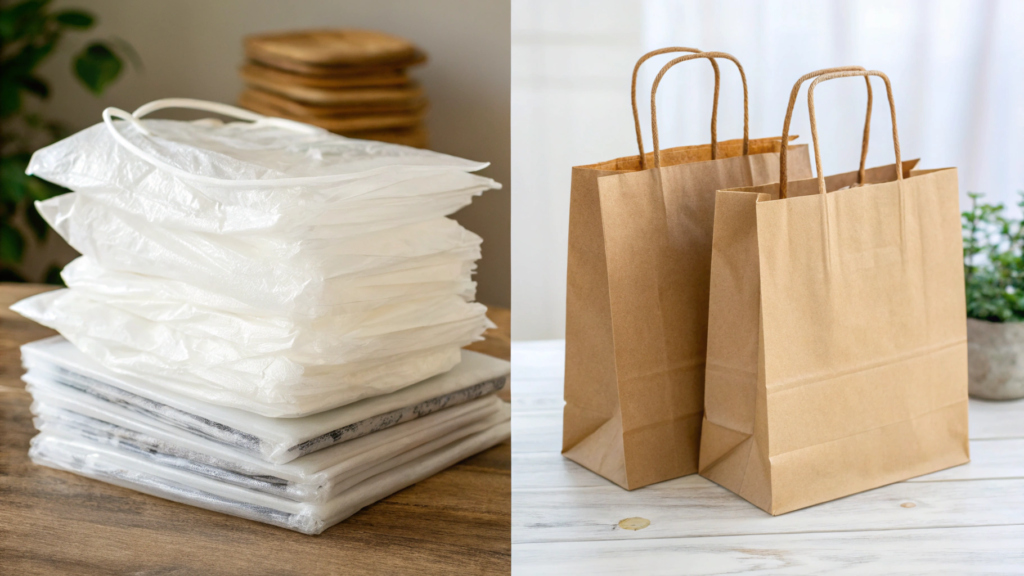
Many people argue about which bag is truly "greener." I look at it from a branding and practical view. Plastic bags are very thin and strong, but they look messy. They fly away in the wind and end up in the ocean for hundreds of years. Paper bags are bulky and take up more space in a warehouse, but they are much easier for the customer to recycle at home. From my perspective, the real winner is the bag that gets used the most. A paper bag with a handle is much more likely to be used again. My wife uses them to bring her lunch to work or to store items in the cupboard.
Every time a customer carries that bag again, your logo is visible to others. This "silent marketing" is the biggest benefit of paper. Also, the tactile feel of kraft paper is very powerful. It feels natural and honest. In a world full of plastic, something that feels like wood or earth has a special power. It tells the customer that your brand cares about quality and the planet. I always check if the paper comes from a sustainable forest3. This is another part of the story you can tell your customers. It builds trust and makes them feel good about buying from you.
Paper vs. Plastic: A Direct Comparison
| Feature | Paper Bag with Handle | Standard Plastic Bag |
|---|---|---|
| Sustainability | High (Renewable & Recyclable) | Low (Oil-based & Persistent) |
| Customer Perception | Premium and Professional | Cheap and Disposable |
| Reuse Potential | High (Multiple uses) | Low (Usually one use) |
| Branding Area | Large and Easy to Print | Limited and Often Wrinkled |
The Middle Ground of Sustainability
I believe the best approach is to find a middle ground. A paper bag is not perfect because it takes a lot of water to make. But if you design it for reuse, its value goes up. I help managers like Jacky choose bags with thick paper and reinforced handles. We want the bag to last for ten trips to the store, not just one. This makes the environmental cost worth it. When a bag is well-made, people do not want to throw it away. They keep it. This is the ultimate goal for any brand. You want to be a part of the customer's daily life. A simple paper shopping bag with handles is one of the easiest ways to do that.
Conclusion
Paper bags with handles are smart tools for branding and sustainability. They simplify the customer's journey and turn a simple purchase into a premium experience that stays with the user.