Where do you get your corporate gifts, and what does your choice say about your brand?
Are you just looking for the cheapest supplier for your gifts? Agitation: That approach makes your brand forgettable and generic. Solution: I will show you how to use your gift source to tell your brand story.
When businesses ask, "Where do you get your corporate gifts?", they are actually asking how their brand should be defined through the gift's origin and quality. The best approach is to move beyond bulk suppliers and prioritize sources that offer ethical production, design coherence, and specialized customization, which sends a message of intentionality and value.
I remember the early days when getting corporate gifts was a simple transaction—you flipped through a catalog and picked the lowest-priced item. That world is gone. Today, the choice of supplier is not just a logistical decision; it's a strategic one. The modern corporate gift market has moved far beyond mass giveaways. I believe that the origin of your gift sends its own powerful message. A client once told me, "Francis, I don't need a supplier; I need a partner who understands my brand." That stuck with me. If you want your gifts to build trust, emotional connection, and lasting brand memory, you need to understand the shift from simple sourcing to brand storytelling.
What are good corporate gifts, and where should you source them?
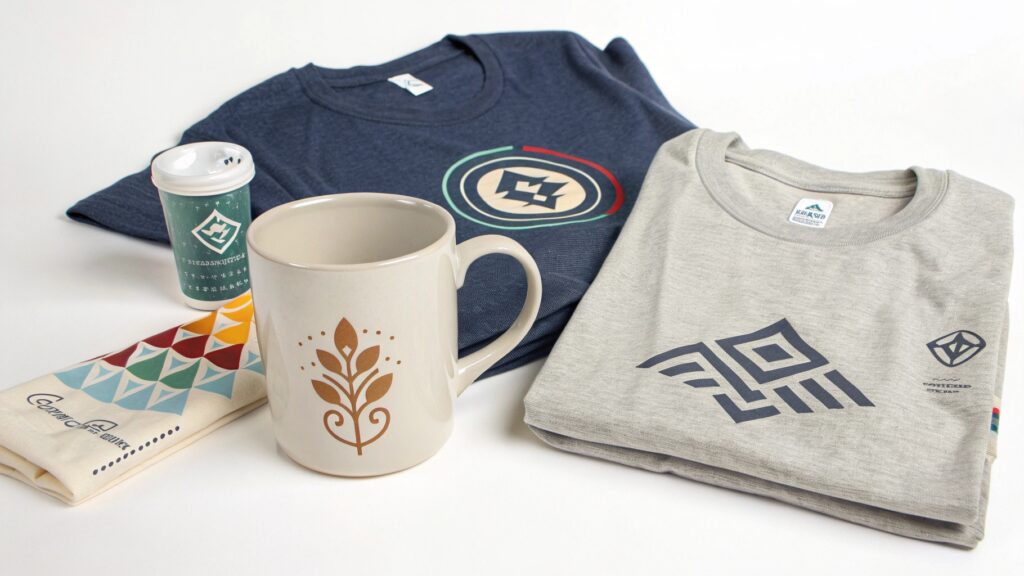
Are you stuck choosing between the same old mugs and T-shirts? Agitation: Generic gifts show a lack of effort and fail to impress. Solution: I can show you how to find gifts that are meaningful and memorable.
Good corporate gifts1 are meaningful, well-crafted, and aligned with your brand's values, moving away from catalog-style bulk items toward items sourced from specialized manufacturers or sustainable craft studios. The best sources are those that offer ethical production and specialized customization, allowing the gift's origin to become part of your brand storytelling.
For a long time, the focus was only on the product itself, but I have seen a massive shift. The source of the gift has become just as important as the gift. A handmade item from a small workshop, for example, signals authenticity and a commitment to quality that a mass-produced item cannot match. I often guide clients like Jacky, an experienced branding manager, to look for niche manufacturers or specialized customization providers. Jacky values high-quality, well-designed, and customizable gifts. He knows the gift is a reflection of his company. When we source an item, we look at the ethical production standards and the story behind the maker. For instance, choosing a sustainably sourced product reflects your brand's responsibility, which is a powerful message to send to clients and employees. This shows intentionality, not just a purchase made in haste. Forward-thinking companies treat sourcing as a crucial part of their brand storytelling. They don't just pick gifts from the nearest bulk platform. They evaluate suppliers based on ethical practices, design coherence, customization capability, and the long-term usability of the product. The "best place" to get corporate gifts, therefore, is not a physical store but a decision framework that prioritizes meaning and purpose. I always tell my clients that a gift should tell a story, and the supplier helps you write that story.
How does the gift's origin impact the brand message?
The perceived value of a corporate gift is directly tied to the effort and thoughtfulness that goes into its sourcing and production.
| Gift Origin | Brand Message Communicated | Example (My Experience) |
|---|---|---|
| Sustainable Studio | Responsibility, forward-thinking, eco-consciousness. | A client chose bamboo notebooks from a verified ethical source; the message was clear and strong. |
| Niche Manufacturer | Exclusivity, specialization, high-quality craftsmanship. | We sourced custom-designed leather goods, signaling premium quality and attention to detail. |
| Specialized Customizer | Intentionality, dedication to brand standards, precision. | A supplier who guaranteed perfect color matching and flawless logo placement every time built immense trust. |
This is why I established Latitude. I saw the need to connect businesses with the right sources that could meet both high-quality production standards and strong ethical values. Jacky's challenges include managing tight project timelines and ensuring accurate design layouts. A supplier who understands the full process, from sourcing the raw materials to the final design layout, removes those pain points. It means they are taking responsibility for the entire narrative. A gift’s source is a silent, powerful endorsement of your company's own standards and beliefs.
Should corporate gifts be practical or luxurious for better impact?
Are you torn between giving a useful item or an expensive one? Agitation: Choosing wrongly can lead to a wasted budget or a forgotten gift. Solution: I will explain why impact is more important than price or function alone.
The choice is not strictly between practicality and luxury; the goal is to maximize the gift's impact and perceived value by selecting items that are both high-quality and highly relevant to the recipient. A practical gift that is well-designed and premium feels luxurious in its utility, while an overly luxurious but impractical gift can often be perceived as wasteful and lacks engagement.

I have often heard this debate: practical versus luxurious. My take is that it is a false choice. The real question is: Does the gift make an impact? Jacky, who works for a mid-sized trading company, has to stay within budget, but he values high-quality and well-designed gifts. This is the sweet spot. A gift can be practical—like a multi-port charger or a quality thermal flask—but if it is designed well, feels sturdy, and has subtle, elegant branding, it delivers a sense of luxury through its superior utility. On the other hand, a gift that is technically luxurious, like an expensive paperweight that serves no real purpose, will likely end up forgotten. I have seen clients spend a lot of money on gifts that were deemed "luxurious" but were completely irrelevant to the recipient's daily life or profession. That money was better spent on a slightly higher-quality version of an item the person uses every day. For me, a gift’s long-term usability is a measure of its true value. A highly used item ensures high brand visibility. The secret is to elevate the practical with premium materials and design. Look for items that combine innovative design with an everyday function. This blend shows thoughtfulness. It tells the recipient, "We value you, and we value quality," while also providing something they will actively keep on their desk or in their bag, keeping your brand visible.
How do I achieve high perceived value on a working budget?
Achieving a luxury feel without the luxury price tag requires smart material selection and focusing on the unboxing experience.
| Strategy Component | What to Prioritize | Impact on Recipient |
|---|---|---|
| Quality of Materials | Focus on durable, tactile materials (e.g., metal, wood, heavy canvas) instead of cheap plastic. | The gift feels substantial and reliable, reflecting positively on your brand. |
| Design Intentionality | Choose minimalist, clean designs with subtle, high-quality customization (e.g., engraving). | The gift looks sophisticated and intentional, not like a mass giveaway item. |
| Packaging Experience | Invest in simple, custom packaging that adds a feeling of importance when opened. | The presentation elevates a simple item into a special, memorable moment. |
My experience running a gifting company taught me that packaging alone can increase the perceived value of a gift by 20%. When Jacky needs to elevate his brand image while staying within budget, focusing on these non-product elements is key. The goal is to make the practical feel special and to ensure the item lasts. A lasting, useful gift is the best marketing tool you can buy.
What is a good gift for employees, and how does it differ from a client gift?
Are you giving your employees the same gifts as your clients? Agitation: A lack of thought can lead to low employee engagement. Solution: I will show you how to choose gifts that truly recognize your team.
A good gift for employees should focus on recognition, professional growth2, or personal well-being, differing from a client gift which typically focuses on brand visibility and relationship building. The best employee gifts are deeply personalized, offer choice, or provide a high-value experience that demonstrates the company values and appreciates their dedication beyond their work output.

The purpose of an employee gift is different from a client gift. A client gift is about securing a relationship and maximizing brand visibility. An employee gift is about recognition, retention, and demonstrating company culture. I think that the biggest mistake is giving employees a branded item they already have or something generic. Jacky's employees want to feel valued, and a thoughtful gift achieves this. The modern employee values gifts that contribute to their well-being or professional life. For example, instead of a branded pen, I suggest high-quality ergonomic desk accessories, or even a voucher for a specialized online course related to their career path. This is personalization at its best. It shows the company sees the employee as an individual, not just a job function. When sourcing for employee gifts, I often advise clients to pull from suppliers who offer customizable kits or allow for a choice system, giving the employee some agency in the gift selection. This enhances the perceived value significantly. The ethical production and sustainability aspects that Jacky looks for are also vital for employee gifts3, as they show the company shares the values of its younger, more socially conscious workforce. The gift is a physical conversation about the company's commitment to its people and the planet. This intentionality builds trust and emotional connection far better than any mass-ordered item ever could.
Why is personalization and choice vital for employee gifts?
For employees, the gift must feel like genuine appreciation, not just a corporate handout. This requires moving away from the one-size-fits-all model.
| Employee Gifting Focus | Why it Works for Retention | Tangible Example |
|---|---|---|
| Well-being & Comfort | Shows the company cares about the employee's life outside of work and comfort in the workplace. | A premium noise-canceling headset or a voucher for a health service. |
| Professional Growth | Invests directly in the employee's future and skills, reinforcing commitment. | Access to a high-end online course or a technical book related to their field. |
| Choice & Agency | The employee gets a gift they actually want and will use, increasing satisfaction. | A curated platform where employees can select one gift from a high-quality category range. |
I have seen the positive impact of this firsthand. When I started, I learned that a thoughtful gesture goes a long way. When employees feel genuinely recognized, their motivation and loyalty increase. For a company, this translates directly into a better work culture and higher retention rates. A gift to an employee should say, "Thank you for your dedication," in a way that truly resonates with them.
Conclusion
The best place to get your corporate gifts is through a strategic framework that prioritizes sourcing for ethical production, high-quality design, and intentional customization. This ensures your gifts build trust and lasting brand memory.