What is the Real Business Model Behind Gift Cards?
Are you seeing gift cards as just plastic or digital codes? Most businesses miss the massive growth potential. I will show you how gift cards act as a powerful cash-flow engine.
A gift card business is a strategic model focused on deferred redemption, upfront cash flow, and data collection. It allows companies to generate revenue before providing products while acquiring new customers through low-friction gifting and increasing long-term engagement via loyalty program integration and repeat visits.
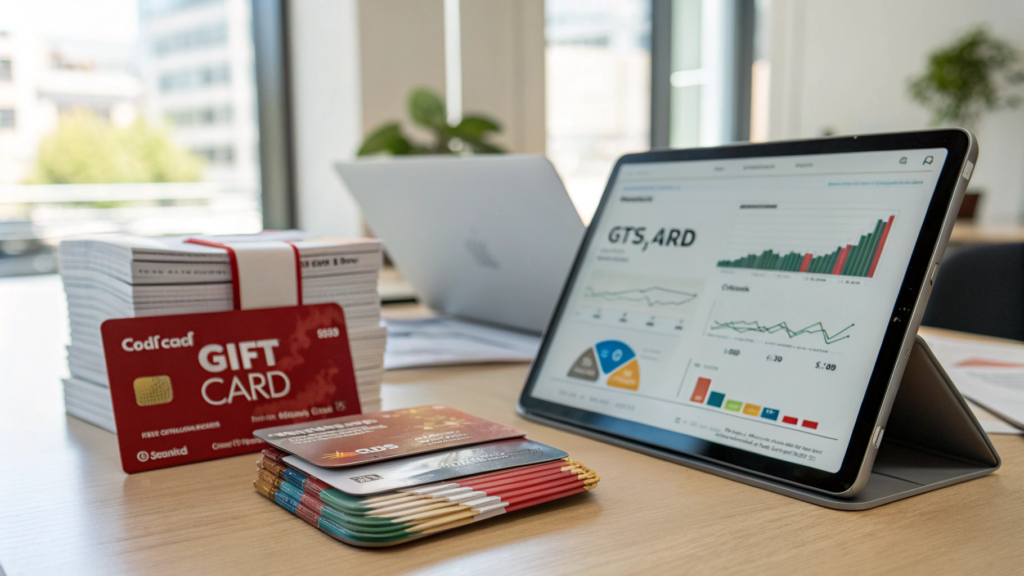
I started my career in a printing factory where we made the physical cards for many brands. Back then, I saw them as simple products. Now, I see that gift cards are really about trust and convenience. They help marketing managers like Jacky scale their brand reach without high upfront costs. Let me explain how this system turns one-time intent into a long-term relationship with your customers.
What is a Gift Card Business and How Does It Work?
Are you struggling to find new ways to reach customers? Traditional ads are expensive and often fail. I believe gift cards are the most efficient way to acquire high-value clients quickly.
A gift card business involves selling stored monetary value that can be redeemed later for goods or services. It functions as a pre-payment system that provides businesses with immediate working capital and a way to reach new audiences through personal recommendations and corporate reward programs1.
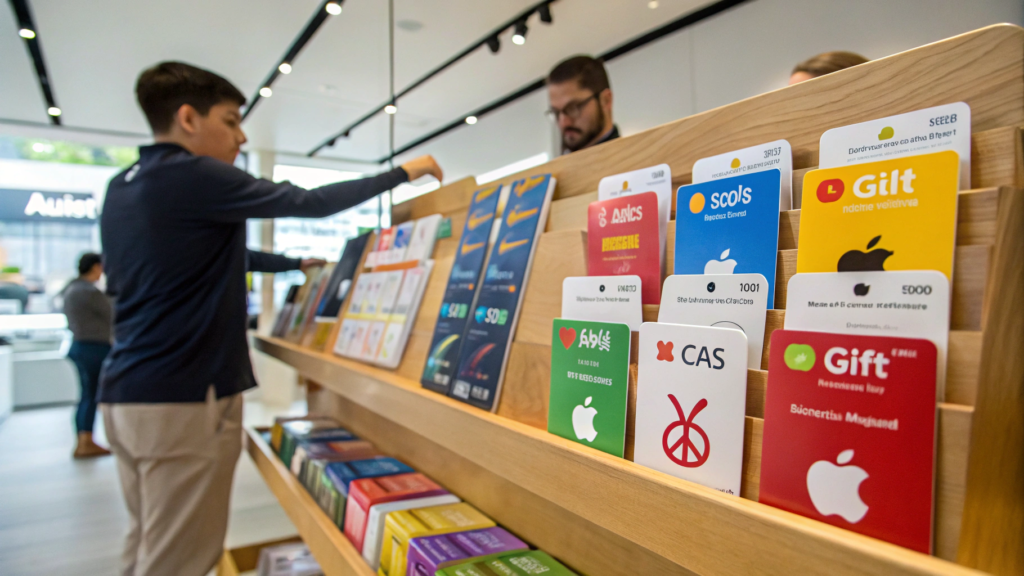
In my experience, a gift card is more than a "last-minute" gift option. It is a relationship engine. When I founded Latitude, I realized that gift cards allow a brand to receive cash today for a sale that happens tomorrow. This is great for cash flow. For a marketing manager like Jacky, this means he can run campaigns that pay for themselves instantly. The system works because it relies on deferred redemption. The money stays in the business until the customer chooses to use it. This gives the business time to prepare and manage inventory.
I often help my clients design gift card programs that segment different use cases. You can have cards for corporate rewards, seasonal gifts, or even employee incentives. This modular approach makes the program much more effective. We also focus on digital delivery2. Instant fulfillment is key for the modern buyer. A digital card is fast, eco-friendly, and easy to track. By connecting these cards to a loyalty program, you can turn a simple gift into a reason for the customer to come back again and again.
Why is the Ecosystem Design Critical for Success?
The best gift card programs are not stand-alone. They are part of a larger ecosystem. This means the card should work across all your sales channels, whether online or in a physical store. I always tell Jacky to look at the data. Gift cards provide a lot of information about who is buying and who is receiving. You can use this data to send personalized follow-ups. If someone hasn't used their card in six months, a small reminder or a special offer can bring them back. This is how you convert a one-time recipient into a loyal fan.
| Feature | Physical Gift Cards | Digital (e-Gift) Cards |
|---|---|---|
| Delivery Speed | Requires shipping or in-store pick-up | Instant via email or SMS |
| Production Cost | Higher (Printing and materials) | Very Low (Software based) |
| Eco-Impact | Plastic or paper waste | Zero waste |
| Customer Use | Tangible, good for physical events | Great for last-minute and remote gifts |
Do Businesses Actually Make Money Off of Gift Cards?
Do you think gift cards only make money when people forget to use them? That is a dangerous myth. The real profit comes from the extra spending and repeat visits they drive.
Yes, businesses make money through "lift" (spending more than the card value), improved cash flow, and breakage (unredeemed funds). Research shows most recipients spend 20% to 50% more than the card's original balance, turning a simple gift into a higher-value sale.
I have watched many business owners focus only on "breakage." Breakage is the money left on cards that are never used. While this is free money for the business, I believe it is a bad goal. If a customer doesn't use the card, they don't experience your brand. My view is that the real profit comes from "the lift." When I give someone a $50 gift card to a nice restaurant, they usually spend $75 or $100. They see the $50 as a discount, so they are more likely to order an extra appetizer or a dessert. This up-spend is where the real margin is made.
Furthermore, gift cards bring in new customers at a very low cost. If Jacky sends a gift card to a potential corporate client, that client is now incentivized to try the service. This is a "low-friction" acquisition tool. The business gets paid upfront, and then they get a chance to impress a new person. This is why tracking your redemption rates is so important for forecasting. You want people to use the cards so you can build a long-term relationship. A gift card that stays in a drawer is a wasted opportunity to show off your quality. We help our clients manage this process by choosing the right materials and design to make the card feel valuable and worth using.
How Does Cash Flow Benefit from Gift Card Programs?
Cash flow is the lifeblood of any small or mid-sized company. Gift cards provide interest-free capital. When a customer buys a $100 card in December but doesn't use it until June, the business has that $100 to use for six months. They can use it to buy more stock, pay for marketing, or improve their store. For Jacky, this means he has more budget to work with during busy seasons. It is a very stable way to grow. When you combine this with the "lift" from the final sale, the return on investment is much higher than almost any other promotion.
| Revenue Type | Definition | Benefit to Business |
|---|---|---|
| Up-spend (Lift) | Customer spends more than card value | Increases total sales volume and margin |
| Upfront Cash | Money received before product is given | Provides immediate working capital |
| Breakage | Unredeemed card balances | Direct profit (after legal requirements) |
| Acquisition | New customers trying the brand | Lowers the cost of getting new clients |
Why Do Companies Want You to Buy Gift Cards So Badly?
Have you ever wondered why every major brand pushes gift cards at the checkout? It isn't just for a quick sale. They are building a long-term data and loyalty engine.
Companies want you to buy gift cards because they act as a high-intent acquisition tool, bringing in new customers who are 70% more likely to return. They provide valuable data, ensure future sales, and turn your customers into active brand ambassadors for their friends.
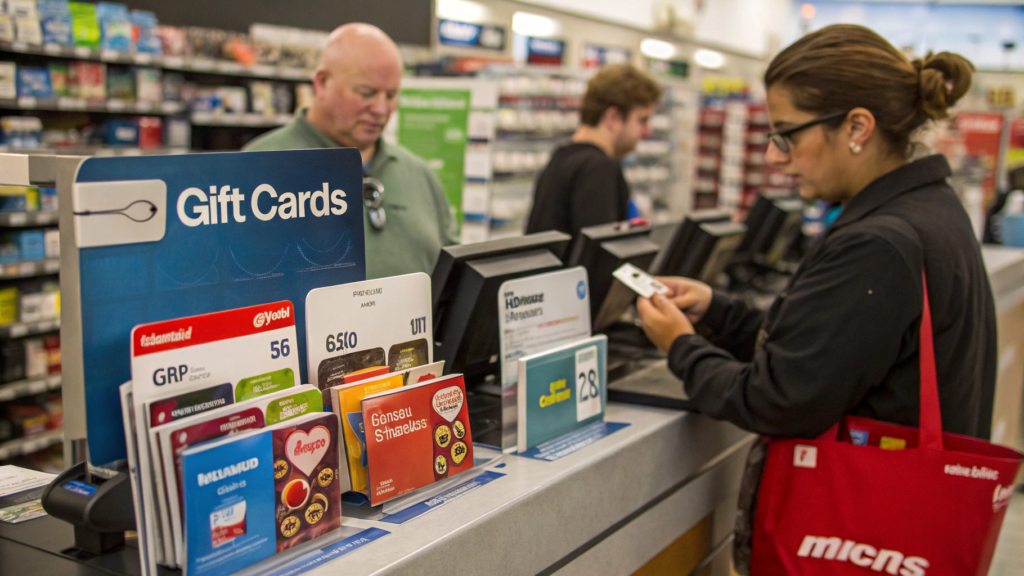
I always explain to my team that a gift card is a recommendation in a physical or digital form. When you buy a gift card for a friend, you are telling them, "I trust this brand, and I think you will too." This is the most powerful marketing there is. Companies love this because they don't have to spend money on ads to reach that new person. The customer did the work for them. For a marketing manager like Jacky, this is a dream. He can track who gave the gift and who used it, which creates a map of his best customers.
Also, gift cards lock in future sales. In a competitive market, a gift card ensures the customer will choose you over a competitor. They already have the money sitting there. This "lock-in" effect is why brands offer bonuses like "Buy a $100 card, get a $20 card free." They are willing to give away a little bit of value to ensure you come back. It turns a one-time shopper into a repeat visitor. In my view, the business of gift cards is less about plastic and more about turning one-time intent into long-term engagement. It is a way to build a community around your brand.
How Do Gift Cards Improve Customer Loyalty?
Loyalty is hard to earn but easy to keep with the right tools. When a gift card is integrated into a loyalty app, it becomes a permanent part of the customer's phone. They see your logo every time they open their wallet app. This constant brand exposure is very valuable. We work with Jacky to ensure the design of the cards—even digital ones—is clean and professional. This reinforces the brand's identity every time the card is viewed. A well-designed gift card program makes the customer feel like they are part of an exclusive club. This is how you move away from being a "last-minute option" and become a strategic choice for your most loyal followers. This model scales sustainably because it is built on mutual value and trust.
| Strategic Goal | Gift Card Role | Outcome |
|---|---|---|
| Market Reach | Acts as a portable brand ambassador | Reaches new audiences organically |
| Data Collection | Tracks spending habits and preferences | Allows for personalized marketing |
| Sales Stability | Guarantees future visits and traffic | Smoothes out seasonal slow periods |
Conclusion
A gift card business3 is a powerful tool for cash flow, customer acquisition, and long-term loyalty. By focusing on trust and strategic ecosystem design, you turn simple credits into lasting brand relationships.
-
Find out how corporate reward programs leverage gift cards to enhance employee motivation and engagement. ↩
-
Explore the advantages of digital gift cards and how they cater to modern consumer preferences. ↩
-
Explore this resource to understand the fundamentals of gift card businesses and their operational mechanics. ↩