How Useful Are Paper Bags with Handles, and Why Are They a Key Branding Asset?
Are you still using flimsy paper bags without proper handles? This poor experience makes carrying difficult and limits the bag's lifespan.
Paper bags with handles are highly useful; they function as "micro-infrastructure" that blends ergonomics, brand visibility, and sustainability. Their real value lies in their structural durability, which encourages reuse. A well-constructed bag with strong handles and reinforced gussets becomes a reliable carrier and a walking advertisement, increasing your brand's exposure far beyond the initial purchase.
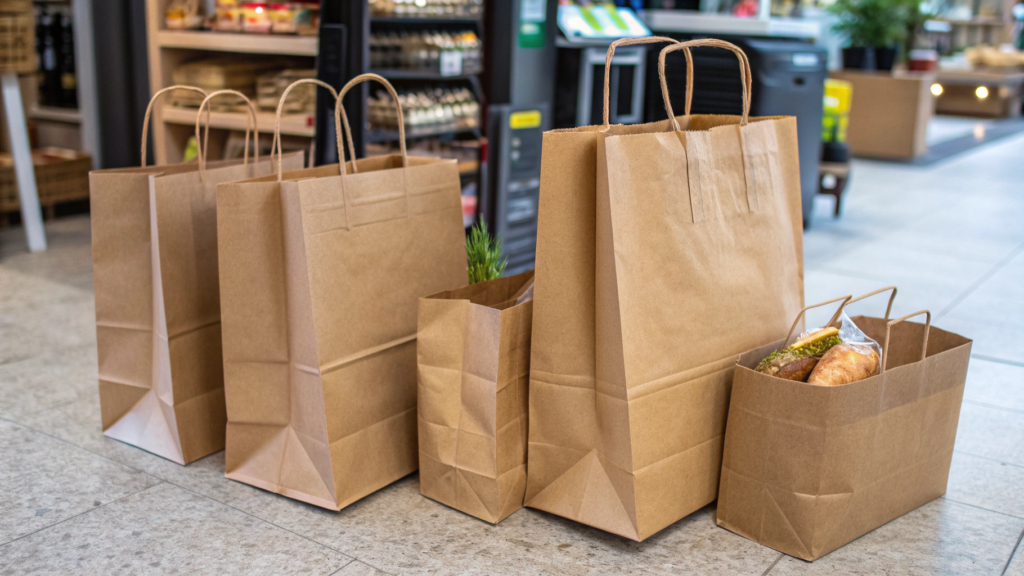
I have always seen the paper bag with handles as a fundamental part of the retail experience. It is the bridge between the store and the customer's home. If the handles snap on the way to the car, the customer's good feeling about the purchase is instantly ruined. I realized that the usefulness of a bag is not just about its material. It is about how long it lasts and how often it gets reused. The best bags are designed for repeated use, not just for a single checkout moment. This design mindset turns the bag into a reusable asset. I help brands understand that investing in strong paper-rope handles and heavier kraft paper is an investment in their reputation. Let me explain the real benefits and the crucial factors that determine the usefulness of paper bags with handles.
What are the benefits of paper bags, and how does the handle add value?
Do you view paper bags only as a recyclable alternative to plastic? This overlooks their crucial marketing and functional advantages.
The main benefits of paper bags are their recyclability, biodegradability, and premium aesthetic. The addition of strong handles transforms the bag's utility, making it easier and more comfortable for the customer to carry products. This improved ergonomics encourages repeated use, extending the bag's visibility1 as a brand touchpoint and enhancing the perceived value of the product inside.
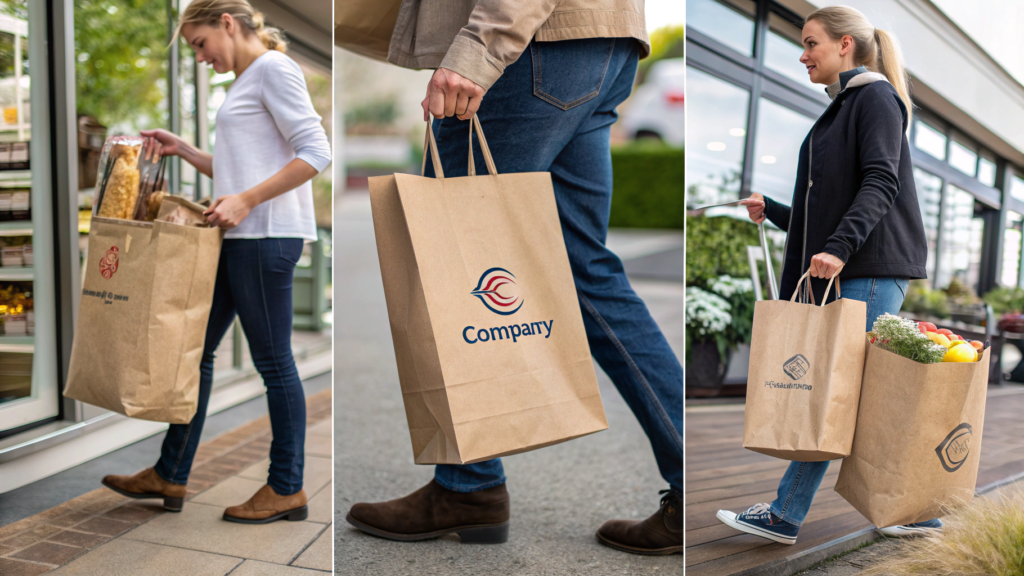
A paper bag without a handle is often just a sleeve. It is hard to carry and easily slips. The handle is a simple addition, but it multiplies the bag's functional value. It shows a level of thoughtfulness from the brand.
Ergonomics and Ease of Carry
The primary value added by handles is ergonomic. Carrying a purchase by a sturdy paper-rope or flat-ribbon handle is much easier than clutching the top of a fold-over bag. This comfort is crucial for customers carrying multiple items or walking long distances. This seemingly small detail improves the overall customer experience. A comfortable carrying experience means the customer associates your brand with convenience. This positive association is subtle but powerful marketing.
Aesthetics and Premium Feel
Paper bags naturally offer a high-quality, authentic aesthetic, especially when using natural kraft paper. The addition of well-designed handles—like thick twisted paper cord or fabric ribbon—elevates the bag from packaging to a presentation device. This premium look is important for high-end retail and corporate gifting. It suggests that the brand cares about the details. This perception is critical because the bag is the last physical impression your store makes on the customer.
Branding and Visibility
The handle attachment points often feature reinforced paper patches. These patches provide additional structure and stability. This reinforcement is key because it prevents the bag from tearing at the stress points. This increased durability2 means the bag lasts longer. A bag that lasts longer is a bag that is carried more often. This constant, repeated carrying turns the bag into a walking advertisement for your brand, increasing exposure in the public space.
| Benefit Category | Handle Contribution | Impact on Brand |
|---|---|---|
| Ergonomics | Easy, comfortable carrying | Improves customer experience, builds positive association |
| Durability | Prevents tearing at stress points | Increases bag lifespan and reuse rate |
| Aesthetic | Lifts bag from packaging to presentation | Enhances perceived quality and premium feel |
Can you recycle paper bags with handles, and what design choices hinder recycling?
Are you worried that adding handles ruins the bag's recyclability? You must specify the right handle material to maintain your eco-friendly promise.
Yes, you can recycle paper bags with handles, provided the handle material is also paper-based (like twisted paper cord or flat paper ribbon) and properly attached. However, the bag becomes difficult to recycle if you use non-paper materials like thick plastic coatings, wax finishes, or certain fabric/rope handles. Designers must use water-based inks and avoid non-recyclable coatings to ensure the bag can break down easily in standard paper recycling streams.
I have seen many brands undermine their sustainability claims with one small design error. They choose a recycled paper bag but then use a glossy plastic coating or a nylon handle. This creates hybrid waste. The recycling plant cannot easily separate the materials. This means the entire bag often ends up in the landfill.
Handle Material: The Make-or-Break Factor
For maximum recyclability, the best handle choice is twisted paper cord or flat paper ribbon. These handles are made of the same fiber as the bag itself. They are easily processed at a recycling facility without being separated. A good supplier ensures the glue used to attach the handles is also water-soluble. Avoid handles made of thick rope, plastic tubing, or non-biodegradable fabric unless they can be easily detached by the consumer. Providing clear instructions to cut off any fabric handles is a responsible step if that handle type is necessary for a premium look.
Coatings and Finishes
Another common problem is the finish. A high-gloss finish often means a plastic or UV coating has been applied to the paper. While this makes the bag water-resistant, it complicates the recycling process. The chemicals interfere with the paper pulping process. I always recommend an uncoated or a simple matte varnish. The unbleached kraft paper itself offers a low-tech, authentic look that rarely requires a glossy coating. This honest approach supports a credible sustainability story.
Clear End-of-Life Design
A good supplier designs the bag with its end-of-life in mind. This means using water-based inks for printing, as they separate more easily from the paper fibers during recycling. It also means the brand should print simple, clear recycling instructions on the bottom of the bag. Telling the customer exactly what to do with the bag is part of the brand's responsibility. It completes the environmental commitment.
| Design Element | Impact on Recycling | Best Choice for Sustainability |
|---|---|---|
| Handle Type | Non-paper handles cause contamination | Twisted paper cord or flat paper ribbon |
| Surface Finish | Plastic coatings impede pulping | Uncoated kraft or simple matte varnish |
| Printing Ink | Heavy metal inks interfere with process | Water-based inks and minimal coverage |
Which type of bag is the most environmentally friendly, and how does reuse factor in?
Are you trying to choose between all the different eco-friendly options—paper, reusable fabric, or compostable plastic? The answer depends on the crucial metric of reuse.
The most environmentally friendly bag is the one that is reused the most number of times. While paper bags are highly recyclable and biodegradable, a single-use paper bag is not as green as a fabric tote reused 100 times. However, a well-constructed paper bag with handles can be reused many times. It becomes more environmentally friendly than a heavy cotton tote that requires significantly more energy to manufacture but is only used once or twice.
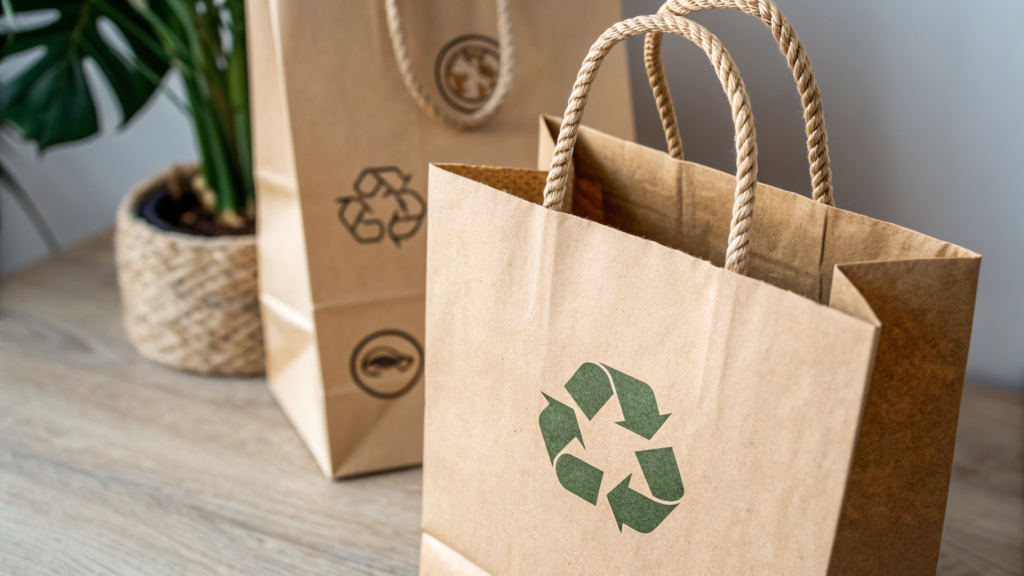
I have spent many hours researching the lifecycle of packaging. The idea that one material is always superior is a myth. The final determination of a bag's environmental impact is the number of times it is used before disposal. This makes user behavior the most important factor in the equation.
The Energy Cost of Manufacturing
Heavy fabric bags, like those made from thick cotton canvas, require huge amounts of energy and water to produce. Studies show that a cotton tote must be reused hundreds of times to offset its higher manufacturing impact compared to a single-use paper bag. This is rarely achieved. A paper bag has a lower impact during manufacturing than a heavy fabric bag. Therefore, if your paper bag is reused five or six times, it quickly becomes a better environmental choice than a fabric bag that sits unused in a drawer.
The Role of Durability in Sustainability
This is where the usefulness of the handle and construction comes in. The paper bag's durability is directly tied to its sustainable value. A flimsy bag fails after one use. This makes its environmental impact high. A paper bag with high-quality, heavier kraft paper (120 GSM) and strong handles is durable enough for several uses, often holding groceries or being used for storage. This increased functional lifespan is what closes the environmental gap between paper and multi-use fabric.
Prioritizing User Behavior
Brands must encourage and incentivize the customer to reuse the bag. This can be done by providing a discount when the customer brings the bag back to the store. It can also be done by making the bag beautiful and high-quality enough that the customer wants to reuse it. This design-for-reusability3 approach is the core of sustainable corporate gifting. It is the best way to ensure your paper bags with handles are the most environmentally responsible choice for your business.
Conclusion
Paper bags with handles are highly useful branding tools. To maximize their impact, specify a heavier, recyclable kraft paper and sturdy paper-rope handles, designing the bag for guaranteed repeated use.