How Do I Ensure My Custom Ink Shirts Look Professional and Last for Years?
Are you confused about the best printing method for your custom t-shirts? Choosing the wrong technique can lead to faded logos and a cheap, unprofessional look.
To ensure your custom shirts look professional and last, you must match the printing technique to your design and fabric. Screen printing is ideal for simple, bulk orders on cotton, offering excellent durability. For complex, full-color designs on synthetic fabrics, techniques like sublimation (infusible ink) or high-quality digital printing are better. Always prioritize a method that bonds the ink strongly, preventing cracking or fading over time.
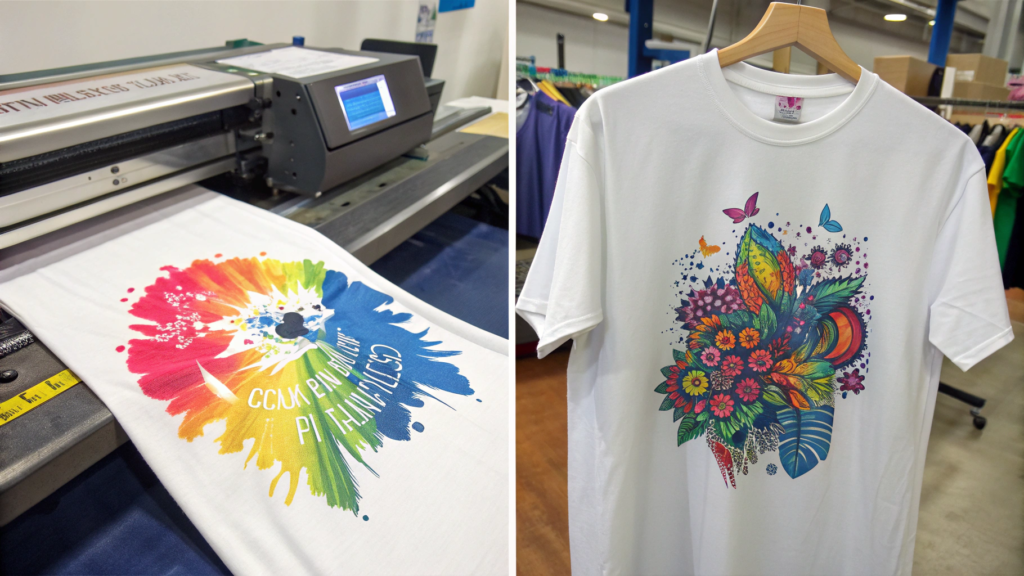
I have learned that creating a great custom shirt is not about the design alone. It is about the science of the ink and the fabric. When I started my journey in the printing factory, I saw many beautiful designs ruined by poor printing choices. The wrong ink choice means your brand's logo fades after just a few washes. This failure reflects badly on your company. I help businesses understand that a custom shirt is an investment in brand visibility. It must last. You need a trusted partner who knows the technical differences between printing methods. This knowledge is what guarantees a shirt that maintains its quality and message for a long time. Let me break down the most common custom printing questions you should ask.
How does a supplier make custom shirts, and which method is best for durability?
Do you feel overwhelmed by all the different terms like screen printing and digital printing? Not knowing the method means you cannot choose the most durable option.
Suppliers use several methods to make custom shirts, including screen printing, direct-to-garment (DTG) printing, and heat transfer1 (like vinyl or sublimation). Screen printing is typically the most durable method for bulk orders with simple color designs on cotton, as it layers thick, long-lasting ink. DTG is better for complex, full-color, small orders. Matching the method to the fabric and order size is key to ensuring longevity.
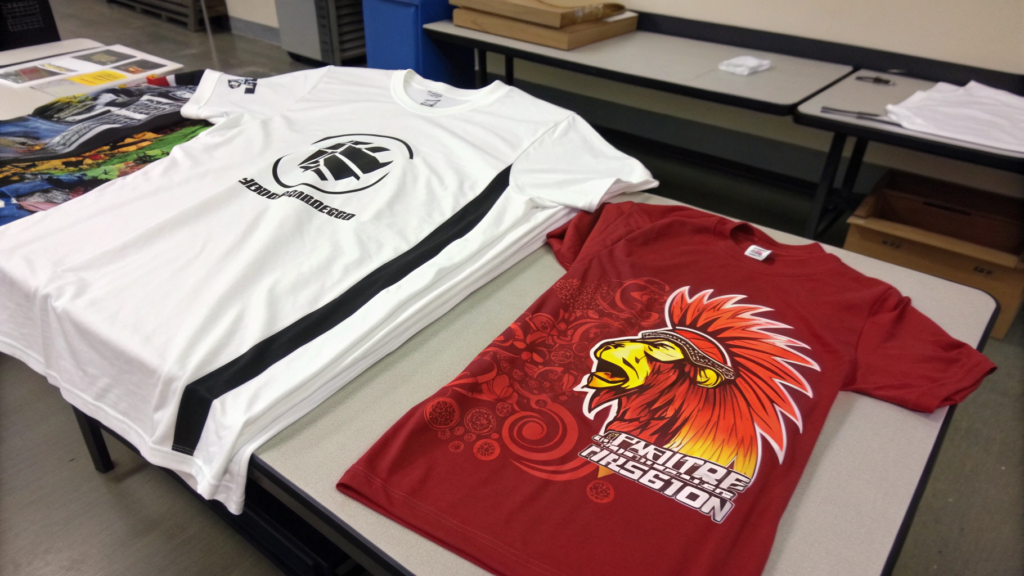
When I was hands-on in the factory, I quickly learned that the final product's quality depends on the production method. There is no single "best" method. There is only the best method for your specific project. I often compare it to cooking. You would not use the same tool for baking a cake and grilling a steak.
Screen Printing: The Workhorse of Durability
Screen printing is the oldest and most reliable method for apparel. It involves pushing ink through a fine mesh stencil onto the fabric. This method lays down a thick layer of ink. This thick layer makes the color vibrant and the print extremely durable. The printed area can withstand hundreds of washes without fading or cracking. Screen printing works best for orders over 20 units. It is perfect for designs with one to four colors. If your brand needs a long-lasting, heavy-duty shirt for staff or events, screen printing2 on a high-quality cotton shirt is the top choice for durability.
Direct-to-Garment (DTG) Printing: Detail and Flexibility
DTG is like an oversized inkjet printer for fabric. It sprays the design directly onto the shirt. This method can reproduce complex, full-color images and detailed gradients. It is excellent for small orders or one-off designs. The print is soft to the touch because the ink soaks into the fibers. The downside is that DTG prints are not as durable as screen prints. They can fade faster over time and are sometimes limited by the fabric type. For dark shirts, a white base layer is needed. This adds a slight cost and stiffness. You must weigh the need for high detail against the need for extreme durability.
Heat Transfer/Sublimation: Best for Synthetics
These methods use heat and pressure. Heat transfer vinyl (HTV) is a material cut into the design and pressed onto the fabric. Sublimation (infusible ink) turns a solid dye into a gas. This gas permanently bonds with the polyester fibers. Sublimation is the best method for printing on athletic, synthetic, or blended fabrics. It is very durable because the dye becomes part of the fabric. It will never crack or peel. However, sublimation only works well on light-colored polyester. This makes the choice of base shirt critical.
| Printing Method | Ideal Order Size | Best Fabric Type | Durability Score |
|---|---|---|---|
| Screen Printing | Bulk (20+ units) | 100% Cotton, Heavy Blends | Highest (Thick, long-lasting ink) |
| DTG (Direct-to-Garment) | Small (1–15 units) | 100% Cotton, Smooth blends | Good (Ink soaks into fibers) |
| Sublimation | Any size | Polyester or High-Poly Blends | Excellent (Dye bonds permanently) |
Do custom shirts bleed, and what causes ink colors to run in the wash?
Are you worried about the colors on your new shirts mixing or blurring when washed? Bleeding ink ruins the crisp look of your design.
Custom shirt ink bleeds when the ink quality is low, the wrong ink is used for the fabric, or the curing process is insufficient. Bleeding often occurs when printing light colors over dark shirts without a proper underbase. To prevent bleeding, suppliers must use high-quality, textile-specific inks and ensure the print is cured correctly at the required temperature. This setting makes the ink stable and prevents it from running.
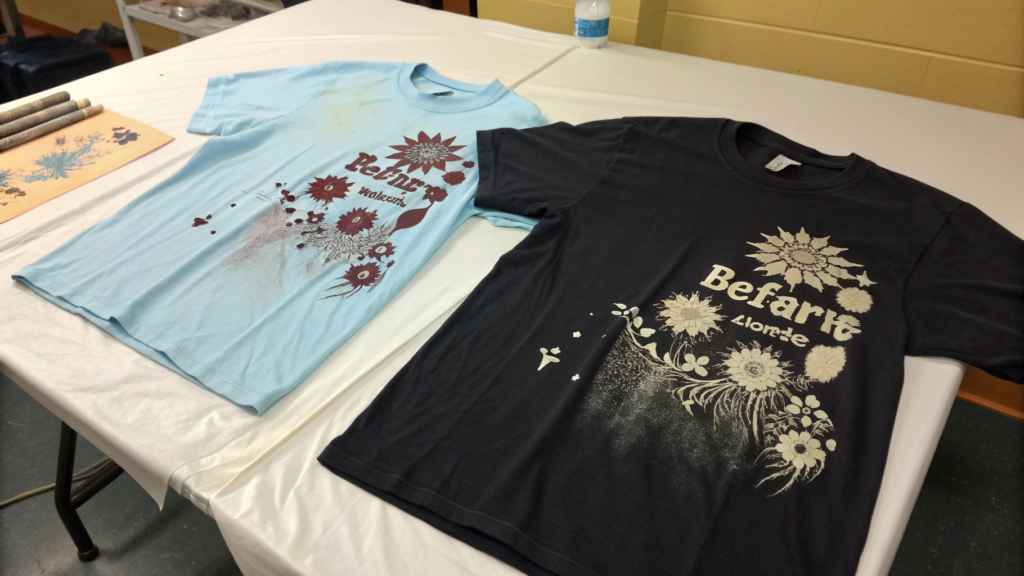
I have seen the disaster of ink bleeding many times. A beautiful white logo suddenly looks pink because it bled into a red shirt. This is a common failure. It is almost always a result of shortcuts in the production process. The print looks good coming off the machine, but it fails in the customer's washing machine.
The Science of Ink Curing
The most common reason for ink bleeding or fading is improper curing. Curing is the final, crucial step where the shirt is heated to a high temperature. This heat makes the ink bond permanently with the fabric fibers. For plastisol screen printing ink, the required temperature is around 320°F ($160^\circ\text{C}$). If the shirt is cured too quickly or at too low a temperature, the ink remains unstable. This unstable ink will wash out or bleed into the fabric's base color when it gets wet. You must ask your supplier about their curing process and quality control checks. A reliable supplier ensures every print passes a stress test before it leaves the factory.
Printing on Dark Garments (Underbase)
Printing a light color, like white or yellow, onto a dark shirt, like black or navy, requires an underbase. The underbase is a layer of white ink printed first. This white layer acts like a primer coat on a wall. It provides a solid, opaque foundation for the final color. If the underbase is too thin or is not properly cured, the dark color of the shirt will show through the final color. This causes the color to look dull, or it causes the top color to absorb the dark shirt's dye. This is known as dye migration. A good supplier uses a high-opacity underbase ink and cures each layer properly before applying the next one. This step prevents the colors from mixing and maintains the design's crispness.
Fabric Type and Ink Compatibility
Different fabrics require different inks. For 100% cotton, standard plastisol or water-based inks work well. For polyester and synthetic blends, special low-bleed inks are necessary. Polyester dyes are unstable. They can vaporize under heat and contaminate the top layer of ink. Low-bleed inks are designed to cure at a lower temperature. This lower temperature prevents the polyester dye from turning into a gas. This technical detail is something a skilled printer manages. It is a detail that protects your brand's color integrity.
How many washes does infusible ink last, and is it a high-durability3 option?
Are you interested in the modern look of "infusible ink" but worried about its longevity? You need to know if this method is worth the investment.
Infusible ink, which is a common name for sublimation dye, lasts the entire lifetime of the garment. It is an extremely durable option because the dye converts into a gas and becomes a permanent part of the polyester fibers, not just a layer on top. The design will never crack, peel, or fade, making it one of the longest-lasting prints available. Its lifespan is limited only by the life of the shirt itself.
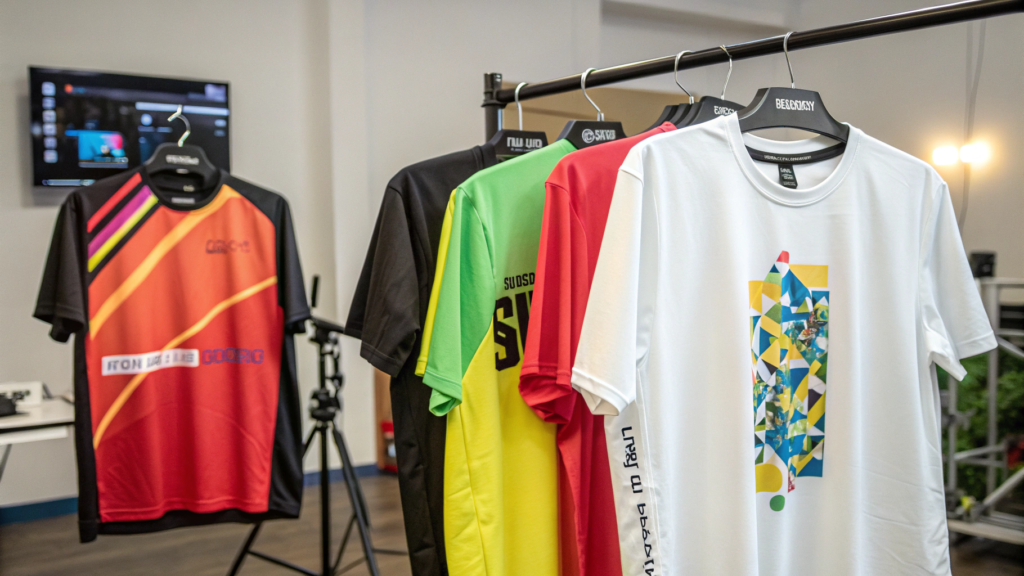
Sublimation, or infusible ink, is a technology I fully support for certain projects. It offers a kind of durability that traditional printing cannot match. The moment the dye bonds with the fabric, the design is permanent. This is an important factor for corporate apparel that sees heavy use.
The Permanent Bond of Sublimation
Infusible ink is dye sublimation. When heat is applied, the solid dye turns directly into a gas. This gas permeates the synthetic fibers and solidifies inside the material. Since the image is literally in the shirt, you cannot feel the design on the surface. It is completely smooth. This makes the shirt extremely comfortable to wear. Since the ink is part of the fabric, it cannot wash out. It will not crack when the shirt stretches. This is a huge advantage for athletic wear or highly active corporate events.
The Polyester Requirement
However, sublimation has a major limitation. It only works on polyester fabrics or items that have a special polyester coating. The dye needs the synthetic polymers to bond with. It will not work on 100% cotton. If you use a cotton/poly blend, the dye only bonds with the polyester fibers. This results in a faded, vintage look. The more cotton in the blend, the lighter the print will be. Therefore, if you choose infusible ink, you must choose a garment that is at least 65% polyester. This is a non-negotiable requirement for achieving a vibrant, permanent print.
Fade Resistance and Care
Because the dye is permanent, infusible ink designs are highly resistant to fading from washing. They also hold up better against UV sunlight compared to some surface inks. I recommend washing sublimated shirts in cold water and tumble drying low. Even though the print is permanent, high heat can still degrade the polyester fibers over time. Overall, for any client who needs a vibrant, complex, and lifelong design on performance wear, infusible ink is the most durable solution available today. It is a worthwhile investment because the print will not fail before the shirt does.
Conclusion
The best custom shirt requires matching the printing method, like durable screen printing or permanent sublimation, to your fabric and design. This ensures the design lasts as long as the shirt, giving your brand maximum exposure.
-
Discover the heat transfer method, its applications, and why it's suitable for certain fabrics. ↩
-
Explore the details of screen printing, the most durable method for custom shirts, and understand its advantages. ↩
-
Find out what makes a custom shirt durable and how to choose the right printing method. ↩