Custom Logo T-Shirts: How Do You Ensure Quality and Longevity?
Are you tired of custom logo t-shirts that look great before the first wash but quickly fade or crack? Buying based on visuals alone is a costly mistake.
To ensure a custom logo t-shirt has quality and longevity, you must look beyond the artwork and evaluate the fabric, the printing technique, and the overall construction. A high-quality shirt should feature a durable print that won’t crack and a fabric that maintains its shape and color after repeated washing, ensuring it remains a strong representation of your brand.
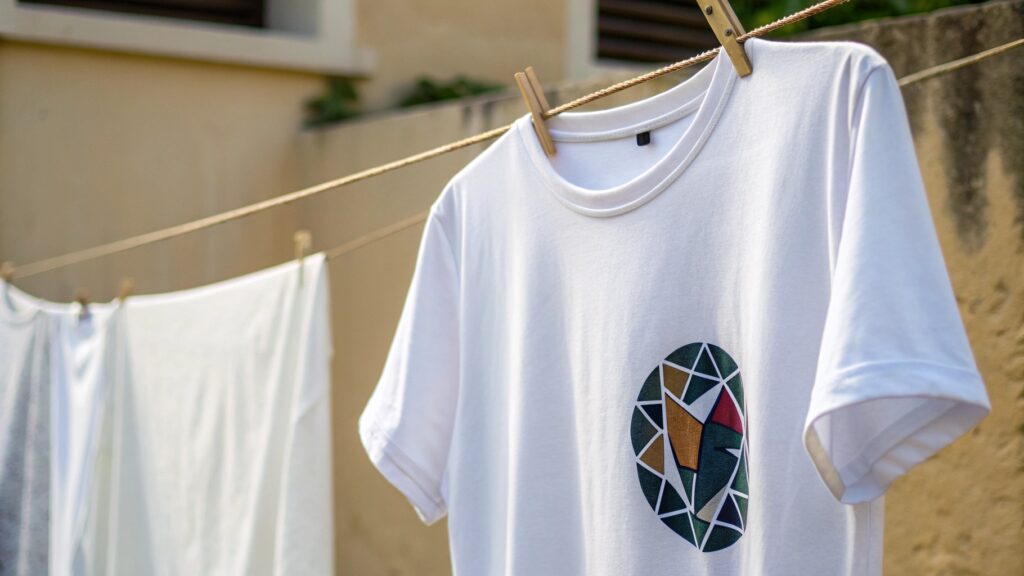
My years, starting from the printing factory floor, showed me that a great T-shirt is about much more than just a logo—it’s a piece of wearable identity. Most people make the mistake of buying based on visuals alone. The smarter way, the way I learned, is to buy by intention. We need to look at the story, fabric, and longevity. Now, let’s explore the essential factors that separate a lasting custom T-shirt from a disposable one.
How Can I Tell if a Custom T-Shirt is Truly High-Quality?
Do you struggle to distinguish a premium, lasting T-shirt from a cheap, fast-fashion item when ordering custom apparel? Low quality reflects poorly on your brand.
You can tell if a custom T-shirt is high-quality by examining the fabric weight1 (usually $5-6$ oz cotton is good), checking the stitch density and seams for consistency, and confirming the use of pre-shrunk cotton. A premium shirt should feel solid, drape well, and have tightly stitched collars and hems that resist warping.

Evaluating T-shirt quality goes beyond just feeling the material. It requires a critical eye, the kind I developed over time. When I evaluate a T-shirt for a client, I focus on three core areas. First, the Fabric Composition and Weight. We must ask if the fabric matches the purpose. For daily wear, I often recommend $100\%$ combed and ring-spun cotton because it is breathable and soft. For better drape and durability, especially for promotional events, a cotton-poly blend (like $60\%$ cotton/$40\%$ polyester) offers the best of both worlds. The weight, often measured in ounces (oz), is key; I look for at least $5$ oz for a good, durable tee. Second, inspect the Construction. High-quality shirts have tighter stitching and smooth, even seams. Check the collar; a well-constructed collar should be ribbed and sit flat, resisting the dreaded "bacon neck" effect after washing. Third, consider the Pre-Shrunk Factor. An un-shrunk cotton T-shirt will change size dramatically. Always confirm the fabric is pre-shrunk. This attention to structural quality ensures the garment lasts, which is crucial for a marketing manager like Jacky who needs his corporate gifts to maintain a professional appearance. Choosing a graphic tee with both aesthetic value and structural quality is how you curate your brand's image effectively.
| Quality Indicator | What to Look For | Why It Matters for Longevity |
|---|---|---|
| Fabric Type | Combed, ring-spun cotton or balanced cotton-poly blend2 | Softer hand-feel and better resistance to pilling |
| Fabric Weight | $5$ oz or higher (for a standard tee) | Feels substantial, less prone to tearing and getting holes |
| Stitching/Seams | Even, straight, and tight stitching; Reinforced shoulders | Prevents seams from unraveling and the shirt from losing shape |
By focusing on these structural elements, you ensure that the T-shirt is not just a cool print but a durable piece of apparel.
How Do I Get a High-Quality Graphic Design onto a Shirt Effectively?
Are you struggling to choose the best method to apply your custom logo, worried about the graphic peeling or fading quickly? The wrong method ruins a great design.
Getting a high-quality graphic onto a shirt involves choosing the correct application method based on design complexity, fabric type, and order volume. Options include screen printing for bold, durable designs and large volumes, or Direct-to-Garment (DTG) printing for complex, full-color images and smaller orders, ensuring the final print won't crack or fade prematurely.
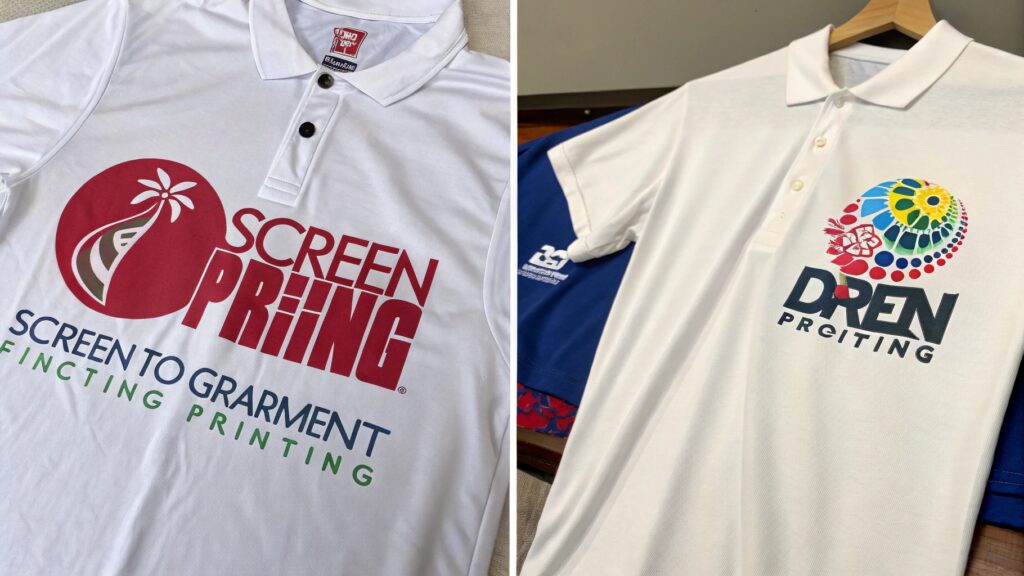
Choosing the right application method is crucial because the print technique determines the longevity and look of the graphic. The graphic tee should feel like a conversation starter, and the print must not distract from the message by cracking. I have seen countless beautiful designs fail due to poor print choice. There are three main methods I rely on. First, Screen Printing3. This method is my gold standard for durability and vibrant colors. It involves pushing ink through a stencil screen. It works best for bold designs with a limited number of colors and is extremely cost-effective for large batches. The print is thick and extremely tough. Second, Direct-to-Garment (DTG) Printing. Think of this as a giant inkjet printer for shirts. It is perfect for complex, full-color, photorealistic designs and excels in small to medium-sized orders. The ink is absorbed by the fibers, resulting in a softer feel. Third, Embroidery. While not a print, it offers the highest perceived quality and longevity for smaller logos, such as on the chest or sleeve. My experience tells me the ultimate choice depends on the design complexity and required wear resistance. When ordering, you must always provide a high-resolution vector file (like AI or EPS) to ensure the print is crisp, regardless of the technique chosen. This technical detail is non-negotiable for a professional result.
| Application Method | Best Used For | Key Advantage |
|---|---|---|
| Screen Printing | Simple logos, high volumes, bright colors | Maximum durability; Cost-effective for bulk orders |
| DTG Printing | Complex graphics, photorealism, small orders | Unlimited color palette; Soft hand-feel; High detail |
| Heat Transfer (Vinyl) | Small runs, personal customization, athletic fabrics | Versatility across material types; Low setup cost |
Matching the application to the T-shirt's intention is the secret to a successful custom garment.
Which is Better: Heat Transfer or Screen Printing for Custom Logos?
Are you trying to decide between the cost-effectiveness of heat transfer and the reputation of screen printing for your custom logo t-shirts? The wrong choice can sacrifice either budget or quality.
Screen printing is generally better for custom logos on cotton T-shirts because it offers superior durability, a more professional appearance, and is more cost-effective for larger order volumes. Heat transfer (vinyl) is better suited for smaller, urgent orders, complex logos on synthetic fabrics (like jerseys), or where budget priority outweighs long-term print longevity.
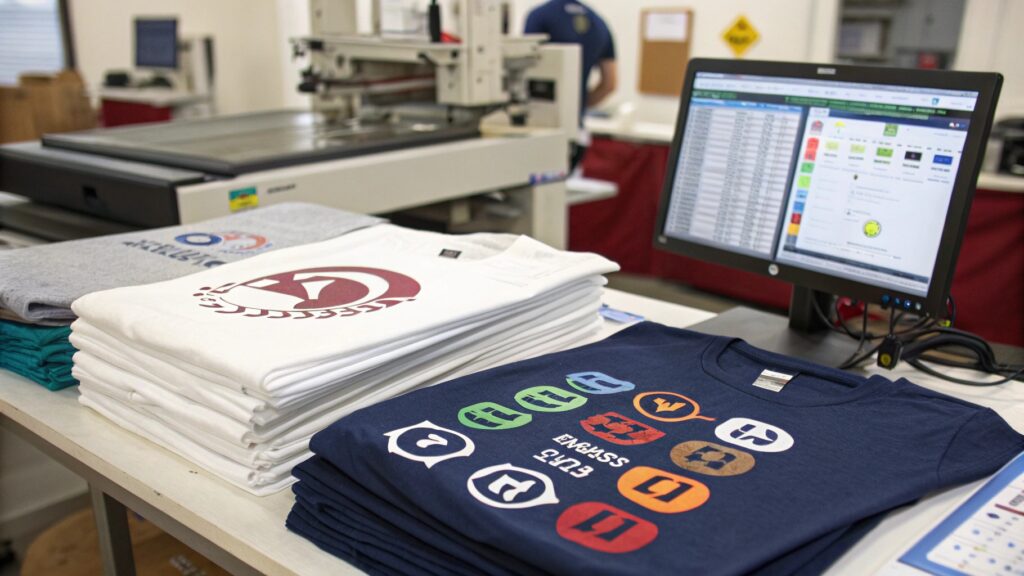
This is the most common question I get from clients starting their custom apparel journey. It is not about one being definitively "better" than the other; it is about which method is better for your specific need. When I discuss this with Jacky, I look at his goals. Screen printing uses liquid ink that cures directly into the fabric's fibers, creating an incredibly durable bond. This means the artwork won’t crack or peel easily—it's built for longevity and is ideal for custom corporate gifts that need to last. The downside is the high setup cost, which makes it expensive for small runs. Heat transfer (specifically Vinyl Heat Transfer, or HTV) involves cutting the design out of a colored vinyl material and applying it with heat and pressure. Its major advantage is a low setup cost and its ability to adhere well to synthetic materials that ink does not take to easily. However, the print sits on top of the fabric, making it prone to cracking and peeling over time, especially with frequent washing. Therefore, for corporate branding and quality promotional items, I almost always steer clients toward screen printing for that essential longevity and professional feel. For a small event or personalized team shirts, heat transfer is a fast, viable option.
| Feature | Screen Printing (Ink) | Heat Transfer (Vinyl) |
|---|---|---|
| Durability/Feel | Extremely durable; Ink is soft to the touch after curing | Less durable; Print feels like plastic and can peel or crack |
| Cost-Effectiveness | Excellent for large volumes (breaks even after $50-100$ shirts) | Excellent for small volumes (low setup cost) |
| Design Complexity | Best for limited colors (up to $6$ or $8$) and bold designs | Can use many colors if layers of vinyl are cut; Good for simple text/shapes |
Ultimately, the choice reflects your commitment to quality. For a lasting brand impression, screen printing is the safer, more professional investment.
Conclusion
A high-quality custom logo T-shirt requires a focus on fabric durability, sturdy construction, and choosing the right application technique like screen printing for a long-lasting, professional look.
-
Understanding fabric weight helps you choose durable T-shirts that maintain their shape and quality over time. ↩
-
A cotton-poly blend combines durability and comfort, making it perfect for promotional events. ↩
-
Screen printing offers vibrant colors and durability, making it ideal for bold designs and large orders. ↩