Would You Recommend Bullet Journaling?
Feeling overwhelmed by endless digital notifications and a scattered to-do list? Many people struggle to keep track of their daily tasks and personal goals in a fast-paced world.
I recommend bullet journaling because it is a flexible, manual system that builds intentional awareness. Unlike apps, it forces you to slow down and actively choose what matters. This helps you filter distractions and focus your energy on the priorities that truly deserve your time and space.
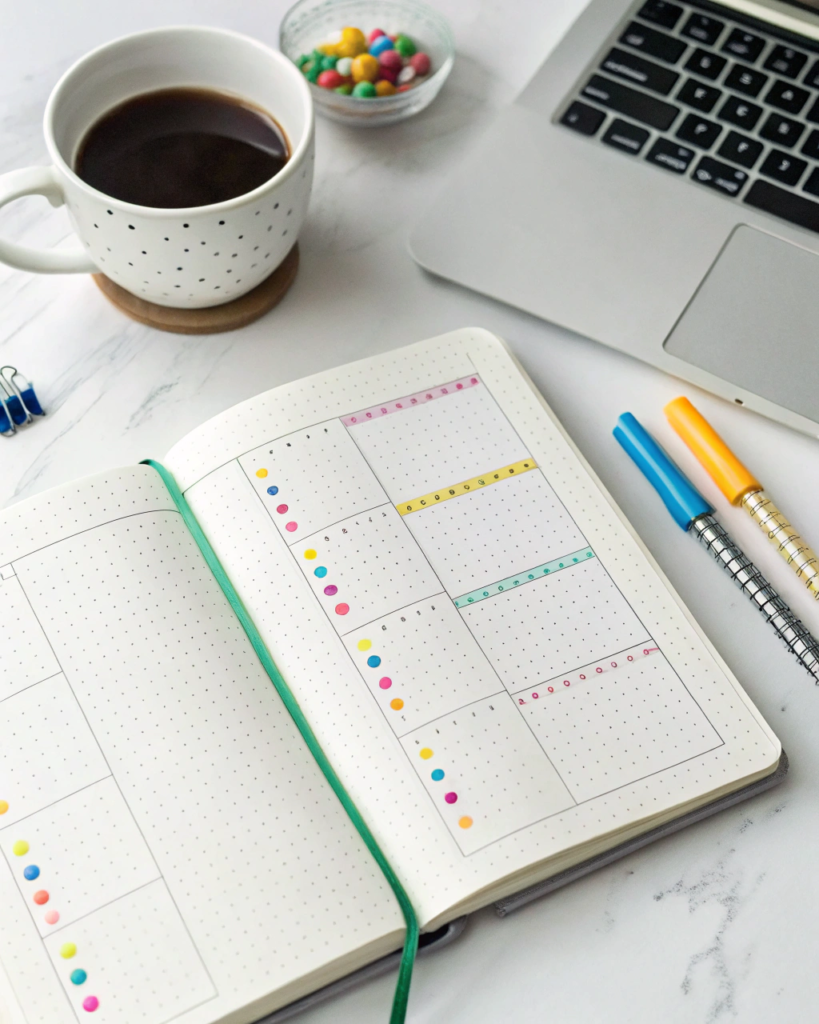
In my experience, digital tools move too fast. They remind us of everything, but they do not help us decide what is actually important. Moving to a paper journal changed how I view my day.
What Are the Benefits of Bullet Journaling?
Do you feel like your digital planner is just a long list of noise? It is easy to add tasks to an app, but it is much harder to actually finish them.
The main benefits of bullet journaling include improved focus, better memory retention, and complete flexibility. By writing tasks by hand, you engage your brain more deeply than typing. The system also grows with you, allowing you to track habits, projects, or thoughts all in one single place.

I believe the real power of this system is the manual act of "migration." When you have to rewrite a task by hand for the third time, you start to ask yourself why you haven't done it yet. Is it actually important? Or is it just clutter? This simple act of rewriting forces a level of engagement that apps often bypass. In my branding work, I see how easy it is to get lost in busywork. Bullet journaling acts as a filter for your attention. It creates a rare pause between your intention and your action. You stop being reactive and start being deliberate. It is not about being "busy"; it is about being productive on things that matter. The flexibility also means you don't need a new system every time your life changes. You just turn the page and start a new layout that works for your current needs.
| Benefit Category | Impact on Daily Life |
|---|---|
| Cognitive | Writing by hand improves your ability to remember and process information. |
| Emotional | Provides a dedicated space for reflection and "brain dumping" to reduce stress. |
| Practical | One notebook replaces your calendar, habit tracker, and scattered sticky notes. |
| Customization | You design the layout, so the system fits your brain instead of you fitting the system. |
Does Journaling Help with Bipolar Disorder?
Are you looking for a way to track your moods and recognize patterns in your mental health? Managing emotional shifts can be difficult without a clear record of your daily state.
Journaling helps with bipolar disorder by providing a consistent record of mood changes, sleep patterns, and triggers. This data helps individuals and doctors identify the start of manic or depressive episodes early. It serves as a grounding tool that offers a sense of control over one's mental well-being.
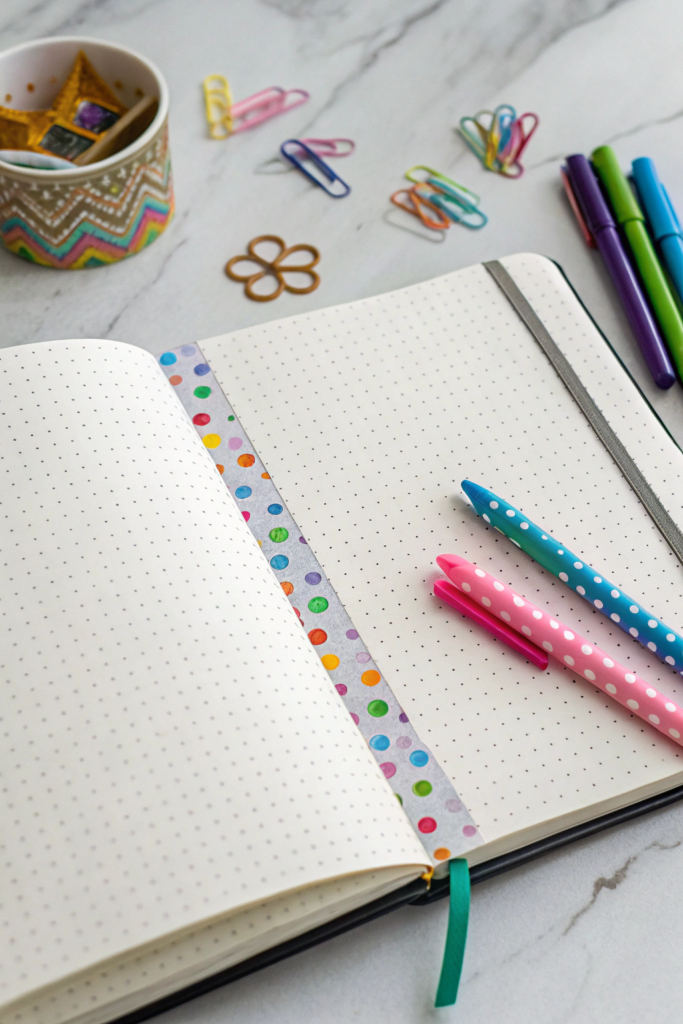
While I am a marketing manager and not a doctor, I have seen how structure helps anyone dealing with high stress or emotional swings. For someone with bipolar disorder, a bullet journal acts as an "external brain." During a manic phase, the journal can capture rapid thoughts and help the person see if they are taking on too much. During a depressive phase, a simple habit tracker can provide a small sense of achievement for basic tasks like drinking water or going for a walk. I think the key is keeping it simple. You do not need art or fancy pens. You just need a place to be honest. Writing down your feelings can take the weight out of your head and put it onto the paper. This creates distance between you and your emotions. It allows you to look at your day objectively. Over time, these pages become a map of your health that you can share with professionals to get better support.
| Tracker Type | Purpose for Mental Health |
|---|---|
| Mood Tracker | Visualizes emotional trends over weeks or months to see patterns. |
| Sleep Log | Monitors rest, as sleep changes are often the first sign of an episode. |
| Trigger List | Identifies specific events or people that cause stress or mood shifts. |
| Gratitude Log | Encourages a focus on positive moments, especially during low periods. |
Why Is Bullet Journaling So Popular?
Why do so many people share photos of their notebooks online? In a world of screens, there is a massive trend toward analog tools and slow living.
Bullet journaling is popular because it combines productivity with creativity and personal expression. It offers a tactile escape from digital burnout. Its "rapid logging" system is simple to learn, yet the blank pages allow users to create a unique system that feels personal and meaningful.
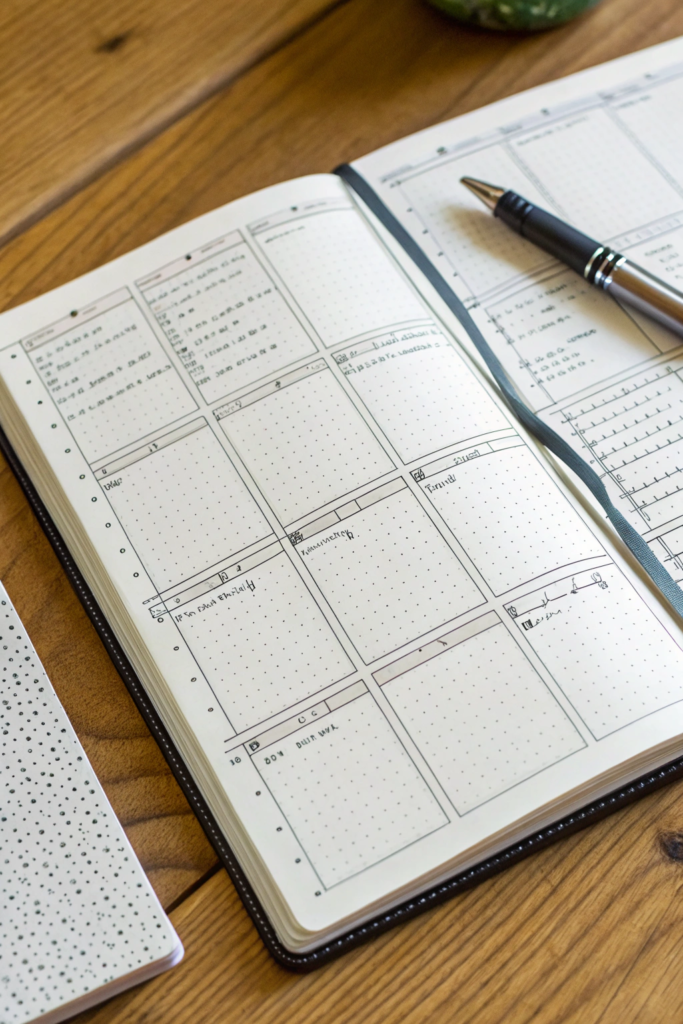
I think the popularity comes from the fact that we are all tired of screens. We spend our whole day on computers and phones. Having a physical notebook feels real and permanent. However, I often see people get intimidated by "aesthetic" journals on social media. They see elaborate drawings and feel they are not "artistic" enough. I want to tell you that the most effective journals are usually the simplest ones. They are filled with quick lists and messy notes. People love this system because it is "forgiveable." If you miss a week, you don't have empty, wasted pages like in a traditional planner. You just start on the next available line. This low pressure is why people stick with it long-term. It is a tool for real life, not a performance for the internet. It is popular because it works for everyone from students to busy professionals who need a clear head.
| Factor | Why It Appeals to People |
|---|---|
| Tactile Feel | The physical act of pen on paper provides a break from digital screens. |
| No Rigid Rules | You can change your layout every day if you want to. |
| All-in-One | It holds your work life and your personal life in a single place. |
| Visual Progress | Seeing a filled notebook gives a huge sense of accomplishment and history. |
Conclusion
I recommend bullet journaling for deliberate thinking and intentional living. It is a powerful tool to slow down, filter out the digital noise, and focus on what truly matters.