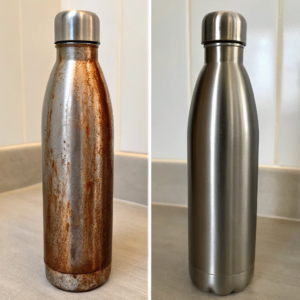
Why are reusable water bottles important?
Most people think reusable bottles are just about saving the planet, but their real power is in how they change our daily habits. Carrying a bottle is a small choice that leads to big changes in health and mindset.
Reusable water bottles are important because they create a reliable hydration habit and significantly reduce environmental waste. By carrying your own bottle, you take control of your health through consistent drinking while helping to lower the global demand for single-use plastic production.
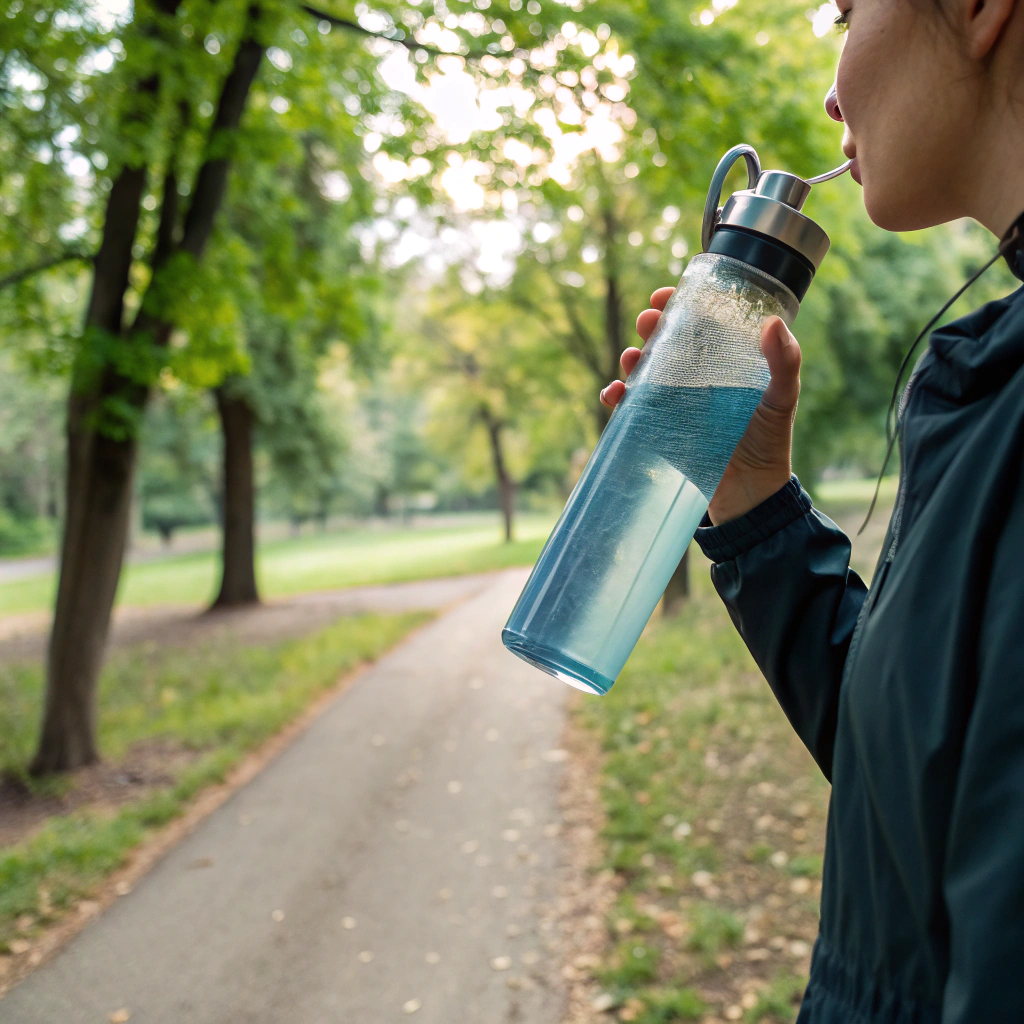
I have always believed that the things we carry every day shape who we are. When you carry a reusable bottle, you are making a quiet promise to look after yourself. I see it as a behavioral cue; when that bottle is sitting on your desk, you drink more water without even thinking about it. It turns a healthy choice into an automatic habit, which is much more effective than trying to remember to buy water when you are already thirsty.
What are the benefits of reusable water bottles?
The benefits of a reusable bottle go beyond just having water nearby. It affects your wallet, your health, and the world around you in ways you might not notice immediately.
The main benefits include significant cost savings over time, better control over water purity1, and a lower personal carbon footprint2. Reusable bottles also encourage better hydration3 because they are always within reach, and they allow you to choose high-quality materials like stainless steel or glass.
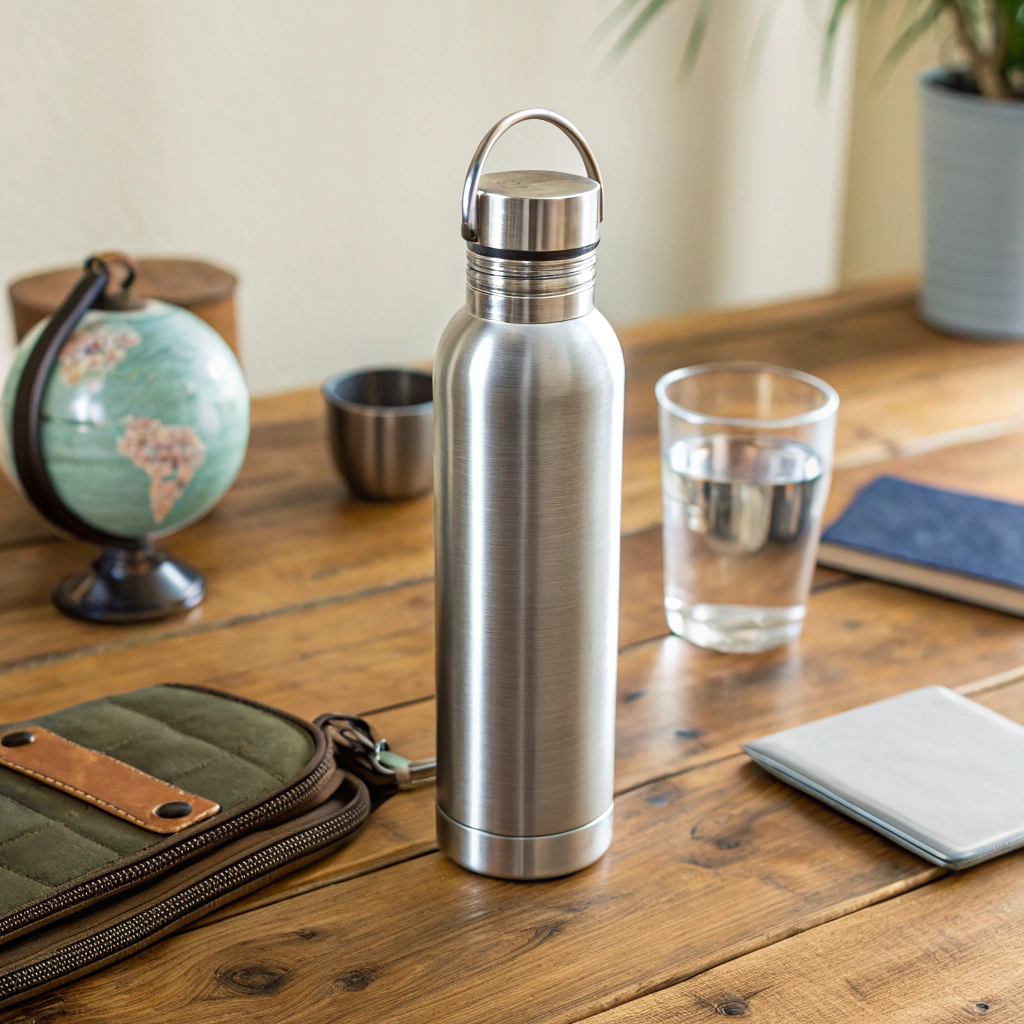
In my experience, the psychological benefit is the most overlooked. You start to form a connection with a bottle you use every day. It travels with you to work, the gym, and on weekends. This familiarity makes you more likely to reach for it. I have worked with many people who found that simply buying a bottle they actually liked made them double their daily water intake. It is a simple tool that reinforces a sense of discipline and self-care in a busy schedule.
| Benefit Category | Impact | long-term Result |
|---|---|---|
| Financial | Save hundreds of dollars annually | One-time investment vs. daily cost |
| Health | Consistent hydration levels | Better energy and skin health |
| Environmental | Fewer plastic bottles in landfills | Reduced ocean pollution and oil use |
| Customization | Choose your own filtration and temperature | Better tasting water all day |
What are 5 positive impacts of plastic?
While we are working to reduce single-use plastic, it is important to understand why plastic became so popular in the first place. It is a material that has solved many difficult problems in modern life.
Plastic has had a positive impact by making high-quality medical tools affordable, improving food safety through better packaging, and making cars and planes lighter to save fuel. It also provides low-cost, durable materials for housing and creates lightweight, accessible products for people worldwide.
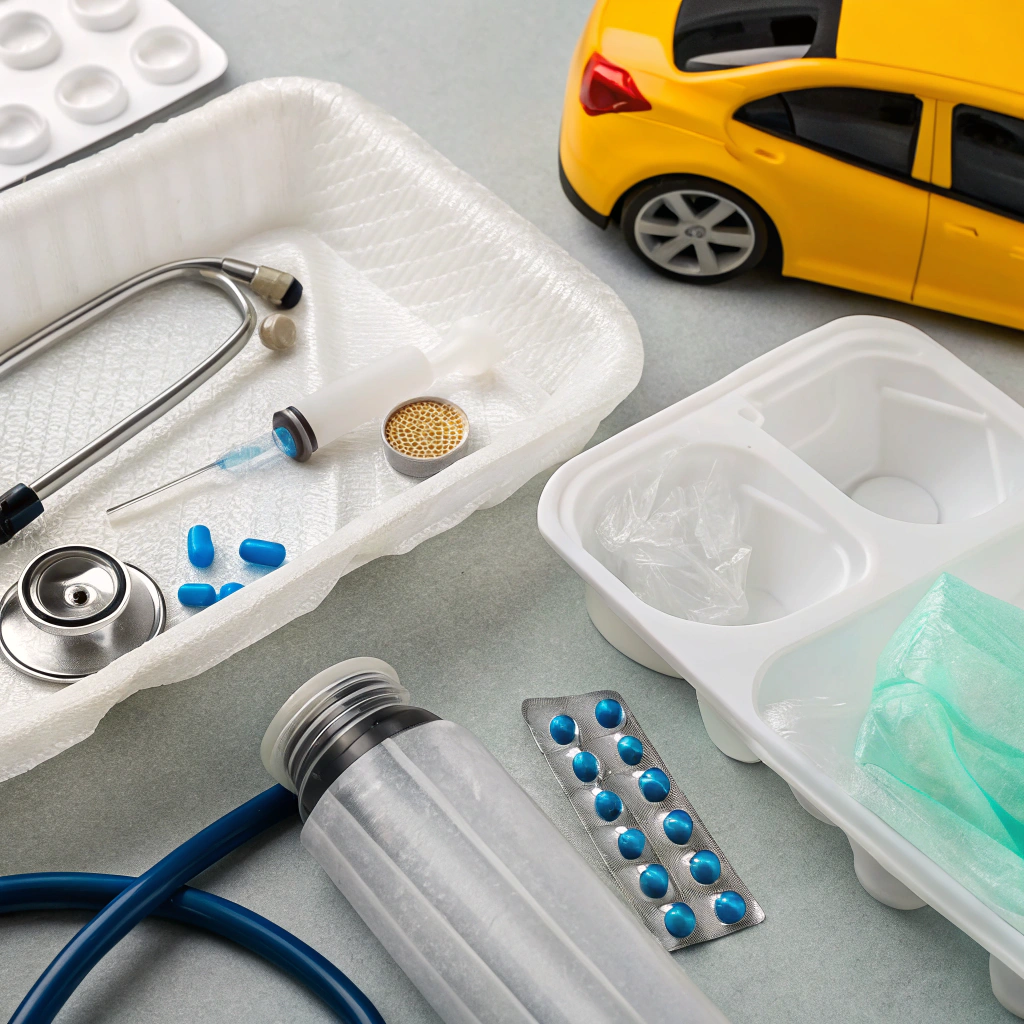
In the world of production, plastic is often seen as a miracle material because it is so versatile. I have seen how sterile plastic packaging saves lives in hospitals every day. It is also incredible for food preservation; without plastic, a lot of the food we eat would spoil before it ever reached the grocery store. The problem isn't that plastic is "bad," but that we often use this incredibly durable material for things we only need for five minutes. Understanding its value helps us respect the material more and use it only where it is truly necessary.
- Medical Advancements: Sterile syringes, IV bags, and heart valves depend on medical-grade plastics.
- Food Security: Plastic wraps and containers keep food fresh longer, reducing global food waste.
- Transport Efficiency: Lightweight plastic parts in vehicles and aircraft significantly reduce fuel consumption and emissions.
- Clean Water Access: In many parts of the world, plastic pipes and temporary bottles provide the only access to safe drinking water.
- Safety Equipment: From bike helmets to fire-resistant clothing, plastic is essential for modern personal protection.
How much plastic is saved by using reusable water bottles?
When you look at the numbers, the impact of a single person switching to a reusable bottle is much larger than most people realize.
By using one reusable water bottle, the average person can save approximately 156 plastic bottles every year. Over a lifetime, this simple change prevents thousands of pieces of plastic from entering our oceans and landfills, while saving the energy and oil required to manufacture them.
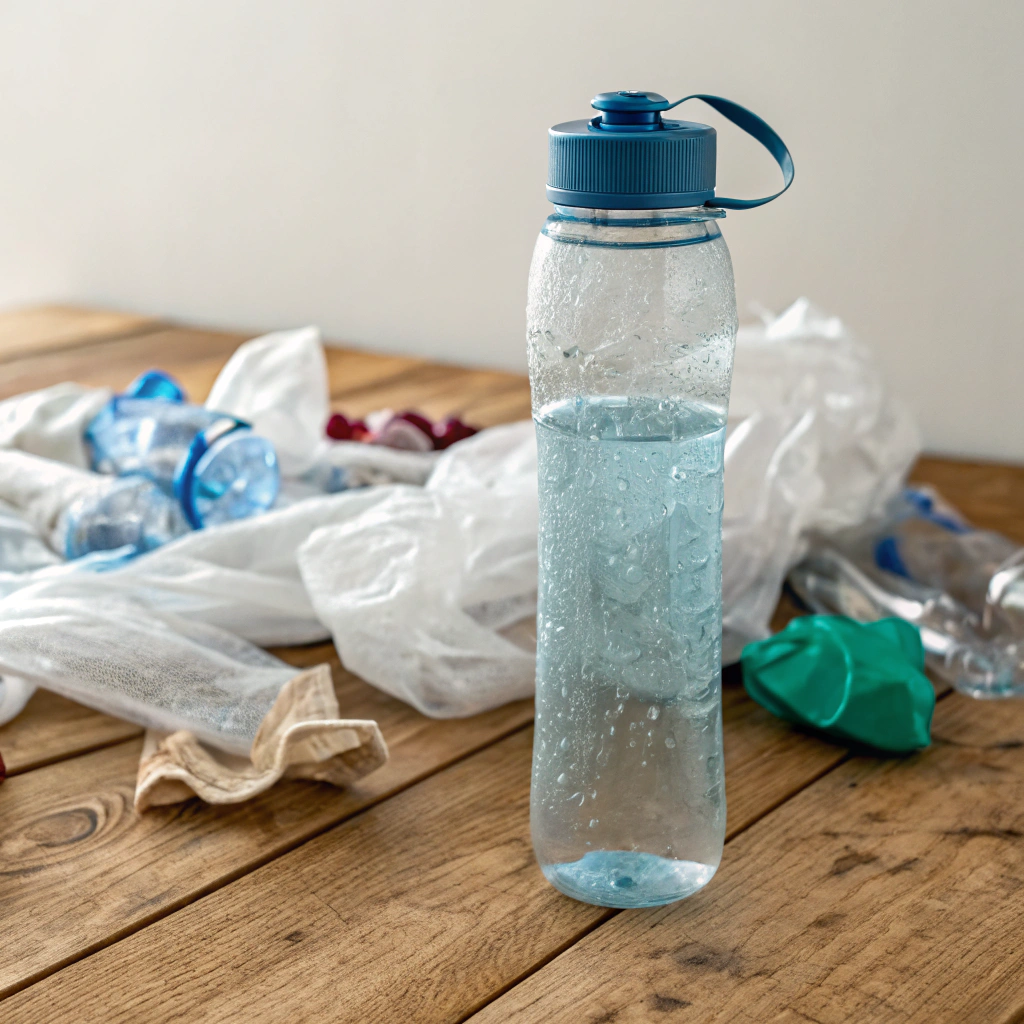
I find that people are often shocked when they see the math. If you drink just three bottles of water a week from a shop, that is over 150 bottles a year. When you multiply that by a whole office or a whole city, the numbers are staggering. I have noticed that when one person in a group starts using a reusable bottle, others often follow. It starts a "ripple effect" where the collective savings become massive. It is one of the easiest ways to make a real difference without having to change your entire life.
Sustainability is not about being perfect; it is about building better habits. A high-quality bottle that you keep clean and use every day does more for the environment than ten bottles that sit in your cupboard. It is about moving away from the "convenience culture" and choosing things that are built to last.
Conclusion
Reusable water bottles are important because they turn a passive choice into a healthy, intentional habit. They save you money, protect the environment, and ensure you stay hydrated throughout the day.