Which plastic is used in water bottle?
Confused by the numbers on the bottom of your bottle? Not all plastics are created equal, and using the wrong one could affect your health and the environment. You deserve a safe drink.
Most water bottles use PET for disposable versions and Tritan or Polypropylene for reusable ones. PET is designed for single use, while Tritan is a durable, BPA-free plastic that resists odors and impact. Choosing the right plastic ensures your bottle remains safe, durable, and chemical-free over time.
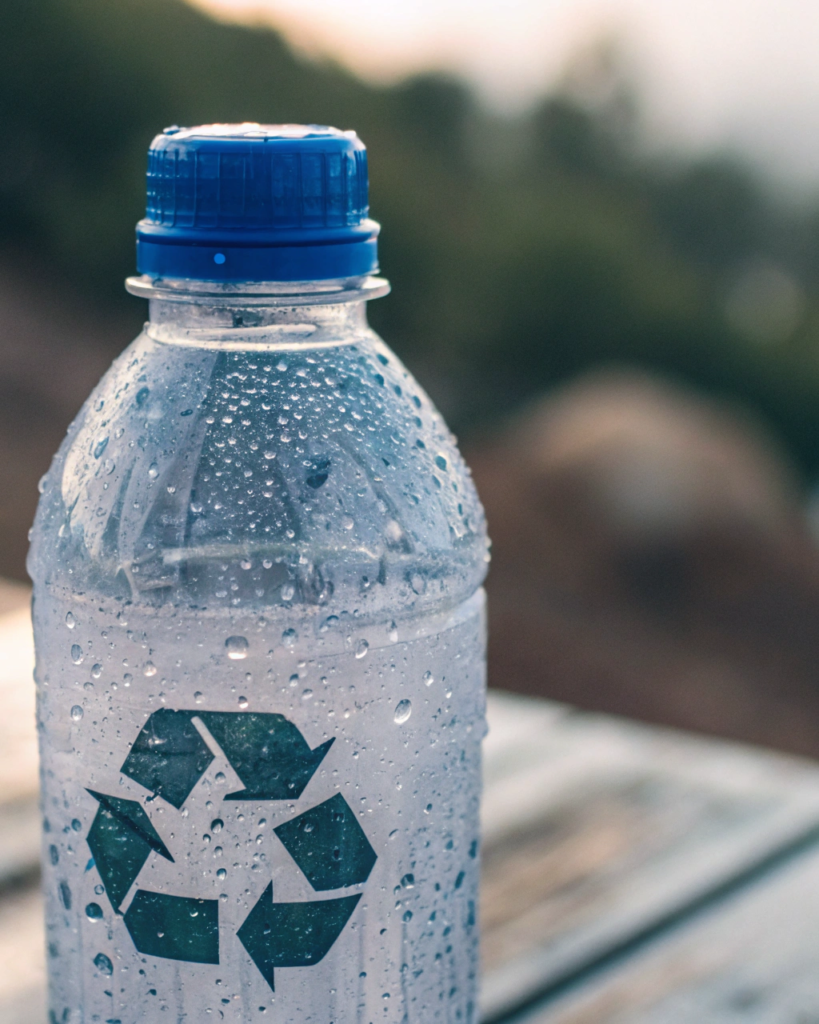
I have spent years looking at manufacturing specs in the gifting industry, and I have seen how much the material matters. Most people just look at the color or the price, but the plastic type tells you exactly how the bottle will behave. Whether you want something lightweight for a marathon or a tough bottle for the office, understanding these materials is the first step to a better choice.
Is a BPA free 7 plastic safe?
Are you worried when you see the "Number 7" recycling code on your bottle? Many people think this number automatically means the plastic is dangerous or contains BPA. You need to know what that symbol actually means.
A "Number 7" plastic is a "catch-all" category for "Other" materials, which includes both safe, BPA-free plastics like Tritan and older materials that might contain BPA. You must check for a specific "BPA-Free" label.
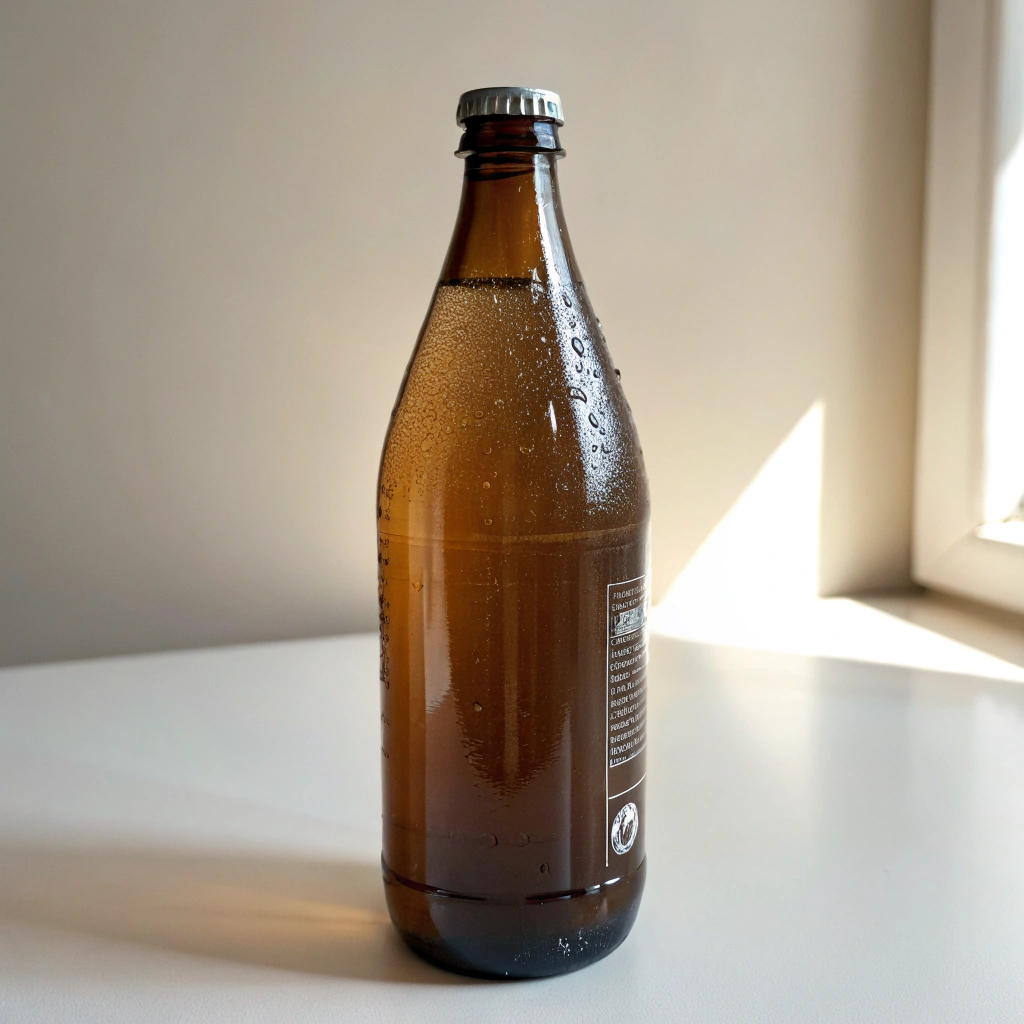
In my work at Latitude, I often help clients navigate these confusing labels. For a long time, the number 7 was associated with polycarbonate, which does contain BPA. However, modern high-end reusable bottles made of Tritan also use the number 7 code. Tritan is completely BPA-free and very safe. I always tell my clients to look beyond the number. If the bottle feels like hard, clear glass but is actually plastic, it is likely Tritan.
The real danger with any plastic comes from how you treat it. Even a safe "Number 7" bottle can degrade if you leave it in a hot car for days. Heat and UV light are the enemies of plastic. When I design corporate gifts, I prioritize materials that handle stress well. If a bottle is labeled BPA-free but feels flimsy, I stay away from it. A quality "Other" plastic like Tritan is often the best choice for a gift because it stays clear and does not hold onto the smell of last week's coffee.
| Plastic Type | Code | Safety Status | Best For |
|---|---|---|---|
| Tritan | 7 (Other) | Safe / BPA-Free | Premium Reusable Bottles |
| Polycarbonate | 7 (Other) | May contain BPA | Older, hard clear plastics |
| Polypropylene | 5 (PP) | Safe / Heat Resistant | Lunch boxes and shaker bottles |
| PET | 1 (PETE) | Safe for single use | Disposable water bottles |
Which is better HDPE or PET plastic?
Are you confused about whether to choose a soft, cloudy plastic or a clear, thin one? These two materials serve very different purposes, and picking the wrong one can lead to a broken bottle or a bad taste.
PET is better for lightweight, clear, single-use bottles, while HDPE is better for durable, opaque, and long-term reusable containers. HDPE is thicker and can handle more physical wear and tear than PET.
!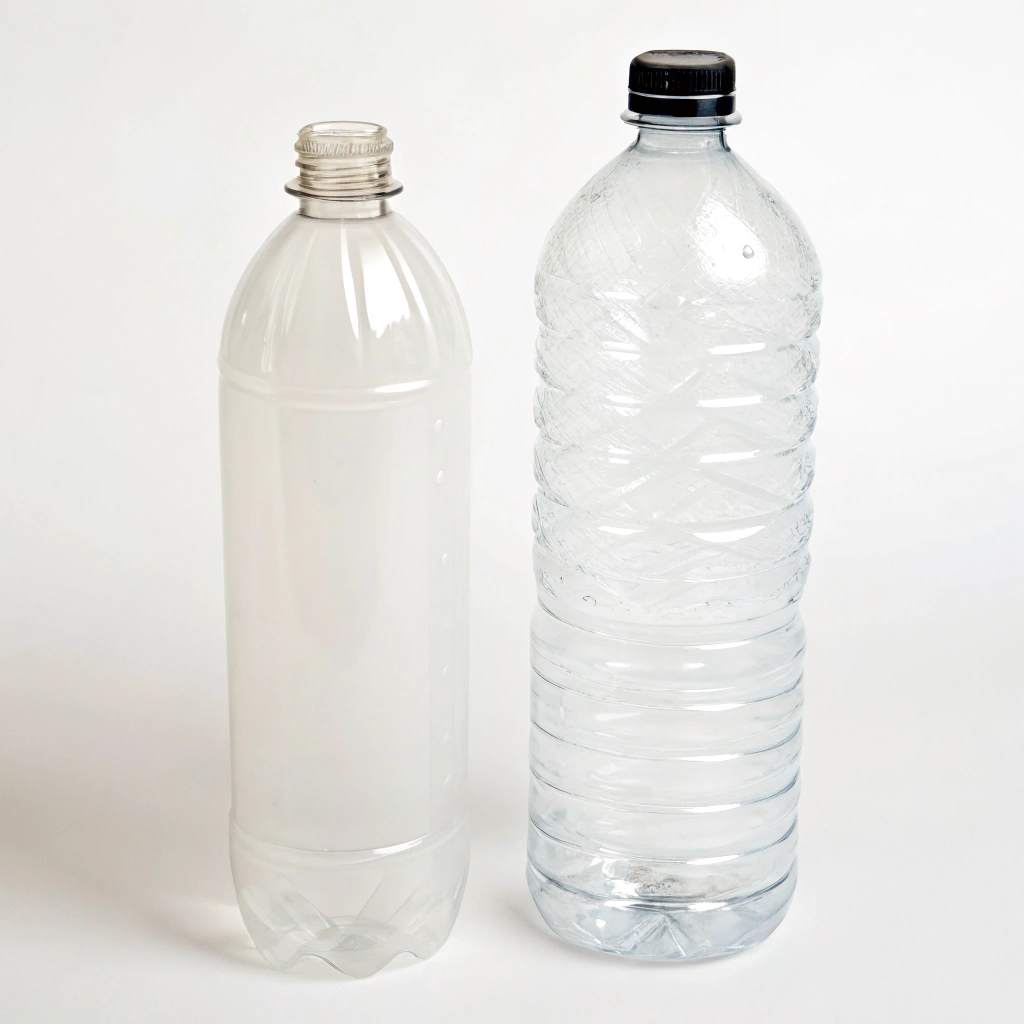
When I started in the printing and production world, I learned that PET is the king of the "disposable" world. It is clear like glass and very cheap to make. But if you try to wash a PET bottle in hot water, it will shrink and warp. That is why it is not a good choice for a long-term reusable bottle. On the other hand, HDPE is that slightly cloudy, tougher plastic you see in milk jugs or some sports bottles. It is much more rugged.
I prefer HDPE for rugged outdoor use because it does not crack easily if you drop it. However, it can sometimes pick up flavors more than clear plastics do. If you are a marketing manager like Jacky, you have to decide if you want the "look" of clear PET or the "toughness" of HDPE. For most corporate branding, we move toward materials that offer the best of both worlds—like Tritan—but knowing the difference between HDPE and PET helps you understand why some bottles are priced so differently.
| Feature | PET (Code 1) | HDPE (Code 2) |
|---|---|---|
| Appearance | Crystal Clear | Opaque / Cloudy |
| Durability | Low (Cracks easily) | High (Flexible & Tough) |
| Temperature | Low Heat Resistance | Higher Heat Resistance |
| Common Use | Soda & Water Bottles | Milk Jugs & Detergent |
Which plastic bottles should I avoid?
Are you accidentally using a bottle that could be leaching chemicals into your drink? Some plastics are simply not meant for repeated use or high temperatures. You should know which ones to leave on the shelf.
Avoid reusing "Number 1" (PET) bottles long-term and stay away from "Number 3" (PVC) and "Number 6" (Polystyrene). These plastics can leach harmful chemicals when they get scratched, heated, or worn down.
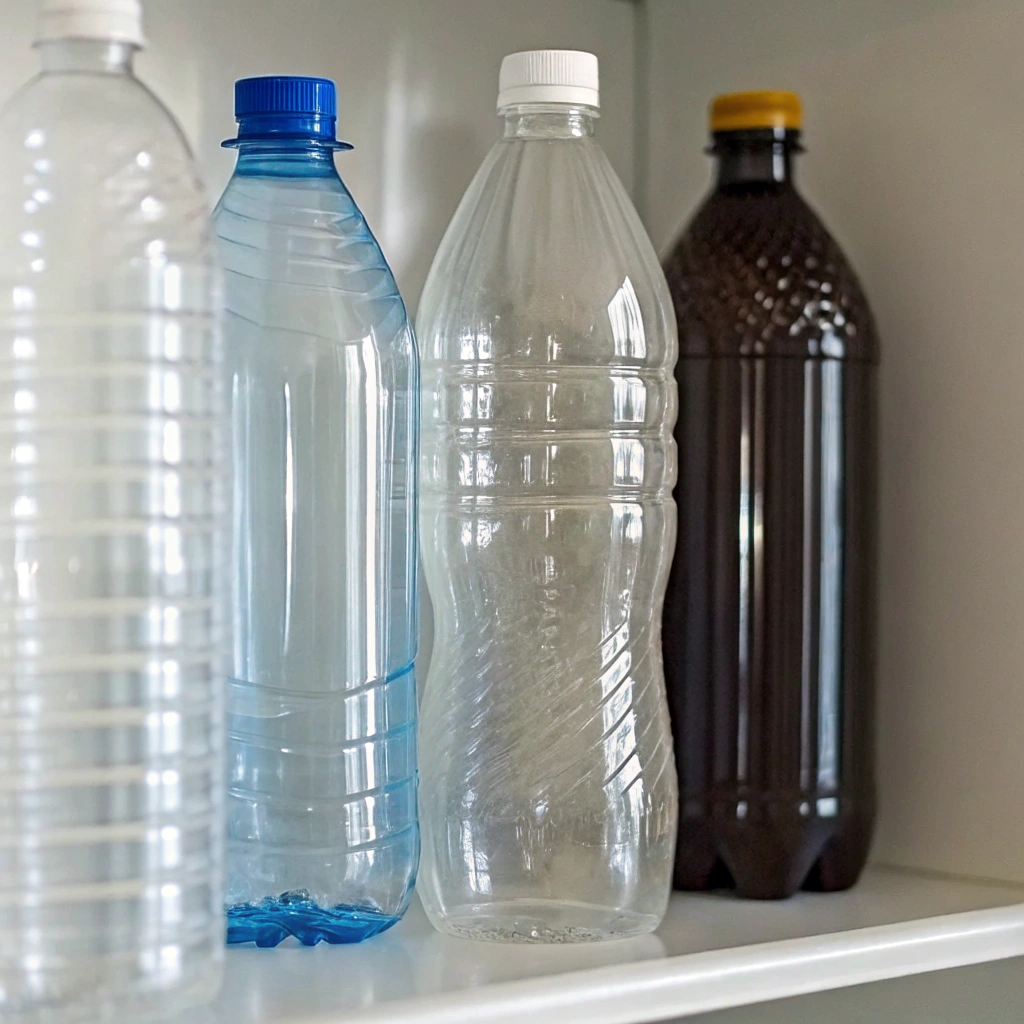
One of the biggest mistakes I see is people refilling a standard disposable water bottle for weeks. These "Number 1" bottles are made of PET. They are very thin. Over time, the plastic develops tiny scratches that you cannot see. These scratches become a home for bacteria that you can't wash away. Also, as the plastic breaks down from use, it can start to leach chemicals. I always tell people that if the bottle is "crinkly," it is not meant to be your permanent water bottle.
I also warn my clients to avoid PVC (Number 3). It is rarely used for water bottles now, but sometimes cheap, low-quality imports still use it. It contains phthalates which are not good for your health. Another one to skip is Number 6 (Styrofoam/Polystyrene), especially for hot drinks. In the corporate gift world, we stick to 2, 4, 5, and high-quality 7s. These are the "safe zones" for food and drink. If you see a bottle with no label or code at all, that is a red flag. Always choose a bottle that is open about what it is made of.
| Avoid Code | Material | Why avoid? |
|---|---|---|
| Code 3 | PVC | Contains phthalates and toxins |
| Code 6 | Polystyrene | Can leach styrene, especially with heat |
| Code 1 | PET (Reuse) | Not durable; traps bacteria in scratches |
| No Code | Unknown | No guarantee of food-grade safety |
Conclusion
Choose BPA-free plastics like Tritan or HDPE for long-term use. Avoid reusing single-use PET bottles and stay away from codes 3 and 6 to ensure your drinking water stays safe and chemical-free.
My Role
About me:
Latitude Experience Pte Ltd was founded by Francis Loh, a passionate advocate for branding through corporate gifts. Beginning his career in a humble printing factory, Francis gained hands-on experience in production, design, and client servicing. With a deep understanding of the printing and gifting industries, he later established Latitude to help businesses elevate their brand presence through meaningful, well-crafted promotional gifts.
Over the years, Latitude has supported numerous clients in growing their businesses with practical and impactful gifting strategies. Grateful for the opportunities the industry has brought him, Francis is now committed to giving back—sharing his knowledge, insights, and experiences to help others succeed in their branding journey through corporate gifts.