Which bottle is best for keeping water in the summer?
Are you tired of taking a sip of warm, unrefreshing water during a hot day? Standard plastic bottles quickly absorb heat from the sun, leaving you with a stale drink that fails to cool you down.
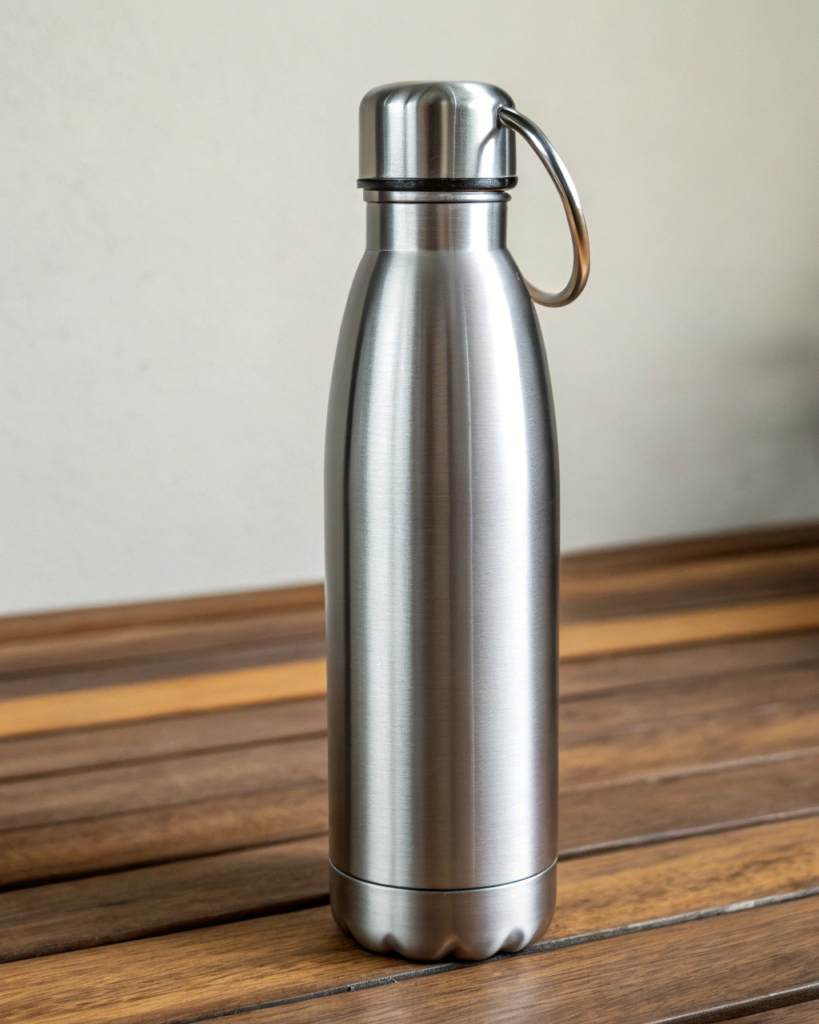
The best bottle for keeping water in the summer is a double-wall vacuum-insulated stainless steel bottle. This design creates a barrier that blocks heat transfer, keeping your water ice-cold for hours. Choosing food-grade 304 steel ensures your water stays fresh, crisp, and completely free of plastic odors.
I have spent years in the product and gifting industry, and I know how frustrating it is to carry a sweating bottle that ruins everything in your bag. I used to use basic plastic bottles until I realized how fast they turn lukewarm under the sun. Moving to an insulated bottle completely changes your summer hydration routine. To get the best results, you just need to understand how insulation works and how to choose the right size for your daily movement.
Which water bottle stays cold the longest?
Do you look for the highest hours of cold retention when buying a bottle? While marketing labels promise days of icy water, the real-world performance depends heavily on the internal construction of the bottle.
Vacuum-insulated stainless steel bottles with a copper lining stay cold the longest. The vacuum layer prevents air from transferring heat, while the copper lining reflects thermal radiation, keeping water cold for up to 24 hours or more.
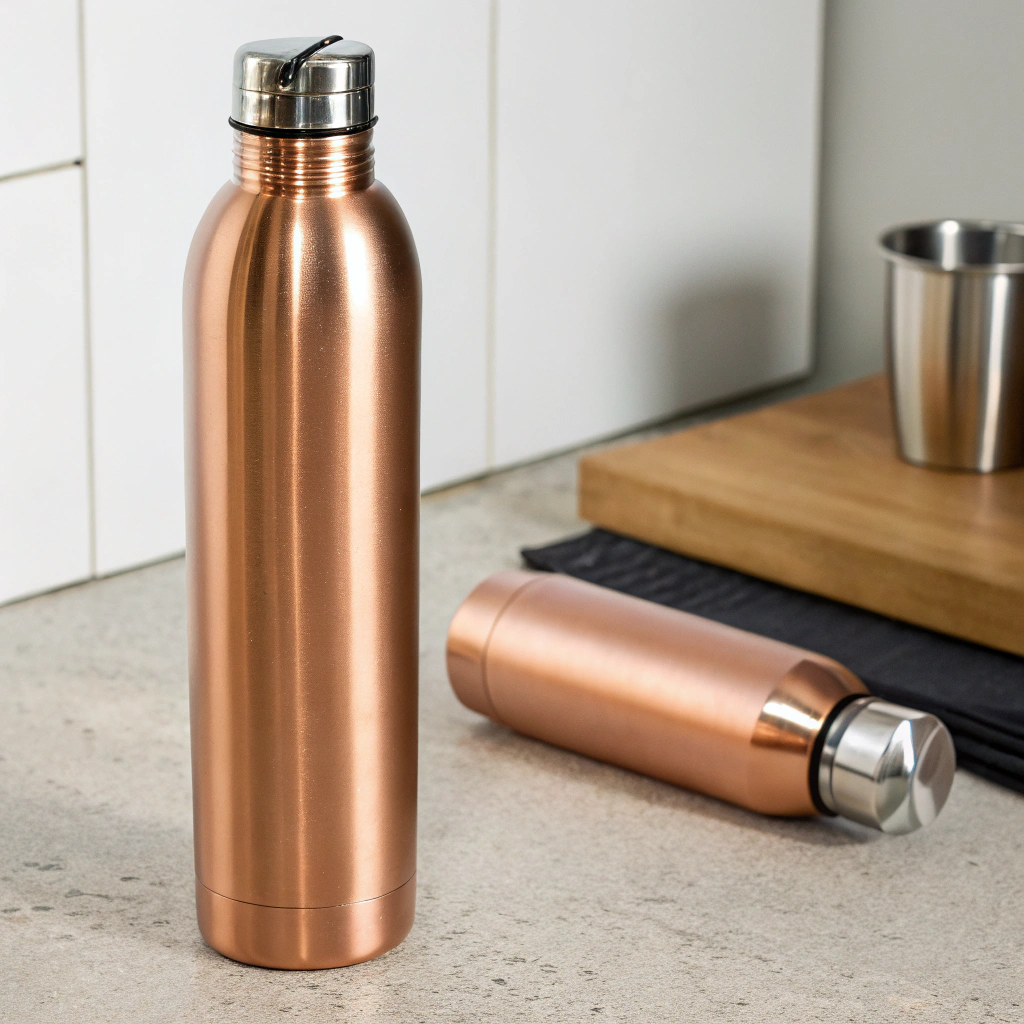
In my work at Latitude, I always explain the "layers" to clients like Jacky. A single-wall steel bottle will not keep your water cold; it will actually sweat and warm up quickly. You need a double-wall design. I remember a summer event where we tested two types of bottles in direct sunlight. The standard insulated bottles kept water cool for about 12 hours, but the premium ones with a copper-plated interior wall easily crossed the 24-hour mark.
However, you should not buy a bottle based on insulation time alone. If a bottle is too heavy or bulky because of its thick walls, you might end up leaving it at home. For office workers or daily commuters, a standard double-wall vacuum bottle is more than enough. It balances excellent temperature control with a lightweight feel that fits easily into a backpack side pocket. Staying hydrated is about convenience, so choose a bottle that matches your physical daily routine.
| Bottle Type | Cold Retention | Best Use Case | Weight Profile |
|---|---|---|---|
| Single-Wall Steel | 1–2 hours | Short gym sessions | Very Lightweight |
| Standard Double-Wall | 12–18 hours | Office commuting / Daily use | Moderate |
| Copper-Lined Vacuum | 24+ hours | Long outdoor trips / Beach | Heavy |
| BPA-Free Plastic | Less than 1 hour | Quick runs / Budget choice | Lightest |
How to keep a water bottle cool in summer?
Do you find your ice melting within just a couple of hours of leaving the house? Even with a good bottle, simple mistakes in how you pack and fill it can cut its cooling performance in half.
To keep your water bottle cool, fill it with large ice cubes, pre-chill the interior with cold water before filling, and use a protective neoprene sleeve. Keeping the bottle inside a bag rather than in direct sunlight also extends the cold life.
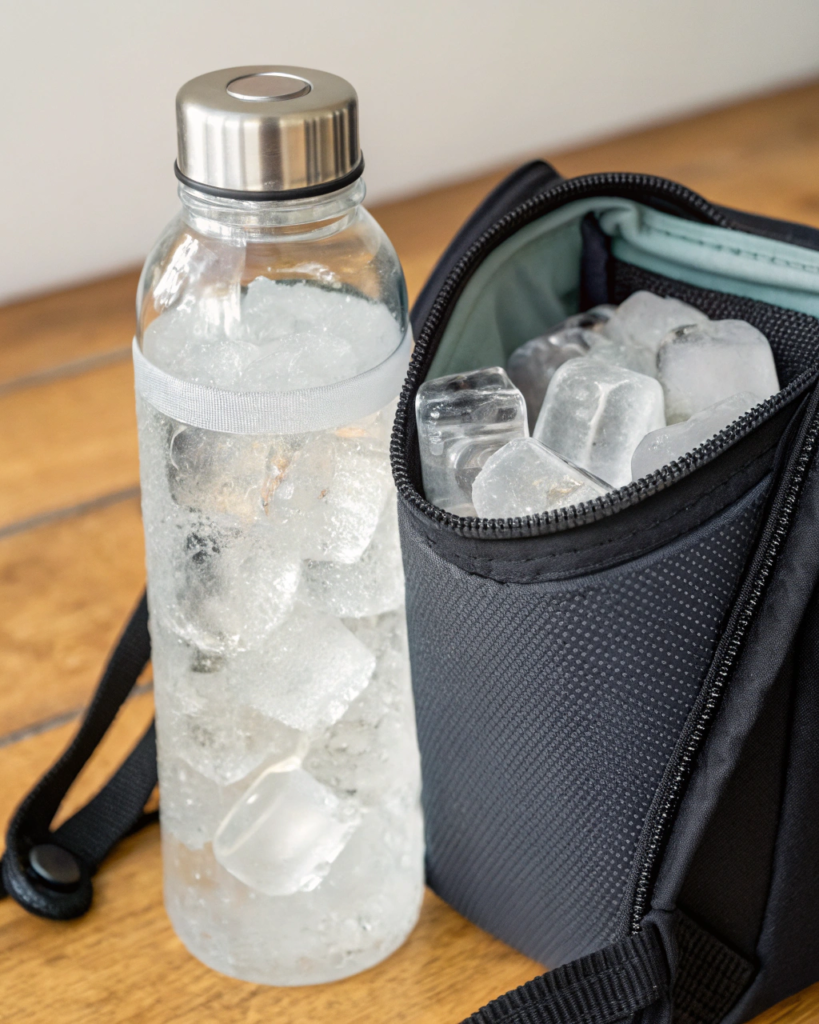
I have learned a few handy tricks from handling thousands of drinkware samples over the years. My favorite hack is "pre-chilling." Before you fill your bottle for the day, pour in some ice-cold water and let it sit for two minutes. This cools down the internal steel walls so they don't instantly melt your fresh ice cubes. I always share this tip with marketing managers when we design wellness kits for corporate outdoor events.
Another major factor is ice shape. Small crushed ice melts much faster than large, solid ice blocks because it has more surface area exposed to the water. If you use a wide-mouth bottle, you can easily drop in large cubes straight from the freezer. Also, remember to keep the lid tight. Every time you open the cap, warm air enters the bottle. Using a straw lid or a sports spout helps because it allows you to sip frequently without exposing the entire water surface to the hot summer air.
| Cooling Hack | How it works | Effectiveness |
|---|---|---|
| Pre-Chilling | Cools the internal metal walls before filling | Adds 2–3 hours of cold life |
| Large Ice Cubes | Melts slower than crushed ice | Keeps water icy all day |
| Neoprene Sleeve | Adds an extra layer of exterior insulation | Protects against direct sun heat |
| Shade Storage | Keeps the bottle out of direct sunlight | Prevents the outer shell from heating up |
How long will a 24 hour bottle keep drinks cold?
Are you skeptical about the "24-hour" promise printed on the side of modern insulated flasks? It is natural to wonder if these claims are just marketing talk or if they actually hold up in real-life summer weather.
A certified 24-hour insulated bottle will keep water significantly cooler than the outside temperature for a full day, but the water will slowly rise from icy to refrigerator-cold (around 4°C to 10°C) by the end of that period.
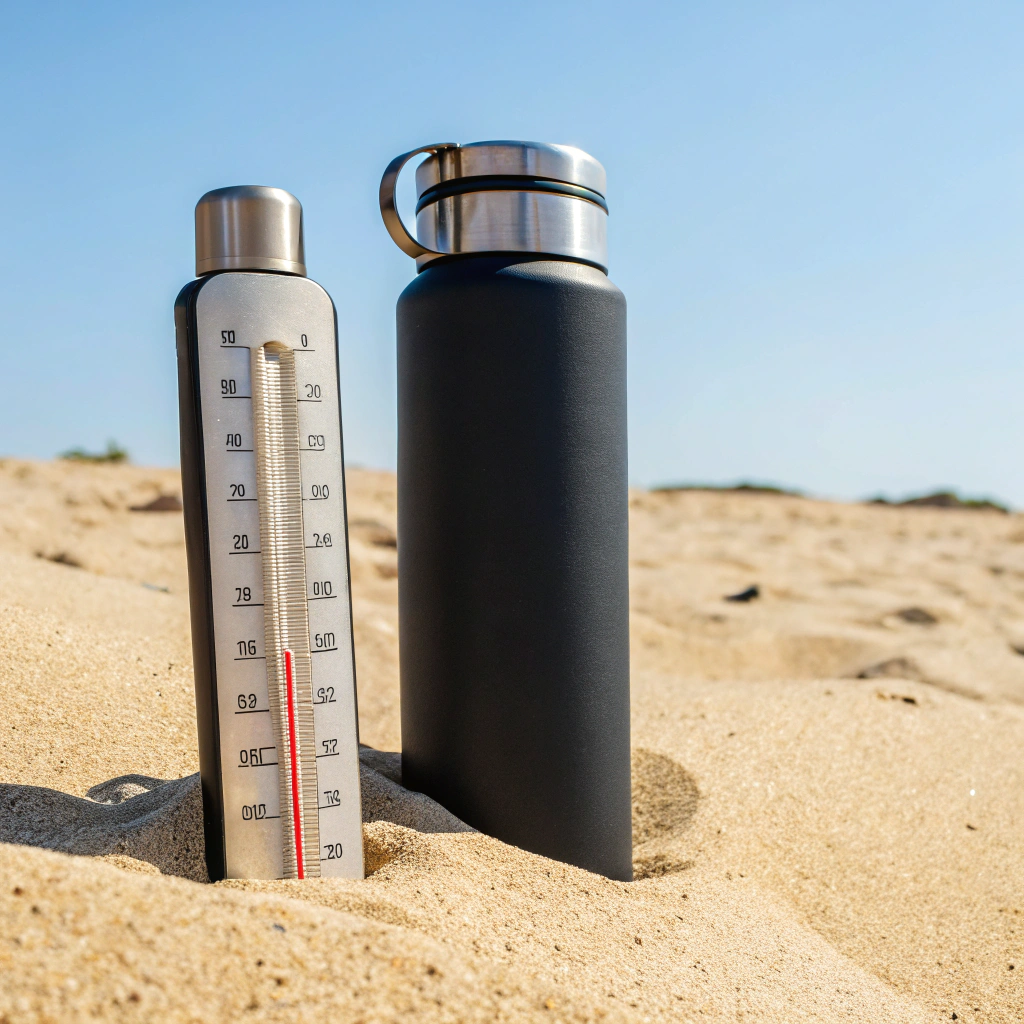
From a production standpoint, I have seen how these bottles are tested in factories. The tests are usually done in controlled rooms with a closed lid. In real life, you are opening the bottle, drinking from it, and adding room-temperature air back inside. This means the water won't stay at freezing temperature for 24 hours, but it will stay cool enough to be incredibly refreshing. I carry a 24-hour flask during our busy project rollouts, and even after sitting in a warm delivery van for hours, the water remains perfectly crisp.
For a marketing manager like Jacky, providing a true vacuum bottle is a great way to show quality. Cheap replica bottles look identical on the outside, but they skimp on the vacuum process during manufacturing. If the vacuum seal fails, the bottle loses its power instantly. By choosing trusted, food-grade materials, you ensure that the bottle delivers on its promise. It becomes a reliable travel companion that helps people maintain healthy hydration habits throughout the hottest months of the year.
| Time Elapsed | Water Temperature State | Drinking Experience |
|---|---|---|
| 0–6 Hours | Icy Cold (0°C – 4°C) | Extremely refreshing / Ice intact |
| 6–12 Hours | Refrigerator Cold (4°C – 8°C) | Crisp and cool / Ice mostly melted |
| 12–18 Hours | Cool Cool (8°C – 12°C) | Pleasant and refreshing |
| 18–24 Hours | Cellar Cool (12°C – 15°C) | Still cooler than tap water |
Conclusion
The best bottle for summer is a double-wall vacuum-insulated stainless steel flask. By focusing on 304 food-grade metal, using large ice cubes, and picking a comfortable size, you can enjoy crisp, cold water all day long and stay hydrated with ease.
My Role
About me:
Latitude Experience Pte Ltd was founded by Francis Loh, a passionate advocate for branding through corporate gifts. Beginning his career in a humble printing factory, Francis gained hands-on experience in production, design, and client servicing. With a deep understanding of the printing and gifting industries, he later established Latitude to help businesses elevate their brand presence through meaningful, well-crafted promotional gifts.
Over the years, Latitude has supported numerous clients in growing their businesses with practical and impactful gifting strategies. Grateful for the opportunities the industry has brought him, Francis is now committed to giving back—sharing his knowledge, insights, and experiences to help others succeed in their branding journey through corporate gifts.