What Is Truly the Best Stainless Steel Water Bottle for Your Routine?
Do you own a water bottle that sits in your cabinet because it's too heavy to carry or too hard to clean? Many people buy a bottle based on how many hours it keeps ice frozen, but they forget to check if it actually fits their lifestyle. You deserve a bottle that makes hydration feel effortless, not like a chore.
The best stainless steel water bottle is one that balances high-grade material safety with a design that fits your specific daily habits. While technical specs like 24-hour insulation are standard, the "best" bottle is defined by a leak-proof lid, a comfortable drinking mouth, and a weight that encourages you to take it everywhere. Consistency in use is more important than any single technical feature.
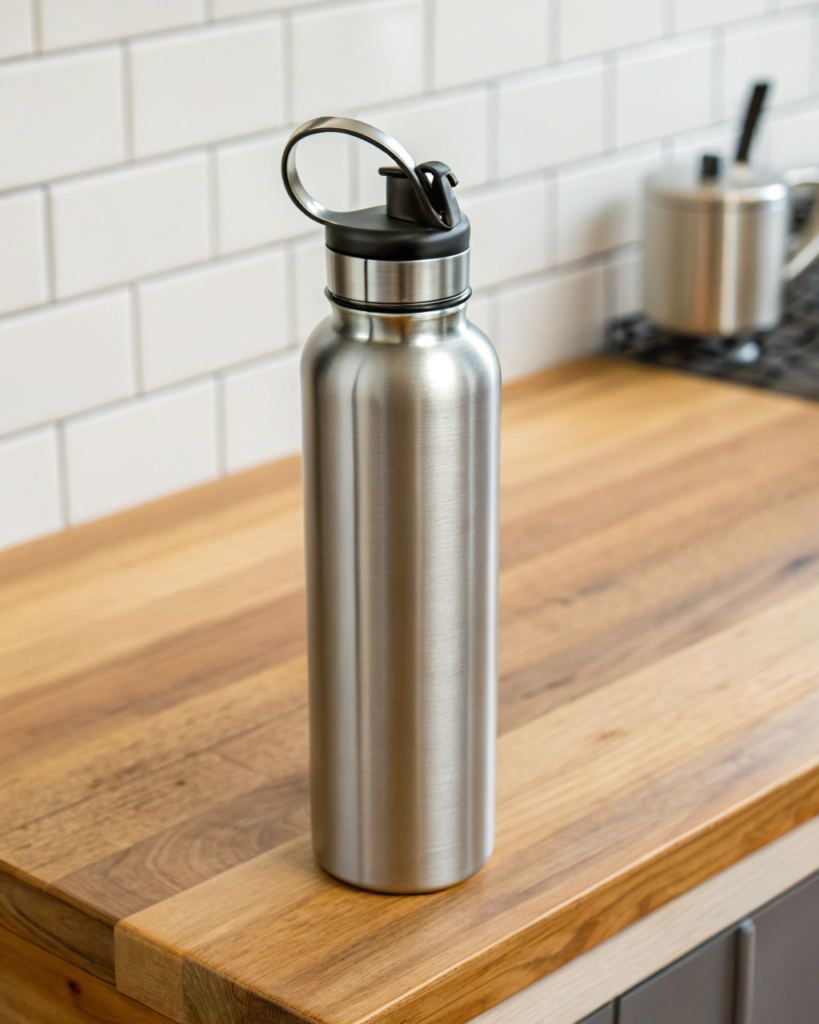
I have spent years evaluating product utility, and I’ve realized that the "best" bottle is a very personal choice. From my perspective, we shouldn't just look at how long a bottle stays cold. We should look at how it feels in your hand and how easy it is to toss in a bag. A bottle is only successful if it helps you drink more water every day. Let’s break down the technical side of the materials to see what keeps you safe and healthy.
Which Stainless Steel Grade Is Best for a Water Bottle?
Are you confused by the numbers stamped on the bottom of metal products? When it comes to something you drink from every day, the quality of the metal is the most important factor for your health and the bottle's longevity.
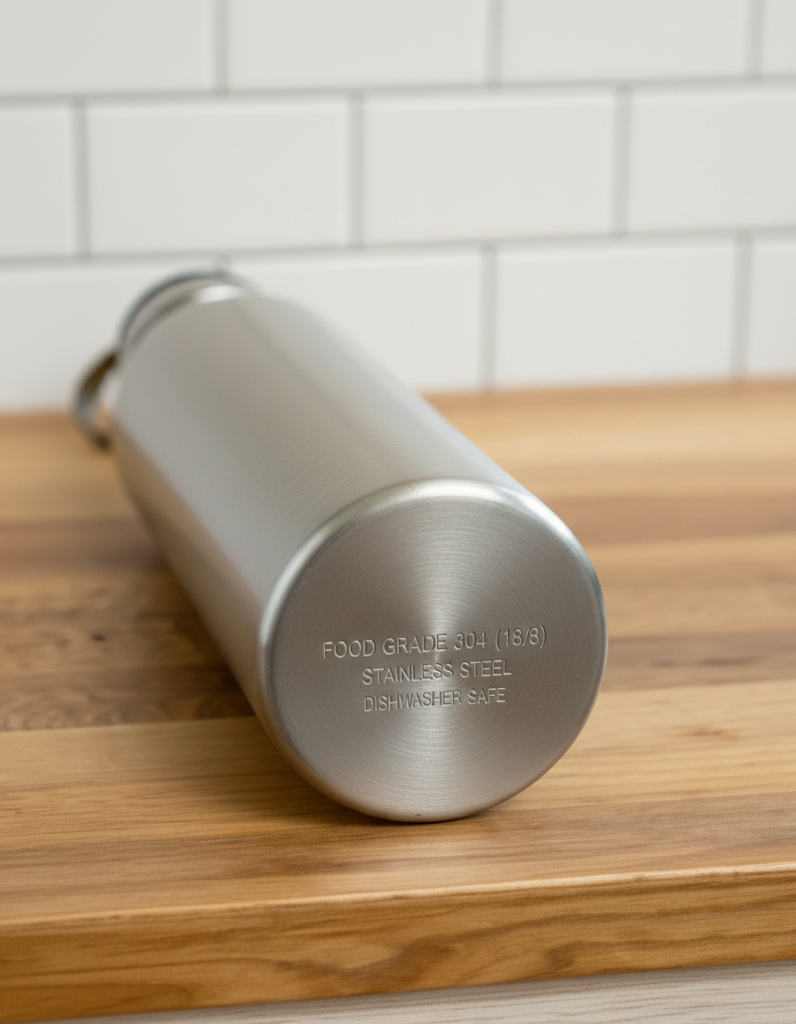
The best stainless steel grade for water bottles is "Food Grade" 304 stainless steel (also known as 18/8). This material is highly resistant to rust and corrosion, and it does not leach chemicals into your water. For extreme environments or salty conditions, 316 stainless steel1 offers even higher protection, but 304 remains the industry standard for safe, high-quality hydration.
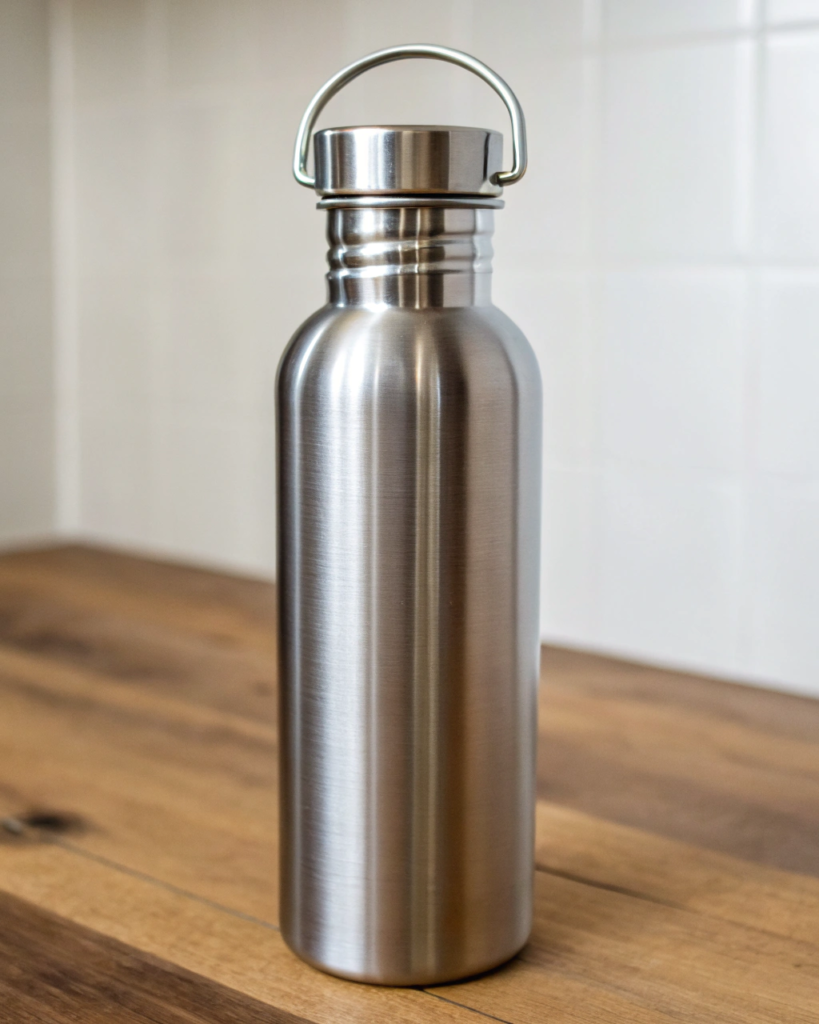
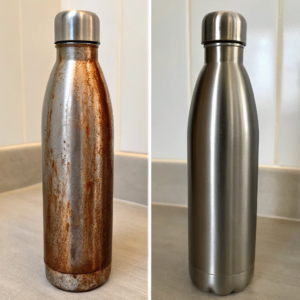
In my experience, 304 stainless steel2 is the "sweet spot" for most users. It is durable enough to last for years and keeps your water tasting neutral. I always tell my team that proper maintenance is just as important as the metal grade. Even the best 304 bottle needs regular cleaning to prevent odor buildup. For a professional like Jacky, who values high-quality and eco-friendly materials, choosing a bottle with a certified food-grade interior is a non-negotiable standard for health.
Which Is Better: 304 or 316 Stainless Steel Water Bottles?
Do you wonder if it is worth paying a premium for a higher grade of metal? While both are "stainless," they have different chemical compositions that make them better for specific tasks.
304 stainless steel is better for general daily use because it is lighter, more affordable, and perfectly safe for water and most beverages. 316 stainless steel is "better" only if you frequently use the bottle for highly acidic drinks or in coastal areas with salt-heavy air, as it contains molybdenum for extra corrosion resistance. For 99% of people, a 304 bottle provides the exact same health benefits at a better value.
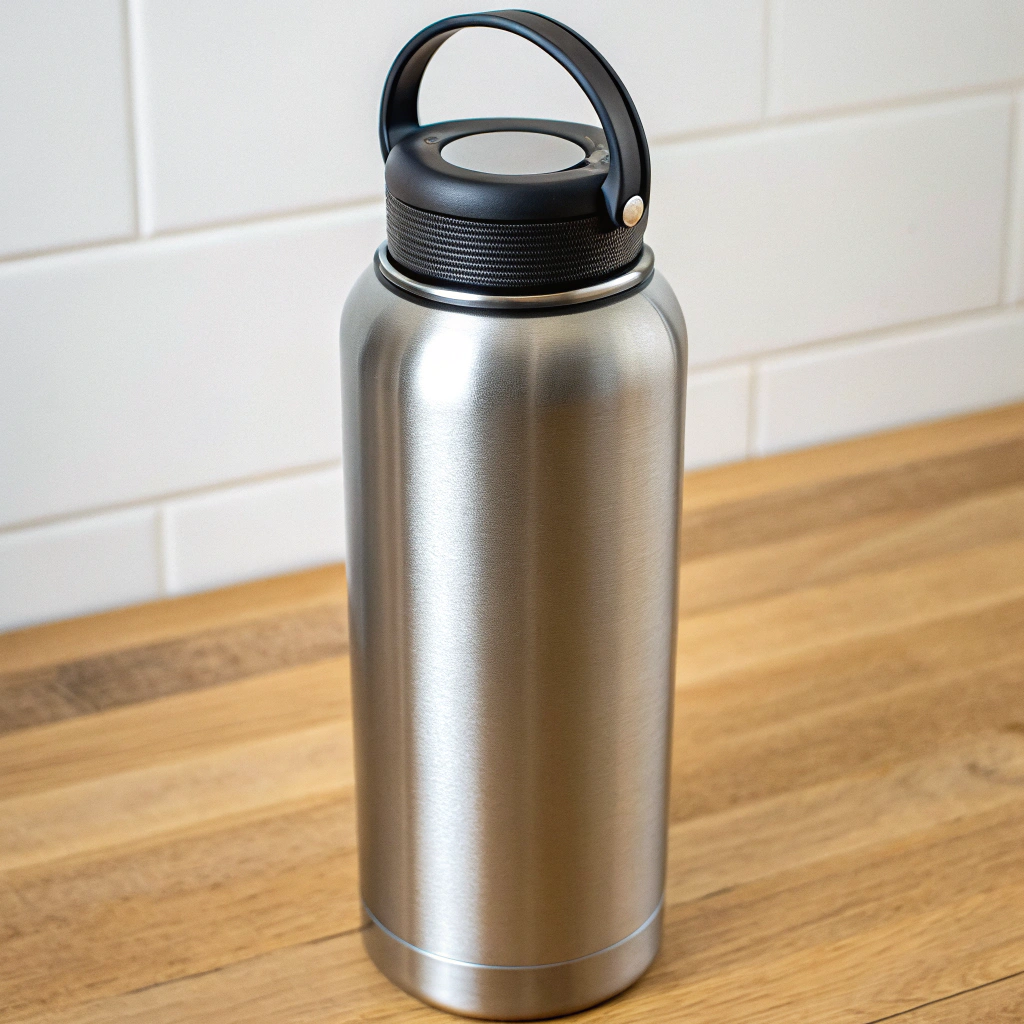
From a branding and design perspective, I find that 304 is the most versatile. It takes powder coatings and laser engravings beautifully, which is why it’s the most popular choice for premium corporate gifts. Unless you are a professional diver or a sailor, the extra cost of 316 doesn't usually translate to a better drinking experience.
| Feature | 304 (18/8) Stainless Steel | 316 Stainless Steel |
|---|---|---|
| Composition | 18% Chromium, 8% Nickel | Adds 2-3% Molybdenum |
| Rust Resistance | Very High | Excellent (even in salt water) |
| Common Use | Kitchenware, Water Bottles | Medical tools, Marine gear |
| Value | Best for daily hydration | Premium / Specialized |
What Is the Healthiest Stainless Steel Water Bottle?
Are you trying to avoid BPA and other plastics found in disposable bottles? Moving to stainless steel is a great first step, but you need to look at the entire product—not just the metal body—to ensure it is truly the healthiest option.
The healthiest stainless steel water bottle is a double-walled, vacuum-insulated3 304-grade bottle with a BPA-free, lead-free lid. Look for brands that use high-quality silicone seals rather than cheap rubber. A "healthy" bottle should also have a wide mouth that allows for thorough cleaning, as preventing bacteria growth is just as important as the material itself.
My take is that a bottle's healthiness is tied to its "cleanability." If a bottle has a complex straw lid that you can't reach inside of, it will eventually trap mold. I always recommend bottles with simple, high-quality screw caps or flip-tops that can be easily scrubbed. Being healthy isn't just about what the bottle is made of; it’s about how well you can keep it pristine.
To ensure you are getting the healthiest experience:
- Check for Lead-Free Soldering: Reputable brands now use lead-free pellets to seal their vacuum layers.
- Avoid Linings: High-quality stainless steel doesn't need a plastic liner (unlike some aluminum bottles).
- Regular Washing: Use warm soapy water and a bottle brush daily to keep the interior neutral and safe.
Conclusion
The best stainless steel water bottle is one made of 304 food-grade metal that fits effortlessly into your daily routine. By focusing on simple, cleanable designs and high-quality materials, you turn a simple container into a reliable, healthy partner for your lifelong hydration goals.