What Is the Real Value of Gift Cards as Birthday or Holiday Gifts?
Do you feel guilty giving a gift card because it feels like a "last-minute" choice? Many people worry that a card lacks the personal touch of a wrapped present. You want to give something meaningful, but you also want to make sure the recipient actually likes what they get.
Gift cards are a strategic gift choice that balances flexibility with intention. Unlike a physical item that might be returned, a gift card gives the recipient the autonomy to choose exactly what they want. When tied to a specific brand or hobby they love, it shows you understand their tastes while offering them the freedom of a guilt-free "treat."
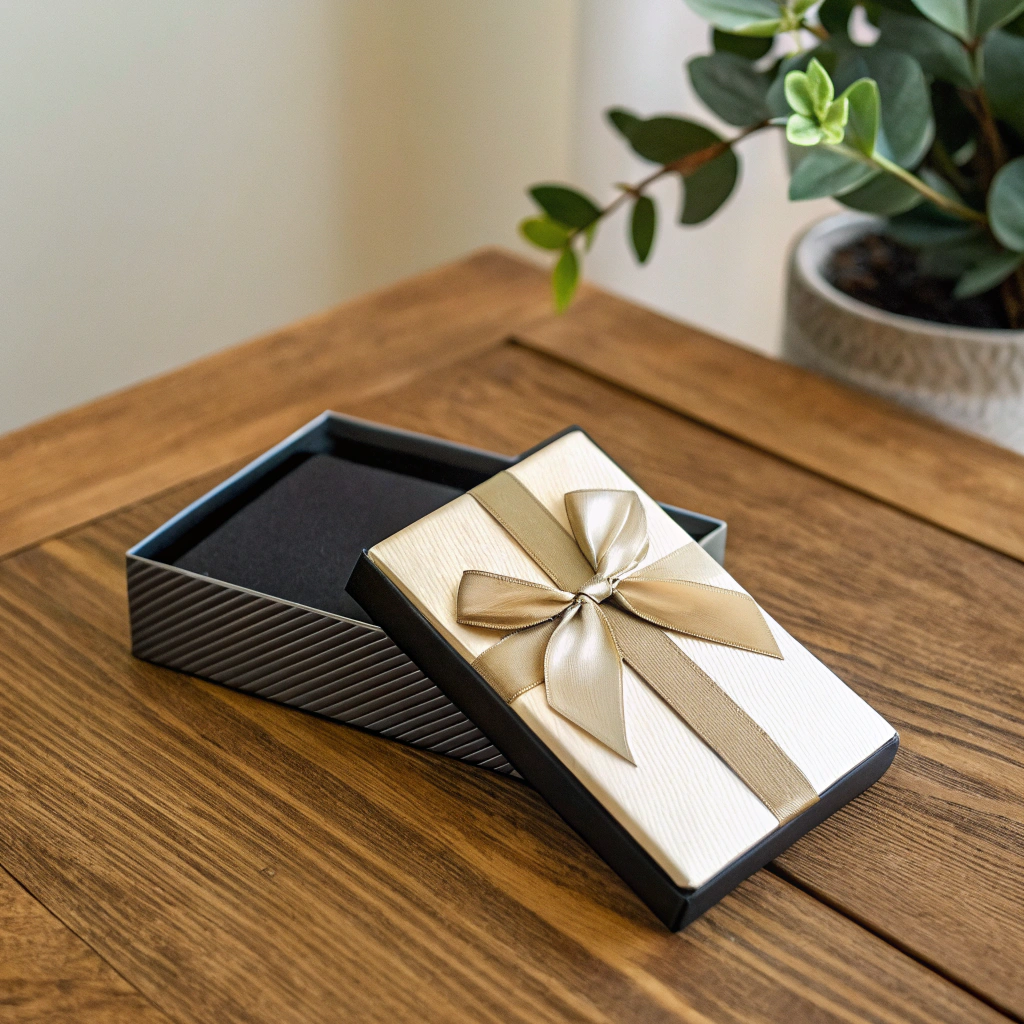
I have spent years analyzing how people interact with products, and I’ve noticed a fascinating psychological shift with gift cards. They are more than just a piece of plastic; they are "permission" to splurge. While a physical gift can sometimes feel like a burden if it doesn't fit, a gift card is an invitation to an experience. Let's look at why these cards are often the superior choice for modern gifting.
Why Are Gift Cards Often the Best Gift?
Are you tired of seeing your thoughtful gifts end up in the back of a closet or on a resale site? Even with the best intentions, it is hard to guess someone’s exact size, color preference, or current needs.
Gift cards are often the best gift because they eliminate the "waste" of unwanted presents and ensure 100% recipient satisfaction. They allow the person to wait for a sale, pick a specific model you might not know about, or simply enjoy the process of shopping for themselves. This removes the stress of "getting it wrong" for the giver and the "guilt of returning" for the receiver.
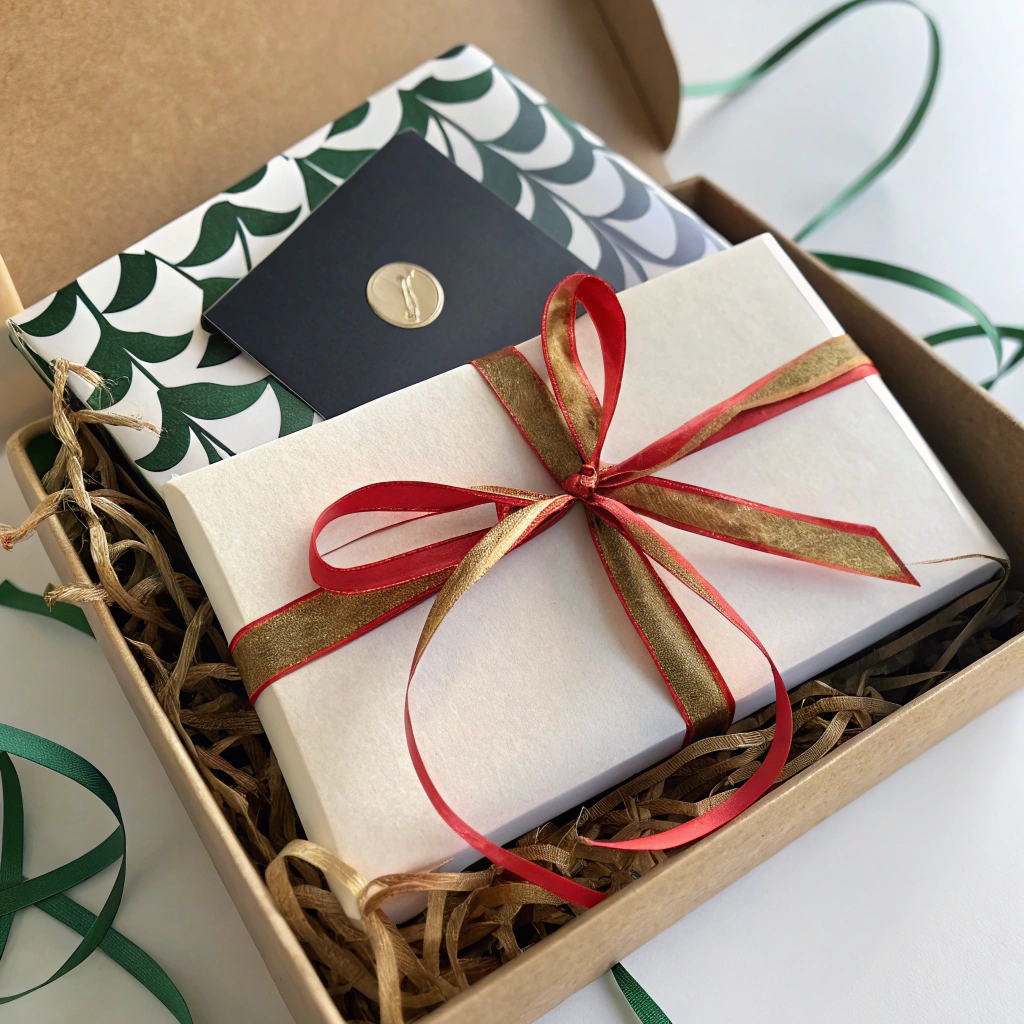
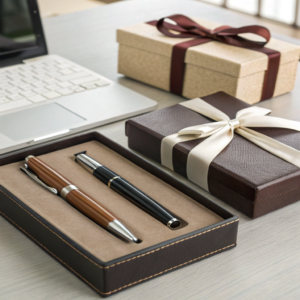
From my perspective, the "best" gift is one that actually gets used. I once gave a creative manager a gift card to a specialized stationery store. Instead of me guessing which pens he liked, he was able to go and test the paper weights and ink flows himself. He told me the "shopping trip" was just as much fun as the pens he eventually bought. It turned a simple gift into a personalized experience.
Consider these three reasons why they rank so high:
- Zero Clutter: They don't take up space in a home until they are turned into something the person truly wants.
- Timing: The recipient can use them exactly when they need a pick-me-up or a specific item.
- Personalization1: Choosing a card for a niche hobby shop shows much more thought than a generic "big box" store card.
What Are the Main Benefits of Gift Cards?
Do you think of gift cards as just a way to save time? While they are convenient, the benefits go much deeper than just avoiding the mall. They actually change how the recipient feels about the money they are spending.
The main benefit of a gift card is the "Treat Factor2." While cash is often spent on boring things like bills or groceries, a gift card is "earmarked" for enjoyment. It forces the recipient to spend on their hobbies or a luxury they usually wouldn't buy for themselves. This psychological distinction makes the gift feel more special and memorable than a standard bank transfer.
I believe that "intentionality" is the biggest benefit. In my career, I’ve seen that a gift card to a local coffee shop or a specific bookstore tells a story. It says, "I know you love your morning ritual" or "I know you've been wanting to read more." For a busy professional like Jacky, a gift card to an eco-friendly brand or a premium design shop feels like a nod to his professional values and personal interests.
Here is a look at the benefits for both sides:
| Benefit for Giver | Benefit for Recipient |
|---|---|
| Easy to Send: Perfect for long-distance gifting | Guilt-Free Spending: No "buyer's remorse" |
| Budget Control3: You know exactly what you are spending | Autonomy: They pick the color, size, and style |
| Safe Choice: No risk of duplicates or unwanted items | The "Hunt": The fun of choosing the perfect item |
Is It Better to Give Cash or Gift Cards?
Are you wondering if you should just give "cold, hard cash" instead? Cash is the ultimate in flexibility, but it often lacks the emotional warmth of a gift. It can feel a bit too much like a business transaction.
It is generally better to give a gift card if you want to show personal thoughtfulness and ensure the money is used for a treat. Cash is better for close family members who have a specific financial need or for young children learning about money. However, for birthdays and holidays, a gift card "anchors" the gift to a specific interest, making it feel more like a present and less like a chore-payment.
My take is that cash is "liquid," meaning it flows away too easily. You give someone $50, and they use it to pay for gas or a lunch they didn't really enjoy. A gift card stays in their wallet as a reminder of you until they find that one special thing. If you want to make it feel even more "premium," pair the gift card with a small physical item—like a single high-quality chocolate or a nice card—to give them something to open in the moment.
To decide which to give, ask yourself these three questions:
- Is there a specific shop they love? If yes, get a gift card.
- Are they currently saving for something huge (like a car or a house)? If yes, cash might be better.
- Do you want them to remember who gave it to them? If yes, a niche gift card is always the winner.
Conclusion
Gift cards are not a "lazy" shortcut; they are a flexible and respectful way to give someone exactly what they want. By choosing a specific brand or hobby, you turn a simple card into a personalized invitation for the recipient to treat themselves.