What Is the Best Way to Clean an Insulated Water Bottle?
Is your water bottle starting to smell musty or looking stained inside? A simple rinse often leaves behind hidden bacteria and old drink residues. You need a cleaning routine that keeps your bottle fresh and safe.
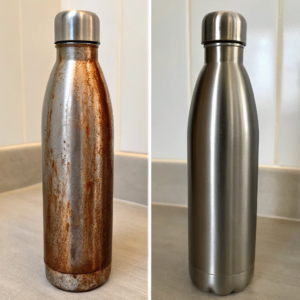
The best way to clean an insulated water bottle is to use warm water and mild dish soap daily, focusing on the lid and seals. For deep cleaning, use a mixture of baking soda or diluted vinegar to remove tough stains and odors. Always air-dry the bottle with the cap off to prevent mold growth.
I have seen many people carry expensive insulated bottles that are actually quite dirty inside. They think the stainless steel stays clean on its own. While the material is great, it still needs care. If you use your bottle for coffee or tea, the oils can build up quickly. Let’s look at how to keep your bottle in top shape so your water always tastes crisp and clean.
How to Properly Clean an Insulated Water Bottle?
Do you just rinse your bottle with tap water and call it a day? Many people ignore the small parts like the rubber gaskets and the threads of the lid. These are the places where "biofilm" and slime love to grow.
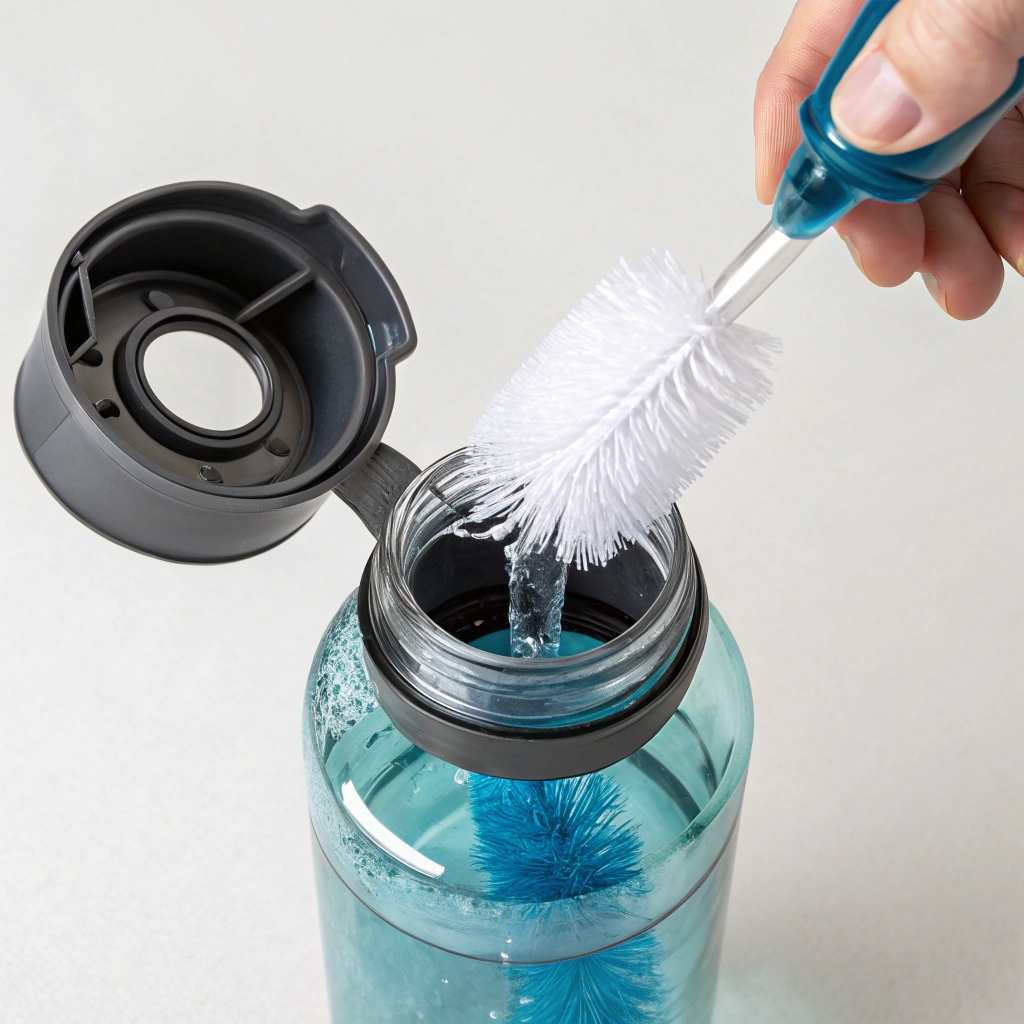
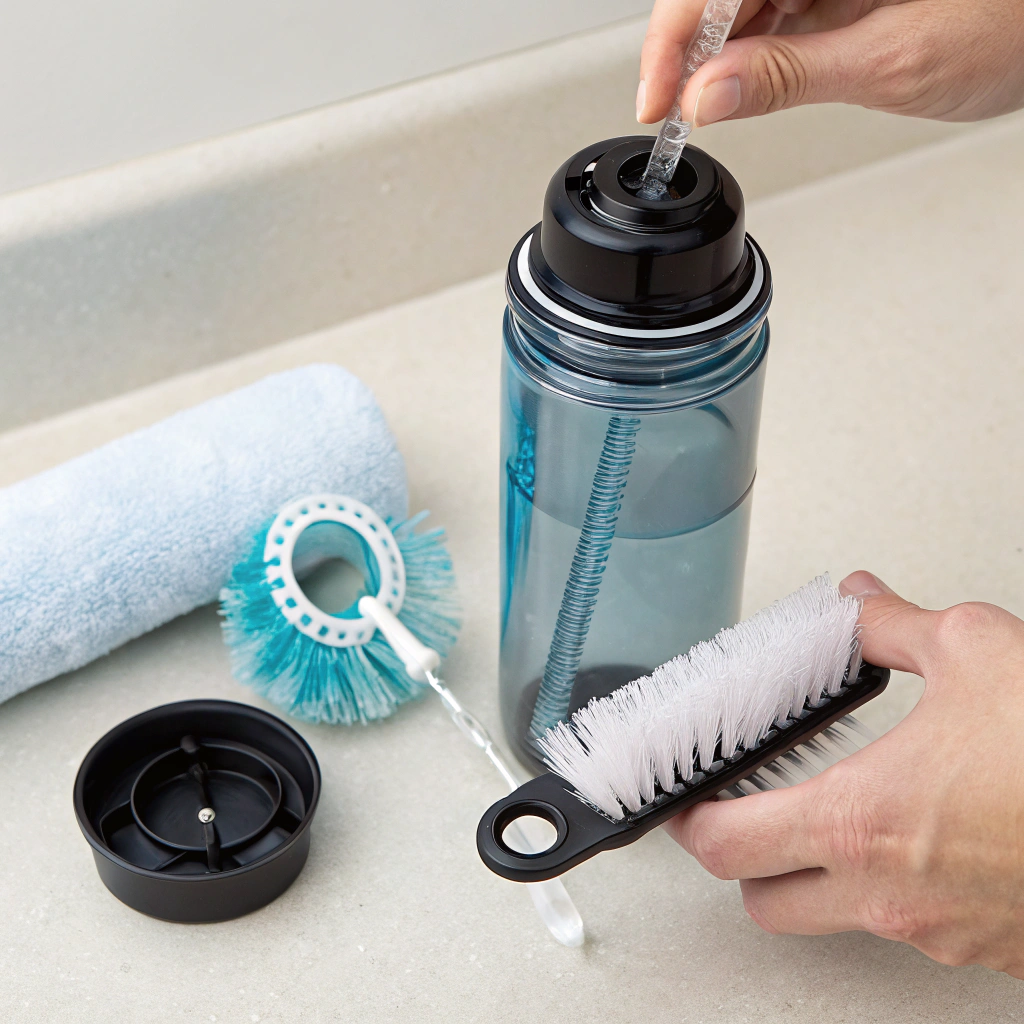
To properly clean your bottle, disassemble all removable parts like straw lids and rubber seals. Use a bottle brush to scrub the interior walls with soapy water. For the small crevices in the lid, a small detail brush or a pipe cleaner works best. This ensures you remove every trace of bacteria and old beverage residue.
In my experience, the drying stage is just as important as the washing stage. If you put the cap back on while the inside is still damp, you are creating a perfect home for germs. I always leave my bottles upside down on a drying rack overnight. If your bottle has a lingering smell that soap won't fix, try a "deep soak." I like using two teaspoons of baking soda with warm water. Let it sit for an hour before scrubbing.
To help you manage different types of buildup, follow this guide:
| Problem | Cleaning Agent | Method |
|---|---|---|
| Daily Residue | Mild Dish Soap | Scrub with a bottle brush1 |
| Hard Water Stains | Diluted Vinegar | Soak for 30 mins, then rinse |
| Lingering Odors | Baking Soda | Create a paste or soak in solution |
| Mold in Lid | Specialized Brushes | Remove gaskets and scrub threads |
I believe a clean bottle changes how you feel about drinking water. When the bottle is shiny and smells neutral, you are more likely to stay hydrated throughout the day. It is a small habit that makes a big difference in your daily health and productivity.
How Often Should You Wash Your Insulated Water Bottle?
Do you wait until your bottle smells bad before you wash it? If you only put water in your bottle, you might think it stays clean for weeks. This is a common mistake that leads to invisible bacteria growth.
You should wash your insulated water bottle with soap and water every single day if you use it daily. Even if you only drink water, bacteria from your mouth and hands transfer to the rim and lid. A deep clean with vinegar or specialized cleaning tablets should be done once a week to maintain hygiene.
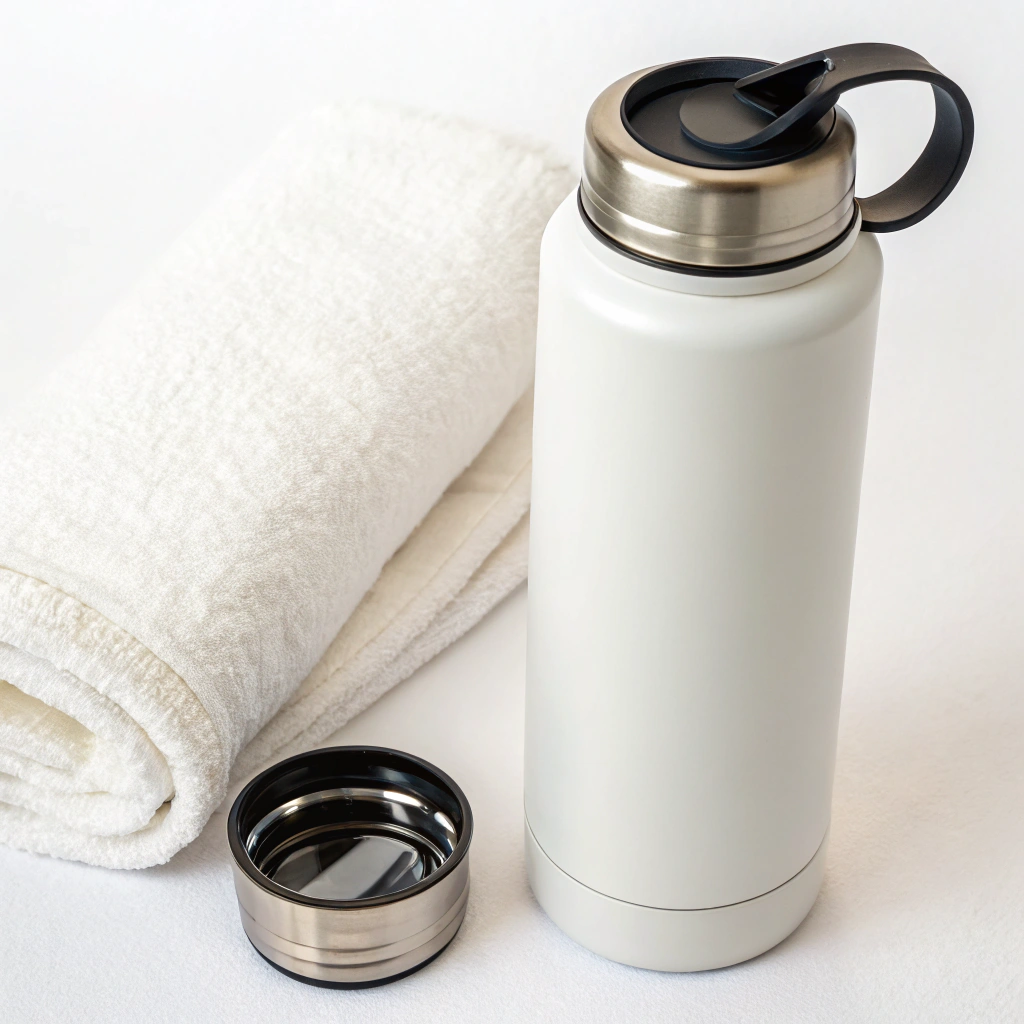
I treat my water bottle like a dinner plate. You wouldn't use the same plate for three days without washing it, right? Your bottle is the same. If you take your bottle to the gym or outdoors, it picks up even more germs from the environment. I have a simple routine: every night, I put my bottle in the sink with my dishes. It only takes a minute, but it keeps the stainless steel surface pristine.
Here is a recommended schedule for bottle maintenance:
- Daily: Rinse and scrub with soap and a brush. Dry thoroughly.
- Weekly: Deep soak with vinegar or baking soda. Check the seals for wear.
- Monthly: Inspect the exterior for any damage to the vacuum seal or paint.
I find that keeping two bottles is a great strategy. This way, one can be drying completely while you use the other. This rotation ensures you never have to use a damp, smelly bottle because you were in a rush.
Does Stainless Steel Give Off Microplastics?
Are you worried about the tiny plastic particles found in many bottled waters? Many people switch to stainless steel specifically to avoid these health risks. They want a material they can trust for the long term.
Stainless steel does not give off microplastics because it is a metal alloy, not a plastic polymer. High-quality food-grade stainless steel is solid and stable. Unlike plastic bottles that can break down over time—especially when exposed to heat—stainless steel provides a plastic-free drinking experience that is safer for your body.
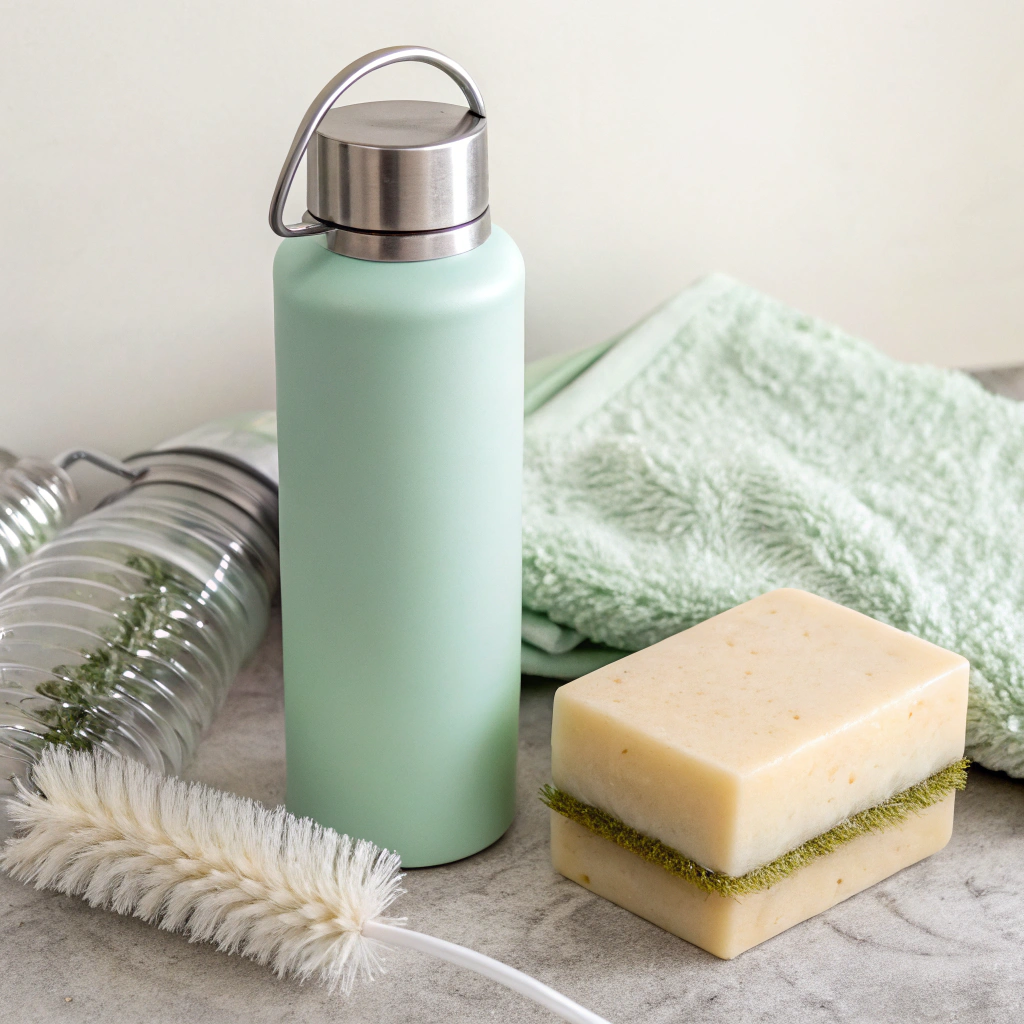
One of the best things about stainless steel is its durability. When you scrub it with a brush, it doesn't shed harmful particles into your drink. However, you should check your bottle's lid. Many lids are made of plastic. If you are very concerned about microplastics, look for a bottle with a stainless steel-lined lid or a bamboo top. This ensures your water never touches plastic at all.
When choosing a bottle, consider these "clean" features:
- 304 Grade Steel2: This is the industry standard for safe food contact.
- BPA-Free Lids3: Ensure any plastic parts are high-quality and heat-resistant.
- No Internal Linings: Quality stainless steel doesn't need a coating or liner.
I see a lot of marketing for "eco" products, but stainless steel is the real deal. It is a one-time investment that helps you avoid thousands of single-use plastic bottles. By keeping it clean, you ensure that your investment lasts for many years while keeping your water as pure as possible.
Conclusion
Cleaning your insulated water bottle daily with soap and weekly with baking soda is the best way to ensure hygiene. Proper care maintains the bottle's performance and keeps your water tasting fresh.