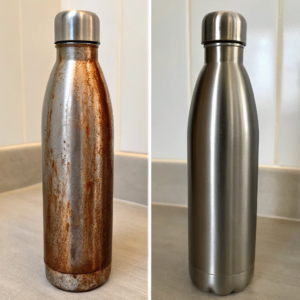
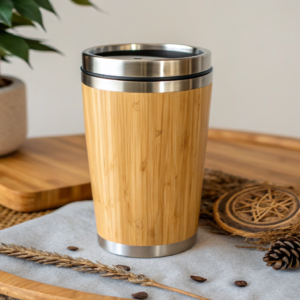
What Is the Best Type of Water Bottle to Use in Hot Weather?
When the heat climbs high, your water bottle choice is critical. You need insulation and material stability to stay safely refreshed.
The best water bottle for hot weather is a vacuum-insulated, double-walled stainless steel bottle because it maintains ice-cold temperatures for up to 24 hours, resists heat transfer, and does not leach chemicals like some plastics.
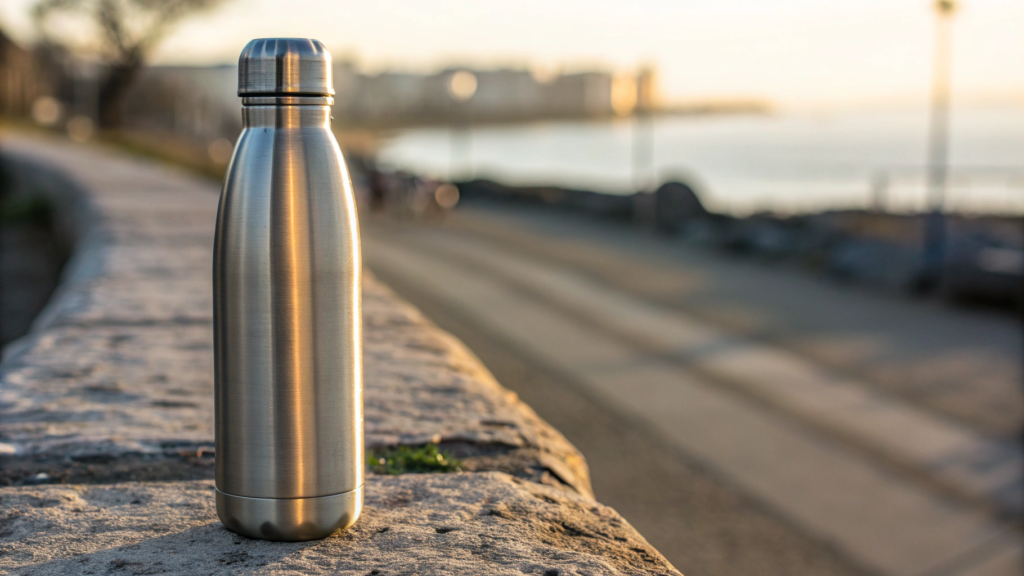
When temperatures rise, the right water bottle can make the difference between staying refreshed and feeling drained. In my view, the best bottle for hot weather isn’t just about capacity $\text{—}$ it’s about insulation, material, and real-world usability. Stainless steel vacuum-insulated bottles stand out because they can keep water cold for up to 24 hours, resisting the heat even when left in a car or on a beach towel. Unlike plastic bottles, they don’t leach chemicals or absorb odors, and they maintain temperature stability without condensation. Yet, not everyone needs a heavy-duty flask $\text{—}$ lightweight aluminum or BPA-free Tritan bottles are better for short trips or workouts where portability matters most. The key is matching design to environment: wide mouths for ice, powder-coated finishes for grip, and leak-proof lids for mobility. The best bottle isn’t the most expensive $\text{—}$ it’s the one that supports your hydration habits effortlessly, no matter how hot the day gets.
Is Rubber or PVC Better for a Hot Water Bottle?
You might be confusing drinking bottles with hot water bottles used for warmth. The materials work very differently when heat is involved.
For a true hot water bottle used for external heat therapy, natural rubber1 is generally better than PVC. Rubber is more pliable, durable against repeated heating, and is less likely to degrade or leach odors when filled with hot water.
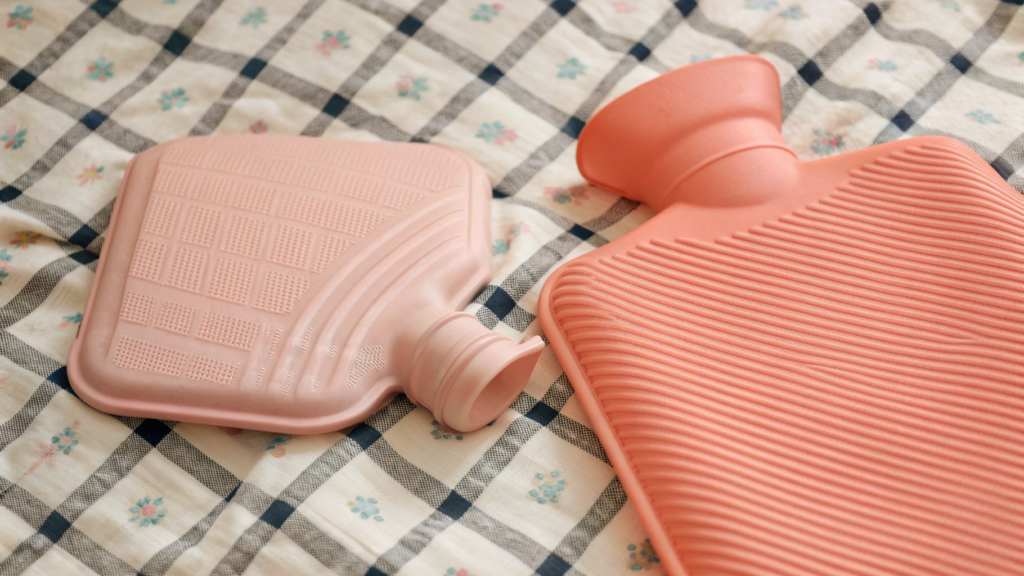
When we switch context from keeping drinks cold to keeping external heat contained, the material science changes entirely. If you are thinking of the type of bottle used for aches or keeping warm, you are dealing with rubber (often natural latex) or PVC (Polyvinyl Chloride). As someone focused on material integrity, I advise against PVC for prolonged use with high heat. PVC can degrade and release chemicals when exposed to very hot water over time. Natural rubber, on the other hand, is specifically manufactured for this purpose. It offers better heat retention and remains flexible without becoming brittle or releasing harsh odors. My recommendation is always to check the material standards. Look for bottles that meet specific safety standards for heat retention and leaching. While some modern, high-grade plastics are used, rubber remains the traditional and often superior choice for thermal comfort and safety when dealing with high-temperature water. For drinking bottles, neither material is ideal for hot weather storage, as both can transfer heat or leach, but for thermal therapy, stick to tested rubber.
Hot Water Bottle Material Comparison
| Material | Heat Stability & Safety | Flexibility & Feel | Typical Use Case |
|---|---|---|---|
| Natural Rubber | Excellent heat retention; safe when properly manufactured. | Very soft, pliable, conforms well to the body. | External heat therapy, comfort. |
| PVC2 (Plastic) | Can degrade or leach chemicals with very hot water over time. | Stiffer than rubber; can hold an odor. | Less ideal for sustained high heat applications. |
Is It Better to Use a Glass or Metal Water Bottle?
You are choosing between two inert materials for your daily hydration. Both are safe, but one wins on portability and one on purity.
For hot weather drinking, metal (specifically vacuum-insulated stainless steel3) is better than glass because it offers superior insulation and portability. Glass is purer in taste but heavy and very fragile in active environments.
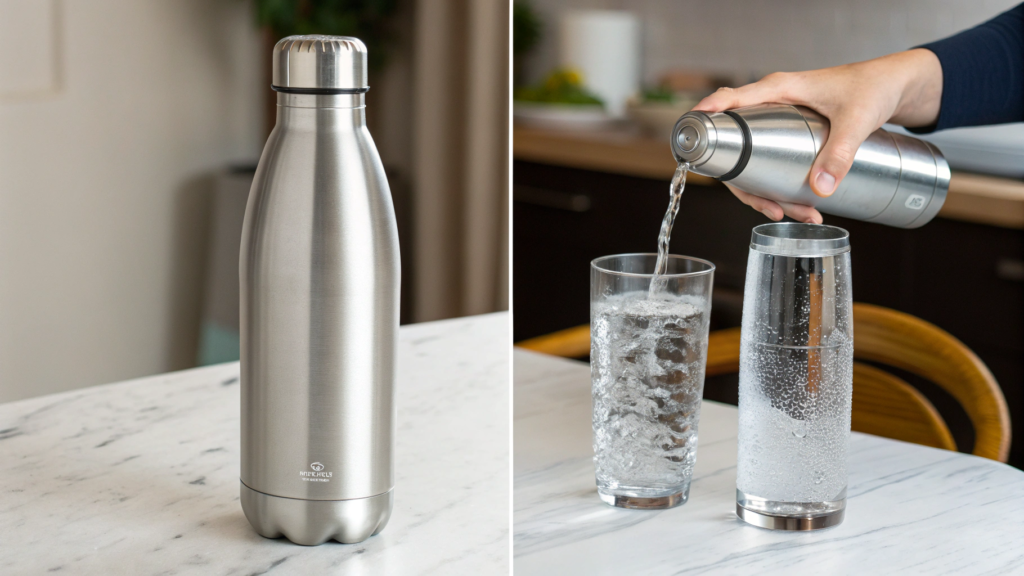
This comparison highlights the trade-off between taste purity and practical durability, which is a common dilemma in product sourcing. Glass bottles are chemically inert. This means the water tastes exactly as it should, with zero metallic or plastic aftertaste, making them excellent for taste purists or for short office use. The problem in hot weather, especially during outdoor activities, is their fragility and weight. If you drop a glass bottle on pavement or rock, it breaks. If you leave it in the sun, the water heats up quickly because glass offers almost no insulation. Metal bottles, especially those made of high-grade 18/8 or 304 stainless steel with vacuum insulation, solve the portability and temperature issues completely. They keep your water frigid all day. While some users report a slight metallic taste if the insulation fails or if the bottle is unlined, this is rare in quality brands. For active hydration in hot weather, where maintaining a cold temperature and resisting breakage are top priorities, the insulated metal bottle is undeniably the superior, more reliable choice. Portability wins out over absolute taste neutrality in extreme heat scenarios.
Material Pros and Cons for Hot Weather Drinking
| Material | Pro in Hot Weather | Con in Hot Weather |
|---|---|---|
| Insulated Stainless Steel | Keeps water cold for hours; highly durable; sweat-proof exterior. | Can be heavy; higher initial cost. |
| Glass | Purest taste; zero chemical leaching risk. | Very heavy; high risk of breakage; no insulation. |
| Lightweight Aluminum | Very light and portable. | Poor insulation unless specifically lined; can dent easily. |
Conclusion
The vacuum-insulated stainless steel bottle is best for hot weather as it offers maximum cold retention, durability, and zero condensation, perfectly supporting continuous, effortless hydration.