What are the safest materials for kids' water bottles?
Choosing the wrong bottle can expose your child to hidden chemicals and bacteria buildup. Most parents focus on labels, but the real safety lies in how materials handle daily wear and tear.
The safest materials for kids' water bottles are 18/8 food-grade stainless steel and medical-grade silicone. These materials are chemically inert, meaning they won't leach toxins into drinks, and they are durable enough to withstand being dropped or heated without breaking down.
I have spent years looking at how products are made and how they actually perform in your hands. It is one thing to see a "BPA-free" sticker in a store, but it is another thing to see how that bottle looks after three months of school lunches and playground drops. You want a bottle that stays safe even when it gets beat up.
What is the healthiest water bottle material?
Picking a material that stays stable is the most important step for your child's health. You need something that does not change or release chemicals when it gets hot or scratched up.
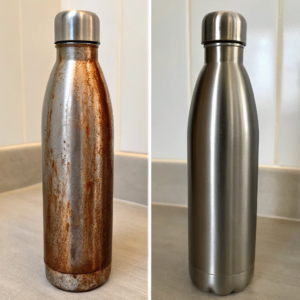
Food-grade stainless steel is the healthiest material because it does not need a chemical liner to stay rust-free. It is non-porous, so it does not hold onto flavors or bacteria, making it much safer for long-term daily use compared to most alternatives.
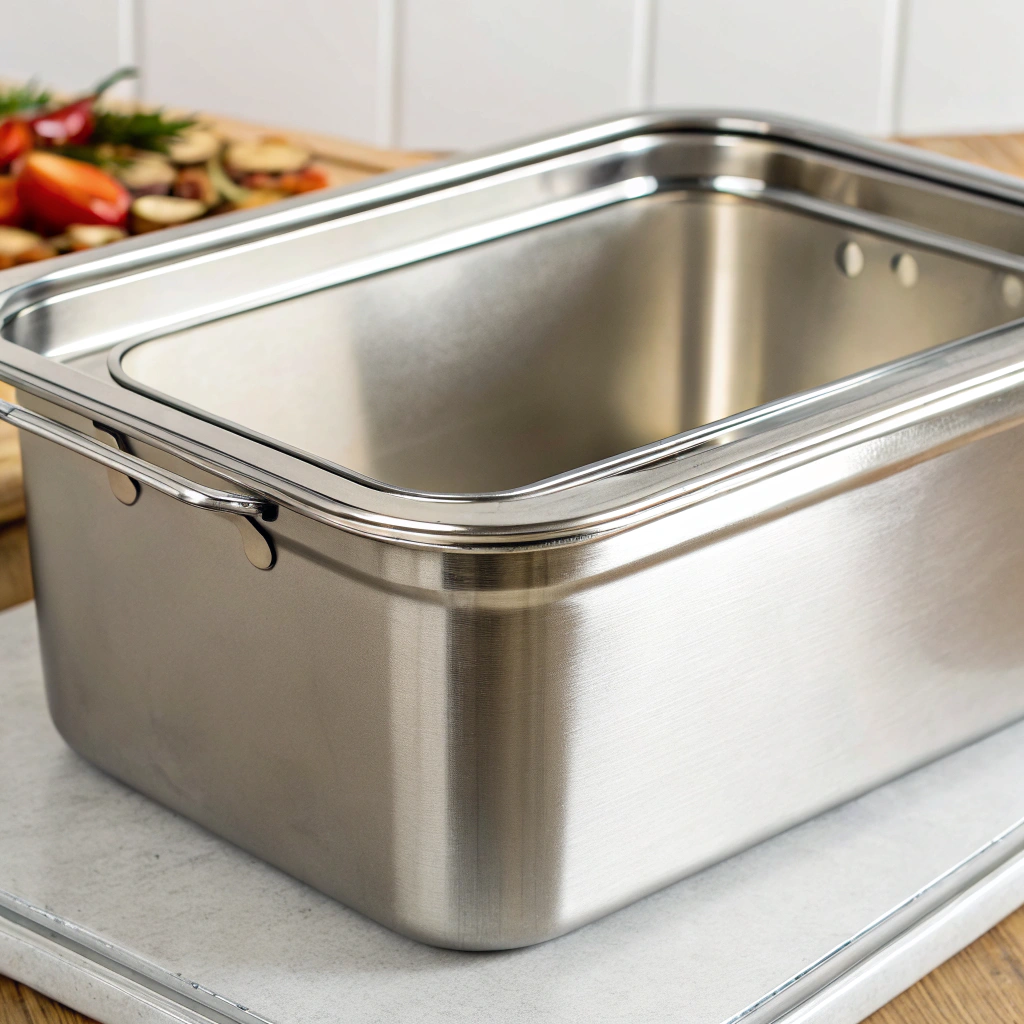
In my experience, 18/8 or 304 stainless steel is the gold standard for a reason. I have worked with many different materials in production, and steel is the only one that stays the same day after day. It is a solid material all the way through. Unlike some aluminum bottles that use a thin plastic coating inside, stainless steel is just metal. This means even if the bottle gets a dent from being dropped on the sidewalk, the inside is still perfectly safe.
| Material | Safety Level | Durability | Best Use Case |
|---|---|---|---|
| Stainless Steel (18/8) | High | Excellent | Daily school use and outdoor play |
| Glass (Borosilicate) | High | Low | At home or older kids (with sleeves) |
| Tritan Plastic | Medium | High | Lightweight sports or backup bottles |
| Food-Grade Silicone | High | High | Straws, seals, and toddler training |
I often tell people that safety is about predictability. When a child leaves a bottle in a hot car, you want to know that the heat isn't causing the bottle to leak chemicals into their water. Stainless steel gives you that peace of mind because it is heat-resistant and does not react with liquids.
What are the top 5 safest bottled waters1?
Sometimes you are on the go and need to grab a quick bottle of water from a shop. Not all bottled water is treated the same way or stored in the same quality of plastic.
The safest bottled waters are typically those that use rigorous filtration like reverse osmosis and come from brands with high transparency. Top choices include Essentia, FIJI Water, Acqua Panna, Evian, and Mountain Valley Spring Water.
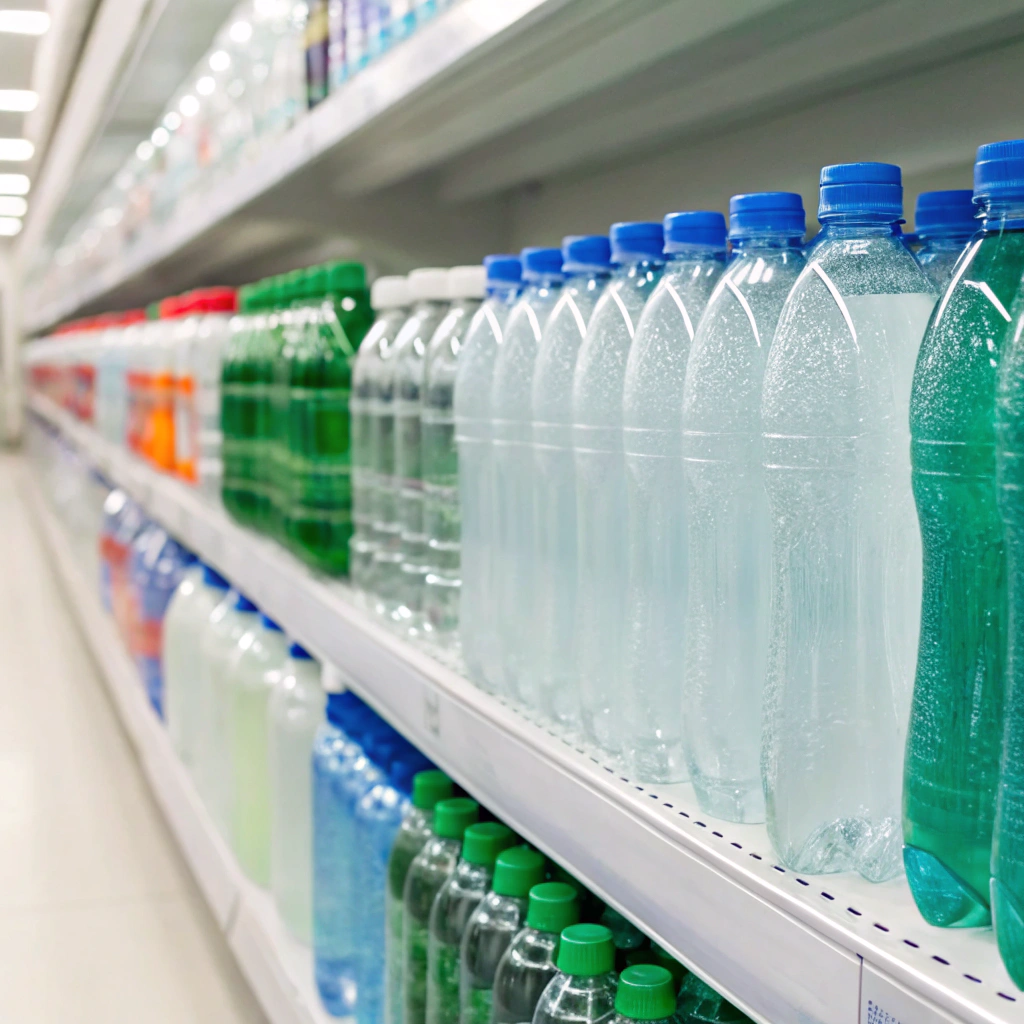
When I look for bottled water, I look at how the company filters the water and what kind of bottle they use. Brands like Mountain Valley are great because they often use glass bottles, which removes the risk of plastic leaching entirely. Evian and FIJI are known for having very consistent mineral profiles and strict testing. I prefer these because they are reliable. You can find their water quality reports online easily, which shows they have nothing to hide.
I remember once helping a client source promotional items, and we looked deep into water quality. We found that the biggest risk isn't just the water source, but how long the plastic bottle has been sitting in a warm warehouse. If you must buy plastic, look for brands that use BPA-free2, high-quality PET and keep them out of the sun. These five brands generally lead the market in purity and safety standards.
What is the safest material for a water bottle for kids?
For kids, safety is about more than just chemicals; it is also about hygiene and how easy it is to keep the bottle clean. A bottle that grows mold in hidden cracks is just as dangerous as one with bad chemicals.
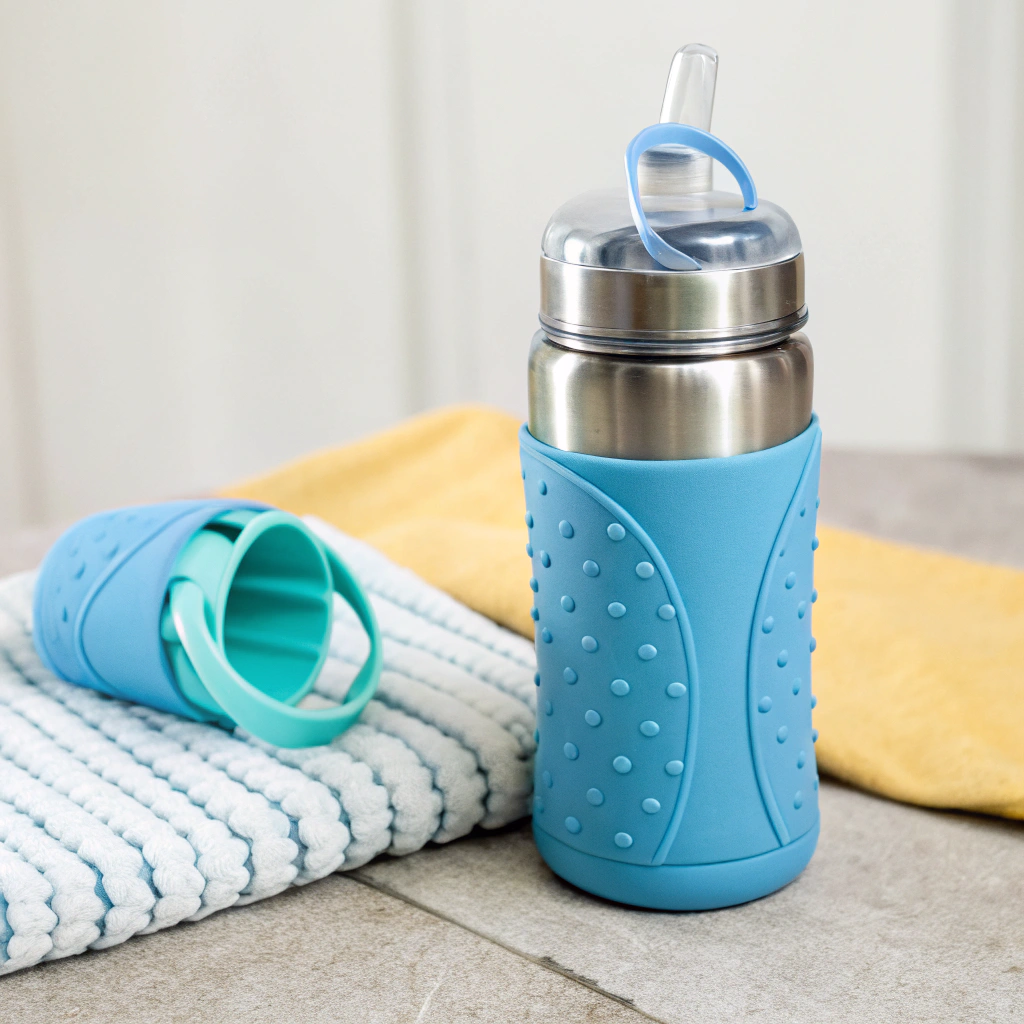
The safest choice for kids is a stainless steel bottle with a simple, wide-mouth design and a medical-grade silicone straw3. This combination is durable, non-toxic, and prevents bacteria from hiding in hard-to-reach places or complex lid mechanisms.
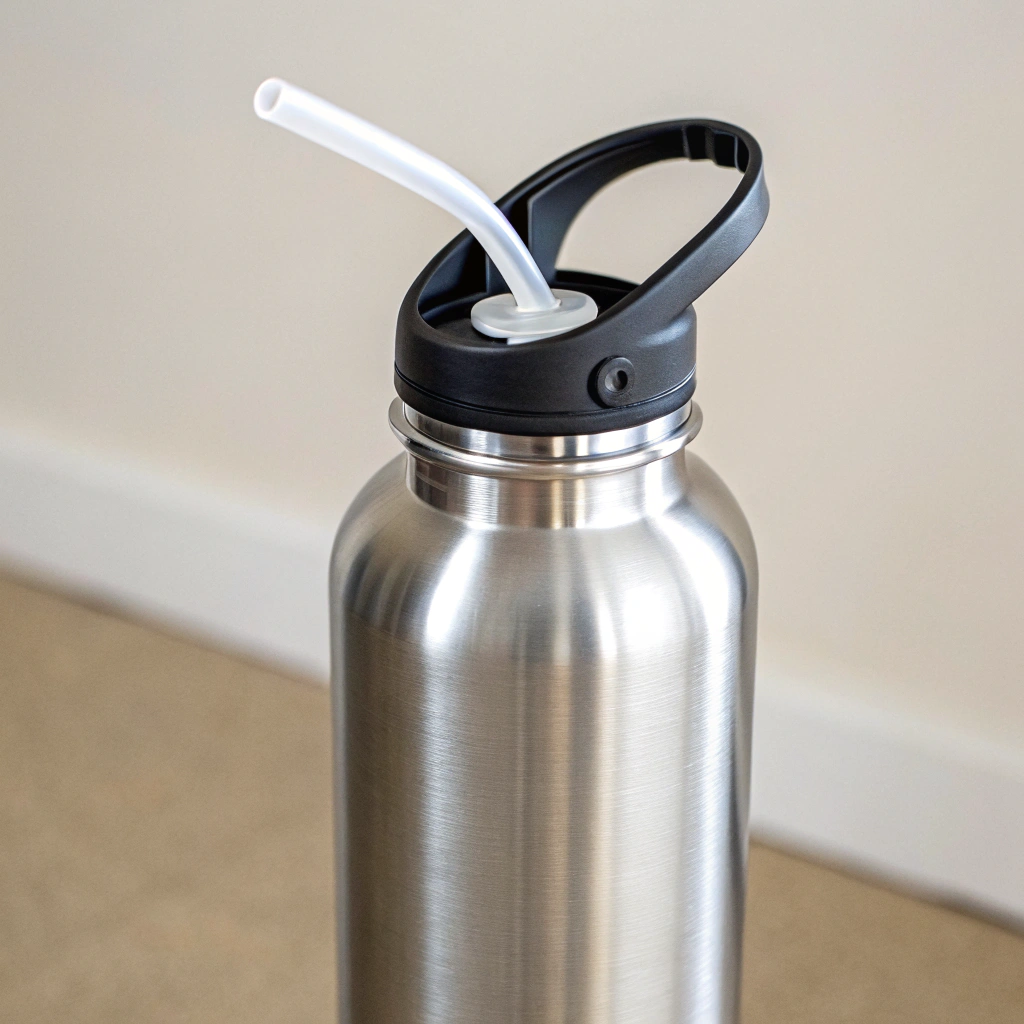
I have seen so many "cool" bottles with complicated flip-tops and hidden straw valves. While they look fun, they are a nightmare to clean. In my work, I have learned that if a part is hard to reach, it will eventually grow mold. I always suggest parents choose bottles with the fewest parts possible. A wide opening allows you to see right to the bottom and get a brush in there easily.
Kids are also tough on their gear. I once saw a plastic "BPA-free" bottle crack after one drop, creating sharp edges and tiny plastic bits. A stainless steel bottle might get a dent, but it won't shatter. Silicone is the perfect partner for steel because it is soft on teeth and gums but can be boiled to kill germs. When you combine these two, you get a bottle that lasts for years instead of months.
Conclusion
The safest bottle for your child is one made of 18/8 stainless steel. It stays clean, does not leach chemicals, and survives every drop. Simple designs always win for long-term health.