What are the best water bottles for children?
Is your child's water bottle sitting unused at the bottom of their school bag? Many parents struggle with hydration because they choose bottles based on trends rather than a child's actual needs.
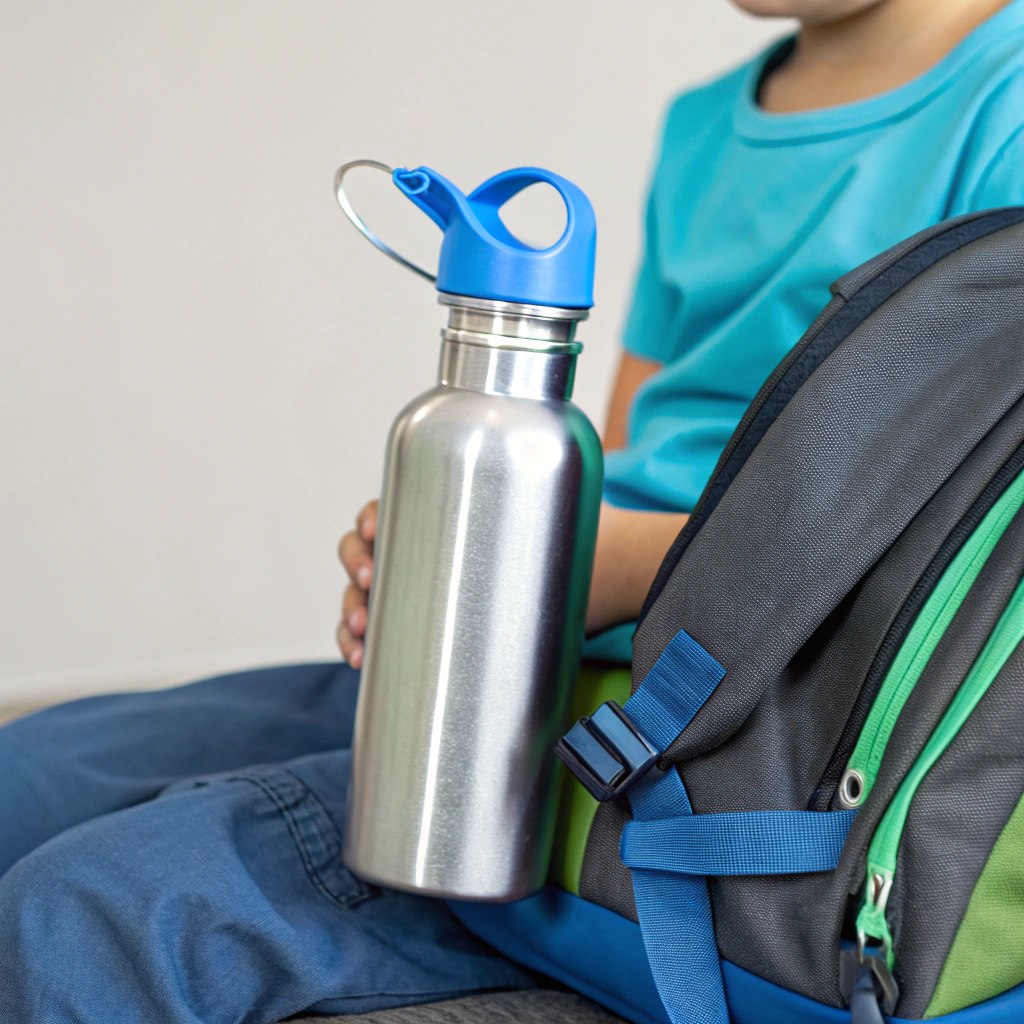
The best water bottles for children are made from food-grade stainless steel with easy-to-use, leak-proof lids. They should be lightweight enough for small hands and have simple, removable parts for thorough cleaning. A bottle that combines safety with a design children love will naturally encourage better hydration habits.
I have seen many parents spend a lot of money on "premium" bottles that are simply too heavy or complicated for a six-year-old to open. In my experience with branding and product design, the best gear is the stuff that gets used every day. If a bottle is hard to clean or difficult to carry, it won't help your child stay healthy. To find the perfect fit, you have to look at the balance between safety and fun.
What type of water bottle is best for kids?
Do you prioritize the material of the bottle, or how easy it is for your child to sip from it? While safety is the top priority for parents, children only care about how the bottle works during their busy day at school or play.
Food-grade stainless steel is the best material because it is durable and chemical-free. However, for younger kids, a straw-top lid is often best as it encourages sipping and reduces the risk of messy spills.
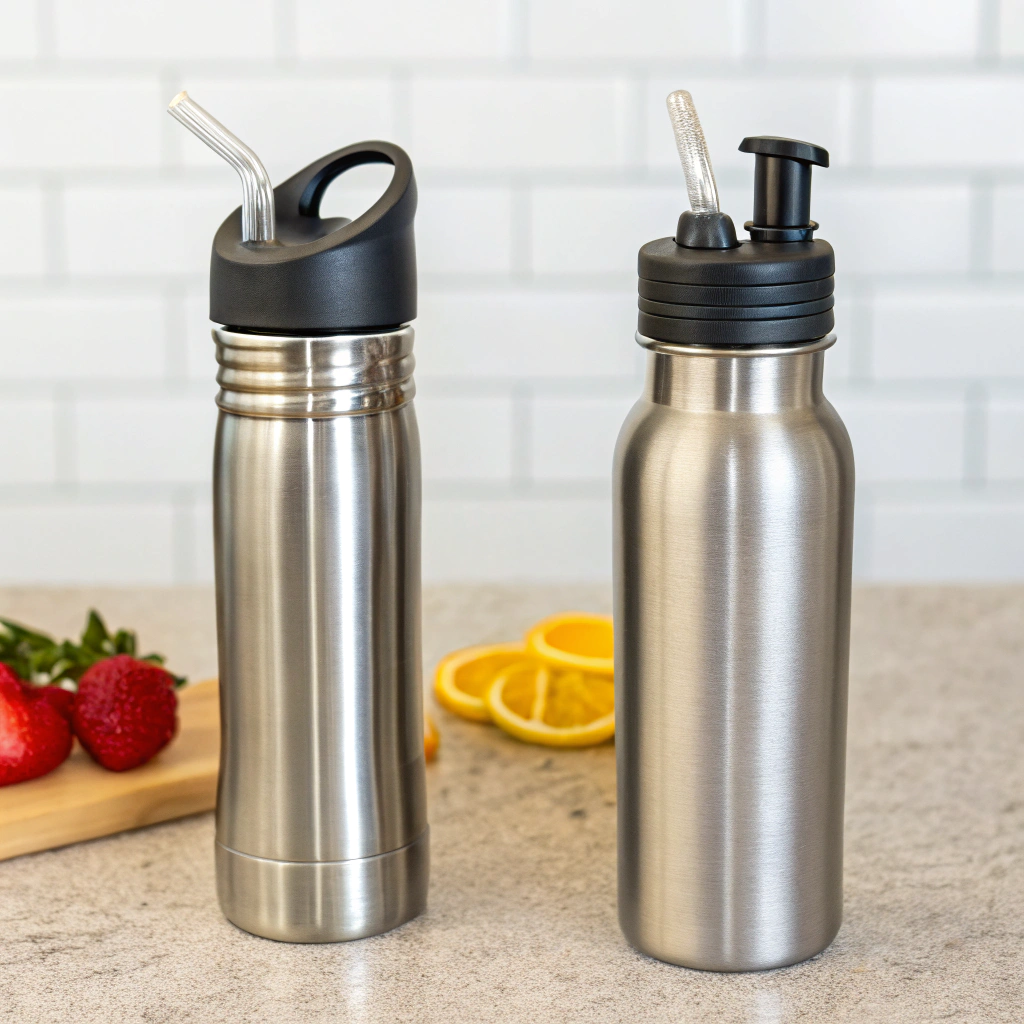
When I help clients like Jacky source items for family-focused events, I always suggest 304 stainless steel. It doesn't hold onto smells and can survive being dropped on a playground multiple times. I remember one project where we tested different lids for toddlers. We found that if the button was too stiff, the kids just stopped drinking because they couldn't open it themselves. Independence is a huge motivator for children.
You also need to think about the weight. A large, insulated bottle might keep water cold for 24 hours, but if it is too heavy for a backpack, it stays at home. I usually recommend smaller 12oz or 16oz sizes for elementary students. These are easier to handle and fit perfectly into side pockets. Also, make sure the bottle has a wide mouth. This makes it easier for you to drop in ice cubes and, more importantly, much easier to scrub out the hidden mold that loves to grow in dark corners.
| Age Group | Best Material | Lid Recommendation | Key Benefit |
|---|---|---|---|
| Toddlers (1-3) | Lightweight Plastic / Steel | Silicone Straw | Soft on teeth, easy to sip |
| Preschool (3-5) | Insulated Stainless Steel | Push-button Flip Top | Encourages motor skills |
| School Age (6-12) | Durable Stainless Steel | Sport Cap / Straw | Leak-proof for backpacks |
| Teens (13+) | Large Capacity Steel | Screw Cap / Chug | High volume for sports |
What are the top 5 healthiest bottled waters?
Are you looking for the safest bottled water for your family when you are on the go? While tap water is often great, sometimes you need a reliable bottled option that guarantees purity and a balanced mineral content for growth.
The healthiest bottled waters are those with a neutral pH and high mineral content, such as Icelandic Glacial, Evian, Fiji, Mountain Valley Spring Water, and Essentia. These brands focus on natural filtration and avoid harmful plastic additives.
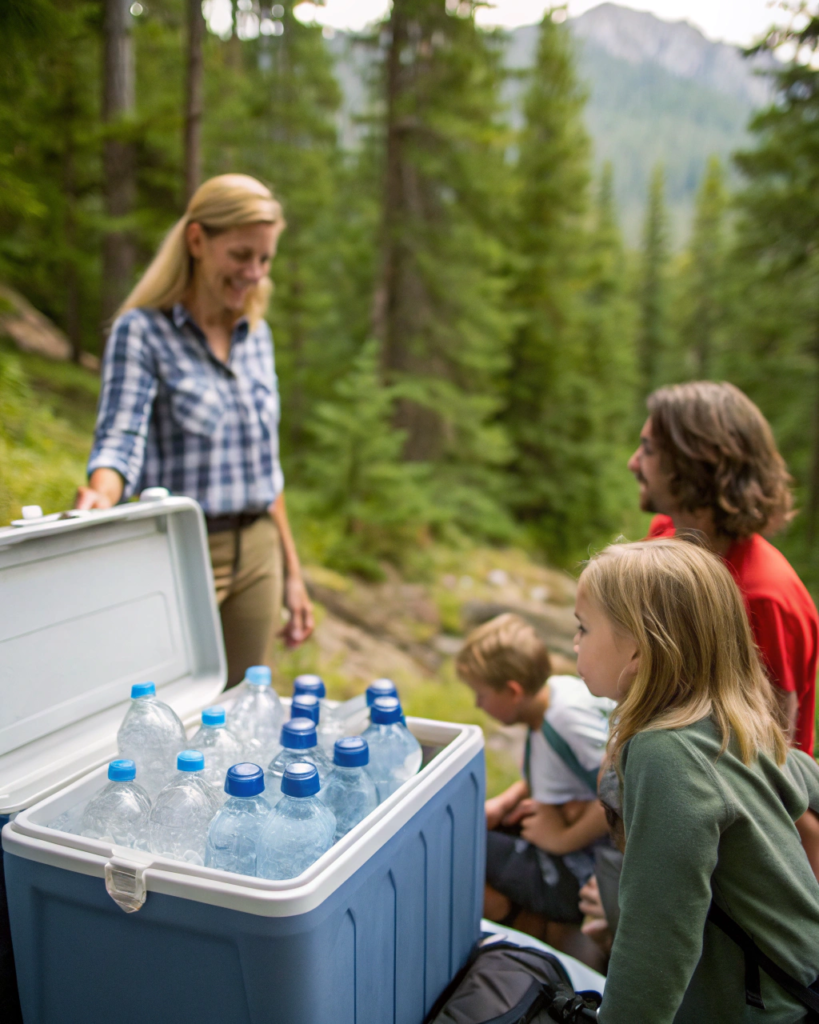
In the corporate gifting world, we often pair high-end reusable bottles with premium water for events. I have learned that "purified" water is often just treated tap water, which can sometimes lack the natural electrolytes children need. Spring waters like Evian or Fiji come from natural sources and have a taste that most kids actually prefer because it is smooth and crisp.
If you are buying bottled water frequently, I always suggest checking the bottle itself. Look for brands that use BPA-free plastic or, even better, glass and aluminum. However, for a child's daily school life, the healthiest "bottled water" is actually filtered water from home kept in a clean stainless steel container. This avoids the risk of microplastics entirely. I tell my clients that a good reusable bottle is like a shield—it keeps the bad stuff out while keeping the healthy water in.
| Water Brand | Source Type | Why it's Healthy |
|---|---|---|
| Icelandic Glacial | Spring | Naturally alkaline, carbon neutral |
| Evian | Spring | High mineral content, very pure |
| Fiji | Artesian | High silica content, smooth taste |
| Mountain Valley | Spring | Bottled in glass, very low acidity |
| Essentia | Ionized | High pH, great for active kids |
What is the safest water bottle to drink?
Is your current bottle actually safe, or is it slowly leaching chemicals into your child's drink? Safety isn't just about what is in the material; it is about how the material reacts to heat, scratches, and daily wear.
The safest water bottle to drink from is one made of 18/8 food-grade stainless steel or borosilicate glass. These materials are non-porous and inert, meaning they do not leach chemicals or harbor bacteria in deep scratches like some plastics do.
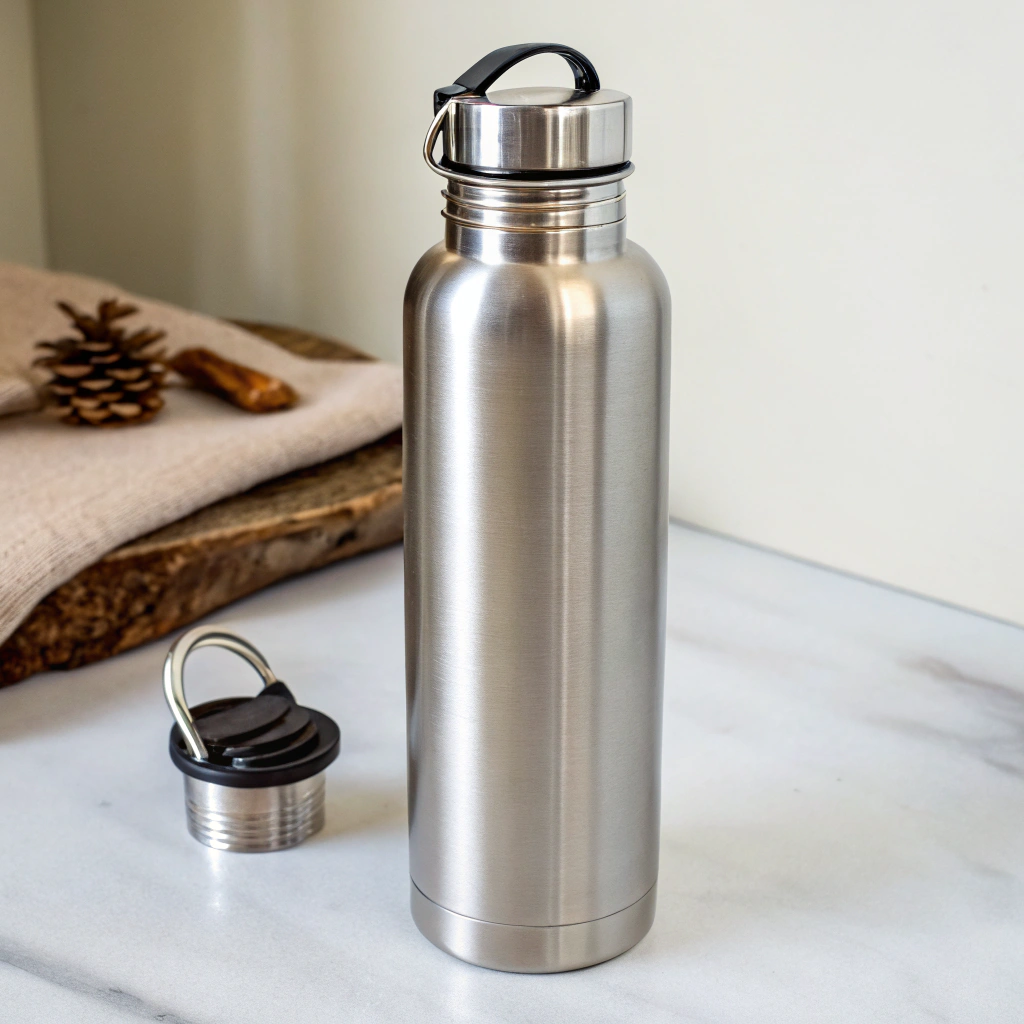
I have spent a decade explaining to people why "cheap" is often expensive in the long run. I once saw a batch of low-quality plastic bottles that smelled like chemicals the moment they were opened. That is a huge red flag. For children, the "safest" bottle is also the one that is the easiest to keep clean. I am a big fan of simple designs with fewer "hidden" spots. If a lid has five different moving parts, it is a nightmare to sanitize.
From a branding perspective, I always look for certifications. A safe bottle should be BPA-free, BPS-free, and phthalate-free. But even a safe bottle becomes dangerous if mold grows in the straw. That is why I tell parents to choose bottles that are dishwasher safe or have removable silicone parts. If you can't see every part of the bottle during cleaning, it's not truly safe. Investing in a high-quality brand ensures that the steel won't rust and the plastic won't break down, keeping your child safe for years.
| Safety Factor | Stainless Steel | Glass | Plastic (BPA-Free) |
|---|---|---|---|
| Chemical Leaching | Zero | Zero | Possible if heated |
| Durability | Excellent | Fragile (unless sleeved) | Moderate |
| Hygiene | High (Odor resistant) | Highest | Moderate (Can scratch) |
| Weight | Heavier | Heaviest | Lightest |
Conclusion
The best water bottle for a child is a lightweight, 18/8 stainless steel container with an easy-to-clean lid. Focus on safety, durability, and a design that makes your child proud to carry it every day.
My Role
About me:
Latitude Experience Pte Ltd was founded by Francis Loh, a passionate advocate for branding through corporate gifts. Beginning his career in a humble printing factory, Francis gained hands-on experience in production, design, and client servicing. With a deep understanding of the printing and gifting industries, he later established Latitude to help businesses elevate their brand presence through meaningful, well-crafted promotional gifts.
Over the years, Latitude has supported numerous clients in growing their businesses with practical and impactful gifting strategies. Grateful for the opportunities the industry has brought him, Francis is now committed to giving back—sharing his knowledge, insights, and experiences to help others succeed in their branding journey through corporate gifts.