What Are Metal Water Bottles Made Of?
Are you worried about hidden chemicals in your drink? Many people buy metal bottles thinking they are all the same, but low-grade materials can affect your health and the taste of your water.
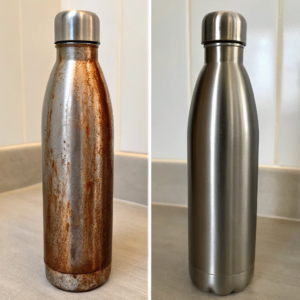
Most high-quality metal water bottles are made of 18/8 food-grade stainless steel, also known as 304 grade. This material is popular because it is durable, rust-resistant, and chemically inert, meaning it won't leach metallic flavors or harmful chemicals into your water even after years of daily use.
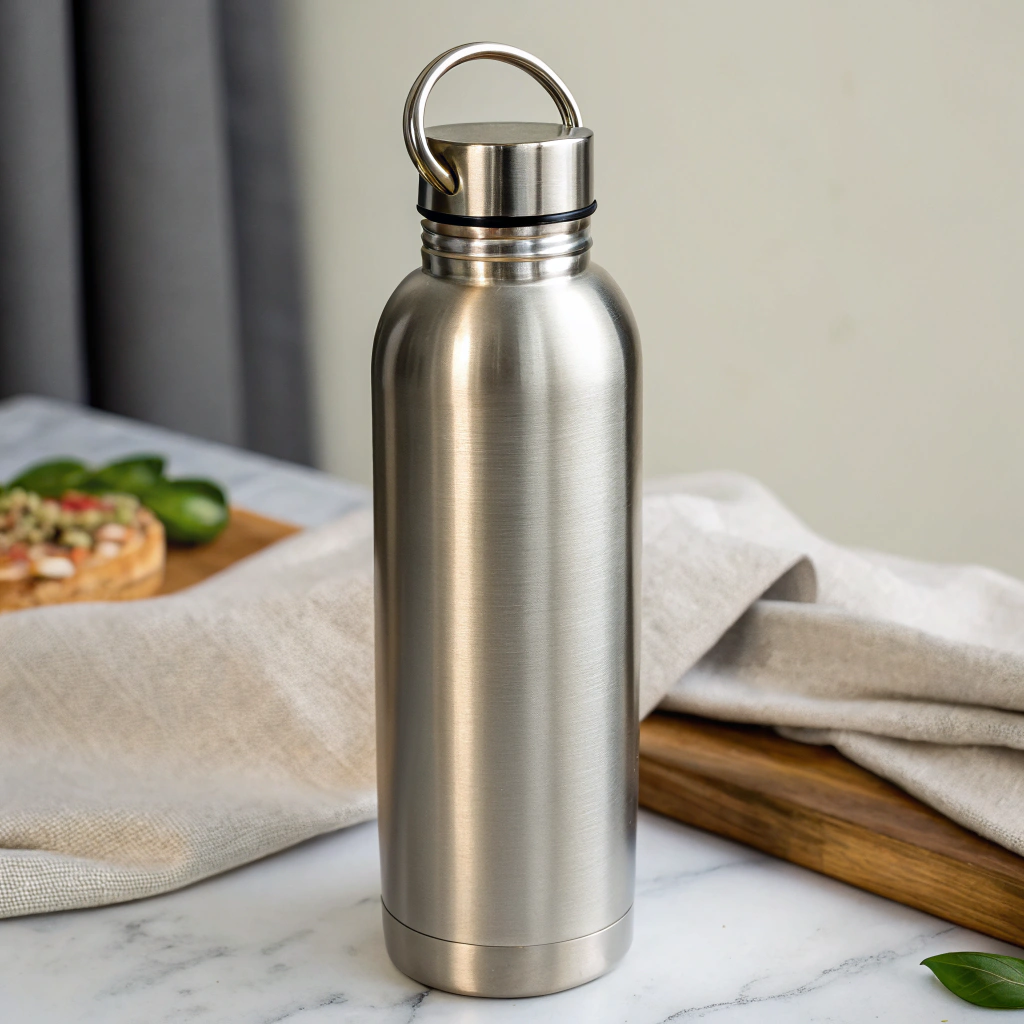
I have spent a lot of time in production settings, and I have seen how different metals react to heat and wear. Managers like Jacky often ask me why one bottle costs five dollars and another costs fifteen. The answer is usually in the grade of the metal. In my experience, choosing the "gold standard" of 304 stainless steel is a sign of brand quality. It tells your clients that you care about their safety and the long-term value of the gift. A bottle isn't just a container; it is a tool people use every day, so the material integrity is everything.
Is It Good To Drink Water From A Metal Bottle?
Is switching from plastic to metal actually better for you? Many people make the change for the environment, but the personal health benefits are just as important for your daily routine.
Yes, drinking from a high-quality stainless steel bottle1 is excellent for your health. Unlike plastic, food-grade metal does not contain BPA or phthalates. It is also non-porous, which means it resists bacteria buildup and does not retain smells or flavors from previous drinks, keeping your water fresh and clean.
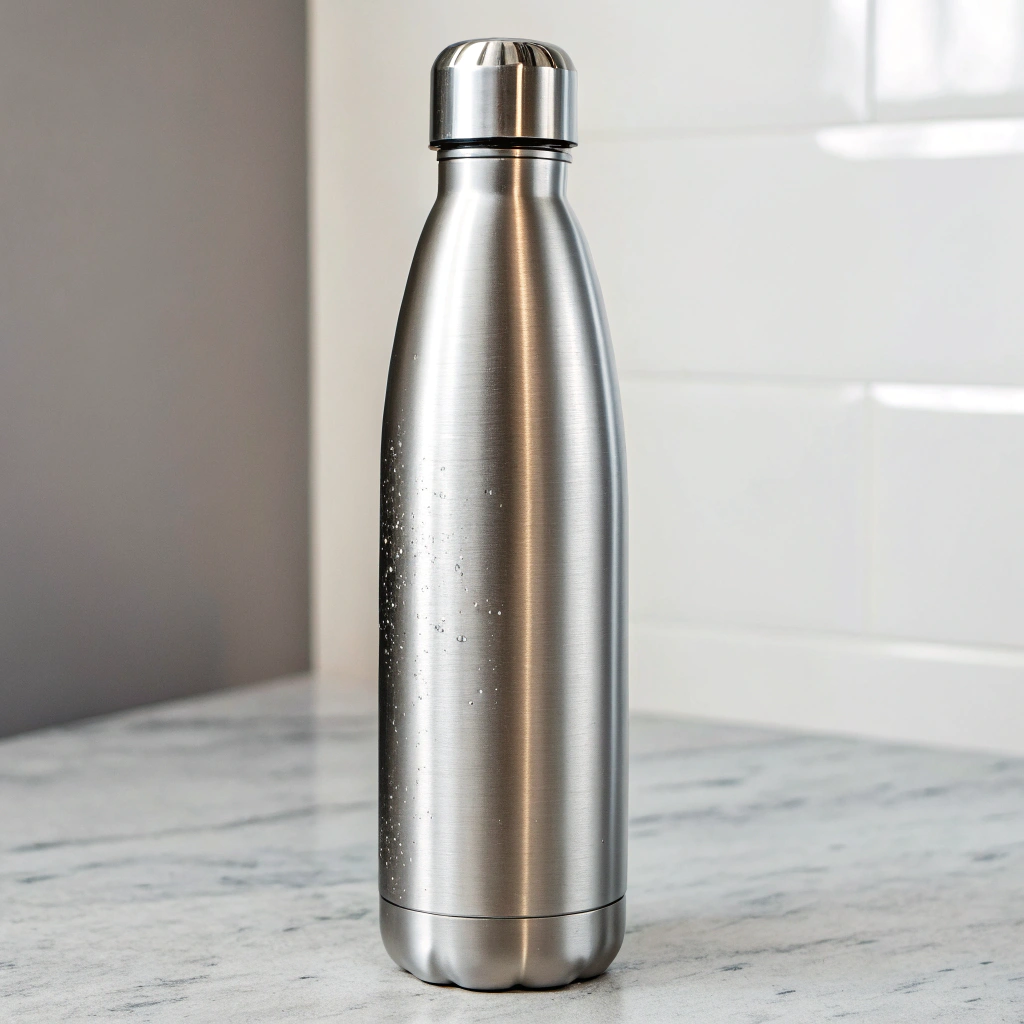
I always suggest stainless steel over aluminum for health-conscious brands. Aluminum bottles often need a plastic lining inside to stop the metal from touching your drink. If that lining scratches, you might taste the metal. Stainless steel does not need a liner because it is naturally stable. I remember a client who gave out cheap aluminum bottles, and half the staff stopped using them because of a "tinny" taste. When they switched to 304 stainless steel2, the feedback was completely different. People felt safe using them.
To understand why stainless steel is the top choice, look at this comparison:
| Feature | 304 Stainless Steel | Aluminum (Lined) | Plastic (BPA-Free) |
|---|---|---|---|
| Chemical Safety | Excellent (Inert) | Risk if lining breaks | Good, but can degrade |
| Durability | Very High | Moderate (Dents easily) | Moderate (Cracks) |
| Taste Purity | No flavor retention | Possible metallic taste | Can smell like old juice |
| Heat Retention | Excellent (if vacuum) | Poor (Single wall) | Poor |
Construction also plays a huge role in the "good" experience. High-quality bottles use double-wall vacuum insulation3. This means there are two layers of steel with a vacuum gap in between. This doesn't just keep your coffee hot for 12 hours; it also prevents "sweating" on the outside of the bottle. This precision engineering is what distinguishes a professional gift from a cheap novelty. When a bottle performs well, it builds a positive story for your brand every time the user takes a sip.
What Are The Disadvantages Of Metal Water Bottles?
If metal is so great, why does anyone use anything else? Every product has its downsides, and understanding these helps you choose the right model for your specific needs.
The main disadvantages of metal water bottles are their weight, higher cost, and potential for denting. Insulated metal bottles are heavier than plastic, making them less ideal for long hikes. Additionally, if dropped hard, the vacuum seal can break, which ruins the bottle's ability to keep drinks cold or hot.
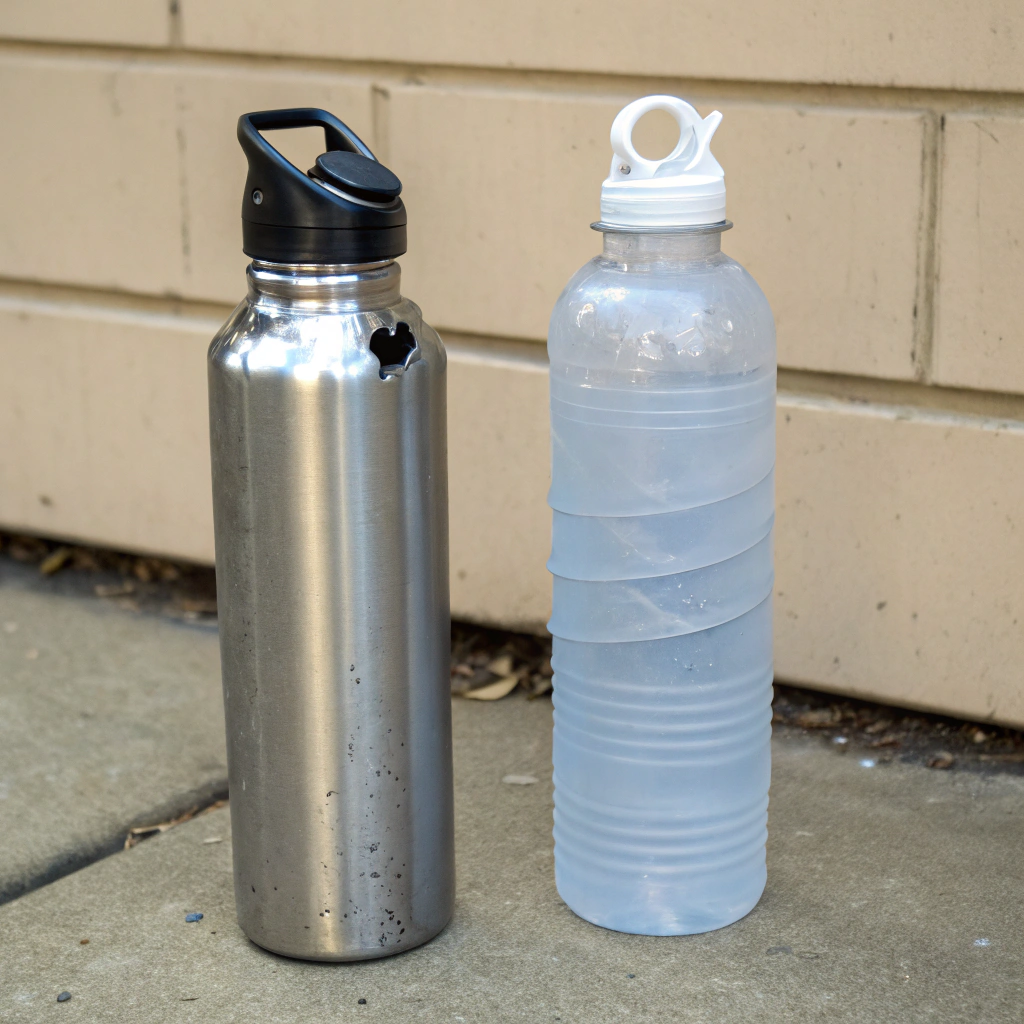
I always tell my clients like Jacky to be honest about how the gift will be used. If you are giving gifts to people who travel a lot, weight is a real factor. Also, the surface treatment matters. Cheaply painted metal bottles look great for a week, but then the paint starts to peel and flake off. This looks very unprofessional for a corporate brand. That is why I recommend powder coating. It is a bit more expensive, but it resists scratches and gives a better grip. If you choose a metal bottle, you are choosing "heavy-duty," but you must accept that it isn't as light as a feather.
We can break down these challenges and how to solve them:
- Weight: Choose single-wall stainless steel if you need something lighter (but you lose insulation).
- Denting: Look for bottles with a thicker base or a silicone "boot" at the bottom for protection.
- Cost: Think of it as a long-term investment. One $15 metal bottle lasts longer than ten $2 plastic ones.
- Noise: Metal on metal can be loud. Using a silicone lid or base helps reduce the "clanging" sound in a quiet office.
| Disadvantage | Why it Happens | How to Fix It |
|---|---|---|
| Peeling Paint | Low-quality spray paint | Use Powder Coating instead |
| Metallic Taste | Low-grade steel (201 grade) | Only use 304 Food-Grade steel |
| Bulkiness | Double-wall insulation | Choose "Slim" designs for cup holders |
I have seen many brands fail because they tried to save a few cents on the paint or the steel grade. If the paint peels off your logo in a month, your brand looks like it is "peeling" too. Investing in the right finish and the right grade of metal is the only way to avoid these common pitfalls. It is about sustained relevance, not just the first impression.
Why Did We Stop Using Glass Bottles?
If glass is so clean and safe, why did metal take over the market? Glass was the standard for a long time, but modern lifestyle needs changed the game for everyone.
We largely stopped using glass for portable water bottles because it is heavy, fragile, and lacks insulation. While glass is excellent for taste purity, it breaks easily during travel or exercise. Metal bottles provide the same chemical safety as glass but are much more durable and can keep drinks at a specific temperature for much longer.
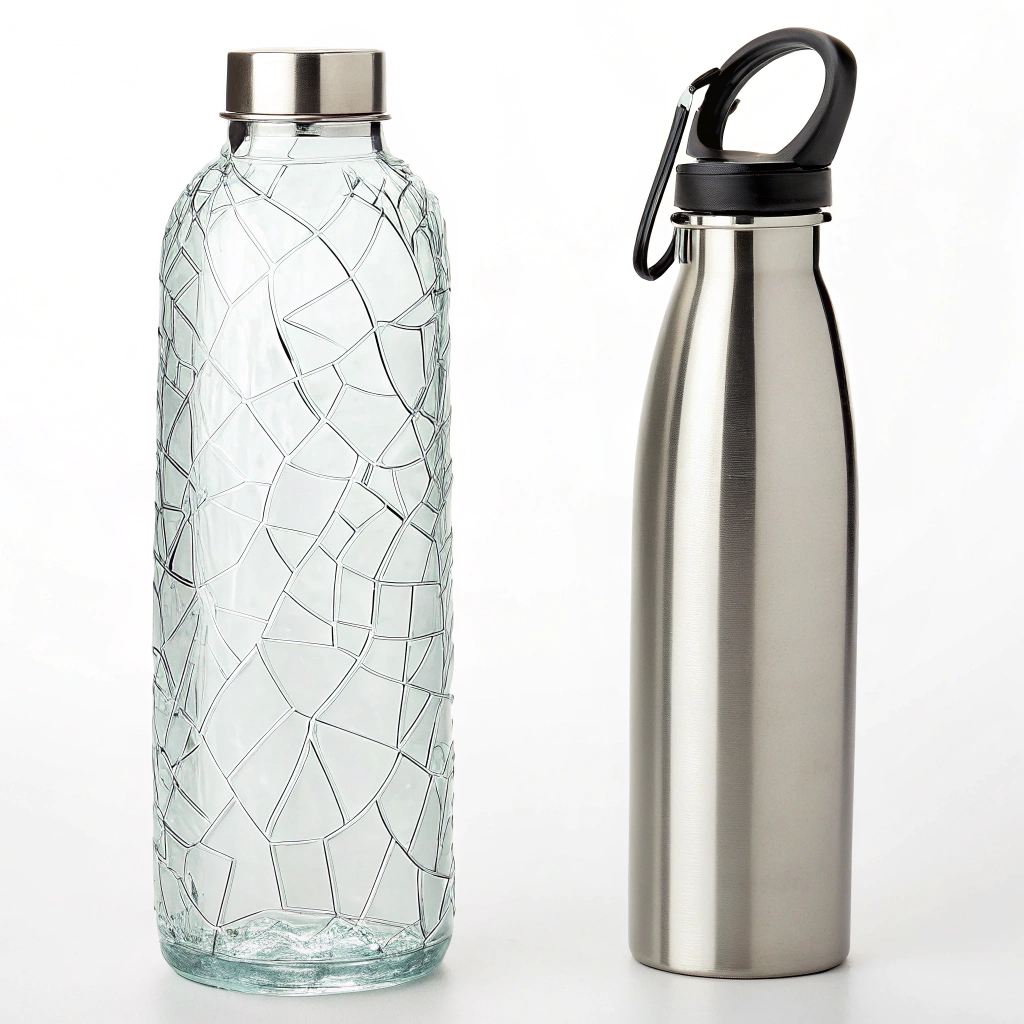
I remember when glass bottles were popular in offices. They looked beautiful on a desk, but the moment someone dropped one in the cafeteria, it was a safety hazard. In the corporate world, safety is a huge concern. You don't want your brand associated with broken glass. Metal offers the "best of both worlds." It is as safe as glass but "tough" enough for a busy manager like Jacky. Also, glass cannot hold a vacuum, so your cold water gets warm in thirty minutes. Metal bottles solved the temperature problem that glass never could.
Why Metal Replaced Glass in Gifting
- Safety: Metal doesn't shatter. This is crucial for events with children or outdoor activities.
- Insulation: Metal can keep ice frozen for 24 hours. Glass cannot do this.
- Customization: It is much easier and cheaper to laser-engrave a logo onto metal than it is to etch glass.
- Weight: Modern thin-wall steel technology makes metal bottles surprisingly light compared to thick glass.
Even though glass is still great for home use, metal is the clear winner for branding. It allows for vibrant colors, different textures, and a much longer lifespan. When I help businesses choose, I emphasize that metal is "active." It moves with the person from the gym to the office to the car. This movement gives your brand more "eyes" and more value. We moved away from glass because we needed something that could keep up with our fast-paced lives without breaking.
Conclusion
Choosing the right metal bottle is about material integrity and construction quality. High-grade stainless steel ensures safety, durability, and a professional brand image that lasts for years.
-
Explore the health advantages of stainless steel bottles, including safety from harmful chemicals and better taste. ↩
-
Find out why 304 stainless steel is the top choice for safe and durable water bottles. ↩
-
Discover how double-wall vacuum insulation keeps drinks at the desired temperature for longer. ↩