What Are Metal Water Bottles Made Of, and Which Material is Safest for Drinking?
Are you unsure if the metal in your water bottle is safe or healthy? Choosing the wrong metal could affect the taste of your water and your health.
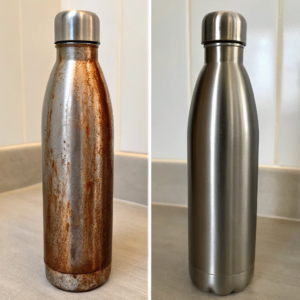
Most metal water bottles are made of either food-grade stainless steel or aluminum. Stainless steel, specifically 304 or 18/8 grade**, is the top choice because it is non-reactive, naturally resistant to bacteria, and does not require an internal liner. Aluminum is lighter but must always have a special epoxy or ceramic liner to prevent the metal from leaching into the water, as aluminum is reactive.
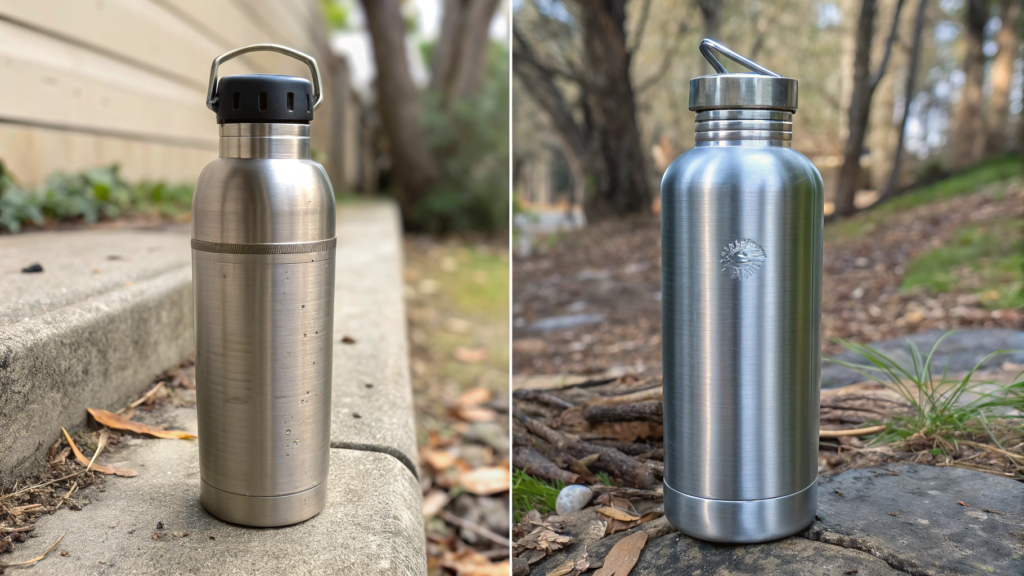
I have spent my career helping parents and businesses choose safe, practical products. When it comes to metal water bottles, safety is the primary concern. The material science is critical. The wrong material can compromise health and ruin the taste of water. For something as simple as a water bottle, you need non-toxicity, durability, and practical design. I always recommend stainless steel because it is safe by science and practical by design. It is nearly indestructible, making it perfect for active use. Aluminum is lighter, but its use requires a hidden coating that is often overlooked. Understanding these differences ensures you pick the best and healthiest bottle. Let us look closer at the metals used.
What metal are metal water bottles made of, and how is it graded?
Are you seeing terms like "304" or "18/8" and wondering what they mean? Knowing the grade ensures you buy a high-quality, safe product.
Metal water bottles are primarily made of two metals: stainless steel or aluminum. Stainless steel is graded by its composition; the most common food-safe grades are 304 or 18/8**. These numbers denote the percentage of chromium (18%) and nickel (8%) in the steel, which makes the metal highly resistant to corrosion and rust. Aluminum bottles are typically made from a single, lightweight grade of aluminum.
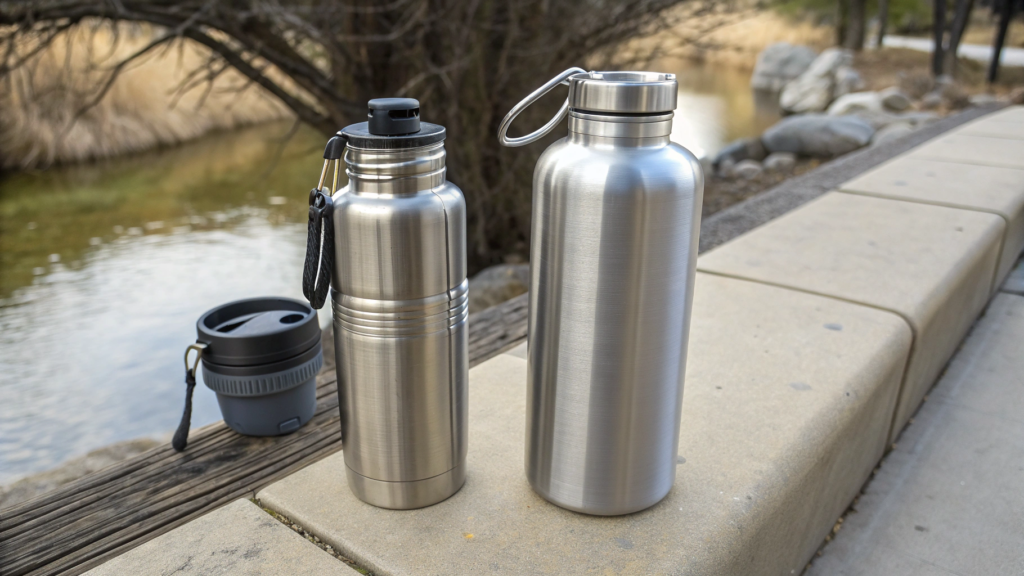
I believe in transparency when it comes to materials. When I source products, I always demand the exact grade of stainless steel1. This number is not just technical jargon. It is your assurance of safety. The difference between a high-grade stainless steel and a cheap, unlined aluminum bottle is vast. It is the difference between health protection and a potential risk. This is especially true for items used daily by children.
Stainless Steel: The Chromium and Nickel Formula
Stainless steel is an alloy, which is a mix of metals. The chromium in the alloy forms a thin, invisible layer on the surface. This layer is what prevents rust and corrosion. It is called the passive layer. If the metal is scratched, this layer self-heals immediately. The $18/8$ number you see is crucial. It means the steel contains 18% chromium and 8% nickel. This formula ensures the metal is highly durable and non-reactive with food and water. This non-reactivity is the key to safety.
Aluminum: The Essential Coating
Aluminum is a naturally abundant, lightweight metal. It is popular for promotional items because of its low density. However, aluminum is chemically reactive. Drinking water or acidic drinks directly from an unlined aluminum bottle is unsafe. The metal can react and leach into the drink. This is why every single aluminum water bottle must have an internal barrier. This barrier is usually an epoxy, resin, or ceramic coating. This coating protects the water from the reactive metal. The safety of an aluminum bottle relies completely on the integrity of this inner coating.
Glass and Tritan as Safe Alternatives
While metal is great for insulation, parents often look for other safe, non-toxic options. Tritan plastic is a popular choice for kids' bottles. It is BPA-free2, shatter-resistant, and lightweight. It also offers transparency, so you can see how much liquid is left. Glass bottles are non-toxic, but their breakability is a major issue for children. However, a thick silicone sleeve can make a glass bottle much safer and more practical. The best material balances non-toxicity with practicality.
| Metal Type | Food-Safe Grade | Requires Internal Lining? | Key Benefit |
|---|---|---|---|
| Stainless Steel | 304 (18/8) | No | Non-reactive, highly durable, self-healing |
| Aluminum | Varies | Yes, always | Extremely lightweight, low cost |
| Tritan Plastic | N/A (BPA-free) | N/A | Transparent, shatter-resistant, safe |
Is it better to drink out of aluminum or stainless steel, especially for durability?
Are you deciding between the two main metal options? The best choice depends on non-toxicity and long-term durability, especially with active use.
It is generally better to drink out of stainless steel** bottles. Stainless steel is non-toxic by nature and does not rely on any internal liner for safety. Aluminum bottles, while lighter, rely entirely on a protective liner that can scratch or degrade over time. Since stainless steel bottles are nearly indestructible, they offer superior durability3 and eliminate the risk of the inner lining failing.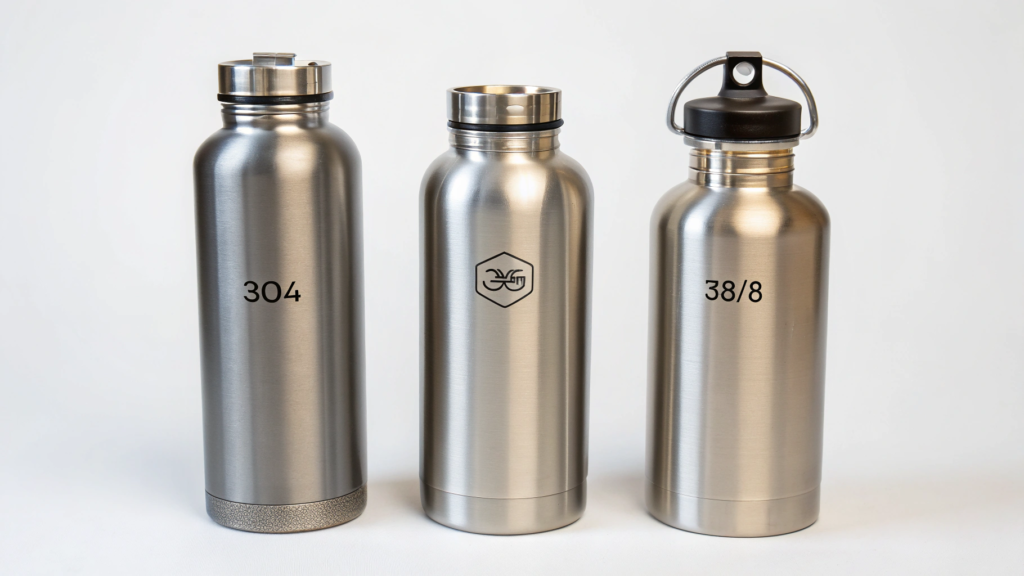
When I recommend a product, I always consider how a child will use it. Kids drop things. They throw things. They clean things aggressively. This is why durability is so closely linked to safety. A dented aluminum bottle with a compromised liner is a potential health risk. A dented stainless steel bottle is just a dented bottle.
The Problem with Liners and Scratches
The greatest risk with aluminum bottles is the inner lining. If the bottle is dropped or dented, the internal coating can crack or flake. Even vigorous cleaning with a harsh brush can damage the liner. Once the coating is compromised, the water is exposed directly to the reactive aluminum. This is a serious concern, particularly when storing acidic liquids like juice or flavored water. The no-liner solution of stainless steel completely eliminates this risk. It is a one-piece solution that maintains its integrity even with rough handling.
Temperature Control and Flavor Absorption
Stainless steel is superior for thermal regulation. Most stainless steel bottles are double-walled and vacuum-insulated. This design keeps drinks cold for hours without condensation. Stainless steel is non-porous and non-reactive. This means it does not absorb flavors or odors. You can use it for coffee one day and water the next. A simple wash removes the previous taste. This practicality makes it much easier to keep clean and hygienic.
Repairability and Longevity
Food-grade stainless steel bottles are built for the long term. They are resistant to scratches and do not rust. While a deep dent might affect the vacuum insulation, the bottle remains safe to drink from. This nearly indestructible quality makes stainless steel a great investment. It is a bottle that can be trusted for years of daily use, which is critical for maximizing your branding investment.
| Factor | Stainless Steel (304) | Aluminum (Lined) | Safety Implication for Kids |
|---|---|---|---|
| Durability (Liner) | Liner-free, safe even when dented | Liner can fail if dented or scratched | High risk of leaching if liner is damaged |
| Reactivity | Inert (Non-reactive) | Highly reactive | Safe only with perfect, intact liner |
| Cleaning | Easy to clean, does not absorb flavors | Can absorb odors if liner is imperfect | Requires gentle cleaning to protect coating |
Which metal is healthiest for drinking water, and what hidden factors matter?
When comparing all options, what metal offers the greatest assurance of health and safety for daily use?
**Food-grade stainless steel (304 or 18/8) is the healthiest metal choice for drinking water. It is inert, meaning it is non-reactive and will not leach any trace metals or chemicals into the water, even when exposed to heat or acidic drinks. Crucially, it is naturally BPA-free and does not rely on any hidden plastic-based coatings or microplastics that could leach over time.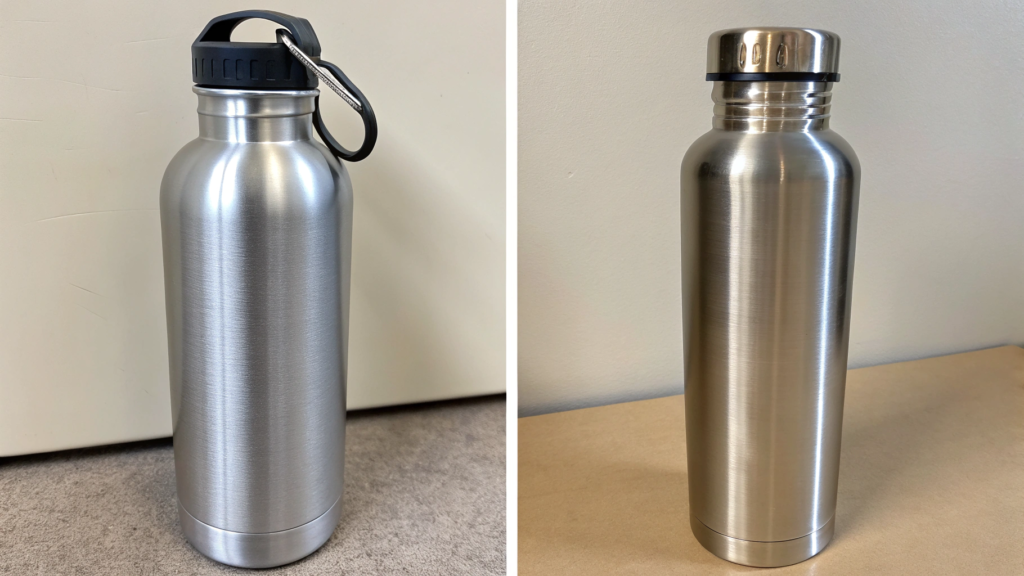
True safety means no hidden risks. As a supplier, I learned that a product can be legally compliant but still have subtle issues. The hidden factor in metal bottles is the inner lining. I always emphasize finding materials that are safe by their very nature.
True Safety: No Hidden Coatings
The health safety of stainless steel comes from its stable chemical structure. It requires no internal coating to make it safe. This is a massive advantage. While aluminum liners are often marketed as "BPA-free," they are still typically made from epoxy or resin. These materials can break down over time, potentially releasing other chemical compounds or microplastics. Stainless steel eliminates this entire category of risk. It is a simple, durable metal that is stable even under extreme conditions.
Resistance to Bacteria
Stainless steel is naturally non-porous. This anti-bacterial quality makes it highly hygienic. Bacteria and germs have a harder time adhering to and growing on a smooth, non-reactive stainless steel surface than on plastic or a chipped liner. This is why stainless steel is used for surgical tools and professional food prep surfaces. For a child's bottle that is used every day and often left in warm places, this resistance to bacteria is a key health benefit.
The Final Verdict: Practicality Meets Science
The healthiest and safest material is one that parents can trust and children can handle confidently. Stainless steel is robust enough to withstand being dropped. It is simple enough to clean thoroughly. It is stable enough to hold any drink without concern. Its safety is guaranteed by its science, and its practicality is proven by its design.
| Material | Key Health Advantage | Core Practicality | Ideal Use Case |
|---|---|---|---|
| Stainless Steel | Non-reactive, non-toxic, anti-bacterial | Nearly indestructible, vacuum insulation | Daily use, sports, active children |
| Tritan Plastic | Shatter-resistant, transparent | Lightweight, easy to handle | Backpacks, school use |
Conclusion
Food-grade stainless steel (304/18/8) is the healthiest and safest metal for water bottles. It is non-reactive and durable, eliminating the need for internal liners that pose a risk in aluminum bottles.