True A6 Notebooks vs "Pocket" Notebooks: Which One Is Better for Your Work?
Struggling to fit your notes into a tiny book or finding your notebook too bulky for your pocket? Choosing the wrong size makes capturing ideas a chore and ruins your daily organization.
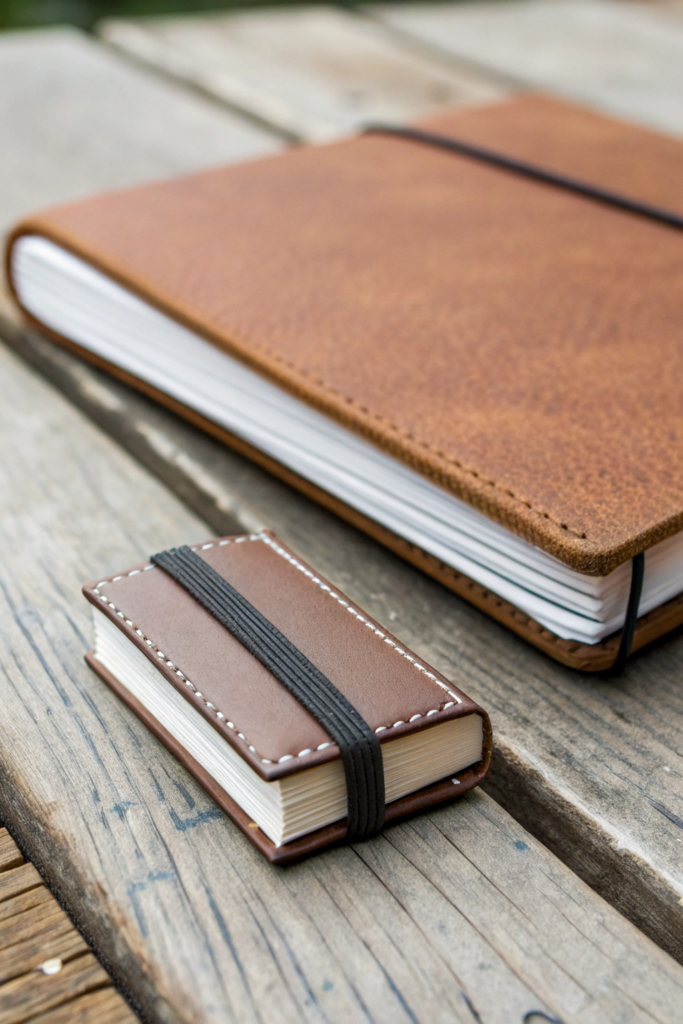
The main difference is standardization: a True A6 notebook is exactly 105 × 148 mm, fitting international paper standards and professional accessories. "Pocket" notebooks vary by brand and are designed for casual, quick thoughts rather than a structured, repeatable filing system.
I have spent years in the printing industry, and I know that even a few millimeters can change how you feel about a product. I have seen clients get frustrated when their printed inserts don't fit a "pocket" book. Choosing the right size is the first step to a better workflow.
What Is the Difference Between A6 and Pocket?
Do you find it annoying when your notebooks from different brands don't stack neatly on your shelf? Non-standard "pocket" sizes create a messy archive and make it impossible to use standard dividers or covers.
The difference lies in precision and purpose. True A6 follows the ISO 216 standard for a consistent, professional fit. Pocket notebooks are loosely defined by each manufacturer, prioritizing how the book feels in a hand or a jeans pocket over official dimensions.
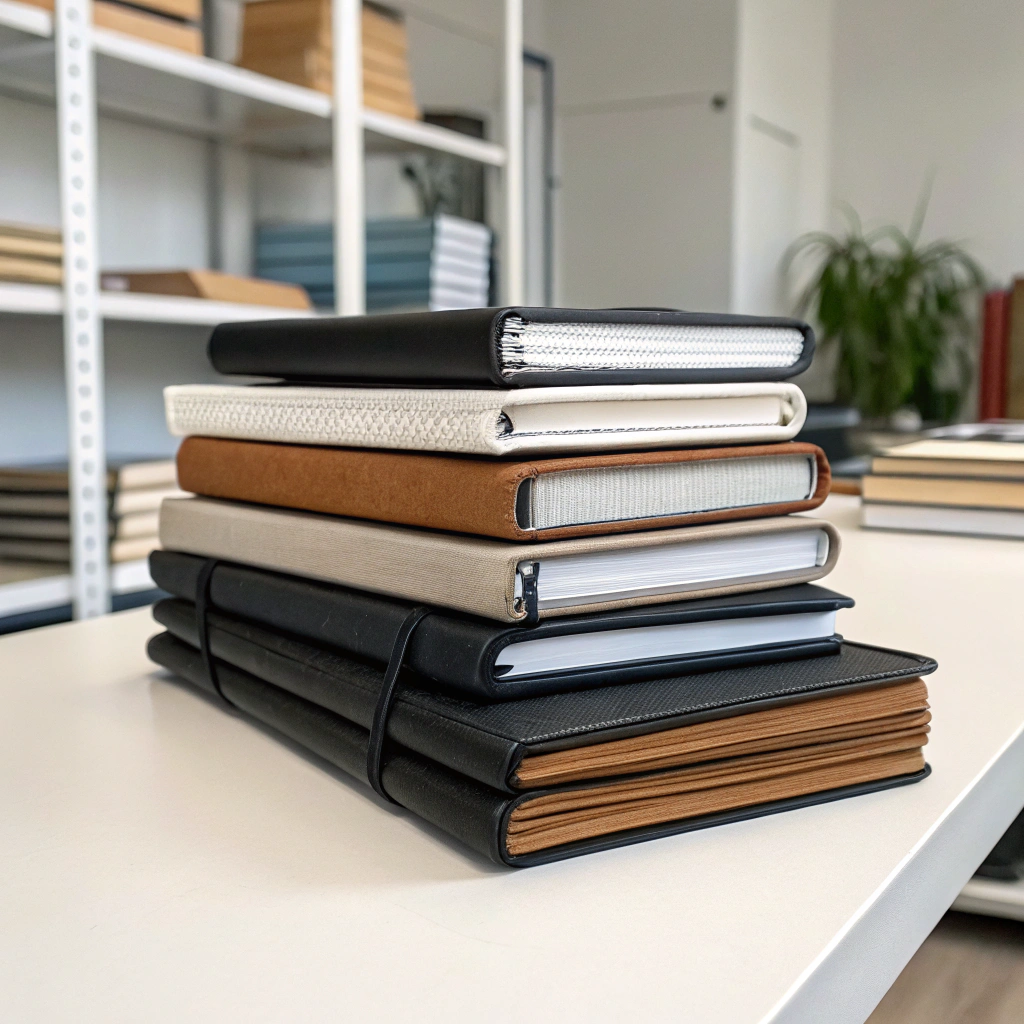
In my experience, "pocket" is a marketing term, while "A6" is a technical term. When I worked in the factory, we had to be exact with A6 cuts because people often use them with printers. If a notebook is "pocket" size, it might be 90 x 140 mm or 100 x 150 mm depending on the brand. This flexibility is nice for style, but it is bad for systems. I notice that people who like "pocket" books usually want something informal for quick lists. People who choose True A6 are often building a library. They want every book to look the same on the shelf ten years from now. The narrower shape of many pocket books also changes how you write. You have to break your sentences more often, which can change how you group your thoughts.
| Feature | True A6 Notebook | Pocket Notebook |
|---|---|---|
| Exact Size | 105 x 148 mm | Varies (e.g., 90 x 140 mm) |
| Compatibility | Fits standard A-series folders | Varies by brand |
| Primary Use | Structured journaling & archiving | Quick capture & travel notes |
| Philosophy | Systematic & Standardized | Flexible & Lifestyle-oriented |
What Is True A6 Size?
Are you tired of buying "A6" notebooks online only to find they are the wrong shape when they arrive? Many sellers use the term "A6" loosely, which leads to gear that doesn't fit your favorite leather covers.
True A6 is a specific mathematical size based on the ISO 216 standard, measuring 105mm wide and 148mm tall. This size is exactly half of an A5 sheet and one-quarter of an A4 sheet, maintaining a perfect height-to-width ratio.
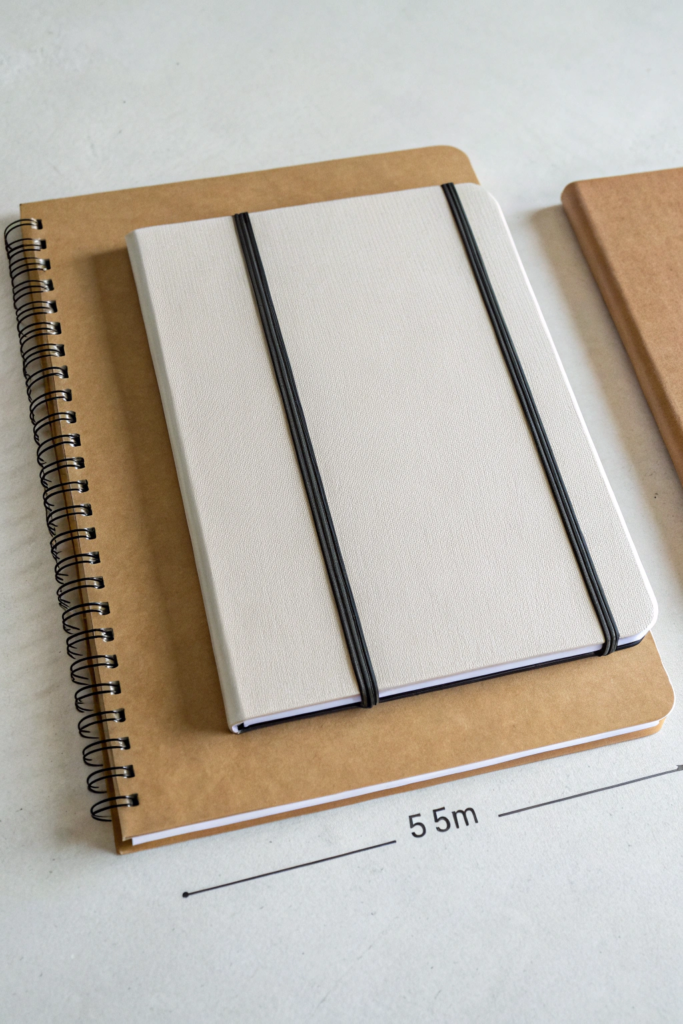
The beauty of True A6 is the math. Because it follows the $1:\sqrt{2}$ ratio, it scales perfectly with your office documents. If you fold an A4 paper twice, you have the exact size of your notebook page. I find this very helpful when I want to tuck a printed receipt or a map into my journal. It fits perfectly without hanging over the edges. When I help Jacky or other managers design corporate gifts, I always ask if they want "True A6." Using a standard size shows a level of professional thought. It means the recipient can buy accessories from any stationery shop in the world and they will fit. It is about creating a tool that works with the rest of the world's systems. This precision is why A6 is the king of the "small but serious" notebook world.
Why Standardization Matters
- Easy Filing: Fits into standard boxes and drawers designed for A6.
- Accessory Match: Fits high-quality leather covers from Japan, Europe, or Singapore.
- Printing: You can print your own templates on A4 and cut them to fit.
- Professional Look: Creates a uniform appearance for your company’s brand.
Is an A6 Notebook Too Small?
Do you worry that you won't have enough space to finish a complete thought on such a small page? Many people fear that compact notebooks are only for shopping lists and cannot handle deep work or complex project planning.
An A6 notebook is not too small; it is the ideal balance between portability and writing space. While it fits in a jacket pocket or small bag, the page is large enough for structured paragraphs, tables, and even small sketches.
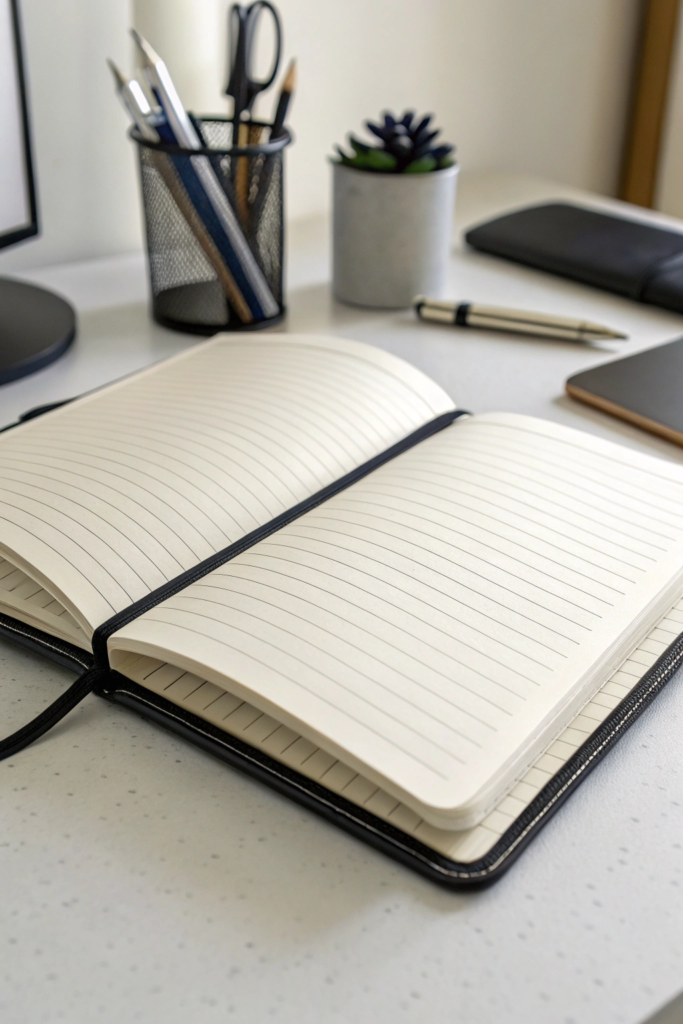
I believe that the "best" size is the one you actually carry with you. An A4 book is great for a desk, but if it is too big to take to a meeting or a cafe, you won't use it. A6 is the "Goldilocks" size. It is big enough that your hand doesn't feel cramped, but small enough to be frictionless. I use A6 for my daily "to-do" lists and quick insights. It forces me to be concise. Instead of writing a wall of text, I have to pick the most important points. This actually helps my critical thinking. When I look at a full range of notebooks, I see A6 as the bridge between a tiny memo pad and a full-size planner. If you are a busy manager like Jacky, you need something you can pull out in ten seconds to record a brand idea before it's gone.
| Factor | A6 Performance | User Benefit |
|---|---|---|
| Portability | High | Fits in pockets and small purses easily. |
| Writing Space | Moderate | Large enough for full sentences and diagrams. |
| Hand Comfort | Good | Supports the palm better than smaller "memo" sizes. |
| Weight | Low | You won't feel it in your bag all day. |
Conclusion
Neither size is better, but they serve different goals. Choose True A6 if you value order and standard systems; choose "pocket" if you want a casual tool for spontaneous thoughts.