Is it safe to freeze water in plastic bottles?
Are you worried that freezing your water bottle might be leaking hidden chemicals into your drink? Many people freeze their bottles to have ice-cold water all day, but few consider how the cold affects the plastic.
It is generally safe to freeze water in plastic bottles labeled as BPA-free or "freezer-safe." Freezing does not cause chemicals like dioxins to leach into the water, as those are released by high heat, not cold. However, the physical expansion of ice can weaken the plastic over time, leading to cracks or leaks.
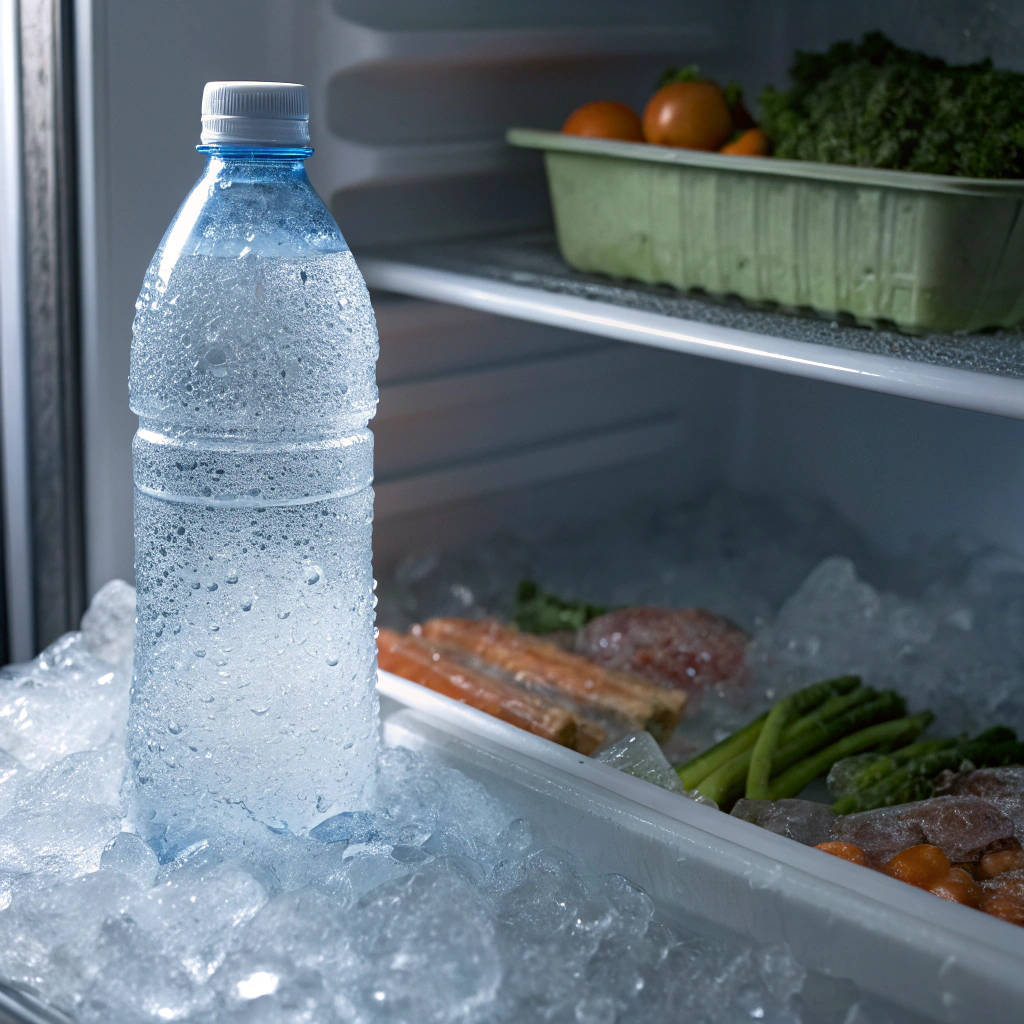
Most people believe internet myths that freezing plastic creates "toxic" water. But if you keep reading, you will see that the real danger isn't a chemical reaction—it is the physical stress on the bottle and how you handle the expansion of ice.
Is it safe to drink water that froze in a plastic bottle?
Do you feel like your water bottle looks warped or "stretched" after you take it out of the freezer? This distortion happens because water expands by about 9% when it turns to ice. This pressure can damage the structural integrity of your container.
Yes, it is safe to drink water that has been frozen in a plastic bottle, provided the bottle is food-grade and undamaged. The cold temperature actually slows down the movement of molecules, making chemical leaching much less likely than when the bottle is exposed to heat or direct sunlight.
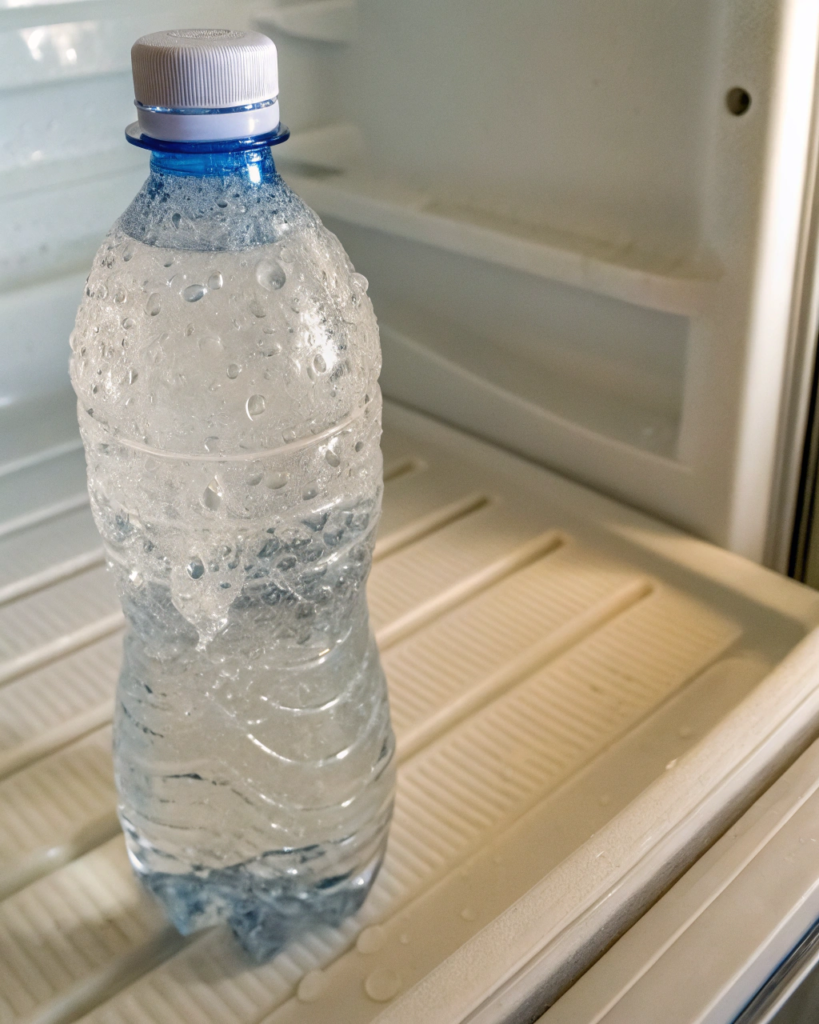
In my years of sourcing corporate gifts, I have seen many people ruin high-quality bottles by overfilling them before freezing. If you fill a bottle to the brim and put it in the freezer, the ice has nowhere to go. It will push against the walls and the lid, often creating tiny, invisible fractures. These cracks are where bacteria can hide later. I once had a client who froze a whole batch of "disposable" PET bottles for an outdoor event; half of them leaked as they thawed because the plastic had become brittle and cracked. If you want a cold drink, the "logical" move is to fill the bottle only halfway, freeze it on its side, and then top it up with cold water later. This gives the ice room to grow without breaking your bottle.
Best Practices for Freezing Bottles
| Action | Why It Matters |
|---|---|
| Leave 10% Space | Allows room for ice expansion |
| Use Freezer-Safe Plastic | Designed to stay flexible when cold |
| Freeze on the Side | Creates more surface area for faster cooling |
| Avoid Thin PET | Disposable bottles crack easily when frozen |
Do freezing water bottles release microplastics?
Are you concerned that the "cracking" sound your bottle makes when you squeeze it while frozen is actually plastic breaking off into your water? Physical stress is one of the leading causes of material degradation in reusable containers.
Freezing can increase the release of microplastics if the plastic becomes brittle and develops microscopic cracks. While the cold itself doesn't "dissolve" the plastic, the repeated cycle of expansion and contraction stresses the material, making it more likely to shed tiny particles into your water over time.
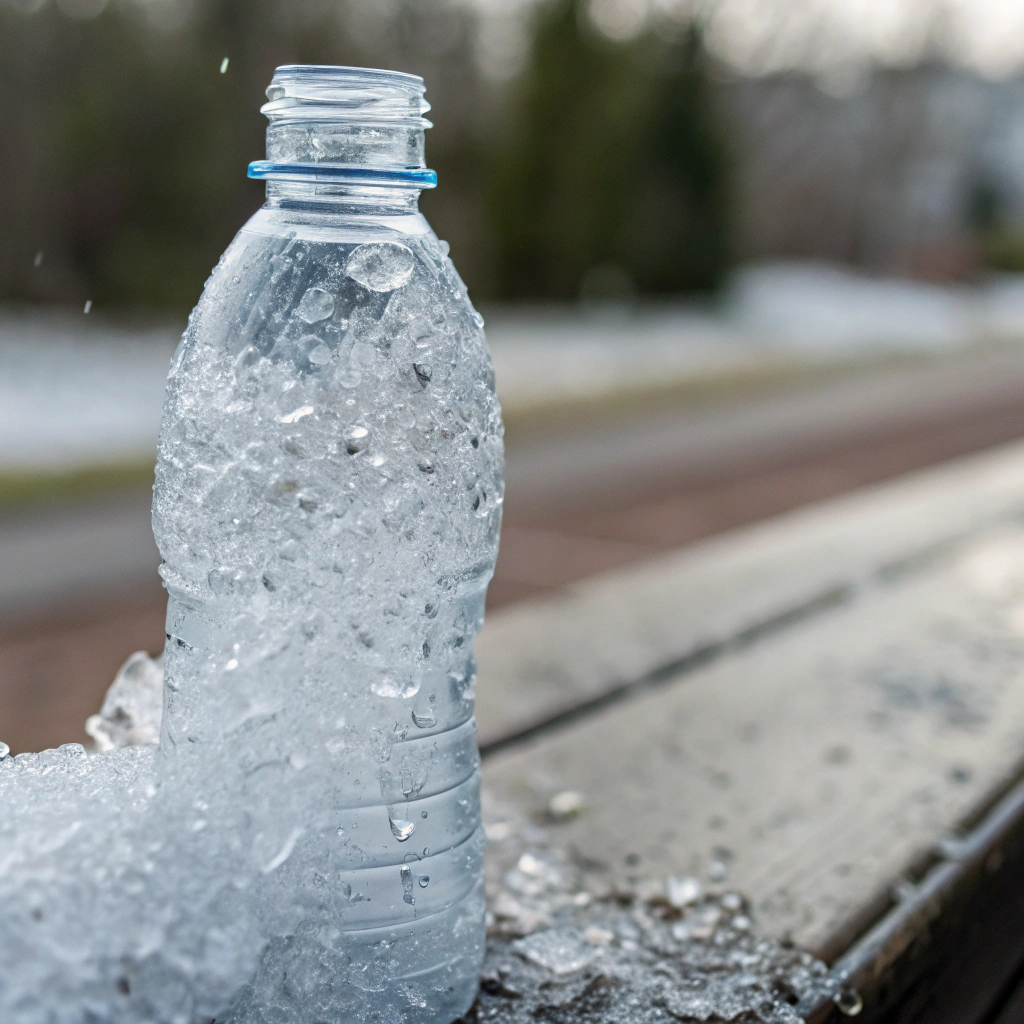
I always tell managers like Jacky that "durability" is a health feature. If a bottle is made of cheap, thin plastic, the freeze-thaw cycle is like a workout that the bottle isn't strong enough to handle. Every time the ice expands, it pulls at the plastic fibers. Eventually, these fibers snap. This is why old, frozen bottles often look "cloudy" or feel rough on the inside. Those are signs of wear. To avoid this, switch to a high-quality Tritan bottle or a food-grade stainless steel container (if it's specifically rated for freezing). Using a stronger material means fewer particles break off into your drink. Think of your bottle like a tool—if you use it outside of its design limits, it starts to fail. For long-term health, replace your plastic bottles as soon as you see any signs of warping or surface cloudiness.
Signs of Plastic Degradation
| Sign | Meaning | Action |
|---|---|---|
| Cloudiness | Surface micro-cracks | Replace the bottle |
| Warping | Material has been over-stressed | Do not freeze again |
| Lingering Odor | Bacteria trapped in scratches | Deep clean or discard |
| Brittle Texture | Plastic has lost its flexibility | Recycled immediately |
At what temperature do plastic water bottles become toxic?
Are you confused about when plastic actually becomes "dangerous"? There is a big difference between the stability of plastic in a freezer and its stability in a hot car. Understanding the "danger zone" helps you protect your health.
Plastic water bottles generally do not become "toxic" at freezing temperatures (-18°C or 0°F). The real risk starts at temperatures above 60°C (140°F), where heat causes the chemical bonds to weaken and additives like BPA or phthalates to leach into the liquid much faster.
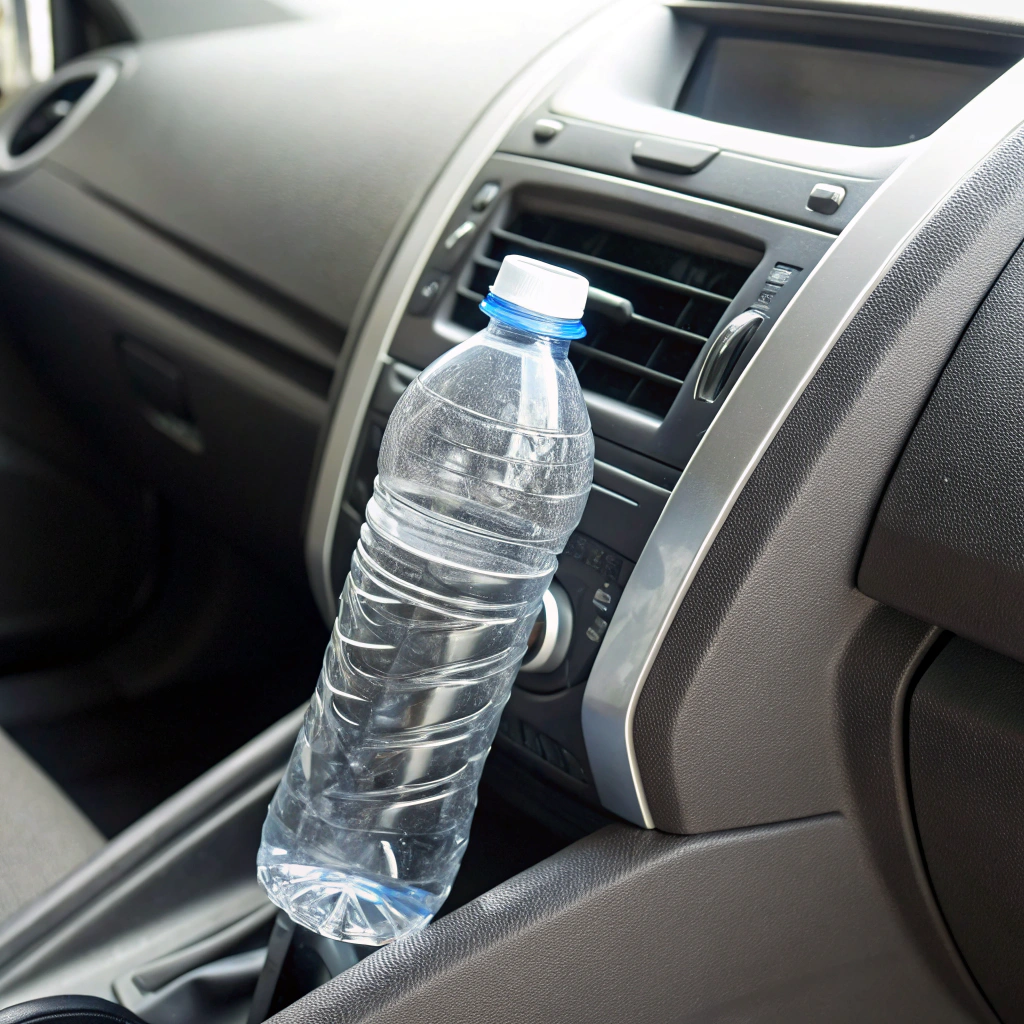
The freezer is actually the safest place for a plastic bottle compared to a sunny dashboard. High heat is the catalyst for chemical migration. In Singapore's heat, a bottle left in a car can easily reach the "leaching point." Critical thinking tells us that while freezing is safe, the thawing process matters too. If you take a frozen bottle and leave it in the sun to melt, you are now exposing it to the exact conditions that cause chemical release. I always suggest using an insulated sleeve if you are carrying a frozen bottle. This keeps the plastic cool and prevents the "sweating" that can make the bottle slippery. Remember, "BPA-free" is a great start, but it isn't a shield against all chemicals. The best way to stay safe is to avoid extreme temperature swings. Use your plastic bottles for cool or room-temperature water, and let your stainless steel flasks handle the extreme heat or cold.
Temperature Safety Guide for Plastic
| Temperature | Effect on Plastic | Safety Level |
|---|---|---|
| -18°C (Freezer) | Contraction / Potential brittleness | Safe (if rated) |
| 4°C (Fridge) | High stability | Very Safe |
| 25°C (Room) | Normal state | Very Safe |
| 60°C+ (Hot Car/Boiling) | Chemical leaching / Warping | Unsafe |
Conclusion
Freezing water in plastic bottles is safe if you use the right container and leave space for expansion. While cold doesn't release toxins, the physical stress can wear out your bottle, so always check for cracks and replace old bottles to ensure your water stays clean and fresh.