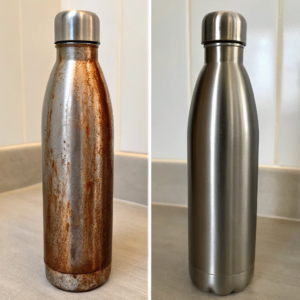
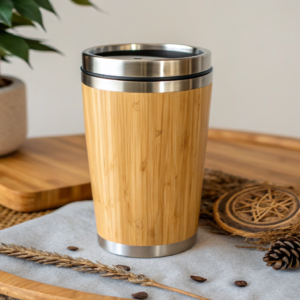
Is a Stainless Steel Water Bottle Really the Best Choice for Hot and Cold Drinks?
Are you tired of carrying multiple bottles, one for hot coffee and another for cold water? This hassle adds unnecessary complexity to your daily routine.
Yes, a double-walled, vacuum-insulated stainless steel water bottle is the best practical choice because it bridges the gap between hot and cold performance, offering superior temperature retention, durability, and taste neutrality in one single, safe vessel.
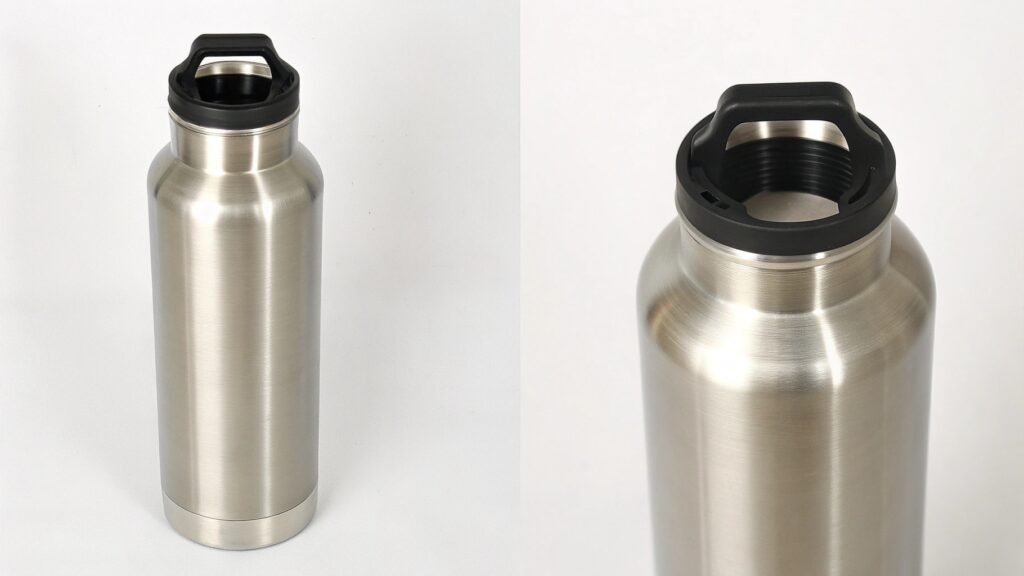 ![]()
![]()
When I first started in the gifting industry, I saw many companies give out cheap, single-use plastic bottles. They were forgotten quickly. I realized that the best promotional gifts solve a real, daily problem. For busy professionals like Jacky, the problem is simple: they need a reliable vessel that works all day, every day. If you are looking to invest in a corporate gift that truly performs and stays visible, you need to understand the nuances of stainless steel. Let us dive into why choosing the right bottle is an investment in both utility and brand performance.
Can You Put Hot Water in a Stainless Steel Water Bottle Safely and Effectively?
Are you worried that putting very hot liquids in your steel bottle is unsafe or ineffective? Misinformation can stop you from getting the most use out of your vessel.
You absolutely can put hot water in a stainless steel bottle safely, provided it is double-walled and vacuum-insulated, which ensures the exterior stays cool to the touch and the liquid remains hot for hours, maximizing both safety and utility.
 ![]()
![]()
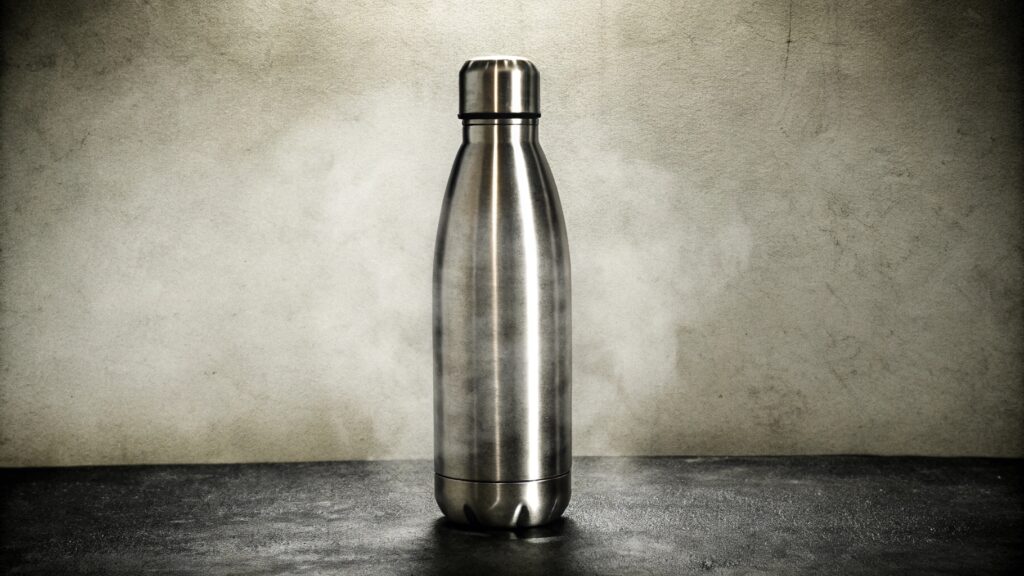
This is a question of engineering, not material. I have always advised clients to look beyond the surface when choosing merchandise. Single-walled stainless steel bottles will transfer heat immediately, making the exterior dangerously hot and cooling the liquid rapidly. The game-changer is double-wall, vacuum insulation. This construction involves two layers of steel separated by a vacuum space. Because a vacuum is an excellent insulator, it drastically slows down heat transfer1. This means your morning coffee stays piping hot for six to twelve hours, and critically, the outside of the bottle remains cool, making it safe and comfortable to handle. This level of performance is what turns a simple water bottle into an indispensable daily companion, greatly increasing the visibility of your logo. We must prioritize: Performance that enhances the user's life. A high-performing bottle solves the user's problem of maintaining temperature, which creates a daily, positive association with your brand. Without this feature, the bottle is just a fancy cup.
Insulation Mechanics and Safety
- Vacuum Layer: This space between the two walls dramatically reduces heat transfer via conduction and convection, keeping the temperature stable.
- Temperature Retention: A good insulated bottle will hold heat for 6+ hours, which is necessary for all-day use.
- Exterior Safety: The exterior must remain cool or room temperature, preventing burns and proving the insulation is working correctly.
This is how insulation changes the bottle's function:
| Bottle Type | Exterior Temperature | Heat Retention | Utility for Brand Gifting |
|---|---|---|---|
| Single-Wall Stainless Steel | Hot/Cold to the touch | Poor (Minutes) | Low (Only works for quick use) |
| Double-Wall Vacuum Insulated | Room temperature | Excellent (Hours) | High (Reliable, daily use) |
When you choose a properly insulated bottle, you are giving a gift of sustained utility. This ensures the recipient reaches for your branded bottle first, every single morning, whether they need hot coffee or iced water. This continuous positive touchpoint is the essence of effective corporate branding.
What Can You Not Put in a Stainless Steel Water Bottle, and Why Does It Matter?
Are you unsure if certain liquids might damage your steel bottle or affect your health? Using the wrong contents can lead to corrosion or safety issues.
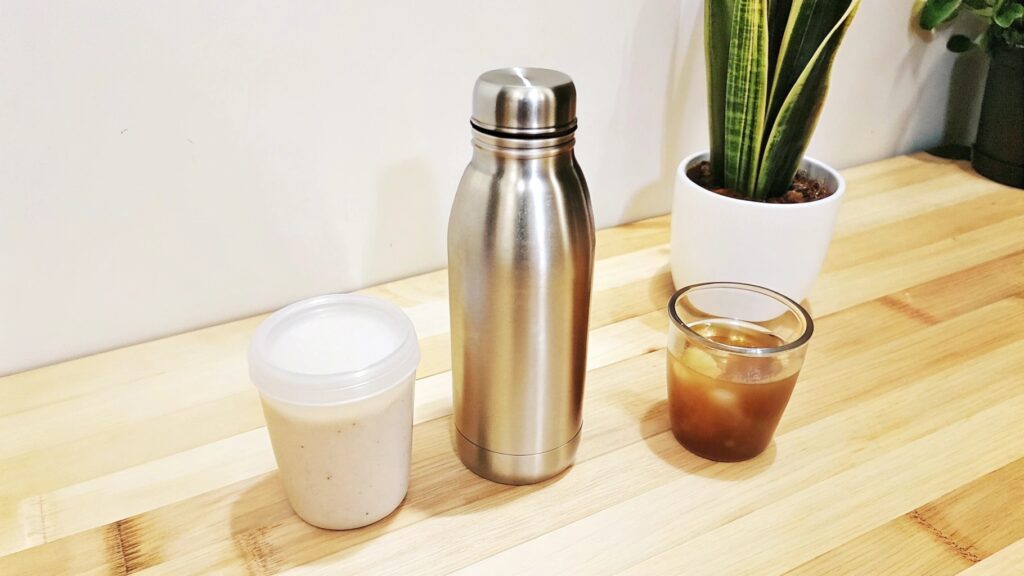
You should not put carbonated drinks, kombucha, or milk/creamy beverages in a standard stainless steel bottle, as carbonation can dangerously build up pressure, and dairy products can quickly spoil and become difficult to clean from insulated spaces.
 ![]()
![]()
While stainless steel is incredibly durable, we need to respect its material limits, especially regarding pressure and hygiene. Putting highly carbonated drinks2 like sodas or beer into a sealed, insulated bottle can be dangerous. The carbon dioxide builds up inside, and when you open the bottle, the pressure release can be explosive. This is a safety issue that every user must be aware of. From a hygiene perspective, milk, cream, or highly protein-rich smoothies should also be avoided, particularly in bottles with narrow necks. The residue from these drinks can quickly spoil and breed bacteria inside the dark, insulated environment. This residue is notoriously difficult to clean properly, leading to foul odors and potential health risks. We must advise: The bottle is best used for water, coffee, tea, and clear juices. If a dairy-based drink is used, it must be cleaned immediately and thoroughly. The inability to clean a bottle properly leads to non-use, which means your branding is no longer visible. A high-quality, wide-mouth stainless steel bottle is easier to clean, making it a better choice for maintaining hygiene and ensuring continuous use.
Liquid Limits and Maintenance
- Carbonation Risk: Carbonated drinks create pressure that can damage the seal or, dangerously, cause the lid to burst open unexpectedly.
- Dairy and Spoilage: Proteins in milk and cream can quickly form biofilms inside the bottle, causing strong, lasting odors if not cleaned immediately.
- Citrus Caution: Although generally safe, leaving highly acidic citrus juices (like lemon juice) in a bottle for very long periods may cause minor corrosion over time, especially in lower-grade steel.
Understanding the limitations ensures user satisfaction and product lifespan:
| Liquid Type | Risk/Reason | Impact on Brand Visibility |
|---|---|---|
| High Carbonation | Safety (pressure build-up) | Potential damage to the gift, negative association |
| Milk/Cream | Hygiene (spoilage, odor) | User discards the bottle due to smell |
| Water/Coffee/Tea | Minimal Risk, High Utility | User uses bottle daily, high visibility |
By educating the user on simple limitations, we ensure the bottle remains safe, clean, and a positive daily tool. This careful approach demonstrates your brand's commitment to safety and lasting product value.
What Are the Key Advantages of a Stainless Steel Water Bottle Over Other Materials?
Are you struggling to decide between glass, plastic, or stainless steel for your corporate gift? Conflicting claims about materials make the choice confusing.
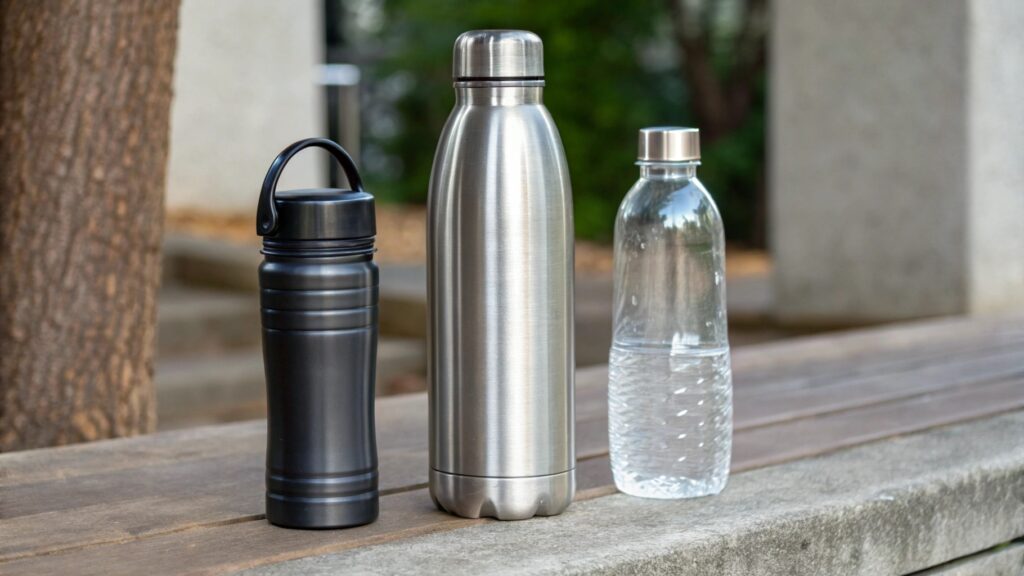
The key advantages of stainless steel over glass and plastic are its unmatched durability, superior insulation capabilities, and complete taste neutrality, ensuring your water always tastes fresh without the risk of shattering or leaching chemical flavors.
 ![]()
![]()
As someone who has seen the evolution of promotional products, I can confidently say that stainless steel, especially food-grade $18/8$ or $304$ steel, represents the best practical compromise for a reusable vessel. Consider the alternatives. Plastic is lightweight and cheap, but it carries the risk of chemical leaching (even if "BPA-free") and often holds residual odors or flavors from past drinks. Glass provides excellent taste neutrality but is fragile and heavy, making it impractical for daily, active use. Stainless steel, on the other hand, is nearly indestructible, which is great for longevity and means your logo stays visible for years. It is inherently non-porous, meaning it resists bacteria and does not hold onto previous flavors. I have always pushed Latitude to source high-grade steel3 bottles because they offer the reliability that busy professionals demand. The ultimate advantage is: Stainless steel combines performance with safety and longevity. This comprehensive reliability makes the bottle the best all-in-one solution for the modern, on-the-go lifestyle.
Material Superiority Factors
- Durability: Stainless steel can withstand drops and impacts without shattering, bending, or leaking, ensuring a long product life.
- Safety: It does not leach chemicals like BPA or phthalates, providing a clean drinking experience that is vital for health-conscious users.
- Taste Neutrality: Stainless steel is non-reactive and non-porous, which guarantees that today's water does not taste like yesterday's coffee.
This comparison highlights why steel is the superior branding choice:
| Material | Key Advantage | Key Disadvantage | Brand Longevity |
|---|---|---|---|
| Plastic | Lightweight, Low Cost | Leaching risk, Retains odors | Short (often thrown away) |
| Glass | Perfect Taste Neutrality | Fragile, Heavy | Medium (high risk of breakage) |
| Stainless Steel | Durability, Insulation | Higher initial cost | Excellent (lasts for years) |
Choosing a high-quality stainless steel bottle is a clear statement that your brand values safety, sustainability, and uncompromising performance. This investment ensures that your corporate gift is a valued, high-utility item that stays with the recipient for a very long time.
Conclusion
A well-built, vacuum-insulated stainless steel water bottle is a single, reliable vessel for all temperatures. This makes it a highly effective, durable, and safe choice for long-term brand visibility.