Is a Silicone Water Bottle the Right Choice for Your Active Lifestyle?
Tired of bulky bottles taking up all the space in your bag? Rigid containers are heavy and awkward to carry when they are empty. A collapsible silicone bottle solves your storage problems instantly.
A silicone water bottle is a flexible, lightweight container made from food-grade silicone that can often be folded or collapsed. It is an ideal choice for travel and outdoor activities because it is unbreakable and space-saving. These bottles are heat-resistant, BPA-free, and designed for maximum portability in busy environments.
I have spent a lot of time in production and design, and I see silicone as a very smart material. It follows a different philosophy than glass or steel. While a glass bottle is about beauty and taste, a silicone bottle is about solving the problem of space. If you are like Jacky and always on the move between meetings or traveling for work, you need tools that adapt to you. Let's look at whether this flexible material is the right fit for your daily hydration needs.
Is it good to drink water in a silicone bottle?
Do you worry about chemicals leaching into your water from cheap containers? Many people feel uneasy using flexible materials because they fear hidden toxins. Using high-quality food-grade silicone1 ensures your water stays safe while giving you a durable, impact-resistant bottle.
Drinking from a silicone bottle is good and safe as long as the material is 100% food-grade and BPA-free. Silicone is non-toxic, does not react with food or beverages, and can withstand high temperatures. It is a reliable, healthy alternative to low-quality plastics for everyday hydration and rugged outdoor use.
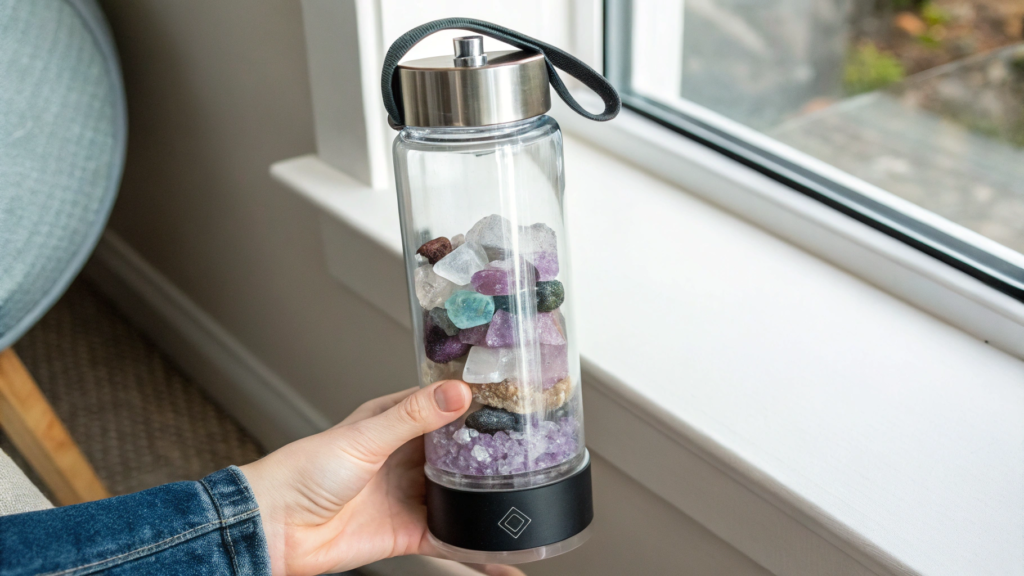
In my experience, the "feel" of silicone is its biggest strength. It is soft to the touch and will not crack if you drop it on a concrete floor. For someone managing events or hiking on weekends, this durability is a huge relief. However, you must remember that silicone is a bit different from glass. It can sometimes hold onto the smell of a drink if you don't wash it well.
I always tell my clients that silicone requires a specific kind of care. If you put coffee in it one day and water the next, you might taste a hint of coffee. But if you use it mainly for water and clean it regularly, it is a fantastic tool. It balances safety with a "bounce-back" quality that other materials simply cannot match. It is not just about holding water; it is about surviving your busy life without breaking.
| Feature | Performance | Why it matters |
|---|---|---|
| Heat Resistance | Very High | Safe for boiling water or dishwashers |
| Durability | Unbreakable | Will not shatter when dropped |
| Flexibility | Collapsible | Saves up to 70% of space in your bag |
| Chemical Safety | BPA-Free | No harmful chemicals leaking into water |
Which bottle is better, plastic or silicon?
Are you frustrated by plastic bottles that crack easily or smell like chemicals after a few uses? Most cheap plastic is not meant for long-term use and can be harmful to the environment. Silicone offers a much tougher, more sustainable solution that lasts for years instead of months.
Silicone is better than plastic because it is more durable, eco-friendly, and resistant to extreme temperatures. Unlike plastic, silicone does not contain BPA or phthalates and does not degrade into microplastics. While plastic is often cheaper, silicone provides a longer-lasting value and is much safer for repeated daily use.
When Jacky asks me for a "budget-friendly" but "high-quality" gift, this is a tough choice. Plastic is the traditional answer because it is cheap to print on. But from my perspective in the printing industry, plastic feels disposable. Silicone feels like a "gift." It has a premium weight and a unique texture that people enjoy holding.
Another big factor is temperature. Most plastic bottles cannot handle hot water without warping or releasing smells. Silicone handles heat easily. If you want a bottle that can go from the freezer to a hot car without any issues, silicone is the clear winner. It is a more "responsible" material choice because it lasts longer, meaning fewer bottles end up in the landfill. In the long run, the "better" bottle is the one you don't have to replace every three months.
- Life Span: Silicone lasts for years; plastic often cracks or stains quickly.
- Environmental Impact: Silicone is a more stable material that doesn't shed microplastics2.
- Versatility: You can fold silicone; you cannot fold plastic.
- Safety: Silicone is stable at high temperatures where some plastics may leach.
What is the healthiest type of water bottle?
Are you confused by all the different materials claiming to be the "healthiest" option? It is hard to know which one truly protects your health and keeps your water tasting fresh. While silicone is excellent for portability, the healthiest choice depends on how you plan to use it.
The healthiest types of water bottles are glass and food-grade stainless steel because they are completely inert and do not retain bacteria or odors. Food-grade silicone is the healthiest "flexible" option for active users. For maximum health benefits, choose a bottle that is easy to clean thoroughly to prevent any mold or bacteria growth.
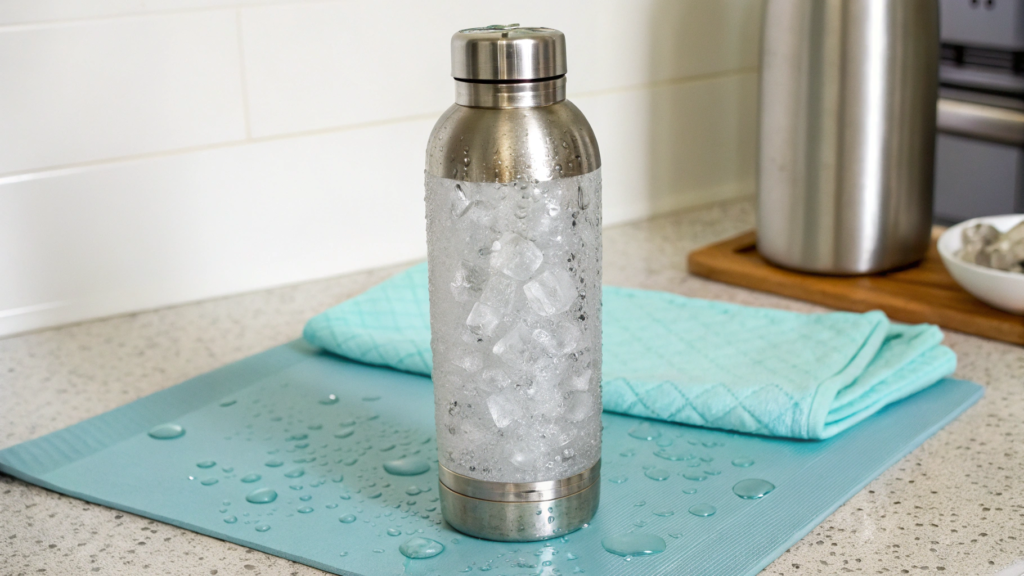
My take is that a "healthy" bottle is one that stays clean. Glass is the king of taste because it doesn't change the water at all. Stainless steel is amazing for keeping water cold, which helps you drink more. But silicone is the healthiest choice for a traveler. Why? Because if a bottle is too heavy or bulky, you will leave it at home and buy a sugary drink in a plastic bottle instead.
The "healthiest" tool is the one you actually use. Silicone bottles are so light and easy to carry that they keep you hydrated in situations where you might otherwise forget. Just make sure to look for a wide-mouth design. This makes it much easier to scrub the inside and keep it hygienic. In my branding work, I always recommend bottles that are easy to maintain, because a clean bottle is a healthy bottle.
| Material | Health Rating | Best Feature | Maintenance |
|---|---|---|---|
| Glass | Excellent | Purest taste, no odors | Fragile, needs careful handling |
| Stainless Steel | Excellent | Keeps water cold, very tough | Can be heavy, opaque |
| Silicone | Very Good | Lightweight, BPA-free3 | Needs thorough drying to avoid odors |
| BPA-Free Plastic | Good | Very cheap, lightweight | Can scratch and hold bacteria over time |
Conclusion
Silicone water bottles are the best solution for portability and durability in an active life. They are a safe, BPA-free way to stay hydrated while saving space in your bag. Choose silicone when you need a bottle that moves with you.