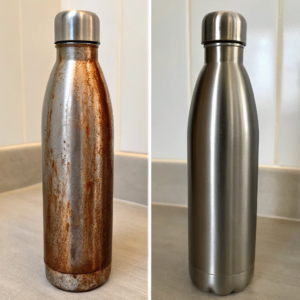
How bad is it really to never clean your water bottle?
Many people think that because they only put "just water" in their bottle, it stays clean. However, neglecting your bottle can turn a healthy habit into a hidden source of germs.
Never cleaning your water bottle is risky because it creates a breeding ground for bacteria and mold. Every time you sip, you transfer mouth bacteria and skin cells into a moist, dark environment where they multiply quickly, forming slimy layers called biofilms that are hard to remove.
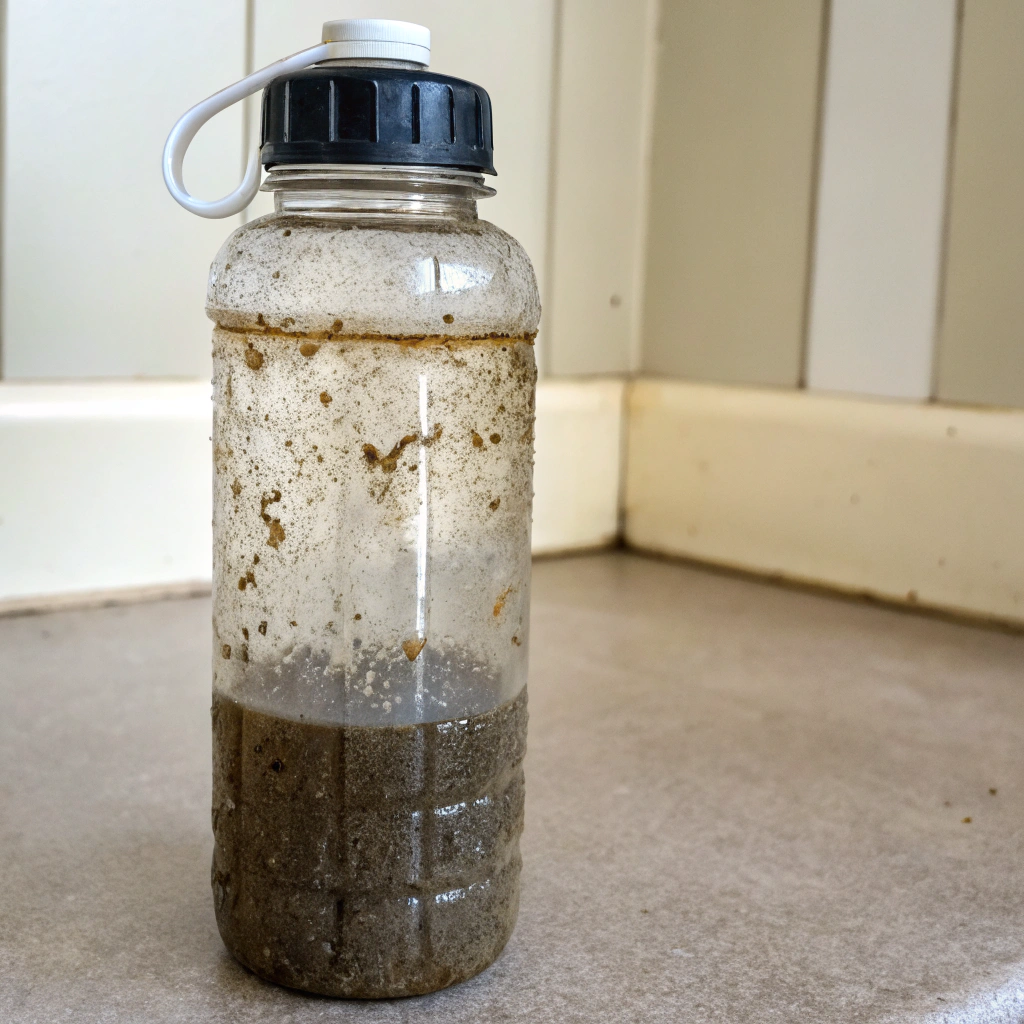
I have seen people carry the same high-end bottle for weeks without a single wash. They think because the bottle was expensive or made of "antimicrobial" material, it manages itself. In my years of working with product quality, I have learned that no material is self-cleaning. A bottle is a tool, and like any tool that touches your mouth, it needs regular care to stay safe.
Is not washing my water bottle making me sick?
If you feel fine today, you might think your unwashed bottle is harmless. But the health risks are often slow to appear and can be hard to track back to your drinkware.
Yes, an unwashed bottle can make you sick by hosting pathogens like E. coli, mold, or even Staph. Common symptoms include an upset stomach, nausea, or a persistent sore throat. These issues often arise once bacteria1 levels reach a point where your immune system can no longer keep up.
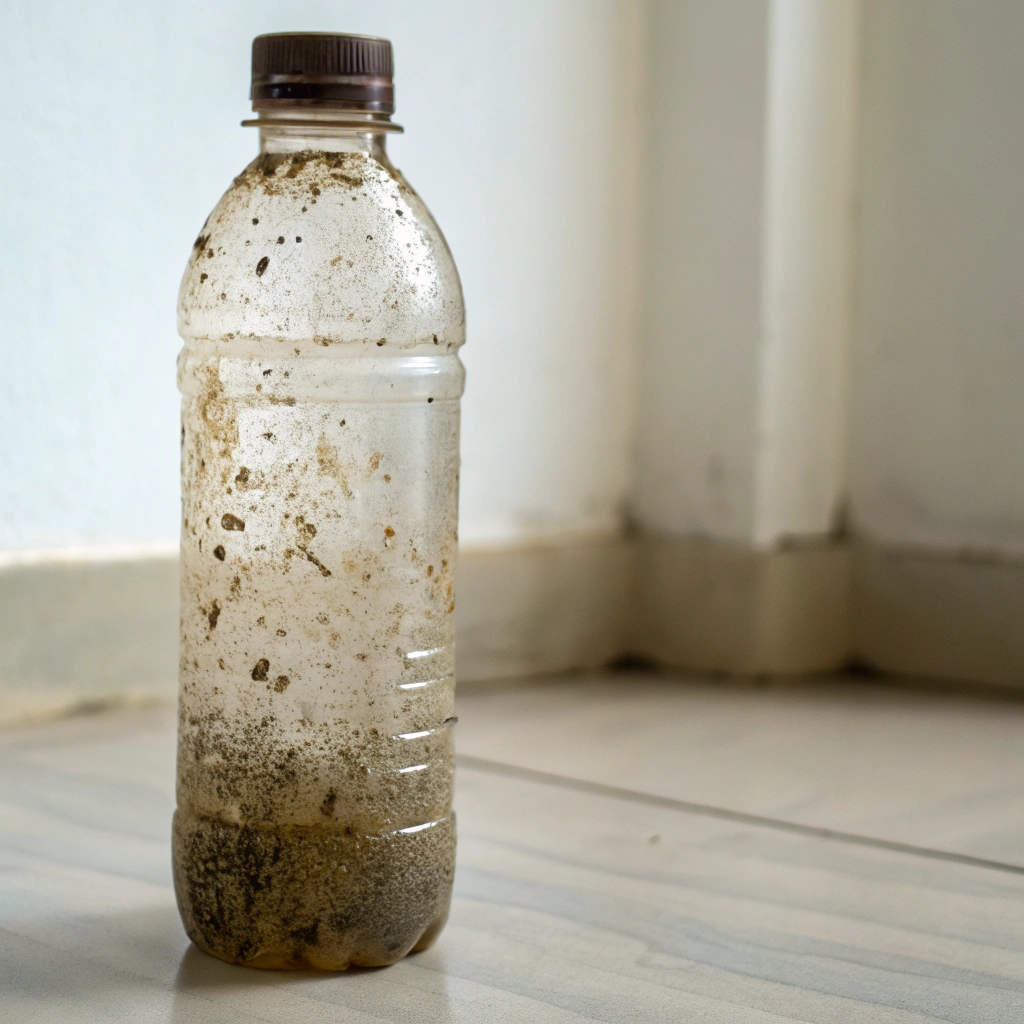
I have noticed that people often blame a "stomach bug" on something they ate, but they never look at the bottle they carry everywhere. I once spoke with a colleague who had a recurring cough that wouldn't go away. We looked at his favorite bottle and found black mold growing deep inside the silicone seal of the lid. Once he replaced the lid and started a cleaning routine, his symptoms cleared up. It is not always about a major virus; sometimes it is just the constant stress of drinking low levels of mold every single day.
| Type of Contamination | Likely Source | Potential Symptom |
|---|---|---|
| Bacteria (Biofilm) | Mouth contact/Backwash | Nausea, Upset Stomach |
| Black Mold | Damp lids and seals | Coughing, Allergies |
| Environmental Dust | Air exposure/Open spouts | General irritation |
| Mildew | Lingering moisture | "Off" taste or smell |
What happens if I never clean my water bottle?
When you stop cleaning, a biological process starts inside your bottle that changes the water you drink on a microscopic level.
If you never clean your bottle, microorganisms build a "biofilm2"—a sticky, protective layer that acts like a shield for bacteria. This layer makes it much harder for a simple rinse to work later on. Over time, this buildup will change the taste of your water and can even cause the bottle to smell like old gym clothes.
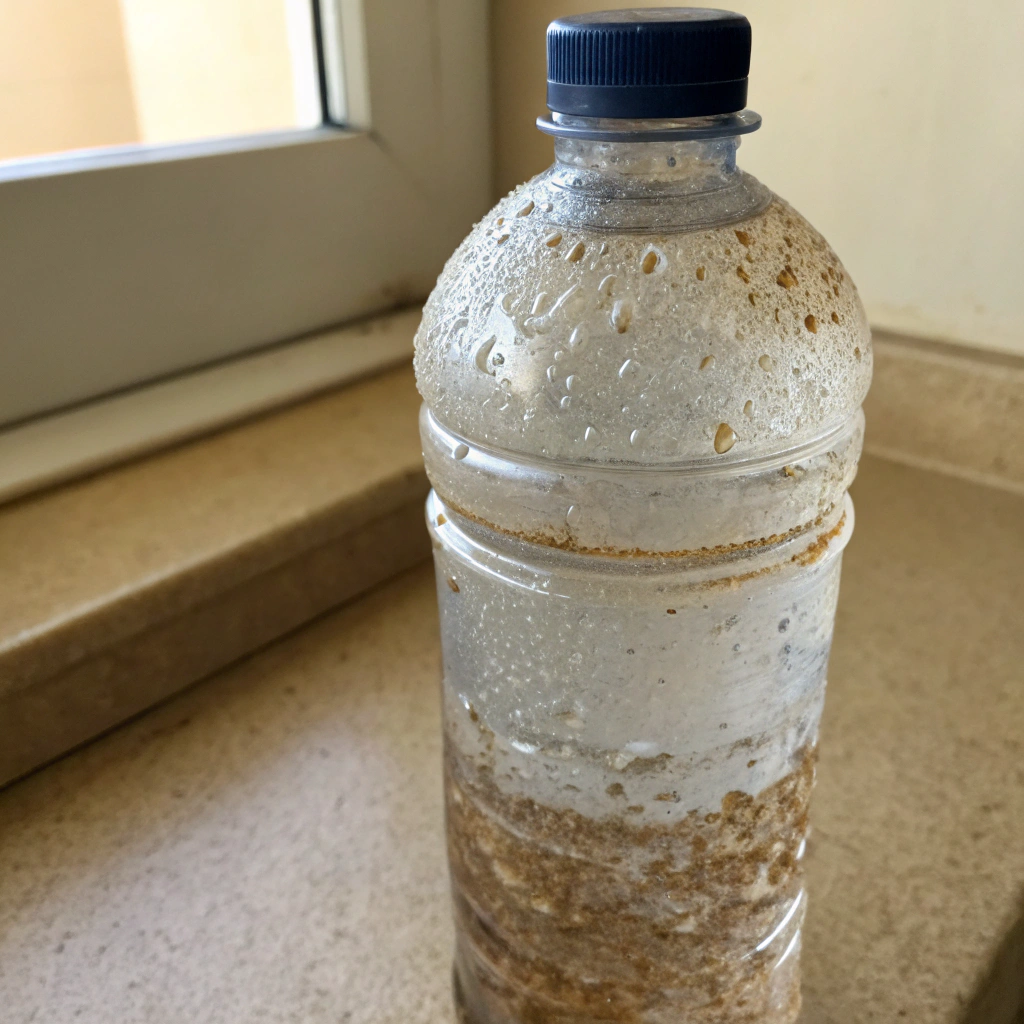
In my experience, the material of the bottle changes how this happens. For example, plastic bottles can get tiny scratches over time. I have seen how bacteria hide in these microscopic grooves, making them nearly impossible to kill without deep scrubbing. Even if you use a high-quality stainless steel bottle, the "safety" of the metal doesn't matter if there is a layer of slime sitting on top of it. I tell my clients that a bottle is only as safe as its last wash. If you can feel a "slick" or "slimy" texture inside the walls, you are already dealing with a well-established colony of bacteria.
How often do I really need to wash my water bottle?
Most people wait for a bad smell before they wash their bottle, but by then, the problem is already advanced. You need a proactive schedule to stay ahead of the germs.
You should wash your water bottle with warm, soapy water after every single day of use. At least once a week, you should perform a deep clean using a bottle brush to break up any developing biofilms and reach into the crevices of the lid and straw.
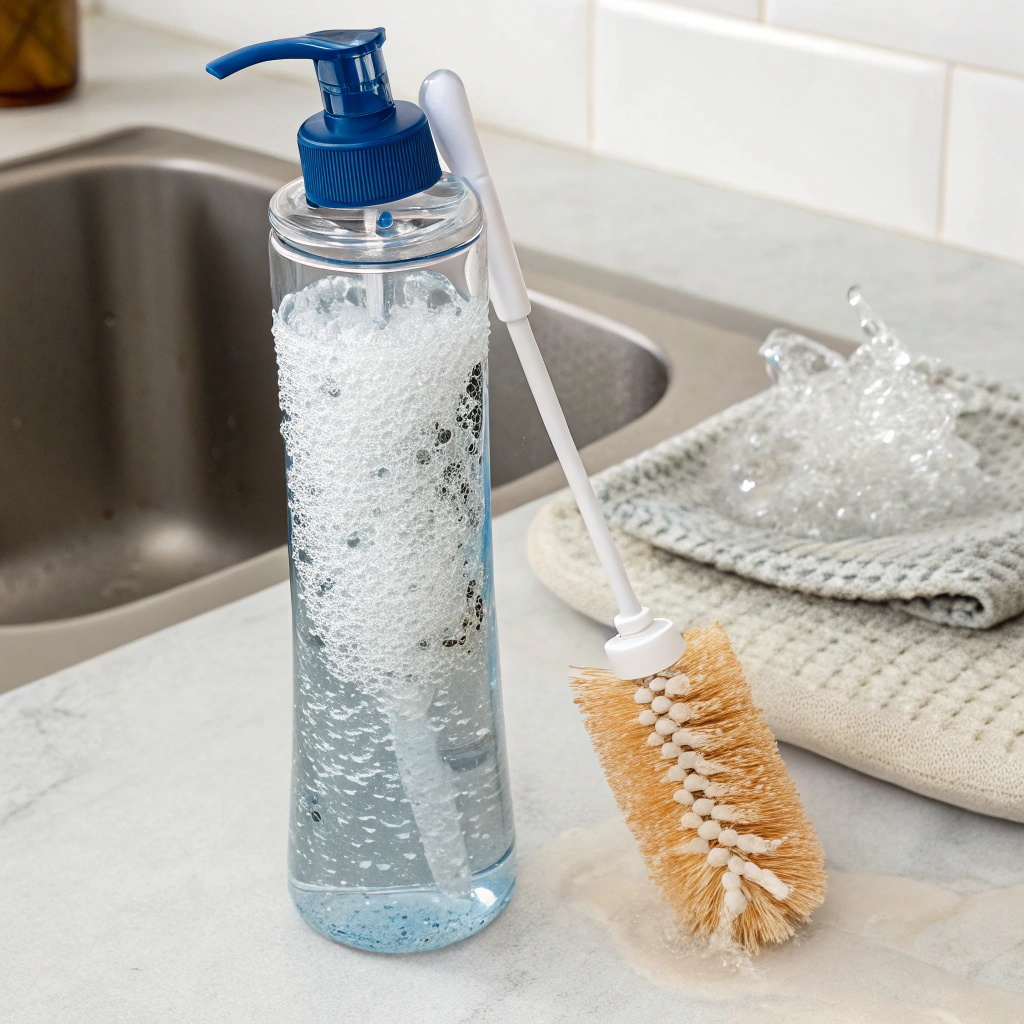
I personally follow a "one day, one wash" rule. Think of your water bottle like a dinner plate; you wouldn't use the same plate for five days in a row just because you only ate crackers off it. I find that the easiest way to keep up is to choose bottles with simple designs. I avoid bottles with complex straw systems or "push-button" lids because they have too many hidden spots. A simple screw-top bottle and a long-handled brush are your best friends.
If you have neglected a bottle for a long time, don't just trust the dishwasher. I recommend soaking it in a mix of white vinegar and water or using specialized cleaning tablets3. This helps break down the mineral scale and the sticky biofilms that soap alone might miss. Hygiene is a daily practice, not a monthly event.
Conclusion
A water bottle is a high-moisture environment that bacteria love. While skipping one wash won't always make you sick, habitual neglect creates a biofilm that is hard to kill. Wash your bottle daily to keep it a tool for health rather than a source of germs.