Can Brown Paper Shopping Bags Be Recycled?
Feeling confused about which bin to use for your old shopping bags? Many people think all paper is the same, but the wrong choice can ruin an entire batch of recycling.
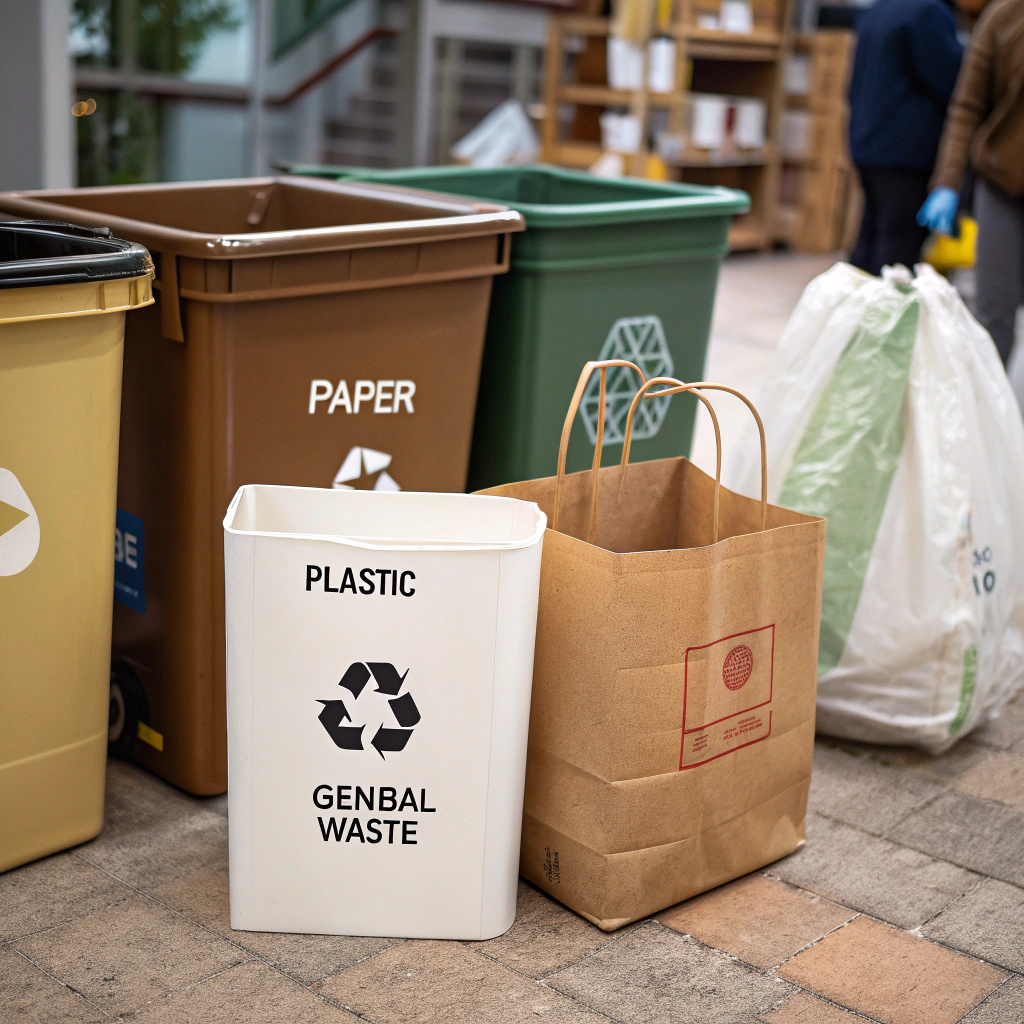
Brown paper shopping bags are highly recyclable as long as they are clean and dry. Most recycling programs accept them because they are made from long kraft paper fibers, which can be turned into new paper products up to seven times before the fibers become too short.
I have spent my life in the printing industry, and I have seen how much clean paper we can save. You need to read this because the rules for recycling are stricter than you think.
Is a Brown Paper Bag Recyclable?
Are you unsure if your takeout bag can go in the blue bin? While the material is technically recyclable, any food stains or oil can turn a valuable resource into trash that clogs the system.
A brown paper bag is recyclable1 only if it is free of food grease, oil, and moisture. If the bag has wax coatings, plastic windows, or synthetic handles, these parts must be removed first. Clean, plain kraft paper is a high-value material that recycling centers always want to collect.
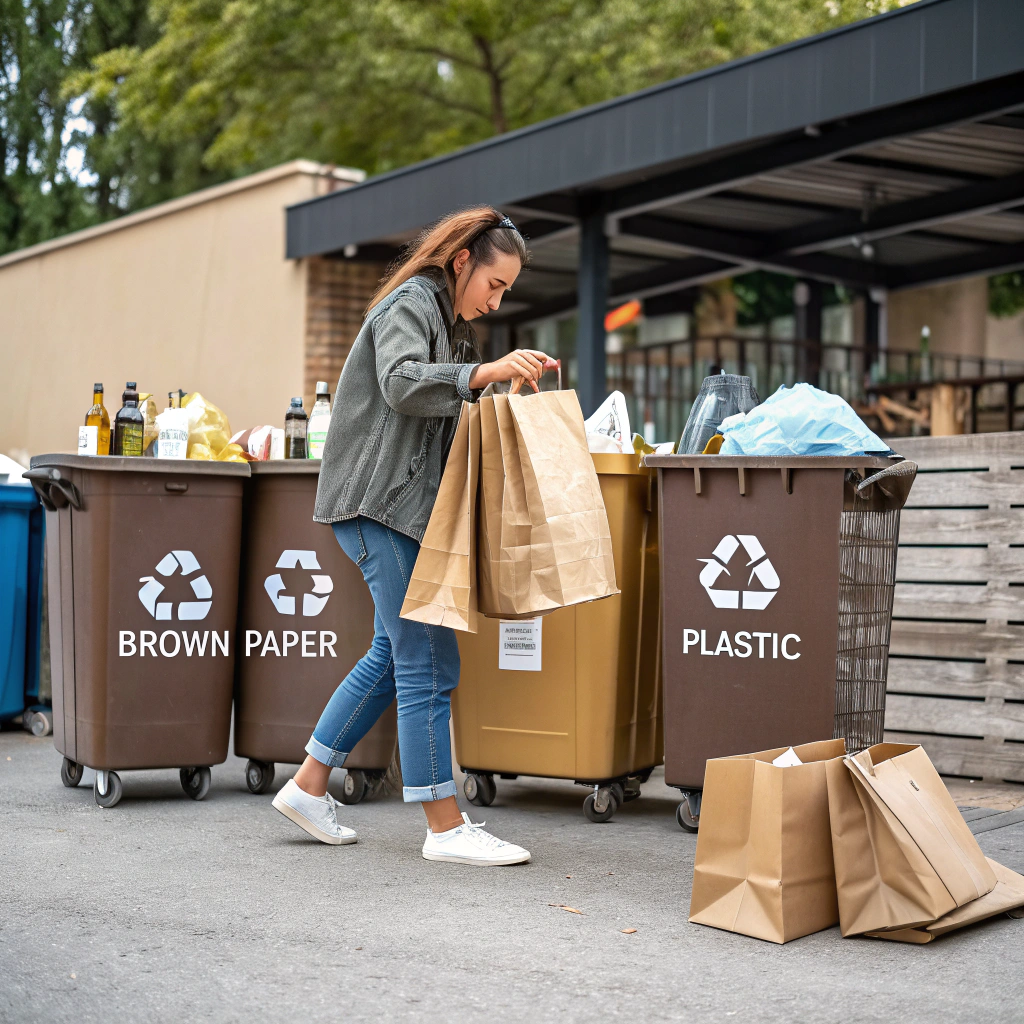
When I was working in the factory, we were very careful about "contamination." This is a big word that just means "dirt." If you put a greasy pizza box or an oily fried chicken bag in the recycling bin, the oil spreads to all the other clean paper. Once paper fibers get oily, they cannot be turned back into good pulp. It is like trying to wash a shirt in dirty water. I always tell my clients like Jacky that the quality of the bag matters. If you are a brand, using 100% plain paper without plastic film makes it much easier for your customers to do the right thing. It is not just about the bag being "paper." It is about how the bag is designed. If it is a simple, dry bag, it is a recycling champion. If it has a plastic lining to keep soup warm, it usually has to go in the general waste.
| Condition of Bag | Can It Be Recycled? | Action Required |
|---|---|---|
| Clean and Dry | Yes | Place directly in recycling bin |
| Greasy / Oily | No | Put in general waste or compost |
| Wet / Soggy | No | Dry it first or throw away |
| Plastic Handles | Partial | Remove handles before recycling |
I believe that recycling starts at home or in the office. If you take ten seconds to check the bag, you help the whole city. It is a small habit that has a huge impact on how much waste we actually save.
What to Do With Leftover Paper Shopping Bags?
Do you have a mountain of bags taking up space under your sink? Even if they are clean, sending them to the recycling center right away is actually the second-best option for the environment.
Leftover paper shopping bags should be reused as trash liners, storage containers, or packing material before being recycled. Reusing a bag multiple times reduces the need for new materials and lowers the energy used by recycling plants, making it more sustainable than immediate recycling.
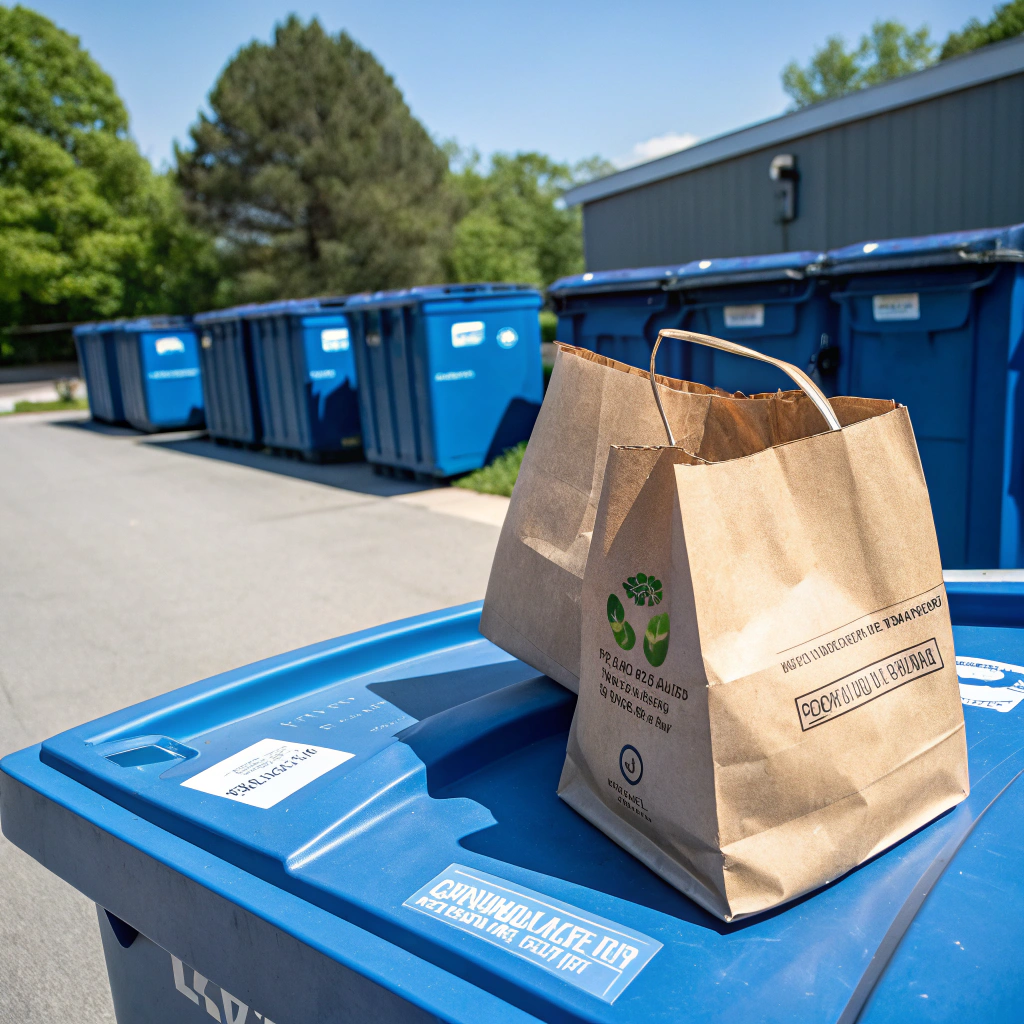
In my business, I always follow the "Hierarchy of Waste." This is a fancy way of saying: use it again before you throw it away. I keep a stack of paper bags in my car for when I go to the market. This way, I never need to take a new one. This is what I call "extending the life cycle." Each time you use a bag again, you save the water and wood that would have gone into a new bag. It is a very practical way to be a hero for the planet. For marketing managers, this is a great point to share with your audience. If your bag is strong enough to be used five times, your brand looks five times better. I have made a table to show how you can get more life out of your bags.
| Way to Reuse | Best Bag Size | Benefit |
|---|---|---|
| Bin Liner | Medium | Replaces plastic trash bags |
| Parcel Wrap | Large | Strong protection for shipping |
| Compost Base | Any | Adds carbon to garden soil |
| Paper Shreds | Any | Great padding for fragile gifts |
Reusing is a design philosophy. When we stop seeing things as "single-use," we start seeing them as resources. I always encourage people to think: "What else can this do for me today?" before they reach for the bin.
How to Get Rid of Paper Bags Properly?
Are you confused about why your "paper" bag was rejected by the collection team? Sometimes the parts of the bag that look nice, like shiny logos or ribbon handles, are the very things that make it hard to get rid of.
To get rid of paper bags properly, you must remove all non-paper parts like glue, plastic film, and synthetic rope. Once the bag is just plain paper, flatten it to save space and keep it in a dry spot until collection day so it stays in top condition for processing.
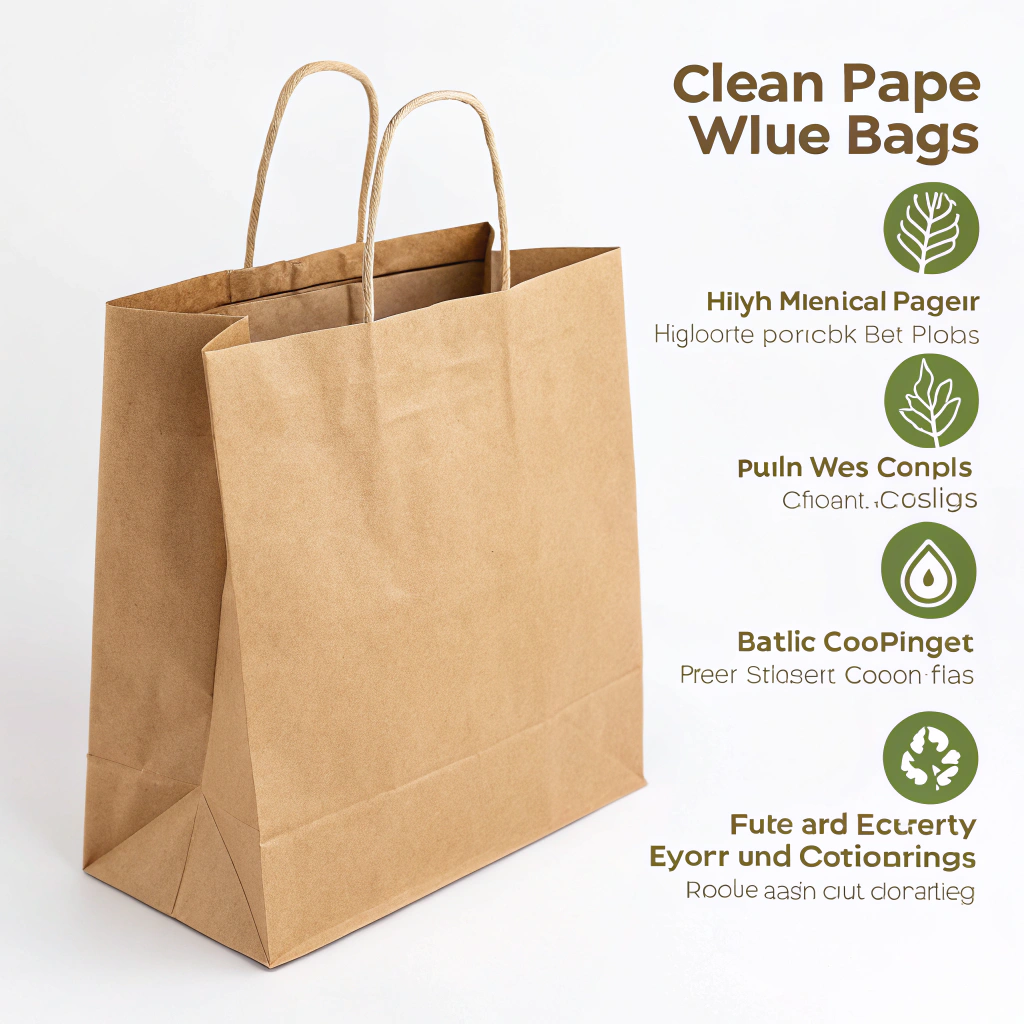
I have seen many brands try to look "eco-friendly2" by using paper but then adding a plastic gloss on top to make it shine. This is a mistake. That thin layer of plastic makes the bag impossible to recycle. At Latitude, I help my clients choose finishes that are water-based or soy-based so the whole bag stays recyclable. If you are at home and you have a bag with a ribbon handle, just pull the handle out. It takes two seconds. Then, check the inside. If you see a plastic film, that bag belongs in the trash. If it is just rough, brown kraft paper, you are good to go. Flattening the bag is also important. If the recycling truck is full of air from unflattened bags, it has to make more trips, which creates more pollution.
| Bag Feature | Recycling Rule | Why? |
|---|---|---|
| Glossy Coating | Usually No | Plastic film clogs the pulp |
| Paper Handles | Yes | Made of the same material |
| Rope Handles | No | Synthetic fibers don't mix |
| Flat Design | Yes | Essential for efficient transport |
I tell my friend Jacky that sustainability3 is a behavior. It is not just about what the bag is made of, but how we handle it. When we treat our waste with respect, we help create a system that actually works. It is about taking responsibility for the items we bring into our lives.
Conclusion
Brown paper bags are a great green choice if you keep them clean, reuse them often, and prepare them correctly for recycling. Your thoughtful habits are what truly make a brand sustainable.