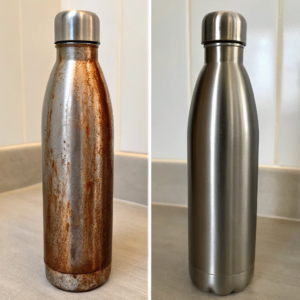
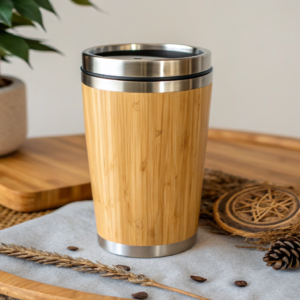
Are reusable water bottles really helping?
Do you feel like your eco-friendly habits are actually making a difference? Many people buy reusable bottles to save the planet, but most of these bottles end up sitting in a kitchen cabinet.
Reusable water bottles only help when they are used consistently to replace hundreds of single-use plastics. Their environmental benefit depends on long-term habits rather than just owning the product. When used daily, they significantly reduce waste and shift our mindset toward a sustainable, refill-based lifestyle.
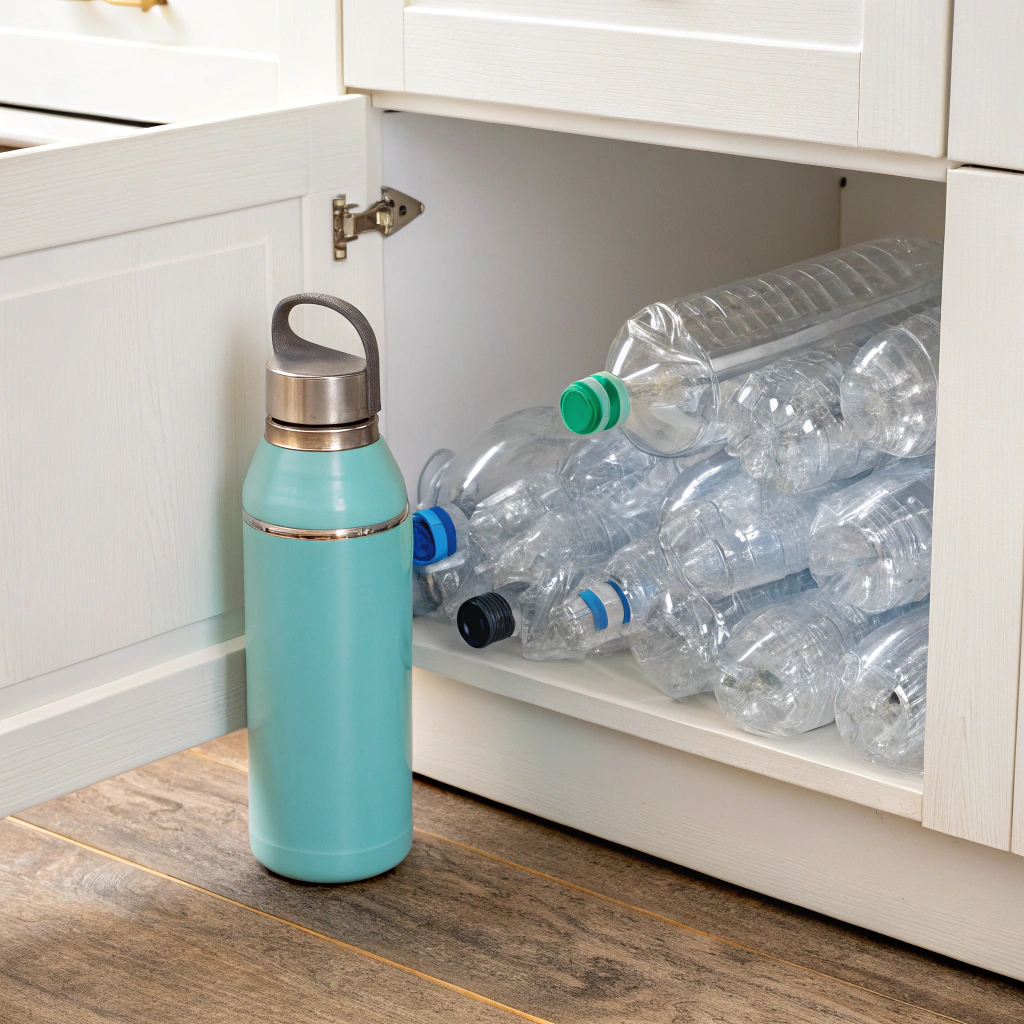
I have seen many people buy the latest trendy bottle just because it looks good. If that bottle stays on a shelf, it actually hurts the environment more than a plastic one because it took more energy to make. To truly help, we need to change how we act, not just what we buy. Keep reading to see how your daily routine decides if your bottle is truly green.
Are reusable water bottles worth it?
Is your expensive bottle just taking up space? Producing stainless steel or glass requires a lot of raw materials and energy. If you don't use it enough, the "eco-friendly" choice actually has a higher carbon footprint than disposable plastic.
Reusable bottles are worth it only if you use them enough to offset their production costs. A steel bottle must be used dozens of times to be greener than plastic. The real value comes from the long-term habit of refilling, which saves money and stops thousands of plastic bottles from entering oceans.
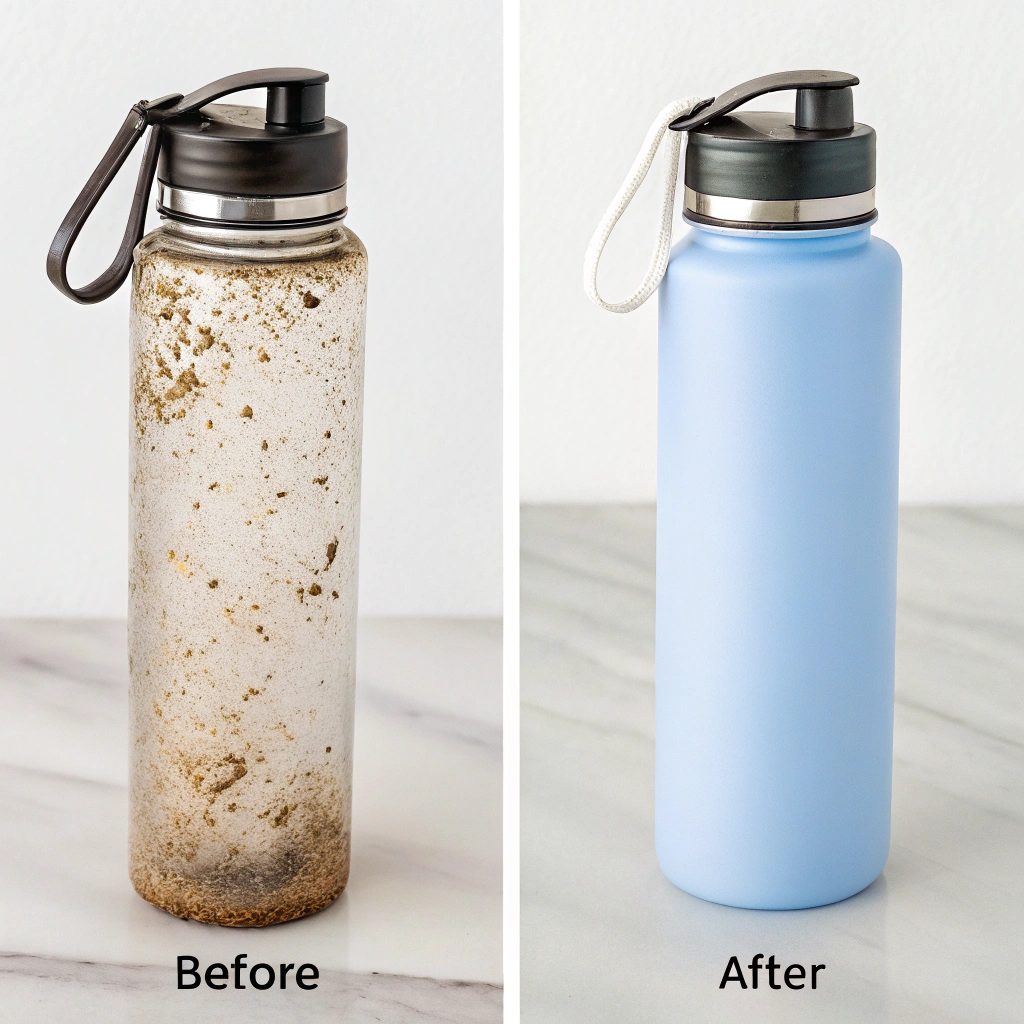
In my years of looking at product lifecycles, I have learned that sustainability is about repetition, not just intention. I used to buy cheap plastic bottles at the gym every single day. When I switched to a sturdy metal bottle, I realized it wasn't just about the bottle itself. It was about the shift in my head. I started looking for water coolers instead of vending machines. This small change in my routine is what actually reduced my waste.
We often focus on the product, but we should focus on the behavior. A bottle is a tool for a low-waste lifestyle. If you carry it everywhere, it becomes a social signal. It shows you care about wellness and responsibility. This normalization helps others around you start their own green habits. It is not about being perfect once; it is about being consistent every day. The best bottle is the one you already own and use until it wears out.
Sustainability Impact of Different Materials
| Material Type | Production Energy | Durability | Best Use Case |
|---|---|---|---|
| Stainless Steel | High | Extremely High | Daily commuting and outdoor use |
| Glass | Medium | Medium (Fragile) | Office desk or home use |
| BPA-Free Plastic | Low | Medium | Gym and lightweight travel |
| Silicone (Foldable) | Medium | High | Travel with limited bag space |
Should reusable water bottles be washed daily?
Are you worried about the invisible germs in your bottle? Many of us forget to clean our bottles for days. This can lead to a build-up of bacteria and mold, which makes your healthy habit feel a bit gross.
Reusable water bottles should be washed daily to prevent the growth of bacteria and biofilm. Moisture and backwash create a perfect environment for germs to thrive. A quick rinse with warm soapy water every night keeps the bottle safe and ensures your water stays fresh and odor-free.
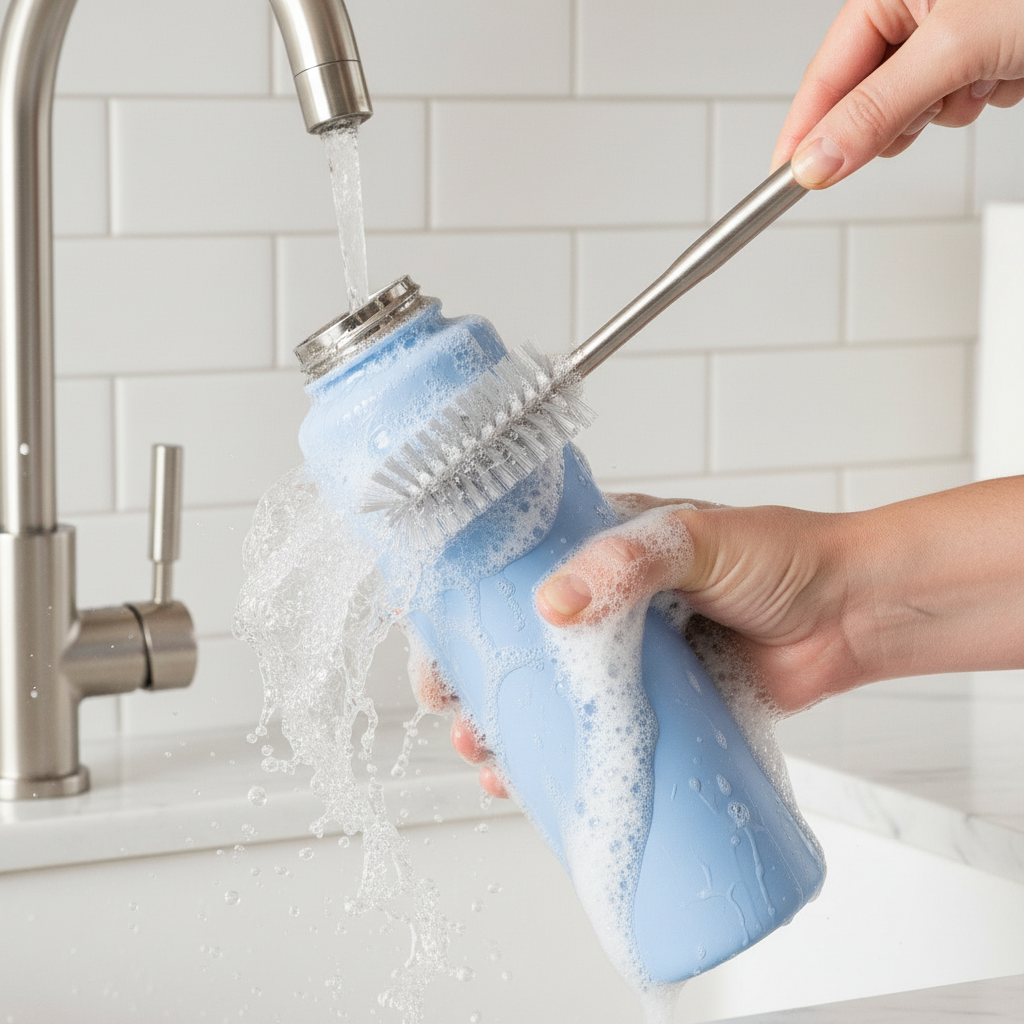
I once made the mistake of leaving my bottle in my car over a long weekend. When I opened it, the smell was terrible. I realized then that just because it only holds water doesn't mean it stays clean. Our mouths carry bacteria, and every sip transfers some to the bottle. If you are a busy marketing manager like me, it is easy to forget this small chore. But skipping it can actually make you sick, which defeats the purpose of staying hydrated.
I now make it a rule to wash my bottle at the same time I wash my dinner dishes. It only takes a minute. Using a bottle brush is the best way to reach the bottom where slime can hide. If your bottle has a straw or a complex lid, you need to be even more careful. Those small gaps are where mold likes to grow. A clean bottle is a bottle you will actually want to use. If it smells bad, you will just leave it at home and buy a plastic one, which breaks the sustainable cycle.
Daily Cleaning Checklist
- The Lid: Remove any rubber gaskets where mold can hide.
- The Body: Use a long brush to scrub the inside walls thoroughly.
- The Straw: Use a tiny pipe cleaner for built-in straws.
- Air Dry: Leave the bottle upside down to dry completely overnight.
How long can water sit in a reusable bottle?
Do you ever drink the water left in your bottle from yesterday? We often think water doesn't "expire," but sitting in a closed container changes things. Old water can taste flat or even become a home for microorganisms.
Water should not sit in a reusable bottle for more than 24 hours. After a day, bacteria from your mouth can multiply in the water, especially in warm environments. For the best taste and safety, you should empty your bottle and refill it with fresh water every morning.
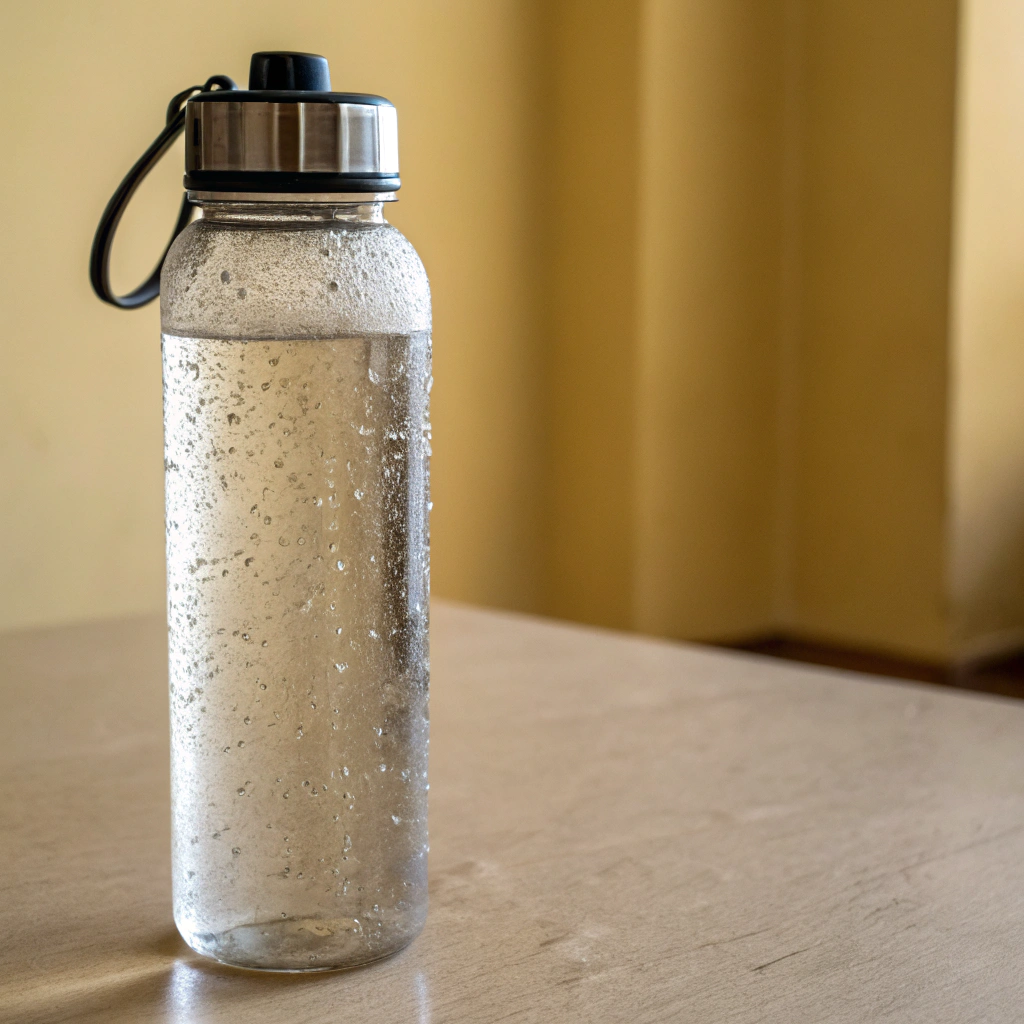
I have a habit of filling my bottle before bed and leaving it on my nightstand. In the morning, the water often tastes "stale." This is because water absorbs carbon dioxide from the air, which slightly changes its pH level. While it might not be dangerous after 12 hours, it isn't the best experience. If the bottle has been sitting in a hot car, I definitely don't drink it. Heat speeds up the growth of any bacteria that might be inside.
I always tell my team to "start fresh." Empty out the old water, give it a quick rinse, and fill it up for the new day. This also reminds you to stay on track with your hydration goals. If you see the same water level you saw yesterday, you know you aren't drinking enough. Fresh water is a mental reset. It helps you stay focused during long meetings and keeps your energy up. By refilling daily, you maintain the "refill habit" that makes the bottle sustainable in the first place.
Water Freshness Guidelines
| Time Period | Status | Action Recommended |
|---|---|---|
| 0 - 12 Hours | Fresh | Perfectly fine to drink |
| 12 - 24 Hours | Stale | Safe, but might taste different |
| 24 - 48 Hours | Risky | Best to use for watering plants |
| 48+ Hours | Unsafe | Empty and wash the bottle immediately |
Conclusion
Reusable bottles are a powerful tool for the environment when used correctly. By building a daily habit of refilling and cleaning, you turn a simple object into a meaningful step toward a sustainable future.