Why Do So Many People Fail to Redeem Gift Cards?
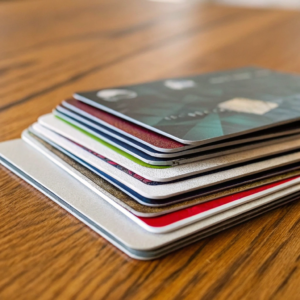
Have you ever found an old gift card tucked away and realized it was past its prime? You aren't alone. Millions of dollars sit unused every year because of how our brains handle "gift money."
People fail to redeem gift cards because of psychological friction, decision paralysis, and lack of visibility. Unlike cash, gift cards are often saved for a "perfect" future purchase, leading to procrastination and eventual forgetfulness as the card falls out of the consumer's daily financial routine.

I have spent over a decade in marketing and branding, and I have seen how gift cards act as a double-edged sword. I used to think people were just forgetful, but now I realize it is a deep-seated human habit. We treat a gift card differently than the five-dollar bill in our pocket. We want the "perfect" experience, and that desire for perfection often leads to no experience at all. Let's dive into why these balances stay unspent.
What Percentage of Gift Cards Aren't Redeemed?
Do you realize that your forgotten drawer of cards contributes to a billion-dollar windfall for companies? It is a massive global phenomenon where a huge chunk of value simply vanishes from the consumer's pocket.
Industry data suggests that between 6% and 10% of gift card value is never redeemed. This translates to billions of dollars annually that stay with the retailers as "breakage," representing pure profit for the business without them ever having to provide a product or service.
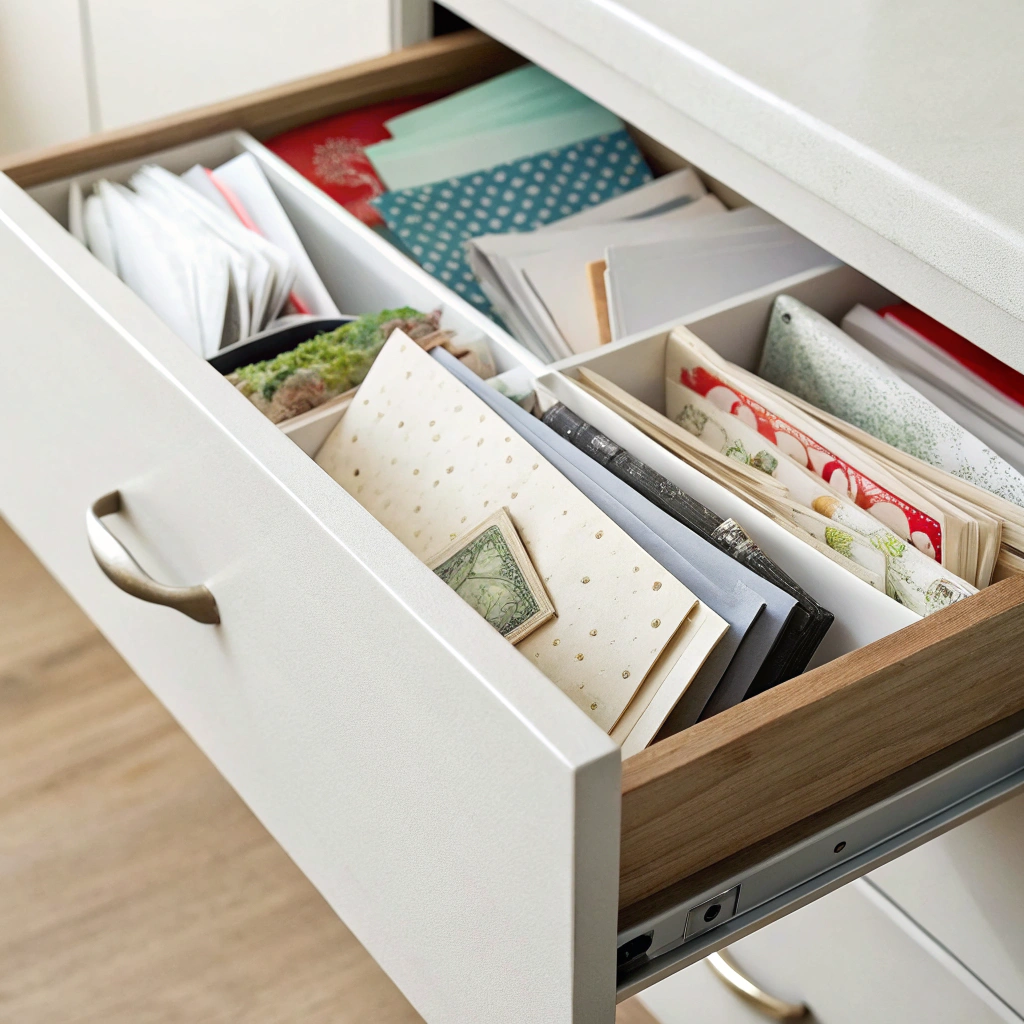
In my work with corporate clients, I have seen that "breakage" is a line item they actually plan for. It sounds surprising, but companies know that not everyone will come back. When I manage branding for gift items, I see that the psychology of "future enjoyment" is very strong. People receive a card and think, "I will save this for a special occasion." Because that special occasion never feels quite right, the card stays in the wallet until it is lost or the magnetic strip fails.
The most interesting part is the "small balance" trap. I have noticed that people are very likely to spend the first $40 of a $50 card. But once it gets down to a few dollars, the effort of using it feels higher than the value of the money. I see this all the time in my own life too. It feels awkward to ask a cashier to split a payment for a tiny amount.
| Redemption Category | Consumer Behavior | Impact on Company |
|---|---|---|
| Full Loss | Card is lost or expires | 100% Profit (Breakage) |
| Partial Remainder | Small balance left behind | High Margin Profit |
| Delayed Use | Card used after 12+ months | Long-term interest-free loan |
| Prompt Use | Card used within 30 days | Immediate inventory movement |
I once saw a report for a mid-sized retailer where their "abandoned" card balances were enough to cover their entire holiday marketing budget. It proves that our habit of "saving things for later" is a massive boost for the corporate world. We aren't just forgetting money; we are giving it back to the brand.
Why Do Gift Cards Sometimes Become Worthless After a Company Fails?
Have you ever held a card for a store that suddenly closed its doors forever? It is a frustrating experience to realize your "money" has turned into a useless piece of plastic overnight.
Gift cards become worthless during a bankruptcy because cardholders are considered "unsecured creditors." When a company fails, it must pay back banks and taxes first; by the time they get to gift card holders, there is usually no money left to honor the debt.

I have seen this happen to friends and colleagues during retail shifts in Singapore and beyond. From a business perspective, a gift card is just a promise. If the company is gone, the promise dies with it. I always tell people that a gift card is not a bank account. It is a debt that the store owes you. If the store goes bankrupt, they often stop accepting cards immediately to save cash for the legal process.
In my ten years of marketing, I have learned that "brand trust" is fragile. When a company stops honoring cards, it destroys their reputation instantly. But at that point, the company usually has bigger problems. They are trying to pay off massive loans, and a $20 gift card is at the very bottom of the priority list. This is why I always suggest using cards as soon as you get them.
| Priority Level | Entity Being Paid | Likelihood of Recovery |
|---|---|---|
| Level 1 | Secured Lenders (Banks) | Very High |
| Level 2 | Employees and Taxes | High |
| Level 3 | Suppliers and Vendors | Medium |
| Level 4 | Gift Card Holders | Very Low |
I remember a major retail chain that went under a few years ago. Thousands of people were left with cards they had saved for the holidays. It was a marketing disaster, but legally, the company didn't have to do anything. It taught me that "cash is king" because it doesn't depend on the survival of a single brand.
What is the 10 Toy Rule?
Are you looking for a way to manage the chaos of gifts and ensure they actually get used? This rule is a popular strategy to help families focus on quality over quantity, especially during the holidays.
The 10 Toy Rule is a boundary-setting strategy where a child is limited to having only ten toys at any given time. This encourages deeper play, reduces clutter, and helps parents avoid the waste of buying items that will eventually be forgotten or ignored.
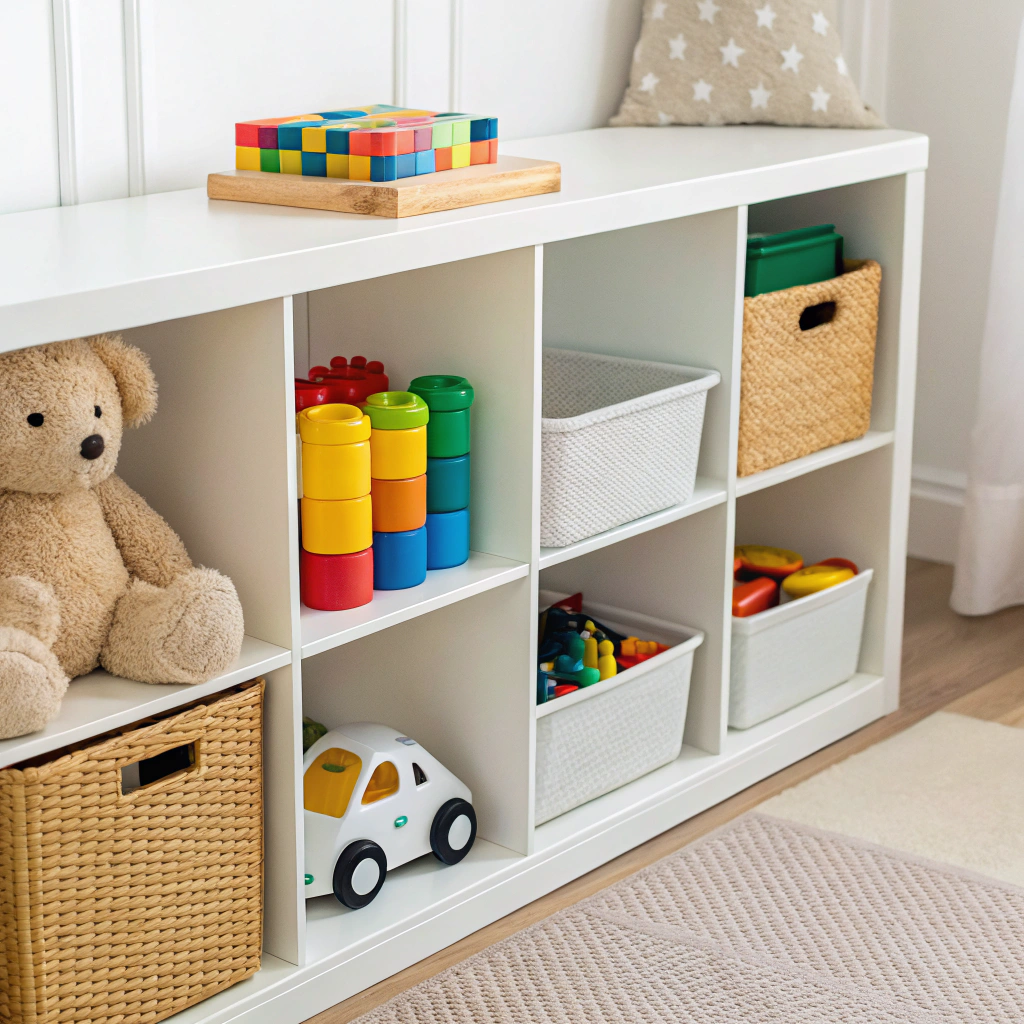
While this rule is usually for parents, I see a strong connection to how we handle corporate gifts and cards. As a marketing manager, I know that if I give a client ten different small trinkets, they will value none of them. But if I give them one high-quality, meaningful item, they will keep it. The "10 Toy Rule" is about focus. It forces us to choose things that have real value instead of just filling space.
In the world of branding, we often call this "minimalist marketing." I try to apply this to my projects by asking: "Is this gift going to be one of the 'ten' things they actually care about?" If the answer is no, we don't buy it. This saves our budget and makes our brand look more premium. It is the same reason why a single, thoughtful gift card for a specific experience is better than five random ones.
| Rule Benefit | Impact on User | Impact on Brand |
|---|---|---|
| Reduced Clutter | Less stress and mess | Higher perceived value |
| Better Focus | More engagement with the item | Stronger brand memory |
| Sustainable Choice | Less waste in the bin | Eco-friendly image |
| Quality Over Quantity | Longer lasting satisfaction | Better ROI for marketing |
I once helped a client redesign their welcome kits based on this idea. We cut the number of items from twelve down to four very high-quality pieces. The feedback from their customers was much better. People felt like we actually cared about their needs instead of just throwing plastic at them. It proves that having less can actually lead to a much better brand experience.
Conclusion
People fail to use gift cards because of decision paralysis and poor visibility, leading to billions in lost value. Understanding the psychology of "future enjoyment" helps us make better choices and avoid losing money to breakage.