How Do Gift Card Companies Earn Money?
Ever wondered why every major brand pushes plastic cards so hard? It looks like a simple exchange of cash for credit, but these cards are actually sophisticated profit engines for businesses.
Gift card companies earn money through "breakage" (unused balances), increased "upselling" where customers spend more than the card’s value, and improved cash flow. They also benefit from the time delay between the cash payment and the actual redemption of products, which provides interest-free capital.
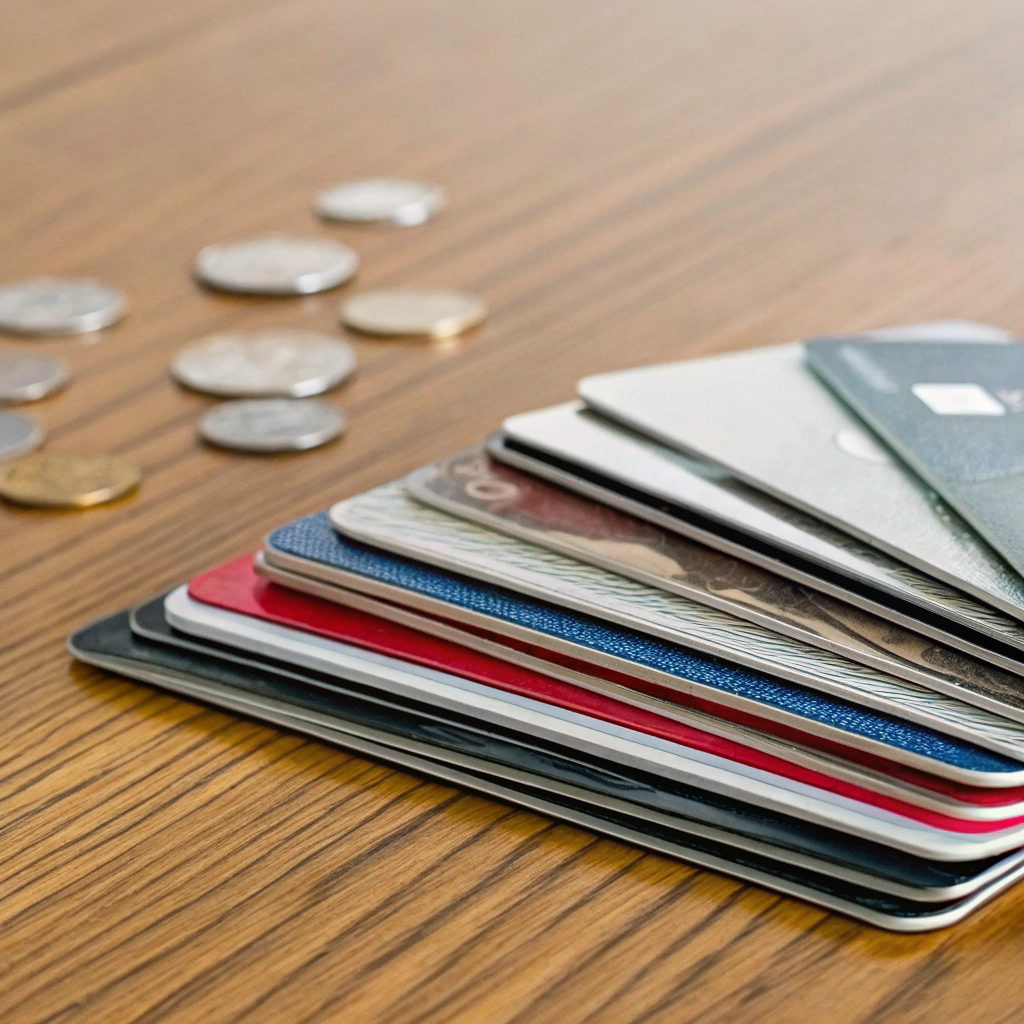
In my ten years of marketing, I have seen gift cards transform from simple last-minute presents into a core pillar of retail strategy. I used to think they were just a convenience for customers. However, after managing brand campaigns, I realized they are actually a way to lock in future sales and boost current bank balances. Let’s look at how these little cards make such a big impact on a company's bottom line.
Is a Gift Card Business Profitable?
Do you think gift cards are just a small side service for retailers? In reality, the gift card market is a multi-billion dollar industry that provides some of the highest margins in the retail world today.
The gift card business is extremely profitable because it captures revenue before any product is even sold. Companies gain immediate liquidity, benefit from customers who never redeem their balances, and see a significant rise in store traffic and average order values from card holders.
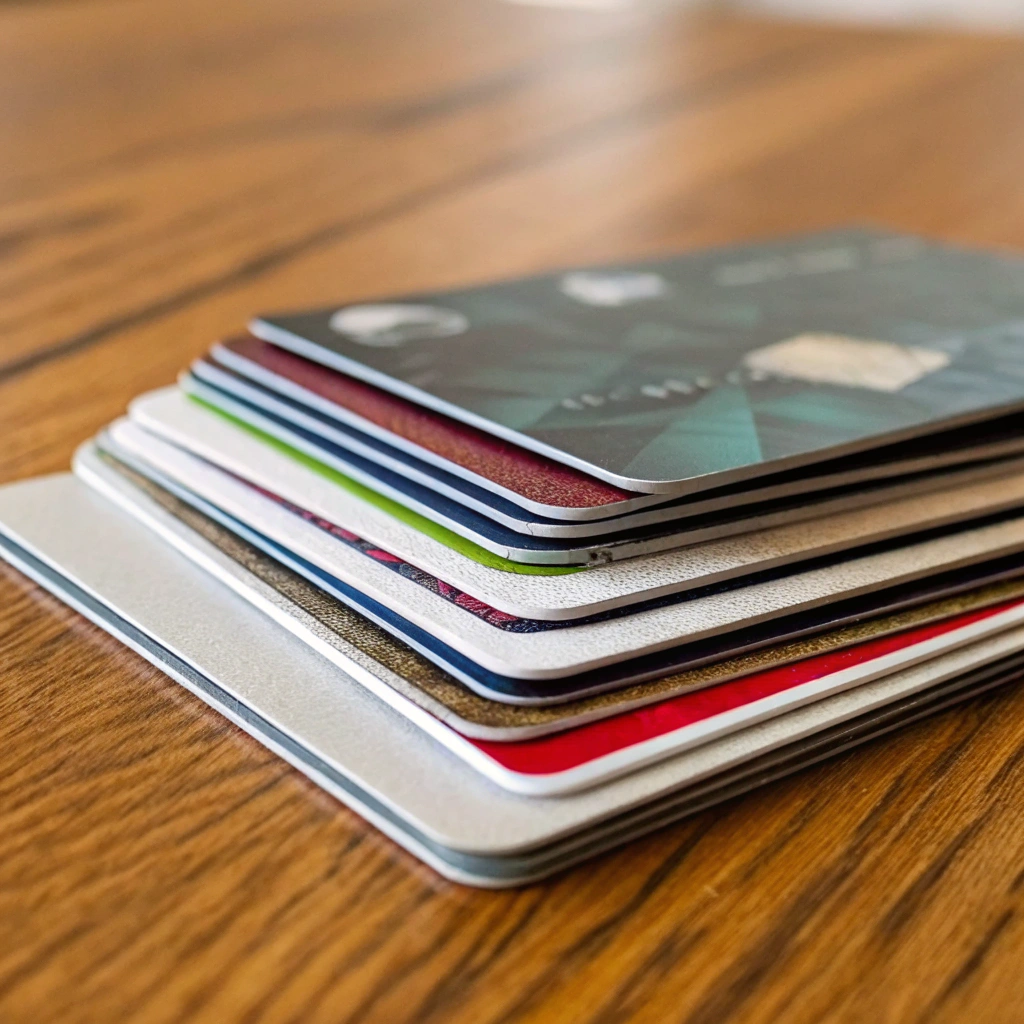
When I analyze the profitability of gift cards, I look at the "hidden" wins. When someone buys a card, the company gets the money right away. They can use this cash to pay for operations or invest it while they wait for the customer to come back. This is basically an interest-free loan from the customer. From my experience in the trading sector, having that extra cash flow without paying bank interest is a huge advantage.
Furthermore, the "upsell" effect is where the real profit lives. I have noticed that when a person has a $50 gift card, they don't just spend $50. They feel like they have "free money," so they end up buying $80 or $100 worth of goods. They are much less price-sensitive because the first $50 is already covered. This psychological shift turns a small gift into a large sale.
| Profit Driver | How it Works | Impact on Business |
|---|---|---|
| Breakage | Unused or lost balances | Pure profit with zero cost of goods |
| Upselling | Customers spending over the limit | Higher average transaction value |
| Float | Time between purchase and use | Improved cash flow and liquidity |
| New Customers | Recipients who haven't visited before | Low-cost customer acquisition |
I once managed a campaign where we distributed branded cards as part of a promotion. We found that nearly 70% of the recipients spent at least 20% more than the card’s value. It was one of the most effective ways to drive high-value sales during a slow season.
How Do Gift Cards Work for a Company?
Are you curious about the backend process of how a company handles these transactions? While it looks like a simple payment, it is actually a clever way to manage debt and customer loyalty simultaneously.
Gift cards work as a "deferred liability" on a company’s balance sheet. When a card is sold, the money is recorded as cash, but the sale isn't "final" until the card is used, allowing the company to hold and use the funds in the meantime.

I often explain to my team that a gift card is a "commitment to return." When I give a client a gift card for our services, I am essentially buying their next visit. For a company, this is brilliant because it guarantees future foot traffic. Even if the customer only uses half the card, they had to walk through the door or log into the app to do it. That gives the brand a chance to sell them even more.
Technically, the company keeps the money in a dedicated account. In many regions, there are laws about how long they must wait before they can claim unused money as profit. But even before that happens, the marketing value is huge. A gift card is a physical or digital reminder of the brand sitting in a customer’s wallet. It is a constant advertisement that the customer paid for!
| Operational Step | Business Action | Financial Result |
|---|---|---|
| Issuance | Selling the card | Cash enters the business immediately |
| Tracking | Managing the balance | Data on customer spending habits |
| Redemption | Exchanging for goods | Inventory moves, sale is finalized |
| Reporting | Calculating unused funds | "Breakage" is moved to the profit side |
I remember a project where we used digital gift cards for a loyalty program. The data we gathered was incredible. We could see exactly when people were most likely to spend and what items they bought with their "bonus" money. It allowed us to tailor our stock to match their behavior, making the entire business more efficient.
What Percent of Gift Cards Actually Get Used?
Have you ever found an old gift card in a drawer and realized it was expired or empty? You are not alone, and this common habit is exactly what drives the "breakage" revenue that companies love.
Research shows that approximately 80% to 90% of gift cards are redeemed within the first year. However, about 6% to 10% of gift card value is never used, resulting in billions of dollars in "breakage" profit for retailers annually.
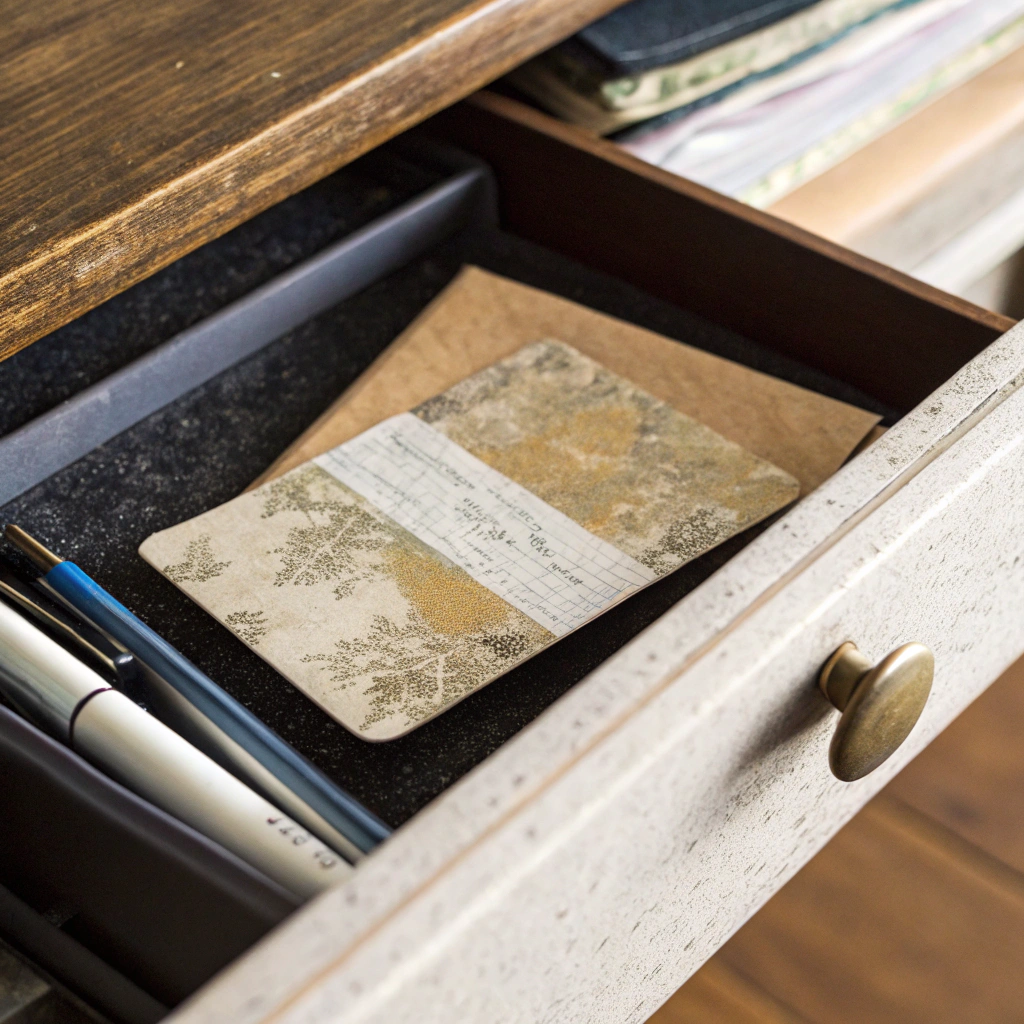
This is the part of the business that feels like "free money" for the company. In my ten years of marketing, I’ve seen that many people lose cards or simply forget about those tiny balances like $2.35 left on a card. Most people won't make a special trip to spend two dollars. But if you have a million customers with two dollars left over, that is $2 million in pure profit for the brand. It is the gap between the intention to spend and the actual follow-through.
I call this the "psychology of the forgotten." We have all been there. We receive a gift, we are excited, and then life gets busy. For a brand manager like me, knowing that a certain percentage of cards won't be redeemed allows for more aggressive marketing. We can afford to be generous with card promotions because we know the "real-world" redemption rate isn't 100%.
| Redemption Status | Estimated Percentage | Business Outcome |
|---|---|---|
| Full Redemption | ~70% | Sale completed as planned |
| Partial Redemption | ~20% | Remaining balance becomes breakage |
| Never Used | ~10% | 100% profit for the company |
| Over-Spend | ~75% of users | Revenue exceeds card value |
I once worked with a retail partner who realized their breakage was higher than their net profit margin on some physical products. It changed the way they looked at their entire business. They started focusing more on the cards than the actual items on the shelves. It shows that in modern business, managing the behavior of the customer is just as important as the quality of the product you sell.
Conclusion
Gift card companies profit from a mix of unused balances, increased customer spending, and immediate cash flow. By shaping how and when we spend, they turn a simple gift into a powerful and highly profitable marketing tool.