How Can Enamel Pins Become a Lasting Identity Marker for My Brand?
Most brands waste their budget on generic items that people throw away. You need a promotional gift that people value and wear. A bad choice makes your brand look cheap and forgettable.
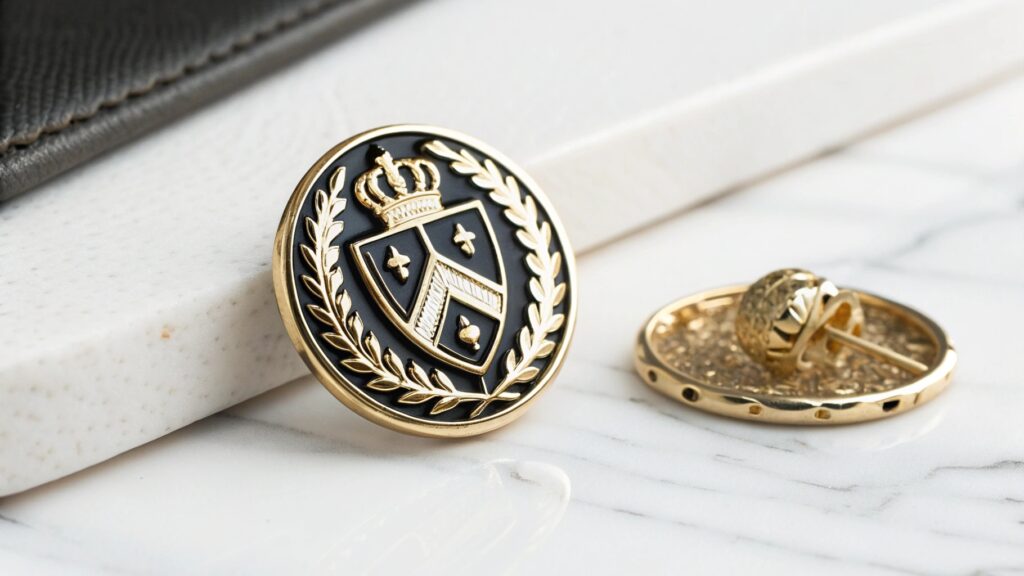
Enamel pins are effective branding tools when you match the material to your specific goal. Hard enamel offers a premium, polished look for luxury brands. Soft enamel provides a textured, vibrant finish for events. Choosing the right style ensures your brand becomes a meaningful part of a customer's identity.
 ![]()
![]()
I began my journey on the floor of a small printing factory. I learned how raw materials turn into finished products through heat and pressure. This hands-on experience taught me that quality is not an accident. I founded Latitude to help managers like you find gifts that tell a story. A small pin can carry a lot of brand weight if you choose wisely. I want to share my insights so your next project is a total success.
Which is Better, Soft or Hard Enamel Pins1?
You might choose the wrong pin type and end up with a product that feels low-quality. This confusion can frustrate your team and disappoint your customers. You need to know the difference to protect your brand image.
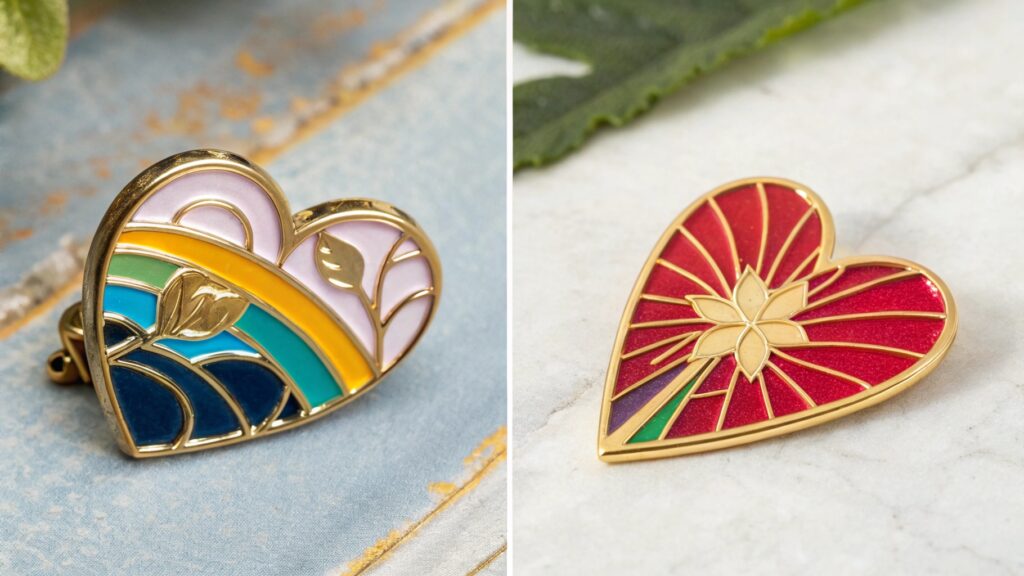
Hard enamel is better for premium branding and retail because it has a smooth, jewelry-like finish. Soft enamel is better for bold, colorful designs because it is more affordable and has a unique 3D texture. Your choice should depend on whether you want a luxury feel or a vibrant, budget-friendly look.
 ![]()
![]()
The choice between soft and hard enamel2 is about the "feel" of your brand. In my experience, soft enamel pins are a classic choice for a reason. The metal borders sit higher than the ink. This creates a textured, 3D effect that catches the light beautifully. I often suggest these for bold designs or large marketing events. They are cost-effective but still have a high visual impact. On the other hand, hard enamel pins undergo a more intense process. We fill the recessed areas with multiple layers of enamel and then bake them. After baking, we polish the surface flat. The result is a smooth, durable finish that feels like high-end jewelry. I find that collectors and premium brands prefer hard enamel for this reason. It communicates craftsmanship and longevity. You must think about your audience before you decide. Are they young students putting pins on backpacks? Or are they corporate executives wearing pins on blazers? The context of where the pin is worn defines its quality. I always look at the design details first. If your logo has very bright colors, soft enamel makes them pop. If you want a subtle, elegant look, hard enamel is the way to go.
| Feature | Soft Enamel Pins | Hard Enamel Pins |
|---|---|---|
| Surface Texture | Recessed ink with raised metal borders (3D feel). | Flat, smooth, and polished (jewelry feel). |
| Durability | High, but the ink can be scratched over time. | Extremely high and scratch-resistant. |
| Cost | More affordable, great for large volumes. | Higher price due to extra polishing and baking. |
| Best Use | Promotional events, bold designs, streetwear. | Employee recognition, luxury retail, collectors. |
What is the Best Material for Lapel Pins?
Using the wrong material can lead to pins that rust or snap. This reflects poorly on your company's attention to detail. You need a durable material that keeps your logo looking fresh for years.
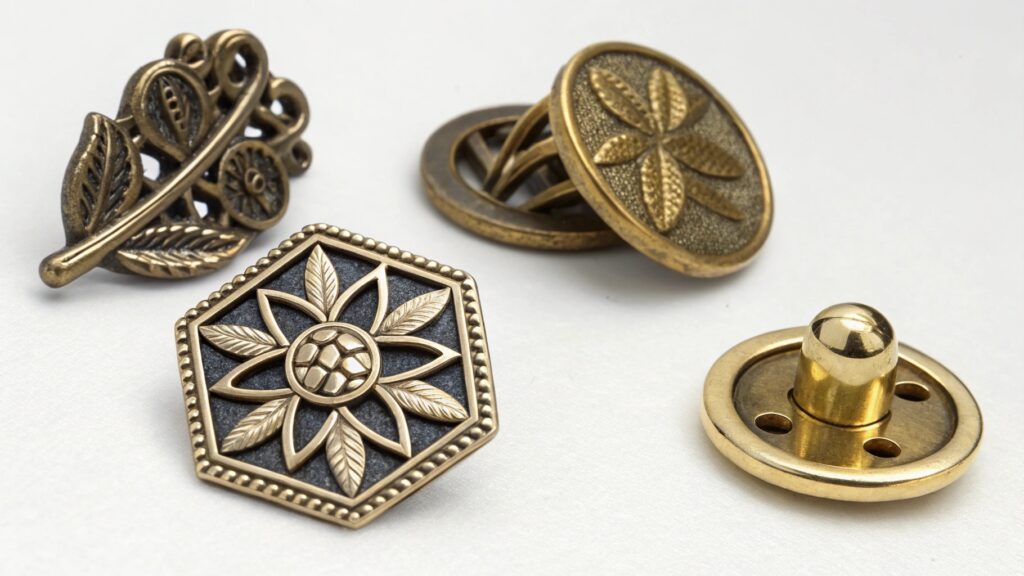
Zinc alloy is the best material for most modern lapel pins because it allows for high detail and 3D shapes. Iron3 is a great, low-cost option for soft enamel pins. For a truly premium feel, brass or copper offers a heavier weight and a high-quality finish that collectors and loyal fans value.
 ![]()
![]()
Material choice is the foundation of a good pin. I learned this early on in the factory. If the metal is too soft, the pin will bend. If it is too cheap, the plating will flake off. Most of the pins I create at Latitude use zinc alloy. This material is excellent because we can cast it into very complex shapes. If your logo has sharp corners or cut-outs, zinc alloy handles it perfectly. For marketing managers on a tight budget, iron is a strong alternative. It is magnetic and works well with soft enamel. However, it is heavier and less suited for very intricate designs. I also want to mention "die-struck" pins. These pins use metal texture instead of color to make a statement. They rely on the contrast between polished and sandblasted metal. This style is perfect for professional organizations that want a subtle and symbolic look. I often see these on suit lapels at formal business events. The weight of the metal also matters. A heavier pin made of brass feels more valuable in the hand. It gives the user a sense of "heft" and quality. When I help you choose a material, I look at the balance of cost and durability. We want a pin that looks as good in three years as it does today.
| Material | Manufacturing Method | Best For |
|---|---|---|
| Zinc Alloy | Injection Casting | Complex 3D designs and cut-outs. |
| Iron | Die-Struck | Large promotional runs and budget-conscious projects. |
| Brass/Copper | Die-Struck | High-end commemorative pins and premium gifts. |
| Stainless Steel | Offset Printing | Designs with photos or many color gradients. |
What Should You Avoid When Choosing a Pin?
Overly complex designs often result in a messy, unreadable pin. You might end up with a product that looks like a blob of color from a distance. Avoiding these common traps is the only way to ensure your brand message stays clear.
Avoid thin lines, tiny text, and too many colors that bleed together. You should also avoid low-quality backings like weak plastic clutches that fall off easily. Always consider the weight of the pin. A heavy pin can damage delicate clothing or pull down on thin fabrics like silk.
 ![]()
![]()
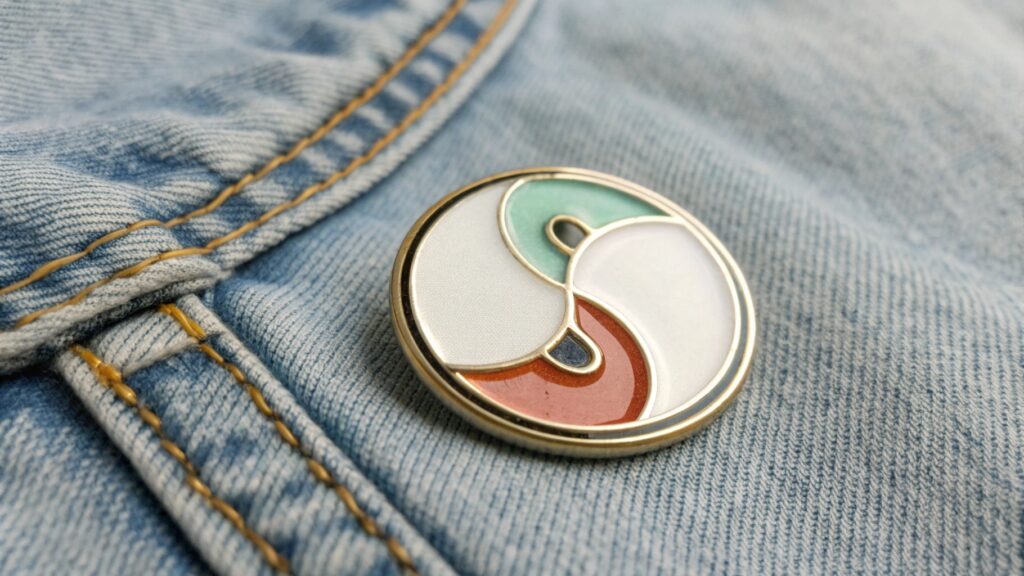
The biggest mistake I see is trying to fit too much information on a small pin. A lapel pin is a tiny canvas. If your logo has five sentences of text, it will be impossible to read once it is shrunk down. I always tell my clients that "less is more" in pin design. You must simplify your logo to its most basic elements. This ensures the design stays sharp after the enamel is added. Another common oversight is the backing or "clutch." I have seen many people choose the cheapest option, only for the pin to be lost on the first day. I recommend using rubber clutches for comfort or deluxe metal clutches for security. You must also think about the "context" of the moment. If you are giving pins to people in formal wear, avoid heavy pins. A heavy pin will ruin the drape of a nice suit jacket. Instead, choose a smaller, lighter metal like zinc alloy. I also suggest avoiding generic designs that do not tell your story. A pin should be a conversation starter. If it looks like every other pin, people will not wear it. My role is to help you check these technical details before we start production. This saves you from wasting money on a product that doesn't work. We want your pin to be a favorite accessory, not a source of frustration.
| Pitfall | Why It Happens | How to Avoid It |
|---|---|---|
| Blurry Details | Using too many thin lines or small text. | Simplify the logo and use bold, clear borders. |
| Lost Pins | Using weak butterfly or plastic clutches. | Upgrade to rubber or locking metal clutches. |
| Fabric Damage | Using a heavy pin on a thin shirt or silk. | Match the pin size and weight to the expected attire. |
| Color Bleeding | Too many colors in a very small area. | Limit your palette to 4-5 high-contrast colors. |
Conclusion
The best pins match your brand's message with the right material and design. Focus on simplicity and quality to create a marker of identity that your customers will wear with pride.
-
Discover why hard enamel pins are preferred for premium branding and their luxurious finish. ↩
-
Explore this resource to understand the unique qualities of soft and hard enamel pins, helping you make an informed choice for your branding. ↩
-
Find out why iron is a budget-friendly option for soft enamel pins and its benefits. ↩