Why Is Originality in Enamel Pin Design the Most Important Business Decision?
Are you tempted to copy a popular enamel pin design for a quick profit? This shortcut fundamentally destroys your brand's long-term credibility and value.
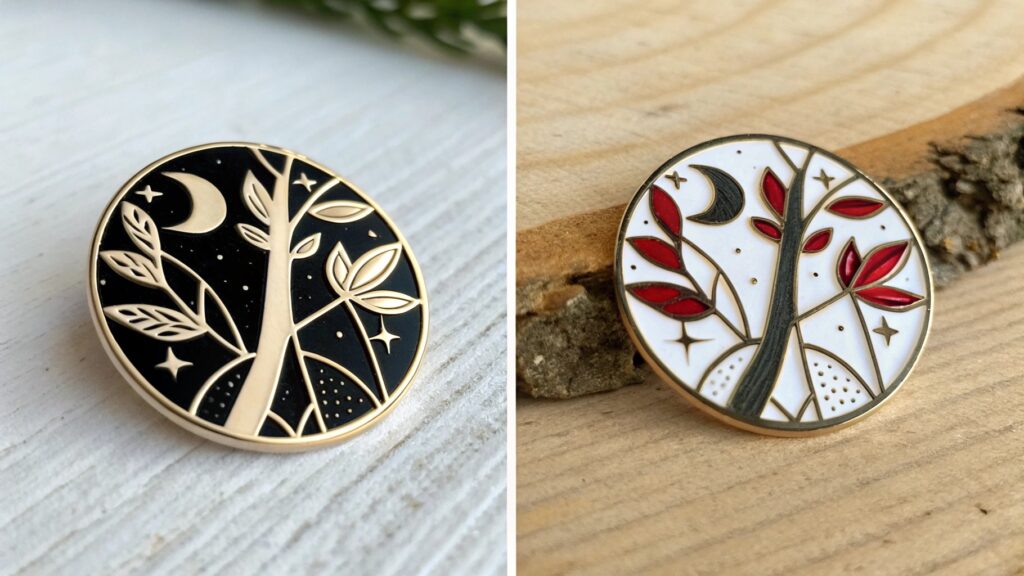
Originality is the most important business decision for enamel pins because it builds brand integrity, attracts discerning collectors, ensures long-term value, and fosters trust within a community that prizes unique, personal, and ethical artistic expression.
 ![]()
![]()
When I think about the products we create at Latitude, I always think about integrity. The enamel pin market is a microcosm of the entire branding world. It proves that the most valuable gifts are the ones with the most meaningful stories. If you are a branding manager like Jacky, you know that a pin is not just a cheap accessory; it is a wearable piece of art. If you want your pins to stand out and truly represent your business, you must focus on authentic creation. Let us explore the process and principles that make original enamel pins a powerful branding investment.
How Do Professional Manufacturers Make High-Quality Enamel Pin Badges?
Are you curious about the complex production steps that turn a simple sketch into a durable, collectible pin? Understanding the process ensures quality control.
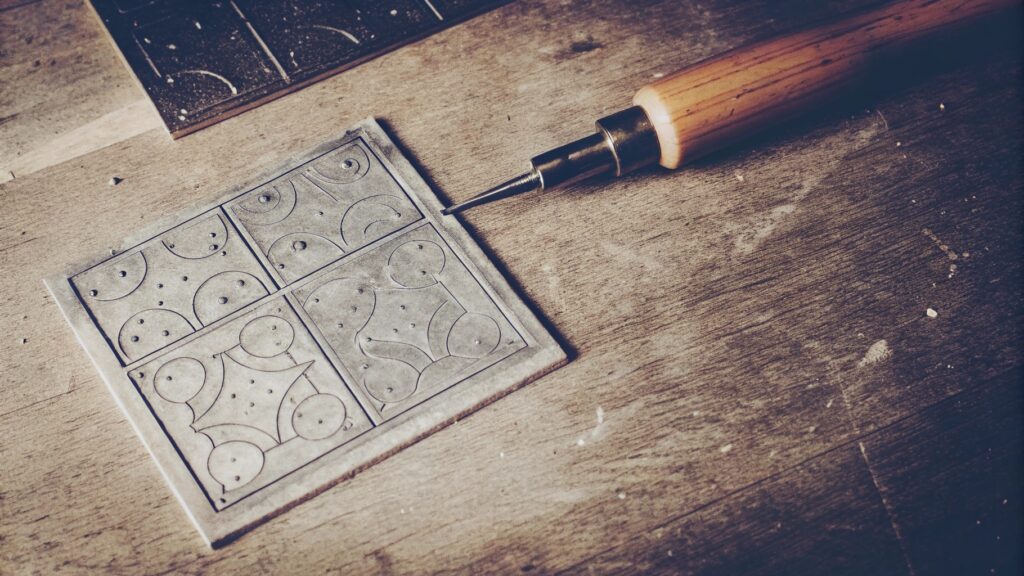
Enamel pin badges are primarily made using a process called die-striking, where the metal design is stamped from a mold, electroplated, hand-filled with liquid enamel paint, cured with heat, and polished to create a high-quality, long-lasting metal collectible.
 ![]()
![]()
Understanding the manufacturing process is essential because it informs your design choices and helps you appreciate the investment in quality1. Most professional pins begin with a process called die-striking. First, a specialized steel mold, or die, is created by engraving your design—this is the most time-consuming and costly part of the setup. Then, a powerful hydraulic press stamps your design into a sheet of base metal, usually brass, copper, or zinc alloy, creating raised metal lines and recessed areas for the color. These raised lines are crucial because they serve as the barriers that keep the liquid enamel paint from running. Once the metal shape is trimmed and the metal lines are formed, the pin undergoes electroplating to give it the final metal finish—gold, silver, black nickel, etc. We must remember: Every step is highly technical. If you are concerned about quality, you must look for a supplier that manages this entire, integrated process, ensuring consistency from the initial mold to the final polish.
The Steps from Concept to Collectible Pin
- Die Creation (Molding): A reversed, industrial steel mold of the design is carved, which determines the cost of the initial setup fee.
- Stamping and Trimming: The metal is pressed with several tons of force, stamping the design and the lines into the metal blank, and then the excess metal is trimmed.
- Electroplating: The base metal is submerged in a chemical bath and charged with electricity to bond the desired metal finish (e.g., gold or silver) to the surface.
This process distinguishes high-quality enamel pins:
| Process Step | Importance to Quality | Design Implication |
|---|---|---|
| Die-Striking | Ensures precise, uniform metal lines | Requires clean, bold line work for separation |
| Electroplating | Determines the final metal finish and shine | Must choose a finish (e.g., gold) that complements the enamel colors |
| Hand-Filling | Guarantees accurate color placement | Small color areas (under $0.3\text{mm}$) can be difficult to fill correctly |
The high cost of initial mold creation is why small orders are expensive, but this investment ensures that the resulting product is durable, detailed, and truly collectible. This complex production process elevates the pin from a simple badge to a tiny, high-quality piece of personalized jewelry that reflects your brand’s commitment to excellence.
What Kind of Enamel Paint Is Used on Pins, and What is the Difference?
Are you confused by the terms 'soft enamel' and 'hard enamel'? Not knowing the difference can result in a final product that does not match your vision.
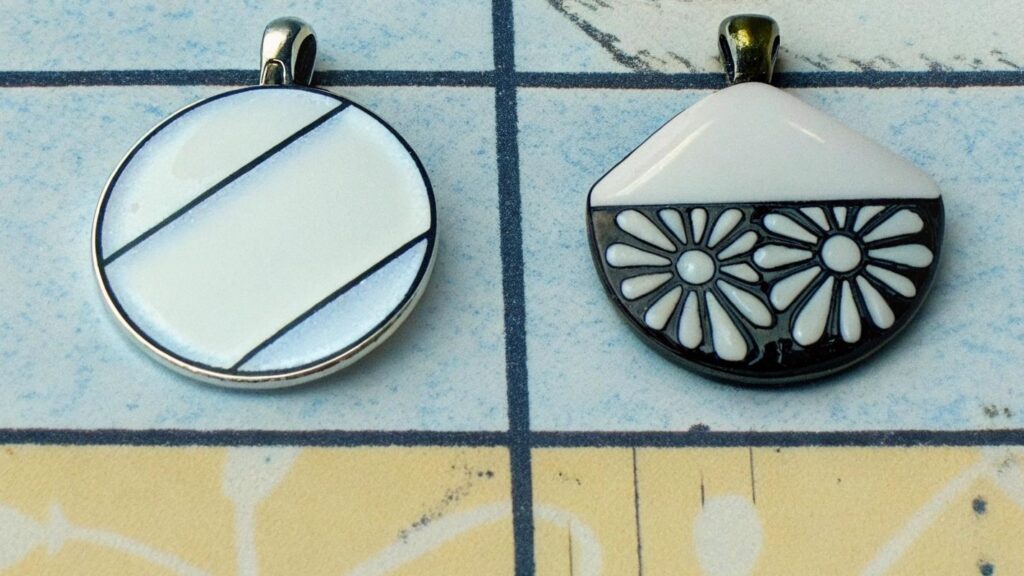
The paint used is typically a synthetic epoxy-based liquid enamel that is color-matched to Pantone standards; the difference between soft and hard enamel lies in the application and finishing process, which determines the texture and overall durability.
 ![]()
![]()
The enamel itself is not a traditional glass-based material like classic jewelry cloisonné, but a highly pigmented, specialized resin that is cured at high temperatures. The choice between soft enamel and hard enamel2 radically changes the final aesthetic and feel. For soft enamel, the liquid paint is filled into the recessed areas below the level of the raised metal lines. After baking, the metal lines remain distinct and raised, giving the pin a textured, dimensional feel. This allows for fine details and is generally more cost-effective. Hard enamel, however, involves overfilling the recesses with paint and then meticulously polishing the entire surface until the metal lines and the paint are perfectly smooth and level. This creates a highly durable, sleek, and jewelry-like finish. It is important to ask: Do I want a tactical, textured pin that shows depth, or a smooth, polished pin that has a high-end feel? This choice depends entirely on the brand image you are trying to convey. A fun, whimsical brand might choose soft enamel, while a corporate or luxury brand might prefer the polished look of hard enamel.
Key Differences Between Soft and Hard Enamel
- Soft Enamel: The metal lines are raised and tactile. It is slightly cheaper and easier to produce, often allowing for optional epoxy coating for extra protection.
- Hard Enamel: The metal lines and the color are polished smooth and flat. It is more expensive due to the extra polishing step, resulting in a cleaner, higher-durability finish.
- Color Accuracy: Both types rely on the Pantone Solid Coated system for color matching, ensuring your brand colors are accurately reproduced.
This table shows how the paint process impacts the final pin:
| Feature | Soft Enamel | Hard Enamel | Brand Application |
|---|---|---|---|
| Surface Feel | Textured (raised lines) | Smooth (flat, glass-like) | Whimsical, Detail-oriented |
| Durability | Good (can be protected with epoxy) | Excellent (less prone to scratching) | Corporate, Premium, Longevity |
| Production Cost | Lower (less finishing required) | Higher (requires intensive hand-polishing) | Mass giveaways, Quick campaigns |
By making an informed decision about the enamel type, you control the final quality and the message your pin sends. The right enamel ensures the pin not only looks good but lasts for years, giving your brand maximum exposure.
How Long Do High-Quality Enamel Pins Last as a Branding Tool?
Are you questioning the return on investment, wondering how long these small pins will actually last and promote your brand? Durability determines your visibility.
High-quality enamel pins, especially hard enamel, are designed to last many years, often a decade or more, because their construction uses durable base metals and resilient, cured epoxy enamel, making them a highly cost-effective, long-term branding tool.
 ![]()
![]()
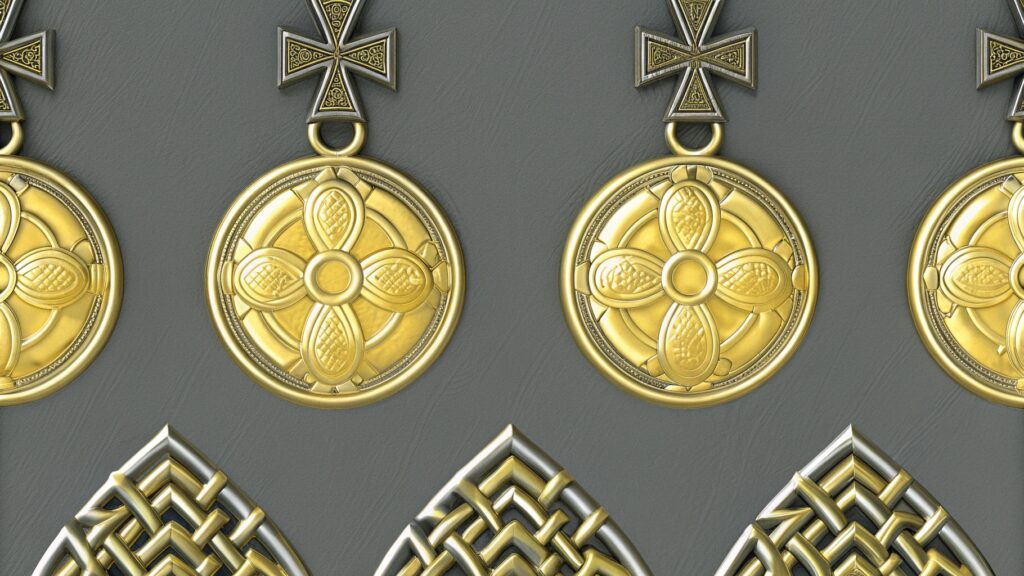
The longevity of a pin is its secret weapon as a branding tool. Unlike a flyer that is thrown away or a website ad that disappears, an enamel pin is a physical, collectible item. When I talk about value, I am talking about something that withstands the test of time, just like the classic corporate gifts I admire. A well-made pin resists chipping, fading, and scratching far better than many other promotional items. The metal base is sturdy, and the electroplating3 is chemically bonded. Because the enamel paint is a cured, hard resin, it does not easily flake or fade, which is especially true for hard enamel pins. This durability is crucial for brand managers like Jacky, who need their branded merchandise to maintain its professional appearance over years of use on lapels, bags, or jackets. We need to see the pin as a micro-artifact: It holds its value and continues to tell your brand's story to new audiences long after it was initially given out. This long lifespan transforms the initial production cost into an incredibly low cost-per-impression.
Factors that Guarantee a Pin's Longevity
- Quality of Base Metal: Pins made from durable brass or zinc are less likely to bend or break than those made from inferior materials.
- Enamel Type: Hard enamel offers superior scratch resistance due to its polished, flush surface, which protects the color.
- Clutch Choice: Military clutch or rubber clutch attachments are more secure than simple butterfly clutches, ensuring the pin stays attached and is not lost.
This demonstrates the long-term ROI:
| Promotional Item | Estimated Lifespan | Brand Visibility |
|---|---|---|
| Branded Pen | 3-6 months | Low (used privately) |
| Custom T-Shirt (Cheap Print) | 6-12 months | Medium (fades after wash) |
| Hard Enamel Pin | 5-10+ years | High (collectible, always visible) |
A well-designed, original enamel pin is a miniature ambassador for your brand. Its inherent durability ensures that your investment continues to yield returns for many years, making it one of the most effective and enduring corporate gifts available.
Conclusion
Originality in enamel pin design and the choice of high-quality materials ensures product durability. This makes the pin an ethical, long-term asset that powerfully supports your brand's integrity and value.