How to Care For and Repair Imitation Leather Book Covers (PU/Vegan Leather)
Are you treating your imitation leather book cover with products meant for real leather? Using the wrong products can cause synthetic materials to become sticky or crack prematurely.
**To care for and repair an imitation leather (PU/vegan leather) book cover, you must treat it like an engineered textile, not real hide. Use gentle, pH-neutral soap and a barely damp cloth for cleaning. For repairs, use flexible vinyl fillers or specialized water-based acrylic leather paints for scuffs and color loss. The key is to avoid alcohol-based cleaners and waxes designed for real leather, which strip the protective topcoat and lead to early cracking.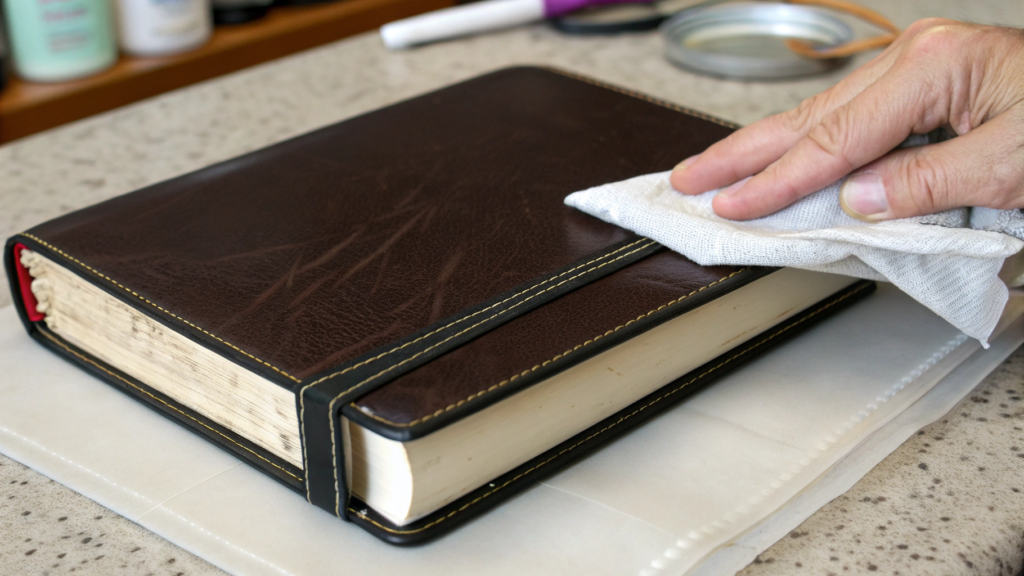
In my experience with product materials, I've learned that imitation leather—whether PU (polyurethane) or PVC (vinyl)—has a high lifespan potential, but only if you respect its engineering. It is not skin; it is a fabric base coated with a plastic polymer. Using traditional "leather tricks" like oils or waxes often results in a sticky surface that attracts dirt and accelerates cracking. The goal of caring for PU is to maintain the integrity of the protective topcoat and the substrate underneath. A successful repair extends the life of the cover without pretending it is full-grain hide. This means gentle cleaning, controlled conditioning, and targeted repairs using flexible, purpose-made materials. Let me guide you through the correct care and repair techniques for your valuable book cover.
Can imitation leather be repaired, and what are the best materials for scuffs?
Are you assuming scuffs and small cracks mean your book cover is ruined? Imitation leather is often surprisingly repairable with the right approach.
Yes, imitation leather can be repaired, but repairs must be flexible. For minor surface scuffs and small cracks, use a flexible vinyl filler or a thin layer of clear flexible craft glue1. Color loss can be restored using water-based acrylic leather paint** (made for synthetics). The key to successful repair is using materials that will flex with the book cover when it is opened and closed, preventing the repair from cracking immediately.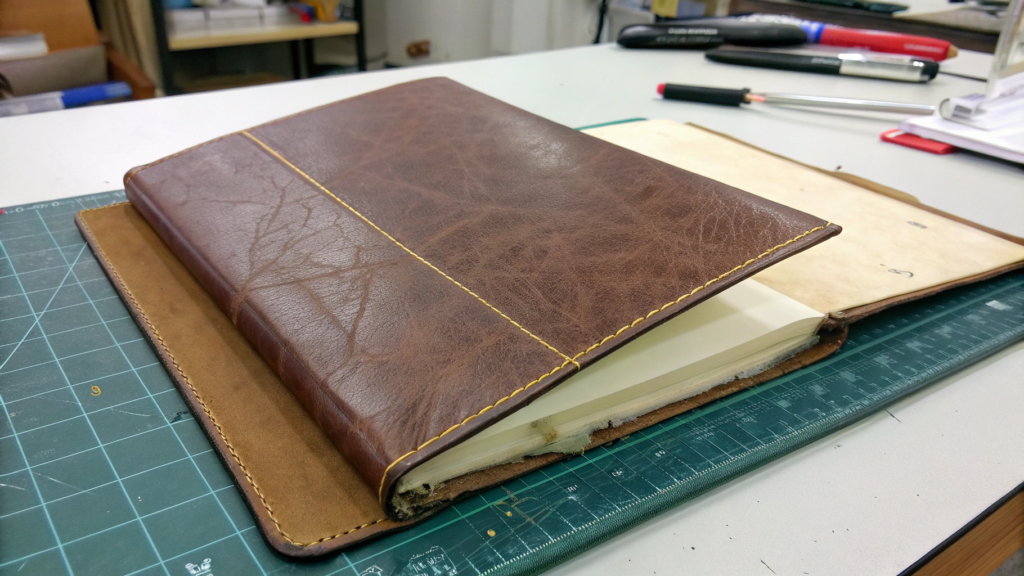
I consider a PU book cover2 to be technical gear. It is designed to bend and withstand friction. Therefore, any repair material must share this flexibility. Using hard, rigid glues or oil-based paints will cause the repair to crack and flake away almost instantly.
Targeted Repair Techniques
- Scuffs and Tiny Cracks: Scuffs usually involve the loss of the colored topcoat. Use a thin application of flexible vinyl filler or an acrylic filler (found in synthetic upholstery repair kits). Smooth it level with the surface and allow it to dry completely.
- Color Loss: Once the filler is dry, use a water-based acrylic leather paint to match and touch up the color. These paints are specifically formulated to adhere to and flex with PU/vinyl. Apply very thin, multiple coats instead of one thick coat.
- Reinforcing Edges: If the fabric base is beginning to fray or peel at the edges, you need to re-adhesive the failing part. Use a flexible contact cement or strong fabric glue rated for synthetics. Apply glue, press the layers together firmly, and clamp until fully cured.
Dealing with Delamination
Delamination occurs when the plastic topcoat separates from the fabric backing. For minor delamination, you can try to re-adhere the peeling area using a flexible contact cement. Apply the cement to both surfaces, wait for it to get tacky according to the instructions, and then carefully press them together, clamping the area firmly. For severe, widespread delamination, the structural integrity is compromised, and replacement is often the most practical choice.
How to care for leather book covers (and how imitation differs)?
How should care routines differ when handling genuine leather versus synthetic imitation leather? The differences are critical to longevity.
**Genuine leather covers require moisturizing with natural oils or waxes (like mink oil or beeswax) to prevent drying and cracking. Imitation leather (PU/vinyl) requires the exact opposite: gentle cleaning and water-based, silicone-free conditioners. Never use real leather products on PU. For both, proper storage is key: keep them upright and away from direct sunlight, which causes colors to fade and both materials to break down.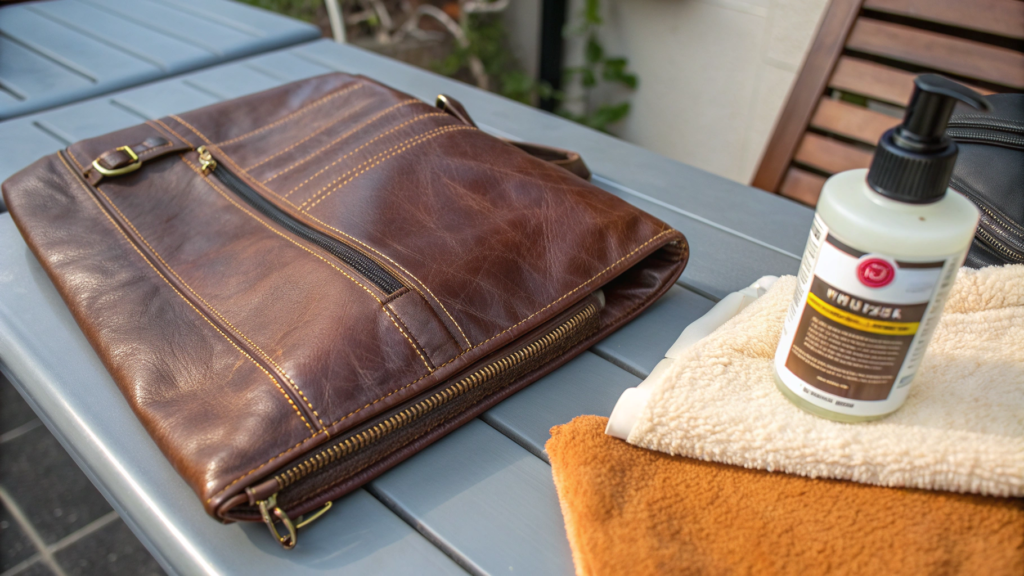
The biggest mistake I see in caring for imitation leather is treating it like its genuine counterpart. The fundamental needs of the materials are different because of their structure.
The Genuine Leather Routine
Genuine leather is skin. It is porous and needs to be fed moisture to remain supple. It can absorb oils and waxes.
- Cleaning: Use saddle soap and a damp cloth.
- Conditioning: Apply a specialized leather conditioner or a small amount of mink oil to keep the fibers lubricated.
- Problem: If you put oil on PU, it sits on the surface, turns sticky, attracts dust, and can actually break down the synthetic topcoat faster.
The Imitation Leather Routine (PU/Vinyl)
Imitation leather is essentially a plastic topcoat over a fabric. It needs its plastic surface protected.
- Cleaning: Dust with a soft microfiber cloth. For deep cleaning, use a barely damp cloth with a few drops of pH-neutral soap (like dish soap). Immediately wipe dry.
- Conditioning: Use a specialized water-based, silicone-free vinyl/PU protector or conditioner. Patch-test first! This product helps restore the plasticizer lost over time, keeping the surface flexible. Avoid anything containing alcohol, acetone, or bleach. These strip the topcoat, leading directly to cracking.
| Care Component | Genuine Leather | Imitation Leather (PU/Vinyl) | Critical Difference |
|---|---|---|---|
| Cleaning Agent | Saddle Soap, mild detergent | pH-neutral soap, gentle wipe | Avoid chemical/alcohol strippers on PU |
| Conditioner | Oil/Wax-based creams | Water-based, silicone-free protector | Oils will destroy the PU surface |
| Drying | Air dry slowly | Wipe dry immediately | PU's plastic topcoat must be protected from prolonged moisture |
How to preserve imitation leather and prevent future damage?
You want your cover to look good for years. What simple actions prevent the most common causes of wear and tear?
**To preserve imitation leather, focus on preventing mechanical stress3 and chemical damage. Store the book upright or lay it flat, never leaning it heavily, which stresses the spine hinge. Avoid constant, repetitive stress on the same hinge point. Protect the cover from prolonged exposure to direct sunlight or heat, which cause the synthetic polymers to become brittle and crack. Use soft cleaning cloths and avoid chemical wipes to maintain the integrity of the protective topcoat.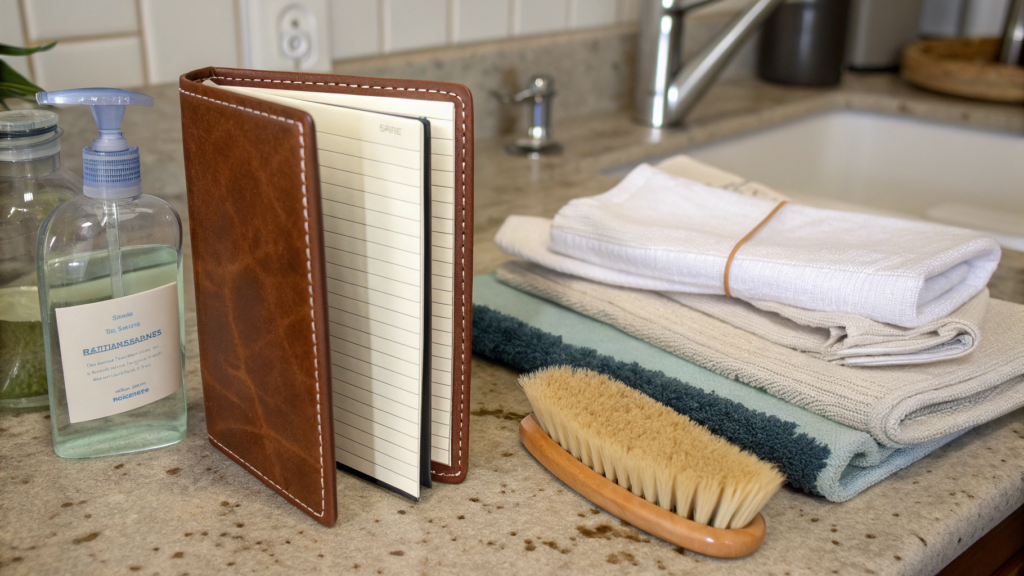
The lifespan of a PU product is dictated by how well the flexible polymer layer resists UV light and mechanical bending. The biggest enemies are friction, UV, and harsh chemicals.
Controlling Mechanical Stress
- Storage: Always store the book upright on a shelf or lying flat. Never pack heavy objects inside the cover (like pens or thick papers) and then bend the cover closed, as this creates pressure that can crack the spine lining.
- Rotation: If you have multiple books with imitation leather covers, rotate which ones you carry or handle most frequently. This avoids constant flexing stress on the same hinge or corner.
- Reinforcement: For covers known to be weak, reinforcing the inside of the hinge or spine with a thin layer of iron-on interfacing (applied on low heat with a protective cloth) can add structural strength to the fabric substrate.
Preventing Chemical and UV Damage
The plasticizers in PU are what keep it soft and flexible. UV light and heat cause these plasticizers to evaporate, making the material brittle.
- Sunlight: Never leave the book in direct sunlight (like on a dashboard or by a window).
- Wipes: Strictly avoid cleaning with fragranced disinfectant wipes, rubbing alcohol, or general surface cleaners. These contain solvents that immediately dissolve the protective topcoat, causing it to become sticky and leading to brittle failure.
- Soft Cloths: Use only soft microfiber cloths for dusting and cleaning. Hard cloths or abrasive sponges will scratch the surface, creating points for cracks to start.
By treating your imitation leather cover as a high-tech material that requires gentle maintenance and flexible, purpose-made repairs, you ensure it stays useful and attractive for years.
Conclusion
Care for imitation leather by cleaning gently with pH-neutral soap and water, and repair scuffs with flexible vinyl filler and water-based acrylic paint. Never use oil-based leather conditioners, and always store the cover away from sunlight to prevent cracking.
-
Learn about the benefits of using clear flexible craft glue for seamless repairs on imitation leather surfaces. ↩
-
Find out why PU book covers are considered durable and flexible, making them ideal for various uses. ↩
-
Understand the impact of mechanical stress on imitation leather and how to prevent damage. ↩