Custom Enamel Badges: Why Does This Tiny Keepsake Command a Premium Price?
You might love collecting enamel pins but struggle to understand the costs involved, wondering why such a small item requires a significant investment in both design and production.
Enamel pins can be expensive because their price is determined by the skilled, multi-step manufacturing process, which includes creating a custom metal mold (tooling), meticulously hand-filling liquid enamel colors, and applying durable metal plating and polishing.
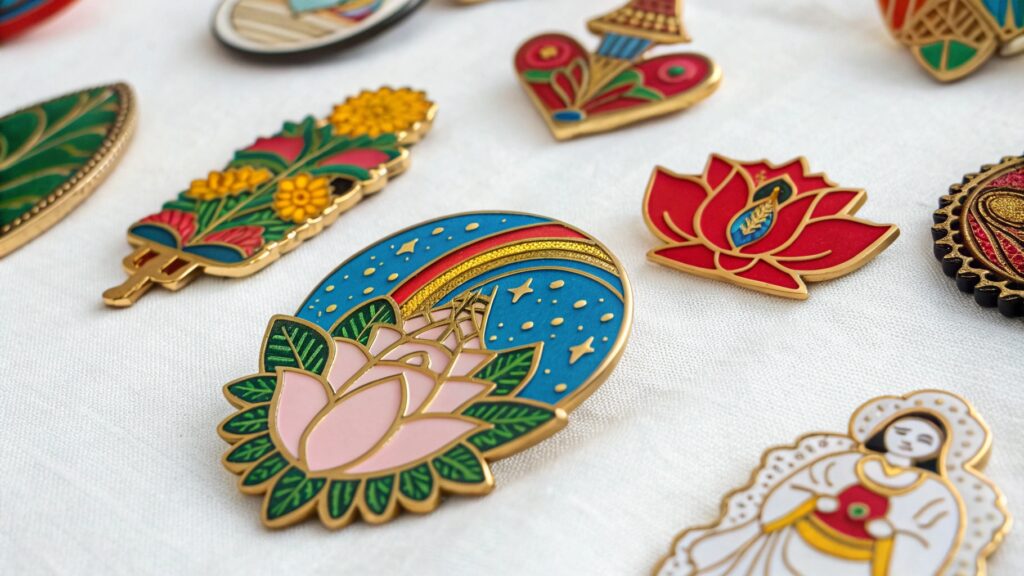
Creating enamel pins is not just about putting a cute design on metal—it is about transforming a small object into a symbol of identity, nostalgia, or belonging. From my experience, the best enamel pins are born from the intersection of art, manufacturing awareness, and emotional storytelling. The secret to a great enamel pin is not how it looks in Photoshop, but how it feels in someone's hand. When your enamel pin tells a story people want to wear, you are no longer competing on price—you are competing on meaning. That is what makes them worth the investment.
Why Are Enamel Pins So Expensive?
Enamel pins are expensive primarily because of the upfront, non-recurring costs associated with creating a custom metal mold, which is necessary for every unique design, and the high labor costs involved in the meticulous hand-filling and polishing of the enamel colors.
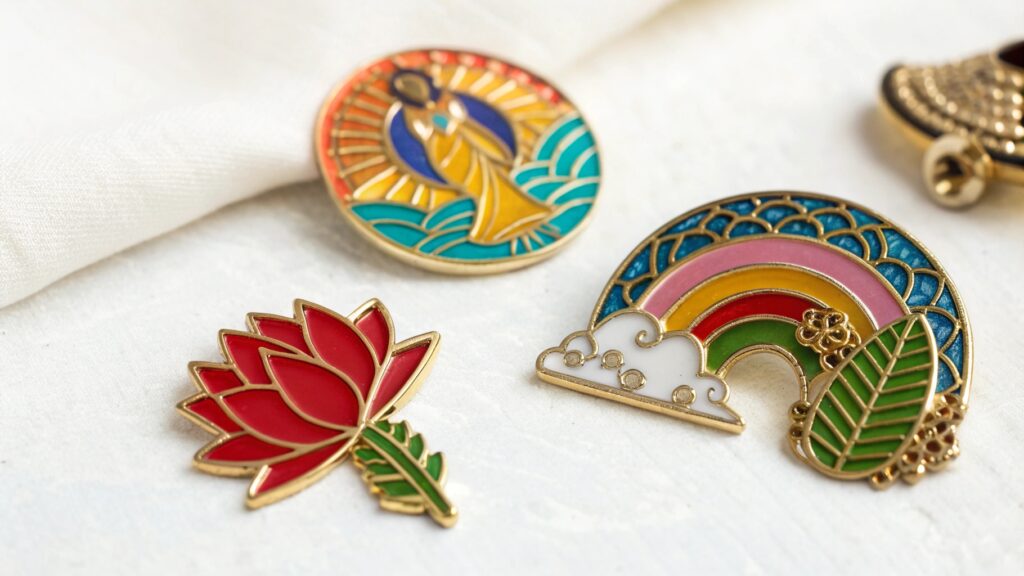
When a client asks me about the cost of pins, I explain that the price is not in the materials; it is in the process. The first major cost is the mold fee (tooling fee). Every single new design requires a custom steel mold to be cut, which is a one-time charge ranging from $50 to $150 or more, depending on the complexity and size. This fee is necessary to create the cavities that hold the enamel. The second major cost is labor. Whether you choose soft enamel or hard enamel1, the process of filling the tiny cavities with liquid enamel color is done by hand or with specialized semi-automatic applicators that still require manual oversight. Hard enamel, especially, requires multiple steps of sanding and polishing to achieve that smooth, jewelry-like finish. This adds significant labor time. While the per-unit cost decreases dramatically when you order in bulk (because the mold cost is spread out), the small size of the pin hides the complex, handcrafted process that goes into its creation.
What are the Primary Cost Drivers in Enamel Pin Manufacturing?
| Cost Driver | Description | Impact on Final Price |
|---|---|---|
| Mold/Tooling Fee | The creation of the custom metal die (mold) required to stamp the design onto the metal. | High, fixed upfront cost (Non-Recurring Expense). |
| Labor (Color Filling) | The skilled, manual process of applying each liquid enamel color into the tiny recessed metal cavities. | High; determines the final quality and complexity of the design. |
| Enamel Type | Hard enamel requires multiple sanding and polishing steps that soft enamel skips. | Hard enamel is typically $10-20\%$ more expensive per unit. |
| Quantity Ordered | The total number of pins produced from a single mold. | The biggest factor; higher quantity orders drastically reduce the per-unit price. |
My clients often try to compare the cost of a pin to the cost of a printed item, but there is no comparison. A pin is a micro-sculpture, not a flat print. For example, a client wanted a complex design with eight different colors and a cut-out in the middle. The cost was high. I showed him that each color was applied separately, and the cut-out required precision tooling to ensure the pin did not break. Understanding this shift from digital art to tangible metal is what separates amateurs from real pin artists, and it is why a quality pin commands a premium price.
How to Make a Design for an Enamel Pin?
To make a successful design for an enamel pin, you must design with manufacturing limits in mind, focusing on clean lines, solid shapes, and strategic color blocking, ensuring all distinct enamel colors are separated by a continuous metal line (the cloisonné) for production.
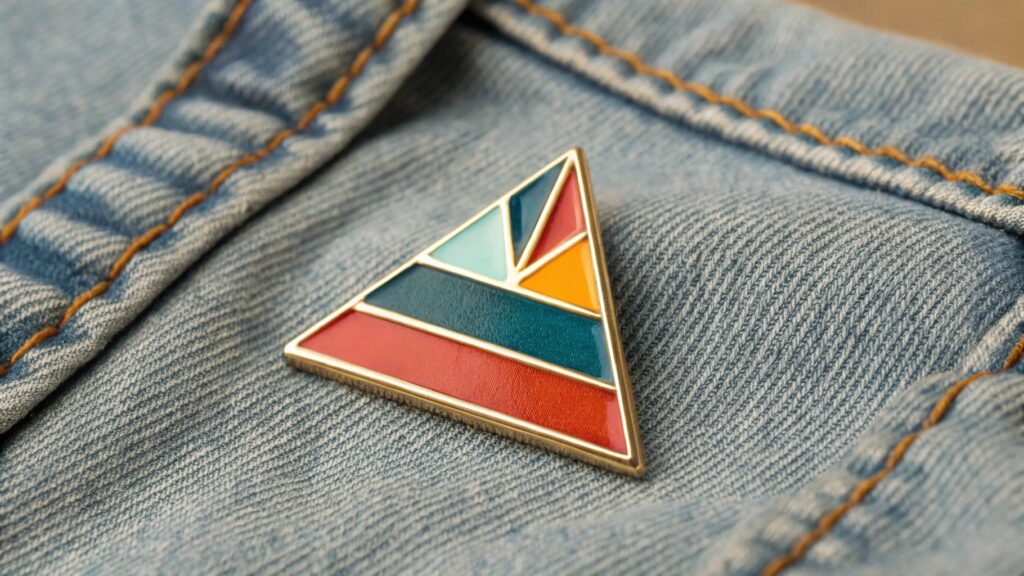
The secret to a great enamel pin is not how it looks in a design program, but how easily it can be translated into metal. A good pin design starts by respecting production limits. This means you must avoid gradients (smooth color transitions) in favor of solid, flat colors and that every area of color must be bordered by a metal line. This metal line is necessary to hold the liquid enamel in place during the firing process. You need to think about tactility, weight, and how the pin reflects light. For example, if you want a soft enamel pin2, the design should feature grooves and recessed areas to give that textured, vintage character. If you want hard enamel, you need fewer intricate details to allow for the smooth sanding and polishing. Always simplify your colors. Every unique color requires a separate setup and adds complexity and cost to the final pin.
Key Rules for Translating Digital Art to Enamel Pins
| Design Rule | Why It Is Crucial for Production | Consequence of Ignoring the Rule |
|---|---|---|
| Use Metal Lines | Metal lines form the cloisons (walls) that physically hold the liquid enamel in place. | Enamel colors will bleed into each other during the firing process. |
| Simplify Colors | Fewer colors mean fewer separate filling steps and reduced cost. | Design becomes overly expensive and complex to reproduce consistently. |
| Minimum Line Thickness | Metal lines must be thick enough to withstand the stamping process. | Thin lines may break during production or trap air bubbles. |
| No Gradients | Enamel is a liquid fill, not a printed ink; it fills one solid color area at a time. | Production will require using the less durable and higher-cost printed pin method instead of enamel. |
I once received a design from a client that looked like a detailed watercolor painting. I had to explain that it simply could not be made as an enamel pin. Instead, we simplified the design into four strategic color blocks with thick metal outlines, and the resulting pin was clean, bold, and perfectly captured the spirit of the original art. This understanding that a pin is a micro-sculpture allows you to create pins that are not only beautiful but are also durable and cost-effective to produce.
How Long Do Enamel Pins Last?
A properly manufactured enamel pin, especially one using hard enamel and high-quality metal plating, will last virtually forever under normal wear, as the metal and enamel materials are highly resistant to fading, scratching, and degradation, making them generational keepsakes.
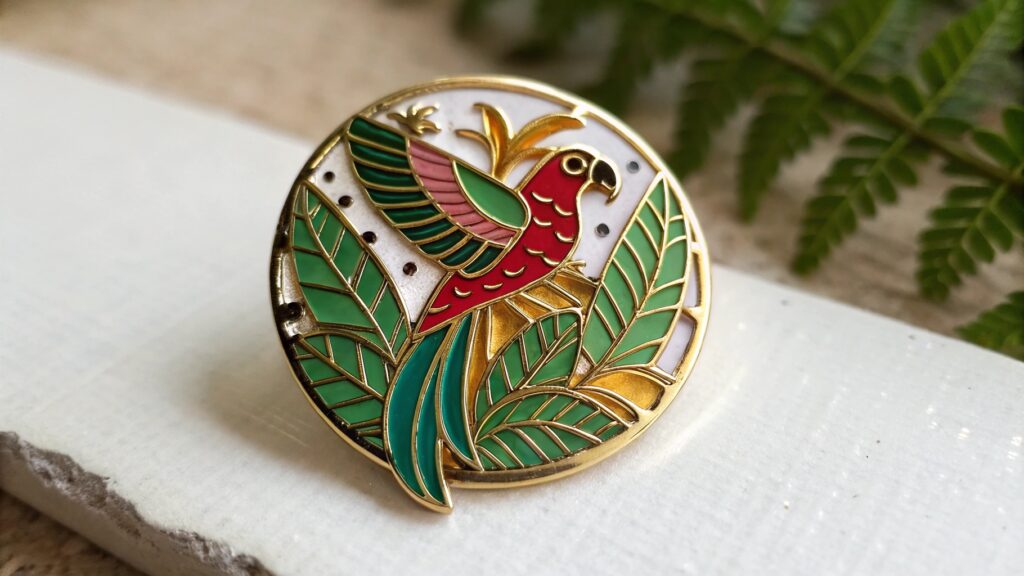
One of the greatest appeals of enamel pins is their incredible longevity. They are not disposable; they are designed to last. The materials used—metal alloys like brass, copper, or zinc, and durable ceramic-like enamel—are resistant to fading and most common forms of wear. Hard enamel pins are particularly long-lasting. Since the enamel is polished down to be level with the metal lines, it provides a smooth, tough surface that resists scratching and chipping. Even soft enamel pins, where the color is recessed, have excellent durability. While the exposed metal lines on a soft enamel pin can acquire a slight patina over time, this often adds a desirable vintage character rather than signaling damage. The metal plating itself, whether it is gold, silver, or black nickel, is applied with precision to prevent tarnishing. This resistance to wear is why a well-made pin is considered a collectible and a keepsake. Storytelling drives collectibility, and a keepsake with a story becomes part of a lifestyle.
How Does the Enamel Type Affect Longevity and Wear?
| Enamel Type | Finish and Surface | Longevity Feature | Wear and Patina Over Time |
|---|---|---|---|
| Hard Enamel | Smooth, polished, level with the metal lines (jewelry-like). | High resistance to chipping, scratching, and fading due to a strong, solid surface. | Remains largely unchanged; maintains a pristine look. |
| Soft Enamel | Recessed color, textured surface (metal lines are raised). | Excellent, but the slightly exposed metal edges may slowly soften. | May develop a slight vintage patina in the recessed areas over many years. |
| Printed Pins | Flat surface covered by a thin epoxy dome (doming). | Good, but the epoxy can scratch or yellow slightly over decades. | Least durable; prolonged sunlight exposure may fade colors slightly. |
I always ensure that the back of the pin has a durable backing post and clasp. A high-quality locking clasp3 or premium rubber clutch is essential to prevent the pin from being lost. After all, if the pin falls off the jacket, its longevity is irrelevant. I view the pin as a small piece of legacy. A well-made enamel pin with a compelling narrative will last decades, representing a cause, a memory, or a quirky emotion far longer than most other forms of branding or merchandise.
Conclusion
Enamel pins command a premium due to the cost of custom mold creation and the skilled manual labor involved in hand-filling the colors. By designing with production limits in mind and using durable materials like hard enamel, you ensure your pin is not just a high-quality product but a lasting keepsake designed for connection.