What is PU Leather and Why Is It a Smart Choice for Your Brand?
Are you looking for the luxury of leather without the high cost and ethical baggage? Many people think PU is just a cheap copy. I will show you why it is a deliberate engineering choice.
**PU leather (polyurethane) is a versatile synthetic material that offers a consistent texture, water resistance, and lighter weight than real hides. It is an ideal choice for corporate gifts and accessories because it allows for precise color matching and scalable production while remaining more affordable and ethical for modern brands.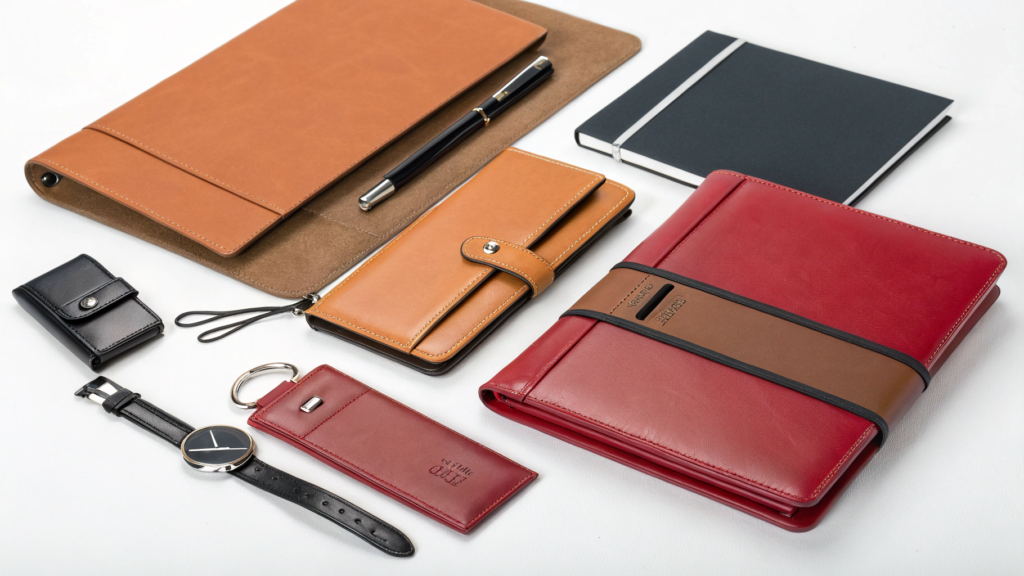
I spent many years in a printing factory before I started Latitude. I saw how natural leather can vary wildly in color and texture, which is a nightmare for a large corporate order. PU leather solves this problem. It is a material built for consistency and control. If you want 500 notebooks to look exactly the same, you need to understand how PU leather works. Let's look at why this material is a smart, honest choice for your next project.
Is PU Leather Good Quality for Long-Term Use?
Do you worry that your PU leather items will peel and crack after a month? Not all synthetic leather is the same. The quality depends on the engineering behind the surface.
**High-quality PU leather is very durable and can last for years if it is specified correctly with a strong base fabric and a breathable coating. While it does not develop a patina like real leather, it resists water and stains much better, making it perfect for daily-use items.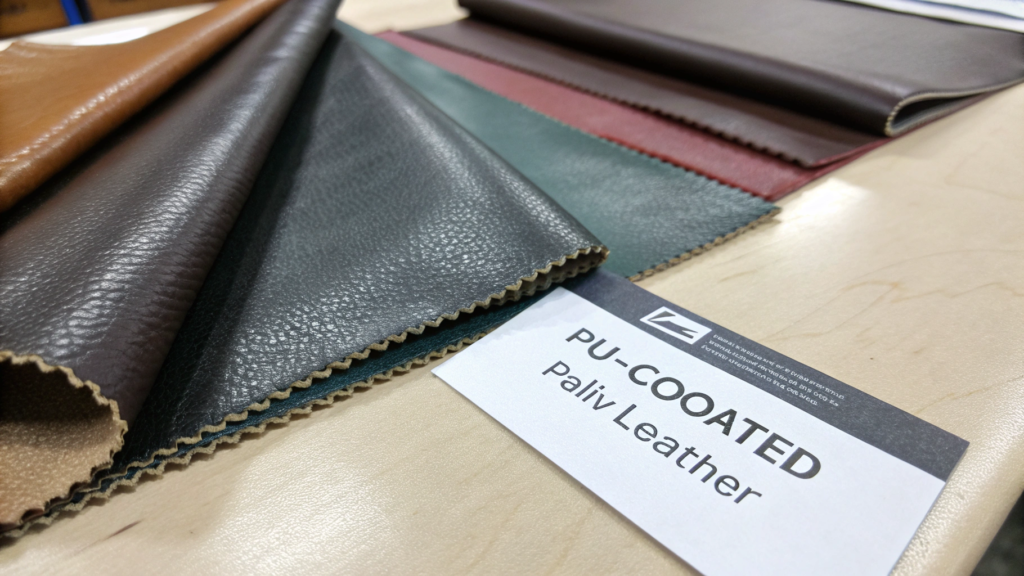
In my experience at Latitude, I have seen both the best and the worst of PU leather. Quality is not a mystery; it is a specification. Premium PU leather uses a high-density base fabric. This base gives the material its strength. Then, a thick layer of polyurethane is applied. If this layer is too thin, it will peel. If it is high-quality, it stays flexible. I always tell Jacky, our marketing manager persona, that he should judge PU leather by its intended use. For a corporate notebook or a tech pouch, PU leather is excellent. It offers a "soft touch" feel that people love. It also handles heat debossing1 and foil stamping much better than natural leather. Natural hides have oils that can interfere with the print. PU leather is a stable, consistent surface. It is a "clean" material for branding. If you choose the right grade, your customers will keep and use the item for years without any issues.
How Can You Tell if PU Leather is High Quality?
You should look for a few specific things. First, feel the weight. High-quality PU has some heft and a slight "bounce" to it. Second, look at the edges. Good PU leather is often finished with a clean paint edge or a tight stitch. I have learned that the "breathability" of the coating matters too. Better PU leather allows a tiny amount of air to pass through, which prevents it from becoming brittle. This is why we focus on sourcing materials that age gracefully. We want to avoid the "plastic" look and go for something that feels rich and supple. This attention to material specs is what earns long-term trust. We don't just sell a bag; we sell a product that stays looking good on a client's desk for a long time.
| Feature | High-Quality PU Leather | Cheap/Low-Grade PU |
|---|---|---|
| Base Fabric | High-density microfiber or woven cloth | Thin, non-woven paper-like base |
| Surface Layer | Thick, flexible polyurethane | Thin, brittle coating |
| Texture | Deep, consistent grain | Shallow, "stamped" look |
| Durability | Resists cracking and peeling | Peels easily within months |
Is PU Coated Leather Real Leather or Entirely Synthetic?
Are you confused by labels like "PU coated leather" or "split leather2"? The terminology can be tricky. I will explain exactly what is under the surface of these materials.
**PU coated leather is usually "split leather"—the bottom layer of a hide—covered with a layer of polyurethane. It is technically real leather, but the surface you see and touch is synthetic. This creates a uniform look and makes the leather water-resistant while keeping the underlying strength of the animal hide.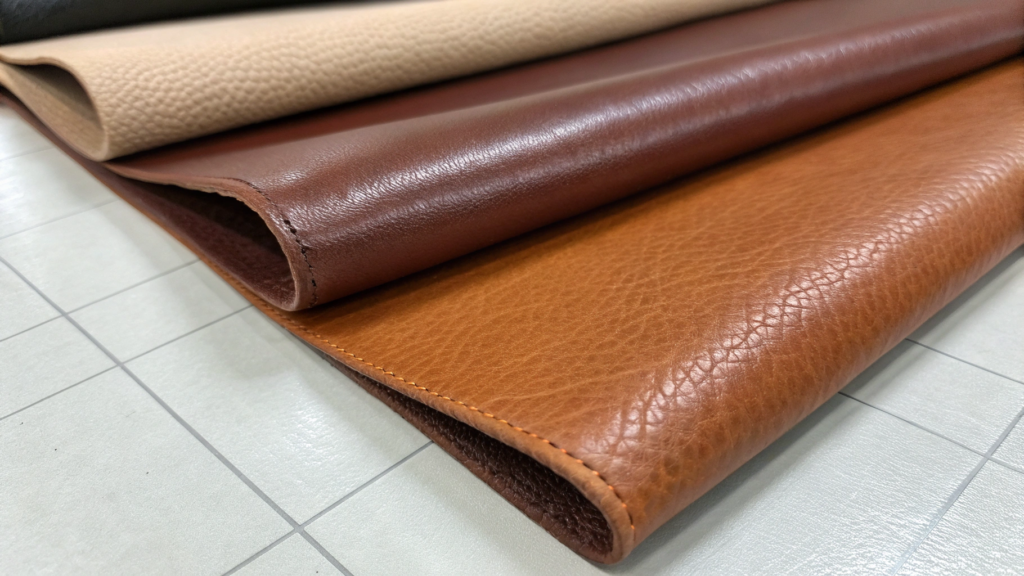
The term "PU coated leather3" sits at a strange crossroads. When a cowhide is processed, it is split into layers. The top layer is the premium "top-grain" leather. The bottom layers are "split leather." Split leather is not very pretty on its own. It is rough and fibrous. To make it useful, we apply a PU coating. This coating gives it a smooth finish and a beautiful grain pattern. So, is it real leather? Yes, the foundation is an animal hide. But the performance comes from the synthetic top. This is a very common choice for items like belts or structured bags. It provides the "body" and weight of real leather but the "protection" of PU. For a brand, this is a great middle ground. It allows you to use the "real leather" label while maintaining a perfect, consistent look across every single unit.
Why Choose Coated Leather Over Full Synthetic?
I often recommend this to clients who want the prestige of leather but have a tight budget. The split leather base provides a natural resistance to stretching that 100% synthetic materials sometimes lack. It feels "stiff" in a good way, which is great for office accessories like desk mats or folders. However, the PU coating is what makes it practical for a commute in Singapore. The coating acts as a shield against humidity and light rain. Natural leather can soak up water and stain. PU coated leather just lets the water bead off. This mix of material science and natural fiber is a deliberate engineering choice. It gives you a product that feels "authentic" but acts "modern." We make sure our clients know exactly what they are getting. We value transparency because that is how you build a reliable brand.
Which is Better: PU or Artificial Leather for Your Project?
Are you trying to choose between PU and "artificial" or "vegan" leather? These terms often overlap, but the differences in chemistry and feel are very important for your final product.
**PU is generally better than other artificial leathers (like PVC) because it is softer, more breathable, and more eco-friendly to produce. PU leather mimics the feel of real leather much more closely than PVC, which can feel stiff and "plastic," making PU the superior choice for high-end corporate gifts.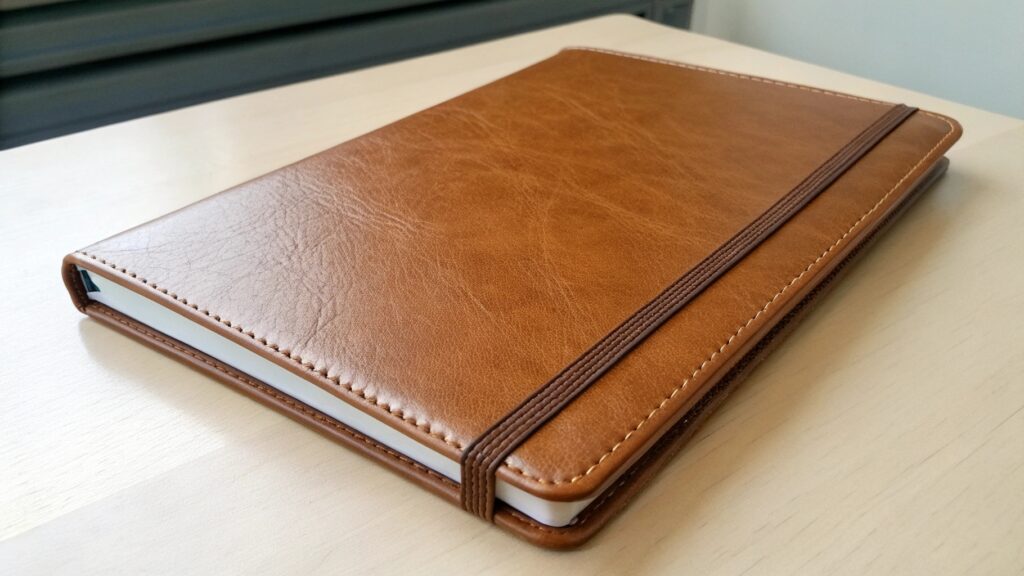
"Artificial leather" is a big category that includes PU and PVC. In the old days, most artificial leather was PVC. PVC is basically plastic. It is very tough and cheap, but it feels hard and does not breathe. It also has a strong chemical smell. PU leather was developed as a better alternative. It uses a different chemistry that creates a "microporous" structure. This means it is much softer to the touch. It feels more like skin. When I help Jacky choose materials for a new line of bags, I always push for PU over PVC. The "hand feel" of PU is significantly better. It feels like a premium product. Also, modern PU is often called "vegan leather" because no animals are used in the process. This is a huge selling point for younger audiences who care about ethics and sustainability.
How Does PU Support Modern Branding Goals?
Using PU allows for massive design control. We can create PU leather in almost any color, from neon brights to classic earth tones. We can also give it unique finishes like "Saffiano" or "pebbled" grains. This flexibility is a huge asset for storytelling. If your brand is about being "bold and innovative," we can find a metallic or high-gloss PU. If your brand is about "natural and organic," we can find a matte PU with a soft, recycled base. This is not about a "cheap substitute." This is about using an evolving technology to meet a specific design goal. We treat PU leather as a platform for your brand's identity. By choosing a high-quality PU with a recycled base, you are telling a story of modern luxury and responsibility. This is the kind of authority that consumers reward with their loyalty.
| Material | Feel and Texture | Breathability | Environmental Impact | Typical Use |
|---|---|---|---|---|
| PU Leather | Soft, supple, realistic | Moderate | Better (Lower chemicals) | Bags, notebooks, apparel |
| PVC Leather | Stiff, smooth, plastic-like | Low | Poor (High chlorine) | Upholstery, cheap covers |
| Real Leather | Variable, soft, develops patina | High | Variable (High water use) | Luxury goods, heirlooms |
Conclusion
PU leather is a high-performance, consistent, and ethical material choice for modern branding. It offers the perfect balance of durability, cost-efficiency, and design control for high-quality corporate gifts and daily accessories.