Which Bullet Journal Is Best for Me If I Am Not Creative?
Feeling intimidated by artistic journal spreads? The best bullet journal for you is a structured, minimalist tool, not an art sketchbook.
The best bullet journal for non-creative people is a minimalist dotted or grid notebook that prioritizes structure and consistency over decoration. Look for subtle pre-formatted elements like task trackers and simple page numbers to maximize productivity effortlessly.
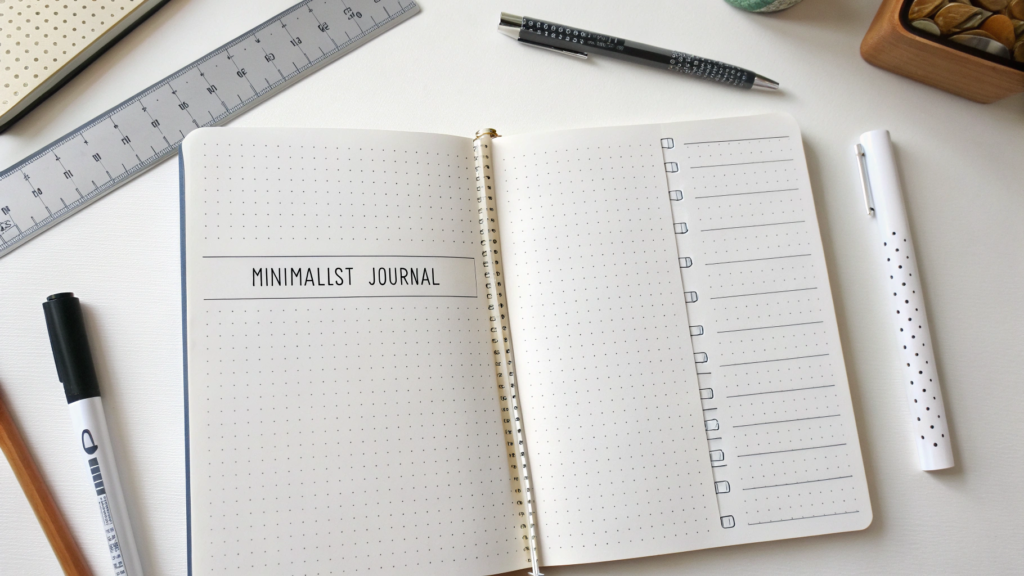
The beauty of bullet journaling is that it was never meant to be an art project $\text{—}$ it’s a tool for clarity, not creativity. If you’re not the “artsy” type, the best bullet journal is one that supports structure, consistency, and ease of use rather than decoration. In my experience, non-creative users benefit most from pre-formatted or minimalist journals, such as dotted or grid notebooks that guide layout without restricting flexibility. Brands like Leuchtturm1917 or Scribbles That Matter offer clean page designs and subtle prompts that make organization intuitive. The goal isn’t to draw; it’s to think better. Productivity-focused layouts $\text{—}$ like task trackers, goal pages, and habit logs $\text{—}$ can help you stay on track without ever touching a highlighter. Remember, a bullet journal is personal $\text{—}$ it should work for you, not intimidate you. The best one is the one that helps you stay consistent, organized, and calm, proving that creativity isn’t required to design a meaningful life.
How to Choose a Bullet Journal?
If art isn't your focus, what features should you prioritize when buying a journal? Focus on paper quality1 and page layout guides.
Choose a bullet journal based on structure, paper quality, and binding, not artistic potential. A good choice for beginners is a dotted grid notebook with sturdy, bleed-resistant paper and a lay-flat binding for easy writing.
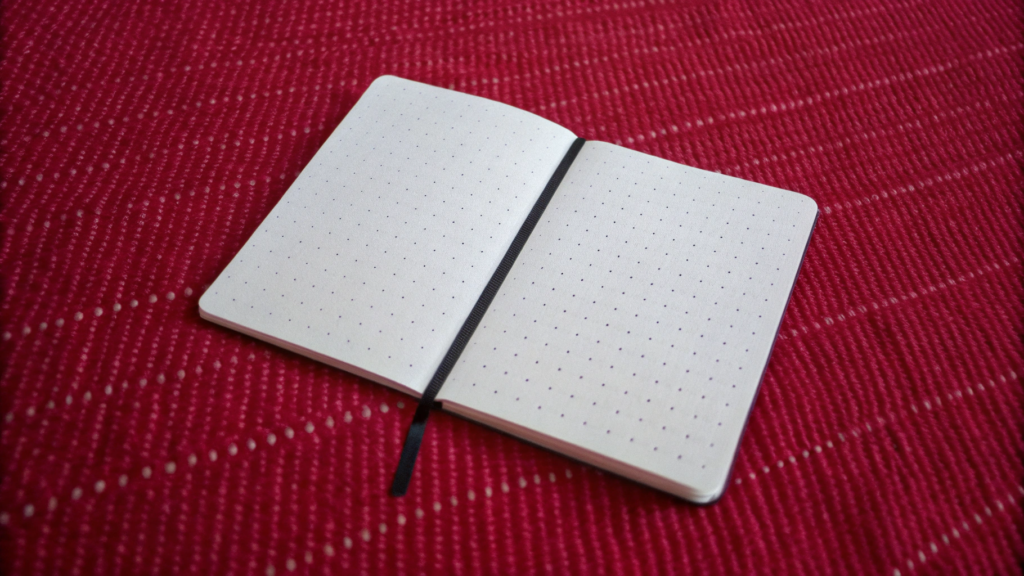
My initial foray into the world of custom merchandise taught me that the product's feel is often more important than its look. This applies directly to your journal. For a non-creative user, the notebook itself needs to be a reliable workhorse. First, consider the Paper Weight. If you use even a simple pen, lightweight paper will bleed or ghost, making the page unusable on the back side, which discourages consistency. Look for paper around 100 gsm or higher. Second, look at the Page Format. For structure without drawing, dotted grids are ideal. They give you subtle guidelines for drawing straight lines or boxes but disappear when you just want to write. Third, evaluate the Binding. A lay-flat binding2 is non-negotiable. If you have to fight the spine just to write on the left page, you will stop using the journal. Brands known for catering to productivity, not just art, often excel here. For example, a journal with simple numbered pages speeds up index creation, directly supporting your organizational goals without demanding a single drawing. Remember, a journal you use daily because it works is always better than a beautiful one you avoid because it feels too precious.
Key Selection Criteria for Minimalist Users
| Feature to Check | Ideal Specification | Why It Matters for Non-Creatives |
|---|---|---|
| Page Layout | Dotted or Grid | Provides structure for writing and tables without forcing drawing. |
| Paper Weight | 100 gsm or higher | Prevents pen bleed-through, maximizing usable space on every page. |
| Binding | Lay-flat (often sewn binding) | Allows comfortable, effortless writing across the entire spread. |
| Extras | Index pages, page numbers. | Supports easy reference and tracking without manual creation. |
What Are the 4 Types of Journals?
When we talk about journals, we mean the page style, which dictates how you structure your system. Understand these 4 formats first.
The four main types of journals are usually defined by their page ruling: Blank, Lined (Ruled), Dotted Grid, and Squared (Grid). For bullet journaling, the Dotted Grid is often the most versatile choice for non-artistic structure.
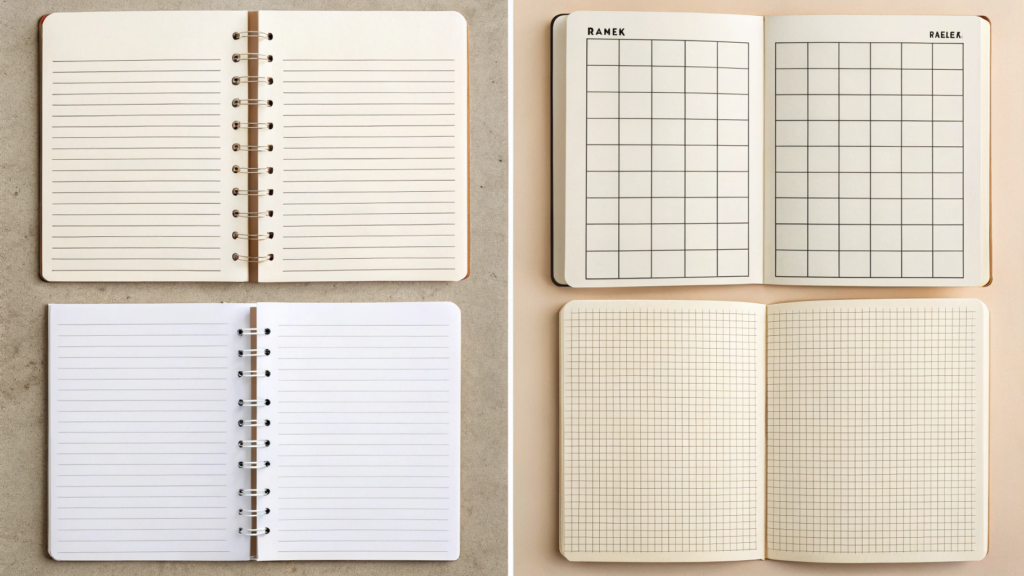
The choice of ruling is the foundation of your system, just as material selection is the foundation of a great bag. As a supplier, I classify the main options based on how much visual guidance they offer the user. Lined (or Ruled) journals are simple, great for pure, uninterrupted writing like long entries or notes. However, they make creating tables or calendars messy. Blank journals offer total freedom but demand the most setup effort, as every line, box, or column must be drawn by hand, which is a major hurdle for non-creative users. Squared (Grid) journals offer more structure than blank pages, making charts and graphs easy, but the dense squares can feel restrictive for plain text. Finally, the Dotted Grid is the sweet spot. The dots are light enough to fade into the background when you are just writing paragraphs, yet they provide subtle alignment points for creating organized spreads, boxes, and trackers quickly. This flexibility without demanding artistic skill is why I see so many productivity experts recommend the dotted format. It allows you to build structure only when you need it, supporting your focus on thinking rather than drawing.
What Should a Beginner Bullet Journal Include?
Starting a bullet journal can feel overwhelming. Ignore the complex art; focus on these three core, functional pages first.
A beginner bullet journal should focus on the core system3: the Index, the Future Log, and the Daily Log. These three elements establish tracking, planning, and logging without requiring any artistic skill or complex layouts.
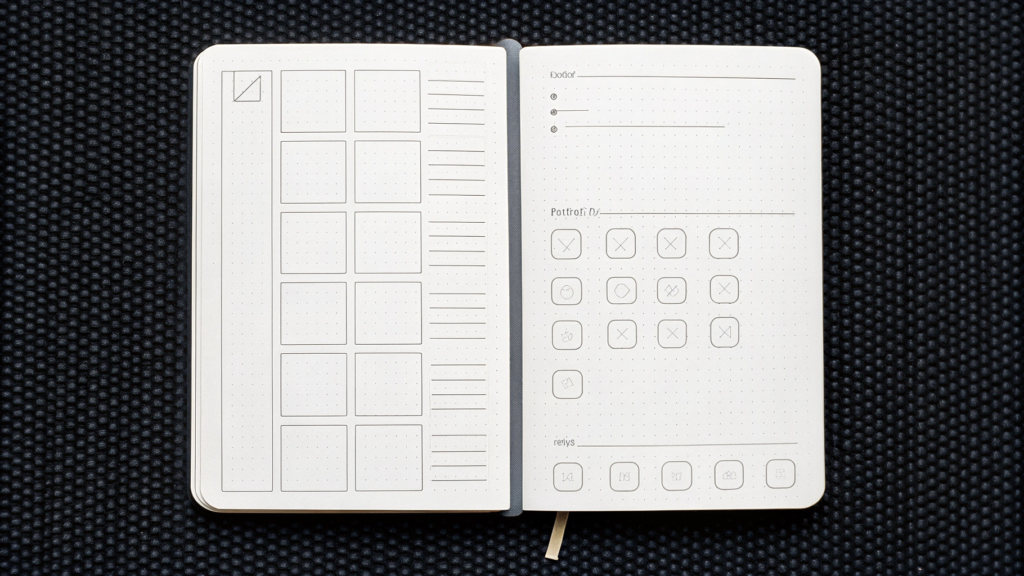
When I coach someone new to this system, I insist they only use the core components first. This is about building the habit of consistency, not mastering calligraphy. The Index is the map. It is simply a list of what is on which page number. This is crucial for a productivity tool so you can find your notes quickly $\text{—}$ it is pure organization, no art required. Second is the Future Log. This is a simple, usually yearly, calendar spread where you log events months in advance. I advise beginners to use simple boxes divided by month; no fancy drawings needed. The most important part is the Daily Log. This is where the basic bullet journaling method shines: you use simple symbols ($\text{•}$ for tasks, $\text{o}$ for events, $\text{-}$ for notes) to quickly capture what you need to do today. I have always valued efficiency, and this minimal entry style is the fastest way to capture thoughts and tasks accurately. Once you master these three functional pages, you can slowly add habit trackers or monthly goal spreads, but only if they serve your productivity needs directly. A journal that supports structure first proves that the system works, building confidence for later, optional creative additions.
Conclusion
For non-creative people, the best journal is a minimalist, dotted notebook that supports structured logging and planning over decorative artistic expression