Canvas Bag Decoration: How Can a Blank Tote Become a Personal Manifesto?
A blank canvas tote is like a personal manifesto waiting to be revealed. You might wonder what methods will actually stick, look good, and reflect your unique style.
You can decorate a canvas bag using several methods, including fabric paint for bold color, embroidery for texture and detail, iron-on patches for quick graphics, or eco-friendly dyes for a softer, integrated look, with each technique allowing for unique self-expression.
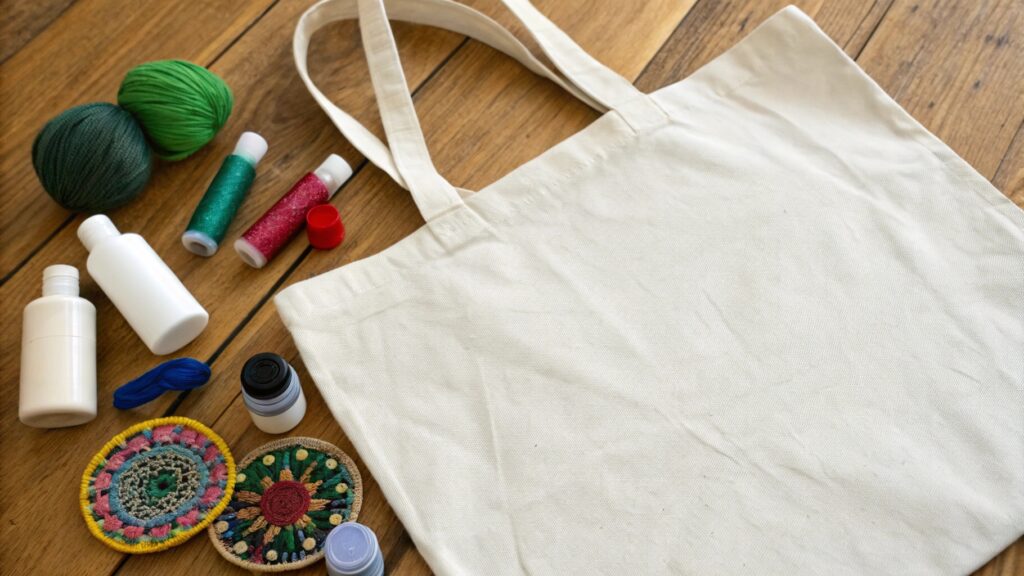
I love seeing how people take a simple canvas bag and make it their own. It really shows how a customized item can become a quiet form of self-expression in a world of mass production. Every imperfection in a DIY design tells a human story that a store-bought item simply cannot replicate. As a corporate gifting specialist, I know the power of a personalized item. Customizing a canvas bag is not only about art; it is also about mindful consumption. By decorating something you already own, you are extending its life and relevance. This combination of creativity and sustainability is why I recommend this project as a great way to reflect your values and aesthetic.
What Can I Decorate a Canvas Bag With?
The best items to decorate a canvas bag with are materials that are specifically designed for fabric and textile use, such as durable fabric paints, various types of thread for embroidery, iron-on transfers, or custom-made patches for a professional look.
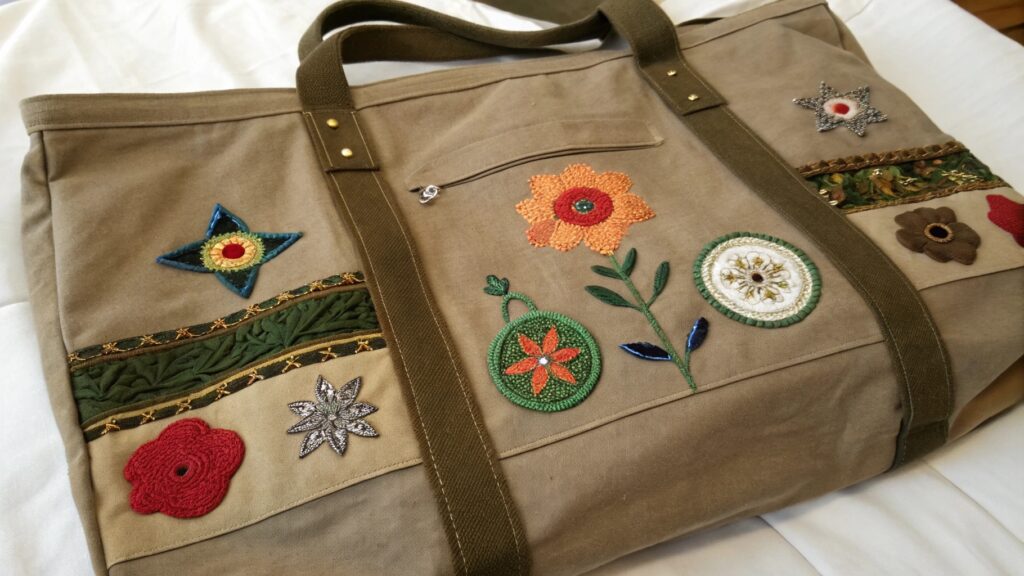
When you are starting a decorating project, the key is to choose materials that can withstand the rigors of being a bag—carrying things, washing, and general wear and tear. I have seen clients try to use regular craft paint on canvas, and the result is always cracking or flaking after the first wash. That is why fabric-specific materials1 are so important. For example, using a stencil and a textile medium can allow you to add precise designs that stay flexible. You can also use fabric markers, which are perfect for detailed line work or for adding signatures and dates to commemorate an event. Another great option is to use heat-transfer vinyl (HTV). This method is incredibly popular because it allows you to create sharp, professional graphics using a cutting machine, which you can then quickly adhere to the bag with an iron or heat press. I love how HTV provides a clean, modern look that is both durable and eye-catching. No matter which material you choose, the goal is always the same: turning a simple bag into a reflection of your personality and story.
What are the Best Decoration Techniques for Different Styles?
| Technique | Aesthetic Style Achieved | Key Preparation Step | Durability/Longevity |
|---|---|---|---|
| Fabric Painting (Freehand) | Artistic, bold, colorful, and expressive. | Pre-wash the canvas to prevent shrinking and insert cardboard inside the bag to prevent bleed-through. | High, if the paint is heat-set properly. |
| Embroidery (Hand or Machine) | Textured, artisanal, traditional, and durable. | Use an embroidery hoop to keep the canvas taut and prevent puckering. | Excellent; often lasts longer than the bag itself. |
| Iron-On Patches | Quick, vintage, layered, or graphic-heavy. | Ensure the iron is at the correct, high temperature and press firmly for the recommended time. | Good, but edges may curl over time if not stitched down. |
| Stenciling with Fabric Dye | Subtle, integrated, and natural; suitable for repeating patterns. | Use a fabric spray adhesive on the back of the stencil to minimize bleeding under the edges. | Very high; the dye becomes part of the fabric fibers. |
The true insight here is recognizing that the choice of decoration directly reflects the message you want to convey. If the bag is meant to be a personalized gift, hand embroidery adds an intimate, high-value feel that commercial products lack. If the bag is for a corporate event or team, heat-transfer vinyl or stenciling is efficient and ensures brand consistency. I once helped a client design canvas bags for a book launch. We used a simple screen-printed logo (a form of fabric painting2) on one side for branding and left the other side blank so attendees could add their own embroidered initial. This hybrid approach created a pin that was both professional and deeply personal, achieving a blend of brand and self-expression. It is the combination of techniques that often yields the most unique and enduring results, ensuring your decorated bag is both authentic and lasting.
Can You Embroider on a Canvas Bag?
Yes, you can absolutely embroider on a canvas bag, and it is a highly recommended method because the durable, tightly woven nature of the canvas fabric provides a stable and strong base that easily supports the weight and tension of the thread.
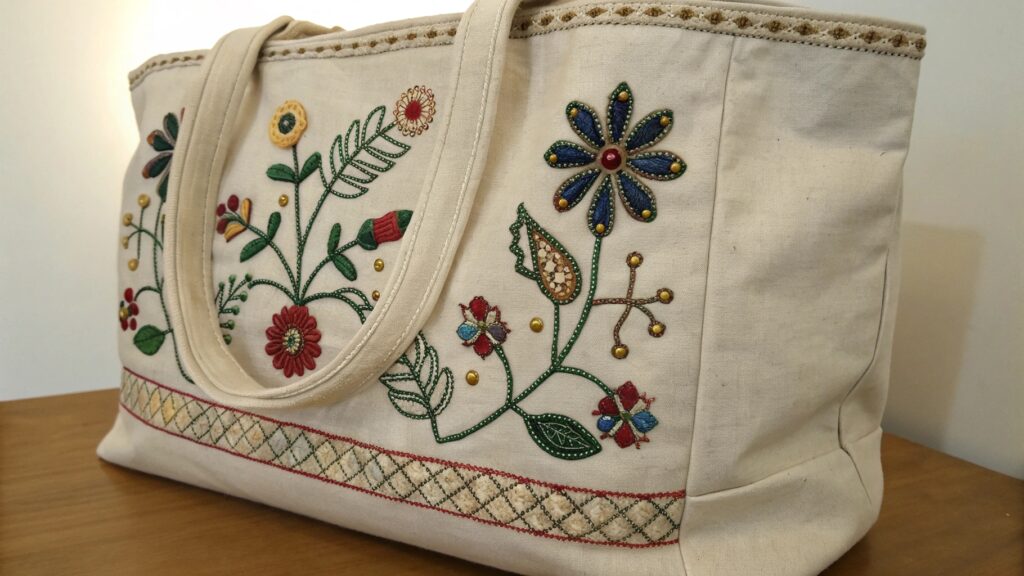
I consider embroidery one of the highest forms of personalization for a textile gift. It immediately elevates the perceived value of the item, making it feel like an artisanal keepsake. Unlike thinner fabrics that might pucker or tear under the needle, canvas, especially a thick cotton canvas, is rugged. This makes it perfect for heavy-duty stitches, dense fill patterns, or even adding beads and other embellishments. When I work with clients who want a truly premium item, I guide them toward embroidery. The process is simple: you first use an embroidery hoop to pull the canvas taut like a drum. This ensures your stitches are even and neat. You can use various threads, from standard cotton floss for fine detail to thick acrylic yarn for chunky, bold textures. The three-dimensionality and texture that embroidery adds are unmatched by any printing or painting method. A simple chain stitch or a complex satin stitch turns a flat logo or design into a tactile piece of art that people will feel proud to carry.
What are the Key Considerations When Embroidering Canvas?
| Consideration | Why It Matters for Canvas | Best Practice Recommendation |
|---|---|---|
| Needle Type | The needle must be strong enough to pierce the thick, dense weave of the canvas without bending or breaking. | Use a sharp embroidery needle or a standard sewing needle with a large eye for thick thread. |
| Stabilizer Use | Can prevent the canvas from stretching or warping while you are pulling the thread taut. | Apply a small piece of tear-away stabilizer to the back of the fabric, especially for machine embroidery or large designs. |
| Hoop Size | Needs to be correctly sized to fit the area of the design while avoiding interference from the bag's seams or handles. | Use a hoop that is slightly larger than your finished design and test its placement before you begin. |
| Thread Type | Determines the look, texture, and durability of the finished embroidery. | Use 100% cotton or polyester embroidery floss (six-strand) for detail, or specialty threads like metallic or wool for effect. |
The crucial step in any embroidery project is securing the fabric. Without a taut canvas in an embroidery hoop, your finished piece will look wrinkled and amateurish. I recall a brand manager who was attempting to embroider a complex bird design onto a tote. She was frustrated because the canvas kept stretching. I showed her how to use a large wooden hoop and add a piece of simple cut-away stabilizer to the back of the area she was working on. The stabilizer prevented the fabric from moving while she stitched the dense pattern. The result was a professional-looking, flawless design that highlighted the quality of the thread and the canvas. Embroidery is a labor of love, and the effort invested makes the final product an irreplaceable symbol of personal effort and style.
What Kind of Paint Stays on Canvas?
The kind of paint that stays permanently on canvas is any paint specifically formulated for textiles, such as acrylic-based fabric paints, which remain flexible and durable after drying and are generally heat-set with an iron to become fully permanent and washable.
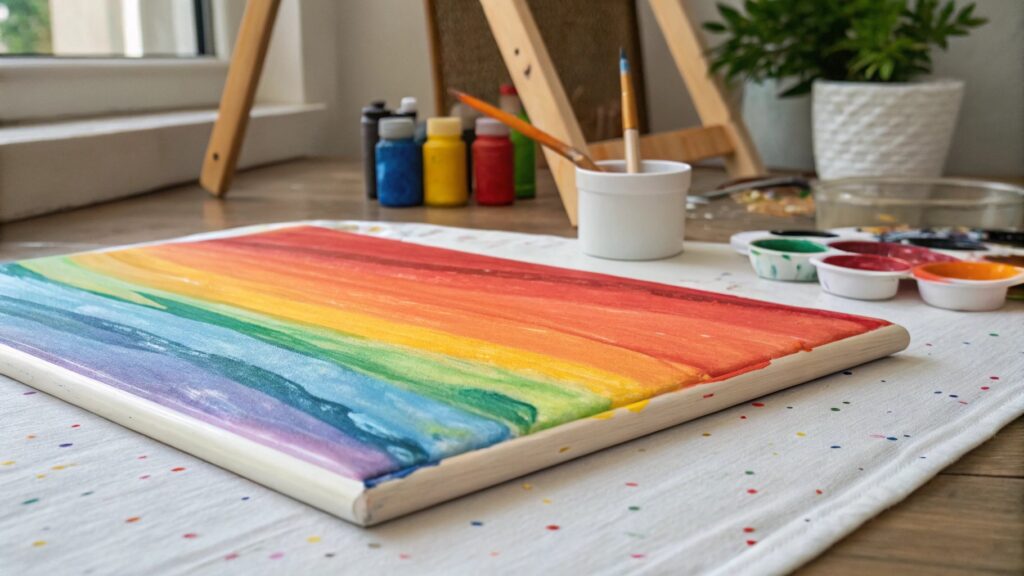
The biggest mistake I see with custom painting projects is using standard acrylic paint. It will look great for a day, but once it dries, it cures into a rigid plastic film that will crack and peel off the soft canvas material. You must use fabric paint or a regular acrylic paint mixed with a textile medium. Fabric paints are essentially acrylic paints engineered with additives that ensure the pigments bond chemically with the fibers of the canvas and, most importantly, maintain their flexibility. This flexibility means the paint moves when the canvas moves. Most quality fabric paints require heat-setting after they air dry. This is done by placing a protective cloth over the painted area and pressing it with a dry iron for a few minutes. This final step is vital because the heat activates the bonding agents in the paint, making the design completely washable and durable. Skipping the heat-set step is the reason most painted canvas designs fail. For detailed work, you can also use fabric ink or textile screen-printing inks, which are specifically designed to penetrate and bond deeply into the cotton fibers, giving you an even more flexible finish.
How Does Fabric Paint Differ from Regular Acrylic Paint?
| Paint Type | Flexibility After Drying | Permanence/Washability | Primary Use on Canvas Bags |
|---|---|---|---|
| Fabric Paint | High (Remains soft and flexible) | Excellent (Fully washable after heat-setting) | Best for freehand art, stenciling, and large block colors. |
| Acrylic Paint + Textile Medium | High (The medium increases flexibility) | Good (Must be used in the correct ratio with the medium) | Good for modifying existing paint colors or for small detail work. |
| Standard Acrylic Paint | Low (Cures into a rigid, plastic-like film) | Poor (Cracks, peels, and flakes off easily when washed or folded) | Avoid entirely for wearable items like bags. |
| Fabric Markers | Very High (Acts like a permanent dye) | Very Good (Generally needs no heat-setting) | Best for outlining, fine details, and handwritten text. |
I always stress the importance of the textile medium. It is a clear liquid you mix with regular acrylic paint to turn it into fabric paint. It allows for custom color matching and ensures that any colors you already have can be used safely. I remember a small business owner who needed a very specific shade of turquoise for her corporate gift bags. The color did not come in a fabric paint. We found the color in regular acrylic and mixed it with the textile medium3 at a $1:1$ ratio. The final design was perfectly color-matched, highly durable, and completely washable. This simple step gives you endless creative control while guaranteeing the longevity of your custom design. It allows the decorated canvas bag to last for years, truly supporting the idea of mindful, sustainable consumption.
Conclusion
Decorating a canvas bag is a unique form of self-expression; whether you choose the texture of embroidery, the boldness of fabric paint, or the simplicity of patches, ensure you use fabric-specific materials and techniques to create a durable, authentic, and lasting symbol of your personal story.