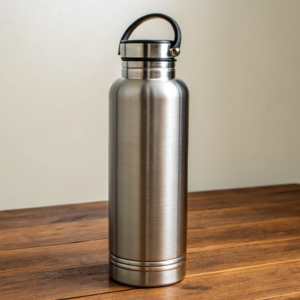
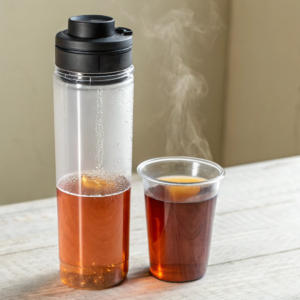
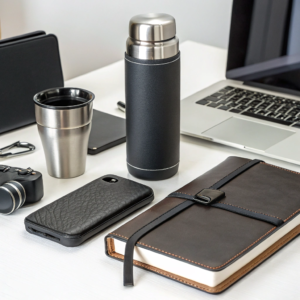
Stainless Steel Water Bottles: Are They the Ultimate Reusable Companion?
Many people worry about the safety and performance of stainless steel water bottles. They keep liquids hot and cold, but are they truly a healthy, durable, and versatile choice?
Stainless steel vacuum-insulated bottles are an excellent choice for everyday hydration because high-grade 18/8 (304) steel is durable, non-leaching, and effectively maintains temperature for both hot and cold liquids, offering great versatility and reducing single-use waste.
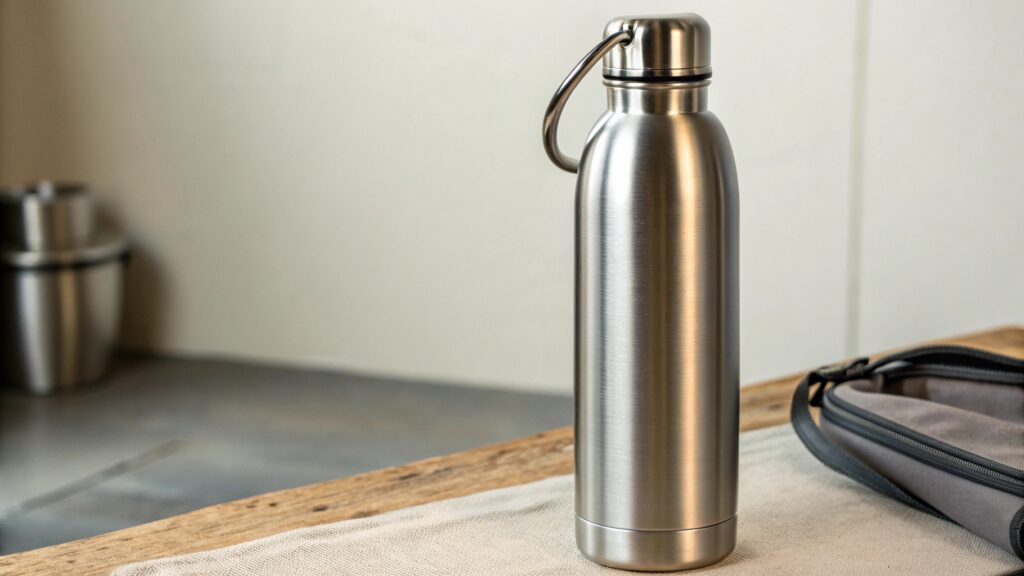
I've been in the corporate gifting space for years, and the evolution of the water bottle is remarkable. It’s no longer just a container; it is a statement piece and a daily companion. The shift from plastic to stainless steel1 shows that people value performance and sustainability. A double-wall vacuum bottle is a great example of this. It minimizes heat transfer, making it a reliable tool for everything from morning coffee to afternoon iced water. I always tell my clients that choosing a well-made bottle is not just a purchase; it’s an investment in a durable item you will want to keep and care for.
Is Stainless Steel Good for Cold Water?
You might think that any bottle can hold cold water, but is stainless steel good for it? It does a great job, but you may wonder if it is the best.
Yes, stainless steel is exceptionally good for cold water because its double-wall vacuum insulation minimizes heat transfer, effectively blocking ambient heat from warming the liquid and keeping ice frozen for many hours, which is superior to standard plastic or single-wall containers.
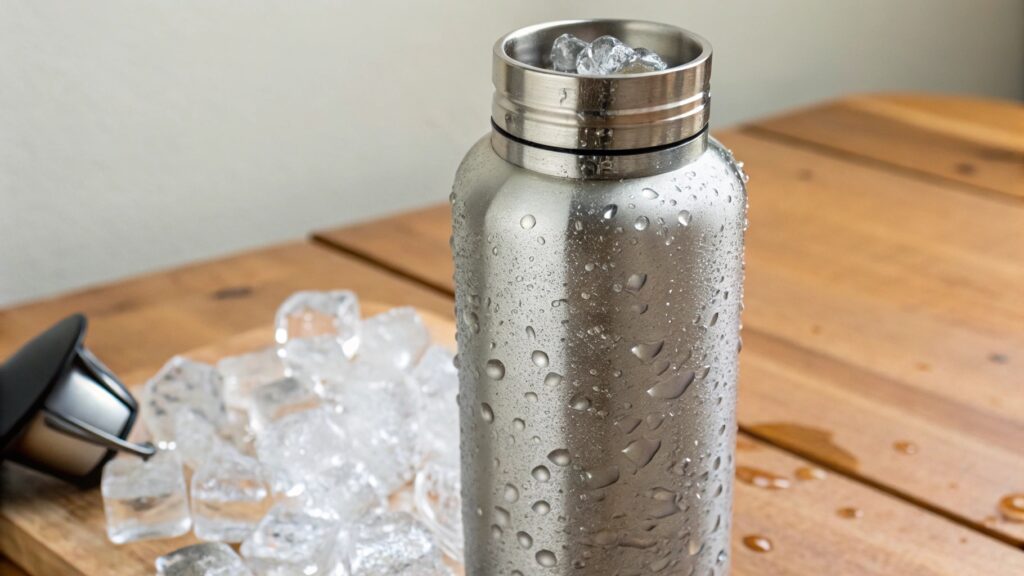
The effectiveness of a stainless steel bottle, especially for cold water, comes down to its construction. We are not just talking about a single metal wall; we are talking about vacuum insulation. This design involves two walls of stainless steel with the air removed from the space between them, creating a near-vacuum. A vacuum is one of the best insulators available because it almost eliminates heat transfer by conduction (heat moving through solid material) and convection (heat moving through air). This means the 90°F air outside your bottle has no easy way to transfer its heat to the 35°F water inside. I have tested countless samples, and the high-grade 18/8 (304) stainless steel is best. This grade has a balanced composition of 18% chromium and 8% nickel, which provides excellent corrosion resistance. This means that when you put ice-cold water in the bottle, the exterior will not "sweat" or develop condensation, which is a major benefit over single-wall metal or glass. This combination of thermal performance and material integrity is why I always recommend this type of bottle when the primary goal is long-term temperature retention for iced drinks. It supports a habit of drinking more cold water throughout the day, whether you are in a hot climate or just prefer your drinks chilled. The simple fact that a quality bottle can keep ice solid for over 12 hours is proof enough of its superiority for cold beverages.
How Does Vacuum Insulation Beat Other Materials for Cold Retention?
| Material Type | Heat Transfer Method | Cold Retention Performance (Relative) | Key Drawback for Cold Drinks |
|---|---|---|---|
| Stainless Steel (Vacuum) | Mostly Radiation (minimal) | Excellent (12+ hours) | Higher initial cost; heavier. |
| Single-Wall Aluminum/Steel | High Conduction | Poor (1–2 hours) | Exterior "sweats" heavily; rapidly warms up. |
| Insulated Plastic | Low Conduction/Convection (Foam layer) | Fair (3–5 hours) | Interior plastics can absorb odor/flavor over time. |
| Glass | High Conduction | Very Poor (under 1 hour) | Fragile; very little thermal barrier. |
The key lies in reducing all three types of heat transfer. While the vacuum handles conduction and convection, the mirror finish often found on the interior walls helps minimize radiation transfer, which is heat moving in the form of electromagnetic waves. Think of it like a silvered thermos bottle. This holistic approach to insulation is why you can rely on the same bottle to keep a beverage icy all through a long, hot afternoon meeting or a weekend trip. I often see people trying to use a glass bottle for cold water, only to find the ice melts almost immediately and the bottle is dripping wet on their desk. The stainless steel vacuum bottle is simply a smarter piece of engineering for anyone who values long-lasting cold drinks without the mess. It allows for that perfect sip of chilled water exactly when you need it most.
Is It Healthy to Drink Water from a Stainless Steel Bottle?
Concerns often pop up about metal leaching into the water, leading people to question if a stainless steel bottle is truly a safe, healthy choice for daily use.
It is very healthy to drink water from a stainless steel bottle because high-grade 304 or 316 stainless steel is inert, meaning it does not react with or leach harmful chemicals like BPA or phthalates into water, making it a safe and durable non-toxic option for continuous daily hydration.
When I recommend a stainless steel bottle, I always emphasize that the grade of steel matters. The industry standard we use is 18/8 (304) food-grade stainless steel. This material is essentially an iron alloy stabilized with chromium and nickel, forming a protective, non-reactive layer on the surface. Unlike some plastics, stainless steel has no BPA (Bisphenol A) or other endocrine disruptors that can leach out, especially when exposed to heat or harsh detergents. This non-leaching quality is the biggest health benefit. Furthermore, the material itself is non-porous. This means it resists corrosion and, if cleaned properly, does not harbor bacteria or retain flavors from previous drinks. The absence of retained flavor is important because it means your water will taste fresh and pure, without any metallic aftertaste. I have heard stories from clients who were concerned about a metallic taste. Almost every time, this problem was fixed by simply ensuring they bought a known, quality brand that uses certified 304 stainless steel, not a cheap, low-grade alloy. The high-quality material is the foundation of a healthy, worry-free drinking experience.
Does the Grade of Stainless Steel Really Affect Safety?
| Steel Grade | Composition (Cr/Ni) | Key Application in Bottles | Health and Safety Implication |
|---|---|---|---|
| 304 (18/8) | 18% Chromium / 8% Nickel | Most common for food and beverage containers. | Excellent corrosion resistance; non-reactive and safe for most liquids. |
| 316 (18/10) | 16% Chromium / 10% Nickel | Used for surgical tools; higher resistance to salt/acid. | Premium safety and durability; recommended for long-term storage of highly acidic or salty liquids. |
| 200 Series | Lower Nickel, Higher Manganese | Cheaper cutlery, sometimes used in low-cost bottles. | Avoid: Lower corrosion resistance, more prone to rust, and potential leaching in acidic environments. |
I always advise clients to look for the "18/8" stamp or the use of 304 grade when they are sourcing bottles. While 304 is perfectly safe for daily water consumption, using the premium 316 grade is an extra layer of reassurance, particularly for people who might leave acidic juices or salty sports drinks in their bottles for extended periods. This higher-grade steel provides even better defense against the corrosive action of acids or salts. A good stainless steel bottle is not just healthy because it does not leach chemicals; it is also a sustainable health choice because its durability means you are less likely to dispose of it, supporting a reduction in environmental waste2. Choosing quality material is an investment in both personal health and a reduced environmental footprint.
Can Mold Grow in Stainless Steel?
While the idea of a metal bottle seems inherently clean, people still worry about whether mold or bacteria can find a place to thrive inside.
Mold cannot grow in the stainless steel itself because it is non-porous, but mold and bacteria can easily grow on uncleaned surfaces, especially in the dark, moist environment of the bottle's interior and, most commonly, within the lid's gasket and threading.
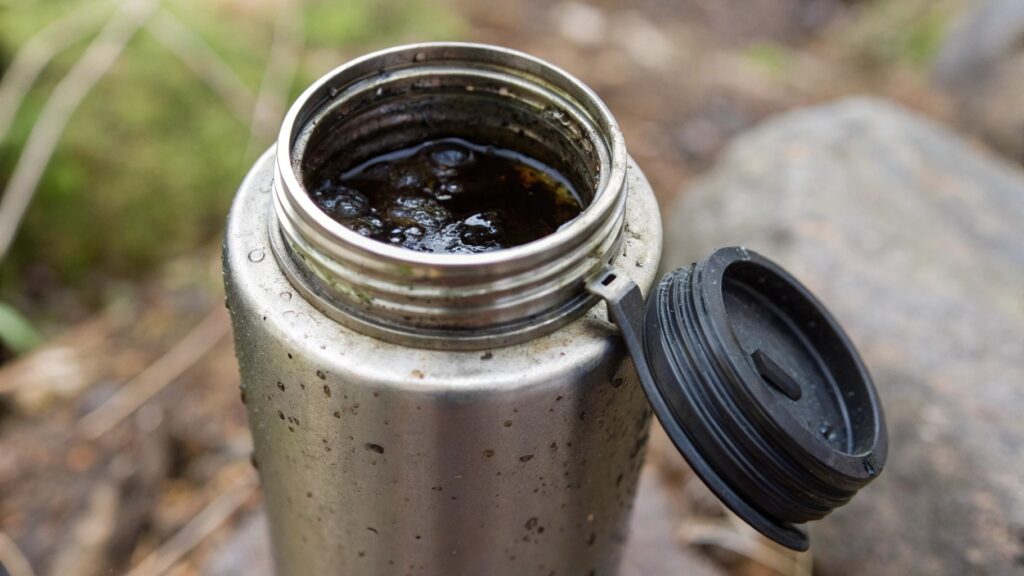
The metal itself is not the problem; poor user habits are. Stainless steel is non-porous, unlike some plastics, so mold spores cannot embed themselves into the material. However, mold needs only three things to grow: moisture, warmth, and a food source (which can be any trace organic material like residual sugar from a sports drink, coffee residue, or even skin cells from the user's mouth). The bottle's interior is dark and often moist, creating the perfect environment for growth if it is not thoroughly cleaned and allowed to dry. The biggest culprit I have seen in the field is always the lid mechanism. Specifically, the silicone gaskets or seals that ensure the bottle is leak-proof. These parts are often overlooked during a quick rinse. They need to be regularly removed and cleaned separately with a small brush and warm, soapy water. If you are drinking water all day, a good rinse at night and air drying is often sufficient. But if you put anything else—juice, protein shakes, or coffee—in the bottle, a deep cleaning is essential to prevent mold growth3 and the bad smells that come with it.
What are the Best Practices to Prevent Mold and Bacterial Growth?
| Practice/Action | Rationale for Mold Prevention | Frequency |
|---|---|---|
| Disassemble and Clean Gaskets | Gaskets and lid threads trap moisture and organic residue, which are prime mold food sources. | Weekly (minimum), or daily if using non-water beverages. |
| Use a Bottle Brush | Ensures the brush reaches the bottom and sides of the bottle to remove invisible films of residue. | Daily for non-water beverages; every few days for water. |
| Air Dry Completely | Mold cannot grow without moisture; placing the bottle upside down on a rack ensures all water evaporates. | After every use. |
| Deep Clean with Vinegar/Baking Soda | White vinegar or a baking soda solution acts as a natural disinfectant and helps break down stubborn residue or odors. | Monthly, or when a noticeable odor develops. |
I always share a story about a client's employee who complained his new bottle had a persistent odor after just a month. When I asked him to check the lid, we found the gasket was covered in a pinkish-brown biofilm—a mix of bacteria and yeast. He was just rinsing the bottle. I instructed him to completely remove the silicone ring, wash it, and soak the lid in a simple vinegar solution. The odor disappeared completely. The longevity of a stainless steel bottle is not just about the metal; it is about the maintenance ritual. Treating the bottle as a reusable companion means committing to a simple cleaning routine that keeps it safe, clean, and functioning perfectly for years, fulfilling its role as a healthy and sustainable hydration choice.
Conclusion
Stainless steel bottles offer superior performance and health benefits because their 18/8-grade construction is inert and their vacuum insulation excels at temperature control. For longevity and safety, commit to regular cleaning of the lid's gaskets, keeping your custom companion a safe and enduring symbol of sustainability.