Why Your Custom Logo T-Shirt Design Fails to Create a Connection
Are you treating your custom t-shirt design like a simple billboard? A shirt that only displays a logo fails to create a connection. You need a design that aligns with identity and value. This leads to wasted inventory and zero impact. This is a common, costly mistake.
The best t-shirt designs are not just about aesthetics; they’re about identity and storytelling, transforming fabric into an authentic statement of what the wearer values. The most successful designs balance creativity with wearability, ensuring they carry meaning and emotional resonance, making them belong to someone rather than just trying to impress everyone.
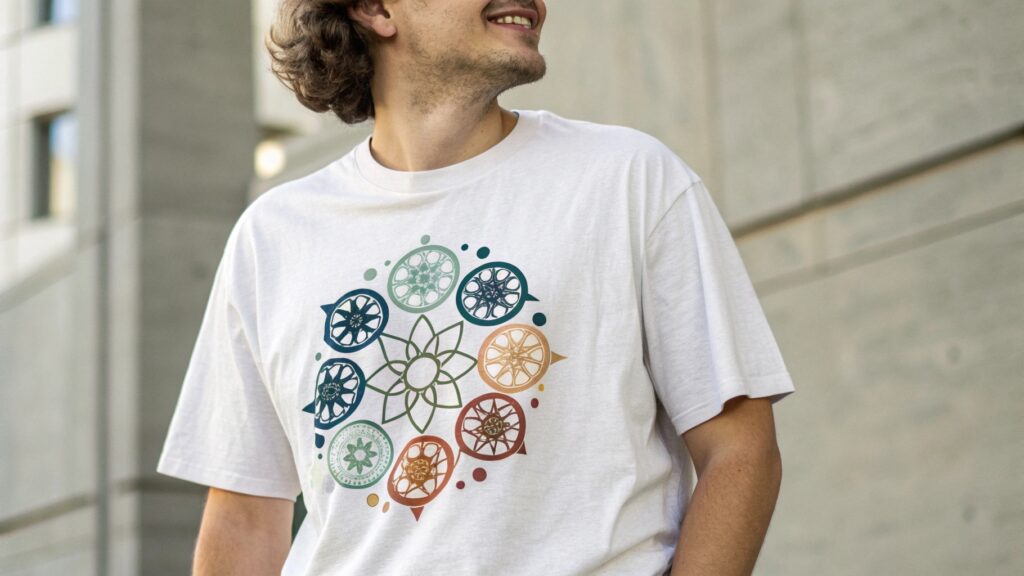
I have seen countless t-shirts move through the printing process. The cheap designs are easy to spot: a logo slapped on a shirt without thought. The truly valuable designs, however, are subtle. They are the ones people choose to wear when they are not at work. For a marketing manager like Jacky, this distinction is everything. A custom t-shirt is an extension of his brand philosophy. It must be a piece of lifestyle wear1, not just a promotional item. We must look at how to blend technical quality with emotional resonance to make the shirt a valued part of the wearer's daily rotation.
What is the Highest Quality T-Shirt Printing?
Quality is not just about the crispness of the lines. It is about how the print feels, how long it lasts, and whether it supports the original design intent. Choosing a poor method undermines the entire effort.
The highest quality t-shirt printing2 depends entirely on the artwork and volume, not a single method. For maximum durability and vibrant, flat colors, Screen Printing is superior. For photorealistic detail and gradients, high-end Direct-to-Garment (DTG) is best, but true quality always comes from matching the print method to the design's unique technical demands.
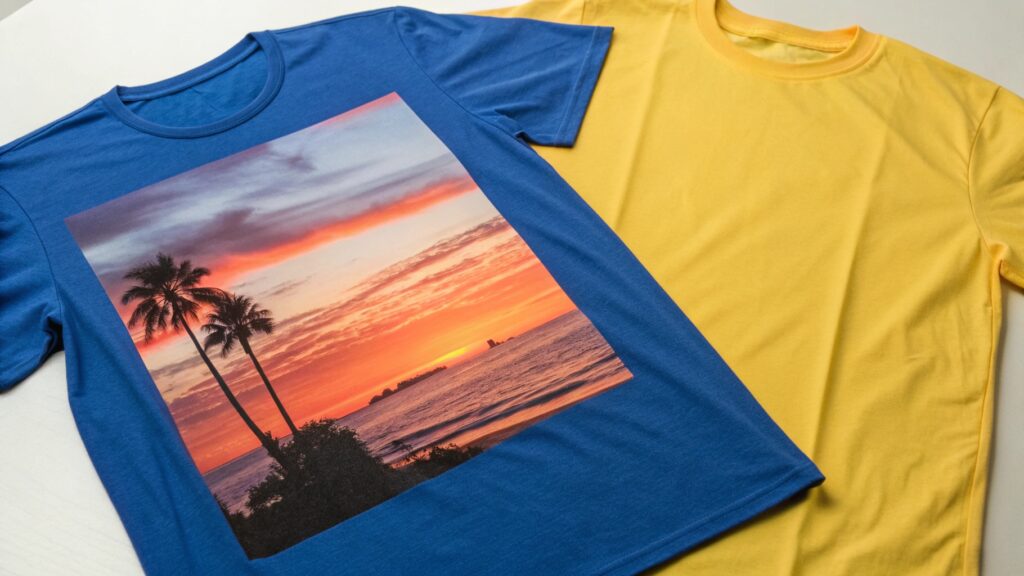
There is no single "highest quality" print method; there is only the most appropriate method for your specific design and its longevity goals. When I look at a custom shirt, I immediately ask two questions: Is the design mostly flat, bold colors? and How many washes must it survive? If the answer to the first is yes, and the second is "many," then Screen Printing is the highest quality. It lays down a thick, durable layer of ink that resists cracking and fading better than almost any other method. However, if your design requires complex photographic details, soft color gradients, or is very low volume, then a top-tier DTG printer is the quality choice. It is crucial to remember that a high-quality print on a flimsy fabric is still a failure. The quality of the fabric weight must match the quality of the print. A design meant to be a statement should be on a mid-weight, comfortable, and well-cut shirt that enhances the design's perceived value.
| Print Method | Quality Differentiator | Best for Artwork Type | Durability Rationale |
|---|---|---|---|
| Screen Printing | Ink thickness and vibrancy on large areas. | Bold graphics, simple logos, high volume. | Superior wash durability; ink penetrates fabric deeply. |
| Direct-to-Garment (DTG) | Detail resolution and color depth. | Complex, full-color designs, photorealism. | High detail fidelity; softer hand-feel than screen print. |
| Embroidery | Tactile texture and dimension. | Small logos, professional uniform shirts. | Ultimate longevity; resists fading and cracking. |
How to Tell if a T-Shirt is High Quality?
Quality is often mistaken for price. A high-quality shirt must last and feel good every time it is worn. Knowing the difference protects your brand from using materials that feel cheap.
You can tell if a t-shirt is high quality by examining the fabric weight (mid-weight 5.5 oz+), the stitching, and the cut. High-quality shirts feature tight, even stitching at the seams and collar, a comfortable neckband that holds its shape, and a fabric that uses ring-spun cotton for softness and minimal pilling.
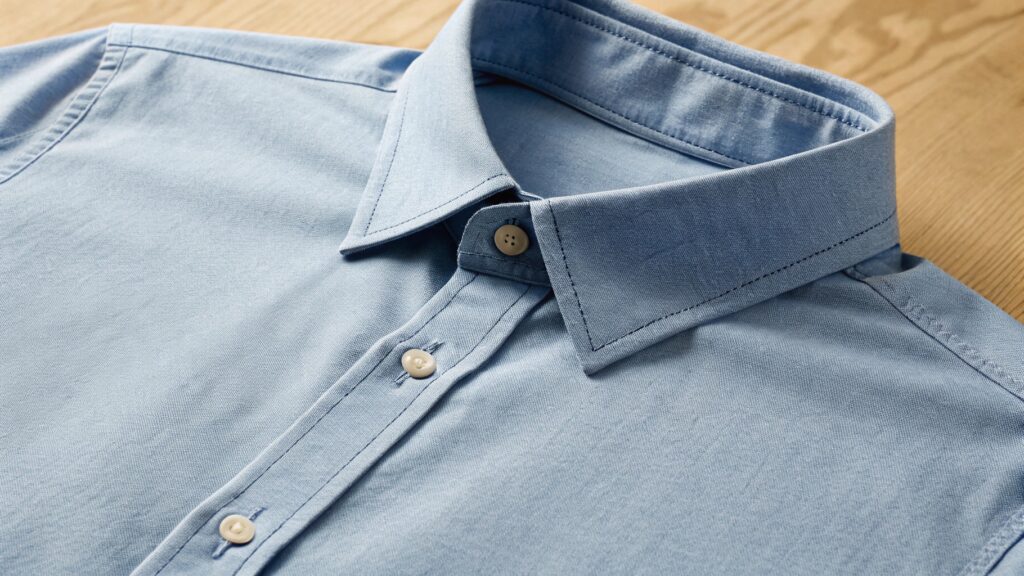
To ensure your custom shirt design is a success, you must start with a high-quality foundation. I always advise clients like Jacky to examine a few key physical features. First, check the fabric. Avoid thin, transparent jersey. Look for a mid-weight cotton (around 5.5 oz to 6.5 oz) that provides a solid drape. The best cotton for comfort and durability is ring-spun, which is softer and stronger than standard carded cotton. Second, check the construction. Look at the seams. Are they tight, straight, and reinforced? A high-quality shirt will often have double-needle stitching at the sleeves and bottom hem for longevity. Third, look at the collar. A cheap shirt's collar will lose its shape after one wash. A quality shirt will have a comfortable, well-stitched neckband that maintains its structure. A t-shirt designed for lifestyle wear—meaning it looks and feels good on a daily basis—is always high quality. When a design is printed on a well-made shirt, the design instantly gains authority and reinforces the brand's commitment to excellence.
Which is Better, DTG or DTF?
As digital printing evolves, new methods emerge, confusing the decision process. DTG and DTF are both digital, but they serve very different purposes. Knowing the right application is essential for quality.
Neither DTG (Direct-to-Garment) nor DTF (Direct-to-Film)3 is definitively "better"; they are tools for different jobs. DTG is better for soft-feel, high-detail prints on 100% cotton fabric. DTF is better for vibrant colors, excellent stretch, and durability on mixed fabrics (poly-blends), but often results in a thicker, slightly more plastic-like feel.
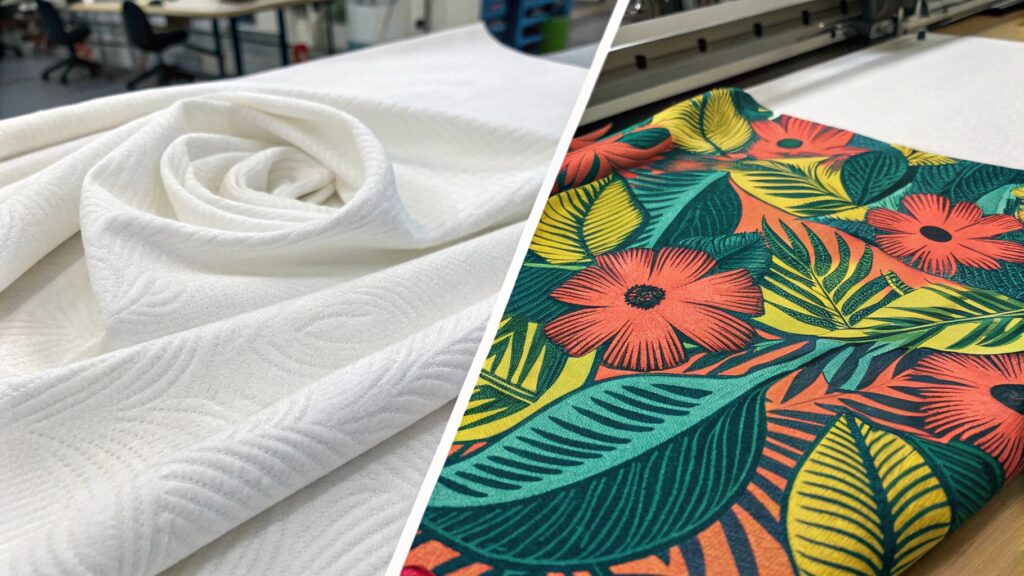
This is a technical question that needs a practical answer. DTG printing is essentially a large inkjet directly printing ink onto a cotton garment. The result is a print that feels soft because the ink soaks into the fibers. It is excellent for complex designs and a natural, breathable feel. However, it works best on 100% cotton and is less durable than screen printing. DTF printing, on the other hand, involves printing the design onto a film, which is then heat-pressed onto the garment. The result is a vibrant, durable, and very stretchy print that works on almost any fabric type, including poly-blends. The trade-off is the feel—DTF often leaves a thicker, slightly more vinyl-like texture on the shirt, which can reduce the "wearability" factor for some. I advise clients to make the choice based on the fabric and the desired feel. If the shirt is 100% cotton and the soft hand-feel is paramount, choose DTG. If the shirt is a poly-blend and maximum durability/stretch is required, choose DTF. The best design is not made to impress everyone—it is made to belong to someone, and the right print method ensures that feeling of ownership lasts.
Conclusion
A successful custom t-shirt design is a blend of authentic identity and technical quality. Prioritize the shirt's construction, match your art to the right print method, and focus on creating a design people genuinely want to wear.