Why Painting a Canvas Bag is a Masterclass in Sustainable Branding
Are you missing the power of personalization? A simple canvas bag is just fabric. By adding custom art, you turn a commodity into a statement of individuality. This transformation is key to connecting with today's design-conscious consumer.
Using acrylic paint on a canvas bag is an act of creative sustainability, transforming a utility item into a piece of personal expression. Success lies in technical intentionality—thinning the paint or using a textile medium to ensure the design remains flexible and durable, making the artwork last through daily use and washing.
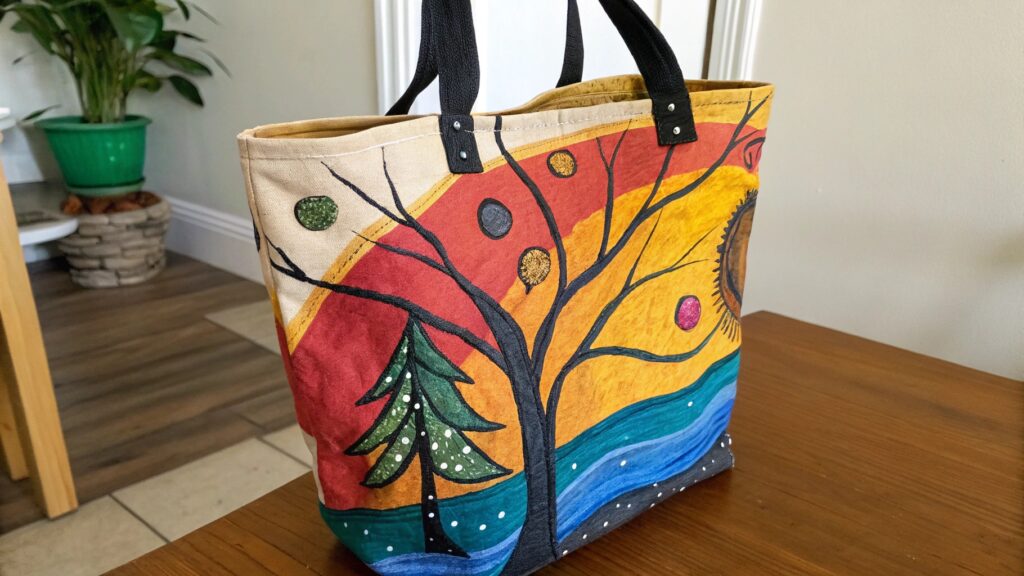
In my years working with both large and small-batch production, I've seen the shift from mass-produced logos to personalized items. For a marketing manager like Jacky, the canvas bag1 offers a powerful opportunity: to allow the client or customer to become the co-creator. This is a profound change. The process of painting a canvas bag is not just about technique; it is about merging art, sustainability, and individuality. The moment a client puts their brushstroke on a bag, it stops being a product and starts being a piece of personal history. This personal touch creates emotional resonance that no mass-produced item can match.
Can I Paint a Canvas Bag with Acrylic Paint?
You have a vision for a custom bag, but you are uncertain if the paint will stick. This technical doubt stops many creative projects. We must confirm the reliability of the material pairing.
Yes, you can paint a canvas bag with standard acrylic paint. Acrylic paint is ideal for fabric because its polymer base is flexible and water-resistant when dry, allowing it to bond well to the textured fibers of the cotton canvas. However, the best practice is to mix the paint with a textile or fabric medium for optimal softness and durability.
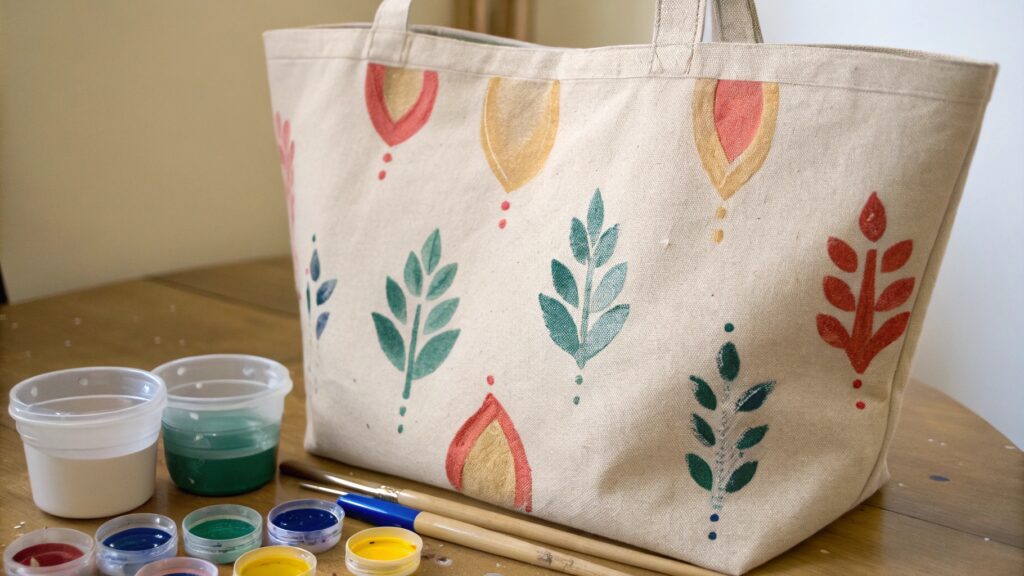
This is a technical question that unlocks a creative opportunity. Acrylic paint is an excellent medium for canvas bags because cotton canvas is a very receptive surface. The key is in the preparation and application. If you use the acrylic paint straight from the tube, it will be very thick. This thickness is what causes the paint to stiffen the fabric. A stiff bag is uncomfortable and signals a lack of quality. The solution is to use a textile medium, which is a clear additive that changes the paint's consistency, making it flow better and remain flexible after it dries. This ensures that the bag remains soft and wearable. For a brand looking to sell blank canvas bags for customization, providing clear instructions on using a textile medium is a small detail that demonstrates thoughtful design and commitment to customer success. The moment the paint is applied, the bag transforms from a simple accessory into a piece of personal expression.
| Technical Tip | Purpose for Longevity | Impact on Canvas Bag | Brand Value Reinforced |
|---|---|---|---|
| Use Textile Medium | Increases paint flexibility and prevents cracking. | Keeps the fabric soft and wearable. | Attention to Detail, Durability |
| Apply Thin Layers | Ensures proper curing and deep fiber penetration. | Avoids a stiff, heavy painted surface. | Quality Application, Wearability |
| Heat Set When Dry | Seals the paint to the fabric, enhancing wash resistance. | Makes the bag washable and a long-term asset. | Longevity, Practical Utility |
Why Is My Acrylic Paint2 Peeling Off My Canvas?
Paint peeling is the most frustrating failure in fabric customization. It signals that the art will not last. This failure is a technical flaw that needs to be addressed through proper technique.
Acrylic paint typically peels off a canvas bag when it is applied too thickly, applied to an unwashed/unprepared surface, or not properly sealed. Thick, unmixed paint lacks the necessary flexibility to move with the canvas fibers, causing it to crack and peel, especially near seams or high-stress areas like the base of the bag.
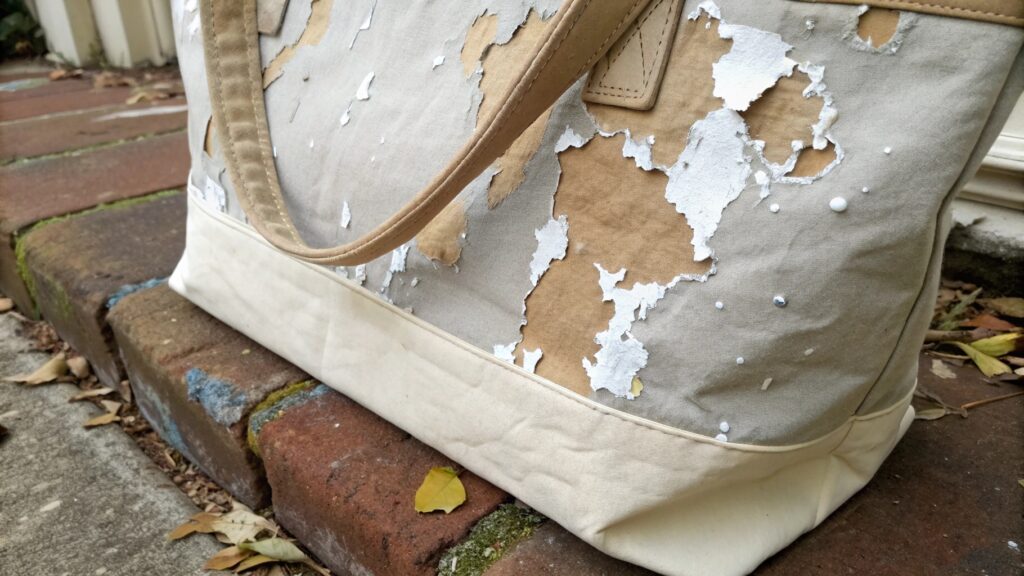
The main cause of peeling is a lack of intentionality in the process. When I see paint peeling, I know the paint was applied like house paint, not fabric art. Acrylic paint forms a solid layer, and if that layer is too stiff, it cannot bend with the cotton canvas fibers when the bag is folded or stretched. The solution involves two steps: Preparation and Technique. First, the surface must be clean. Always advise the user to pre-wash and iron the bag to remove any sizing or factory treatments that block the paint's adhesion. Second, the technique must involve thin layers of paint mixed with a textile medium. It is better to apply three thin layers than one thick one. This allows the paint to bond to the fiber instead of sitting on top. Finally, the design must be heat-set (typically by ironing over the dried design with a cloth barrier). This heat-setting is what chemically cures the paint, making it more wash-resistant. When a brand promotes customization, they have an ethical responsibility to ensure the art lasts. This attention to durability turns the painting process into a powerful act of creative sustainability3—the art endures, and the bag stays out of the landfill.
How to Protect Acrylic Paint on a Tote Bag?
After the creative work is finished, the final concern is durability. Without protection, the art is vulnerable to rain, rubbing, and washing. A great design needs a long life.
To protect acrylic paint on a tote bag, you must heat-set the design after it is completely dry to chemically bond it to the fabric. Additionally, advise the user to wash the bag inside-out on a gentle cycle and avoid harsh chemical cleaners or aggressive scrubbing. Some artists also apply a thin, clear fabric varnish to add an extra layer of moisture and abrasion resistance.
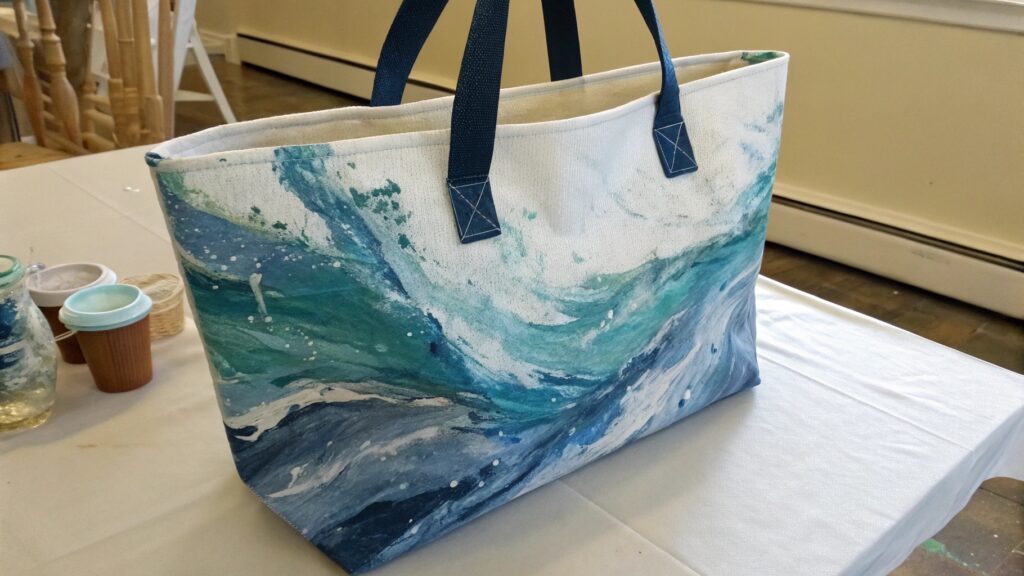
The protection phase is where the bag moves from an art project to a piece of everyday utility. We want the individual's personal artistry to survive in the mass-produced world. The heat-setting process is non-negotiable for durability. It is the final step that ensures the design will not wash away. Beyond that, the care instructions are part of the gift's story. By providing simple, clear instructions—wash inside-out, cold water, gentle cycle—the brand is demonstrating an ongoing commitment to the longevity of the customer's creation. This commitment reinforces the idea that the bag is not disposable. The fact that the user is redesigning something they already own reflects a growing trend towards custom, sustainable creativity. It is a small but powerful act. The best canvas bag strategy is one that provides the highest quality canvas (thick, durable cotton) and the simplest instructions for protection, ensuring that each brushstroke tells a story that lasts.
Conclusion
Painting a canvas bag is an expression of individuality and sustainable values. Master the simple techniques of thinning and heat-setting the acrylic paint to ensure your creative statement endures through every wash and every daily use.
-
Explore this resource to discover expert tips on customizing canvas bags for durability and personal expression. ↩
-
Explore this resource to learn essential techniques for using acrylic paint on fabric, ensuring durability and vibrant results. ↩
-
Discover how creative sustainability can influence your artistic choices and environmental impact. ↩