Why Don't We Use Brown Paper Bags for Shopping Anymore?
Do you miss the simplicity of the classic brown paper bag? Its decline reveals a complex shift driven by cost, convenience, and evolving views on sustainability.
Brown paper bags declined because they are less durable than plastic for bulk shopping, more expensive to transport and store, and are often seen as less eco-friendly than reusable fabric totes. Their failure to adapt to modern retail logistics and consumer demand for durability led to their replacement by cheap plastic and, now, sustainable reusable options.
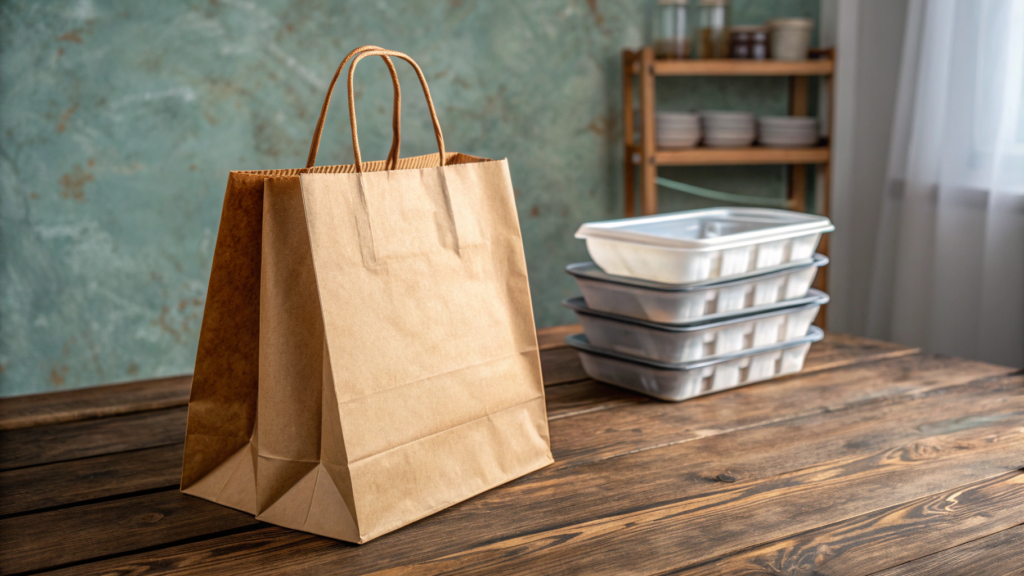
Brown paper bags once symbolized simplicity and eco-friendliness, but their decline in shopping culture reveals how convenience, cost, and sustainability perceptions have evolved. From my perspective, it’s not that paper bags failed $\text{—}$ it’s that consumer habits and retail logistics changed faster than they could adapt. Paper bags, though biodegradable, are less durable for bulk shopping and more expensive to produce and store than lightweight plastic alternatives. Ironically, as environmental awareness grew, so did the realization that paper bags $\text{—}$ often made from virgin pulp and requiring significant energy to produce $\text{—}$ aren’t always the greener option. Today, the shift toward reusable fabric totes and recycled materials represents a more holistic approach to sustainability: durability over disposability. The story of the brown paper bag isn’t one of obsolescence, but transformation $\text{—}$ it taught us that being “natural” isn’t enough; true eco-consciousness demands endurance, reusability, and innovation.
Why Did Stores Stop Using Paper Bags?
Stores made the shift away from paper for one main reason: logistics and cost efficiency. You must understand the retail side of this decision.
Stores stopped using paper bags primarily because of logistical and financial drawbacks. Paper bags are bulkier to store, heavier to ship, tear easily when wet or under heavy loads, and are significantly more expensive per unit than thin plastic polyethylene bags.

For a mid-sized trading company like the one Jacky works for, logistical efficiency dictates every decision, and paper bags present several logistical challenges that cheap plastic resolved. First, storage space is a major factor. Paper bags, especially those with flat bottoms, take up substantially more room in a warehouse or under a checkout counter than an equal volume of thin plastic bags on a roll. This translates directly to higher real estate costs. Second, weight and shipping are concerns. Paper is significantly heavier than plastic, meaning transportation costs for delivery to stores are higher, and employees face more effort in handling them. Third, the durability factor1 is a significant liability. A paper bag is instantly compromised by rain, condensation from frozen foods, or a sharp corner on a heavy box. The potential for product damage or customer inconvenience forced many large retailers to switch to plastic once those options became cheap and widely available. Paper simply could not adapt quickly enough to the demands of modern bulk shopping where a single bag needed to reliably carry ten kilos of mixed goods.
Logistical Drawbacks of Paper Bags
| Drawback | Impact on Retail Operations | Solution Used by Retailers |
|---|---|---|
| Bulky Storage | Higher inventory space needed at the store level. | Switched to compact plastic bags on a roll. |
| Durability Issues | Potential for tearing and customer product loss. | Switched to tear-resistant, water-resistant plastic. |
| Higher Unit Cost | Increased operating expense per transaction. | Plastic offered a much lower unit cost. |
What Is the Brown Bag Controversy?
As society became greener, the "natural" image of paper bags faced intense scrutiny. The controversy is about environmental impact versus perception2.
The "brown bag controversy" relates to the realization that paper bags often have a greater environmental footprint than plastic when considering their entire lifecycle. Paper requires significantly more energy and water to produce, and its higher weight contributes more to greenhouse gas emissions during transportation.
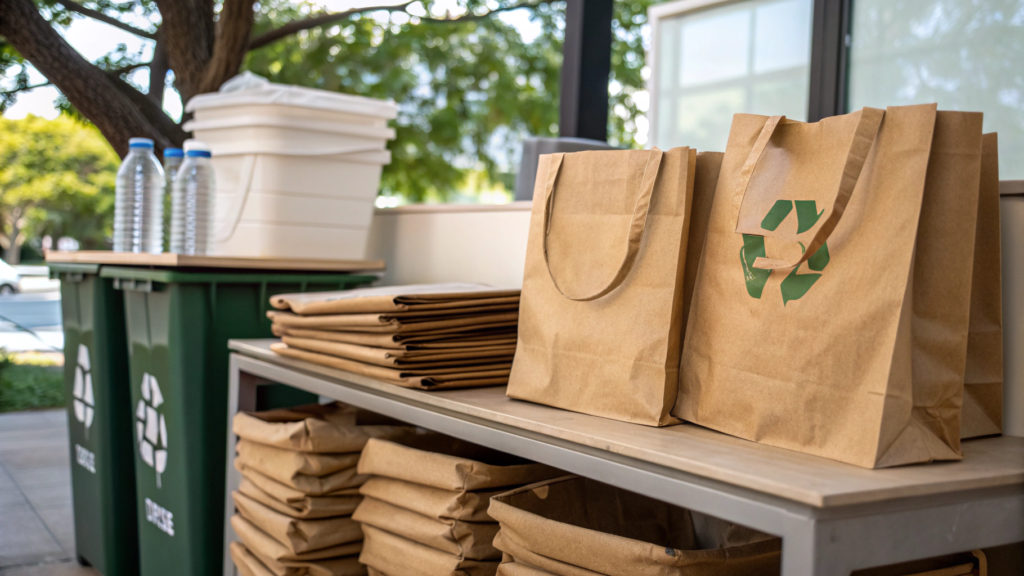
When I talk to clients about sustainability, I stress that being "natural" does not automatically mean "eco-friendly." This is the core of the brown bag controversy. While paper is biodegradable (it breaks down faster than plastic), Life Cycle Assessments (LCAs) revealed serious hidden costs. Paper production is a highly energy-intensive process, particularly if the paper is made from virgin wood pulp. It also consumes vast amounts of water and often generates more air pollution compared to manufacturing plastic bags. Furthermore, paper bags are heavier, which means trucks transporting them burn more fuel, leading to higher carbon dioxide emissions per item carried. Studies suggested a paper bag needed to be reused three to seven times to offset the environmental cost of its production against a single-use plastic bag. Since most people rarely reuse a paper bag, it becomes a resource-intensive single-use item. This shocking reality forced environmentalists and consumers to pivot to the only truly sustainable solution: the reusable, durable fabric tote.
Are Brown Paper Bags Eco-Friendly?
The answer to whether brown paper bags are eco-friendly is complex. They are not the single solution people once believed them to be.
Brown paper bags are only moderately eco-friendly: they are biodegradable, which is a key advantage over plastic, but they have a larger overall footprint. They consume more energy, water, and require deforestation if not made from 100% recycled paper3, making them less preferable than long-lasting reusable fabric totes.
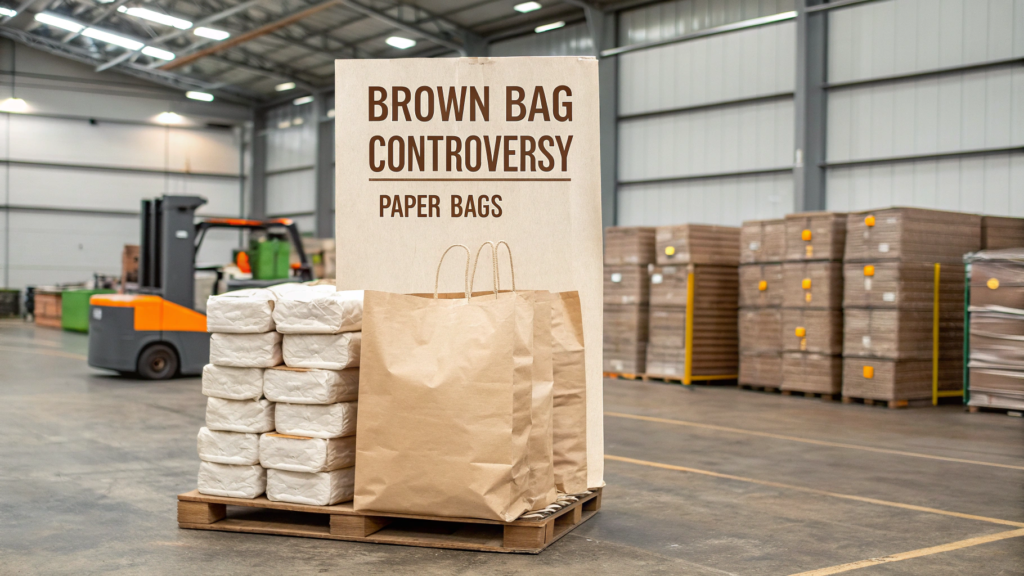
When looking at the eco-friendliness of brown paper bags, we need to apply the philosophy of durability over disposability, which is key to my branding philosophy. The environmental benefit of paper is strictly limited to its end-of-life $\text{—}$ it breaks down in a compost setting, unlike plastic which persists for centuries. However, the true measure of sustainability is minimizing resource consumption at the beginning. For a brown paper bag to be considered truly eco-friendly, it must be made from 100% post-consumer recycled content. If virgin pulp is used, the cost of deforestation and high industrial energy/water usage makes the bag a poor choice. Today, the most responsible solution is the reusable canvas or non-woven tote. As noted in the discussion of canvas bags, a durable fabric tote can be reused hundreds of times. This dramatically reduces the environmental impact per use, making it the most holistic and innovative choice for a brand looking to make a true sustainability statement. The brown paper bag's role now is largely limited to small, lightweight purchases or high-end retail where branding matters more than bulk capacity.
Conclusion
The brown paper bag declined due to its high logistical cost and environmental footprint, teaching us that true eco-consciousness requires the durability and reusability offered by modern fabric totes.