Which Stainless Steel Water Bottle is Truly the Best for Safe Daily Drinking?
Are you overwhelmed by choices, wondering if your stainless steel bottle is truly safe and built to last? Stop guessing about quality and materials. Investigate the three critical engineering pillars before you buy.
The best stainless steel water bottle for drinking is one engineered with Food-Grade 304 (18/8) material, featuring double-wall vacuum insulation and minimal plastic contact with the liquid. The ideal bottle must align its material grade and lid design with your specific hydration habits (plain water versus acidic drinks) to ensure maximum safety, durability, and temperature retention.
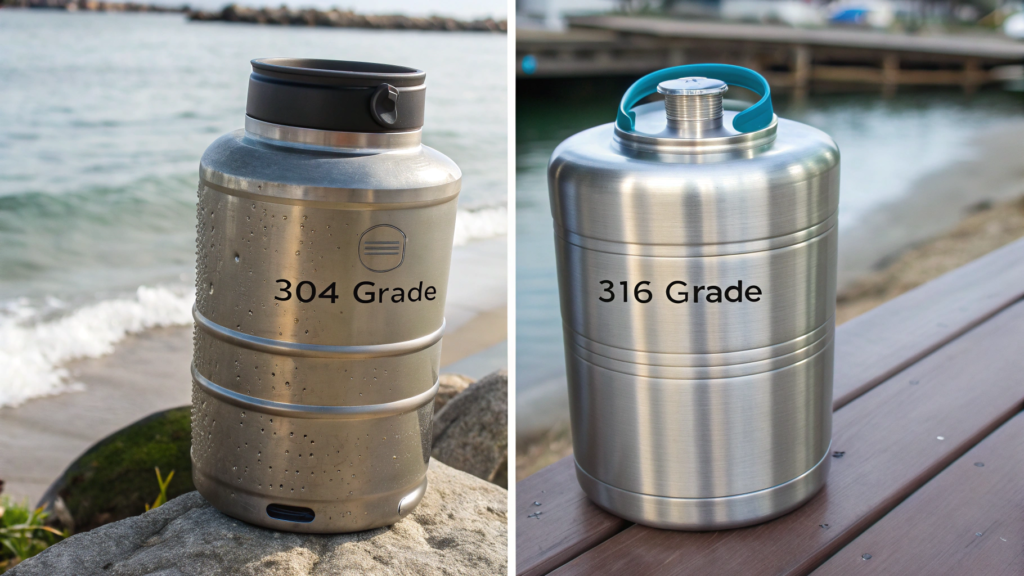
My view on corporate gifting and personal hydration is simple: the best product is always the one engineered for its intended use. When I see marketing managers like Jacky sourcing gifts, I remind them that quality lies not in the flashy color, but in the spec sheet. Choosing the right stainless steel bottle involves inspecting the material grade, insulation, and lid design. Don't just buy by brand; let's investigate the specs and match the bottle's performance to your hydration habits.
What Type of Stainless Steel Is Best for Drinking Water and Why?
Do you think all stainless steel is the same when it comes to holding your drinking water? Stop relying on generic labels. Understand the differences between 304 and 316 grade.
The best type of stainless steel for drinking water is Food-Grade 304, also known as 18/8 stainless steel1. This grade is widely accepted as safe and durable because it is inert, non-leaching, and highly resistant to rust under normal conditions. However, for acidic drinks or harsh environments, 316-grade stainless steel offers superior corrosion resistance.
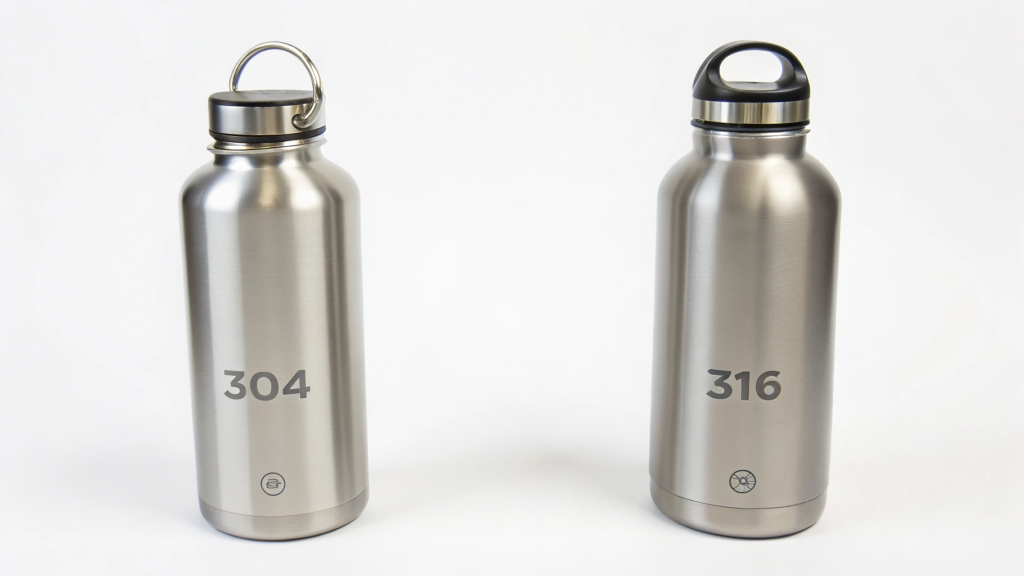
For everyday hydration, 304 stainless steel is the reliable standard. The "18/8" refers to its composition: 18% Chromium and 8% Nickel. This blend creates an invisible, protective layer that makes the metal resistant to oxidation and corrosion from water and non-acidic drinks. This grade is widely used in kitchen equipment and is an excellent balance of cost, durability, and safety. However, if you are a traveler, a hiker, or if you frequently carry highly acidic drinks (like citrus-infused water, vinegar, or harsh coffee), you should consider upgrading to 316 stainless steel. This grade includes an addition of molybdenum, a material that significantly increases the metal's resistance to pitting corrosion, especially in environments with high salt exposure or near corrosive agents. While 316 is more expensive, it provides assurance of longevity and safety under challenging conditions. The choice is about matching the material grade to your actual use-case. If you're commuting or working in the office, a solid 304 bottle with a trusted lid is best. Don't just buy by brand; inspect the spec sheet and ask for the specific grade to invest in safety and longevity.
| Tertiary Heading Example | Material Grade | Composition Feature | Best Use-Case Scenario |
|---|---|---|---|
| Standard Purity | 304 (18/8 SS) | 18% Chromium, 8% Nickel | Plain water, coffee, commuting, office use |
| High Durability | 316 (18/10 SS) | Contains Molybdenum | Acidic drinks, salt air, hiking, harsh environments |
| Safety Feature | Inertness | Does not leach flavors or toxins into liquid | Universal safety for daily consumption |
What Is the Healthiest Water Bottle to Drink From for Overall Wellness?
Are you overwhelmed by confusing health claims when picking a bottle material? Stop worrying about trends. Focus on the material that offers the highest level of non-reactivity and hygiene.
The healthiest water bottle to drink from is one made of Food-Grade 304 stainless steel with a high-quality double-wall vacuum design2. Its inert nature ensures no chemical leaching or flavor transfer, and the double-wall insulation prevents bacterial growth by maintaining cold temperatures. The bottle's simple, clean interior design is just as important, minimizing potential areas for mold or bacteria to thrive.
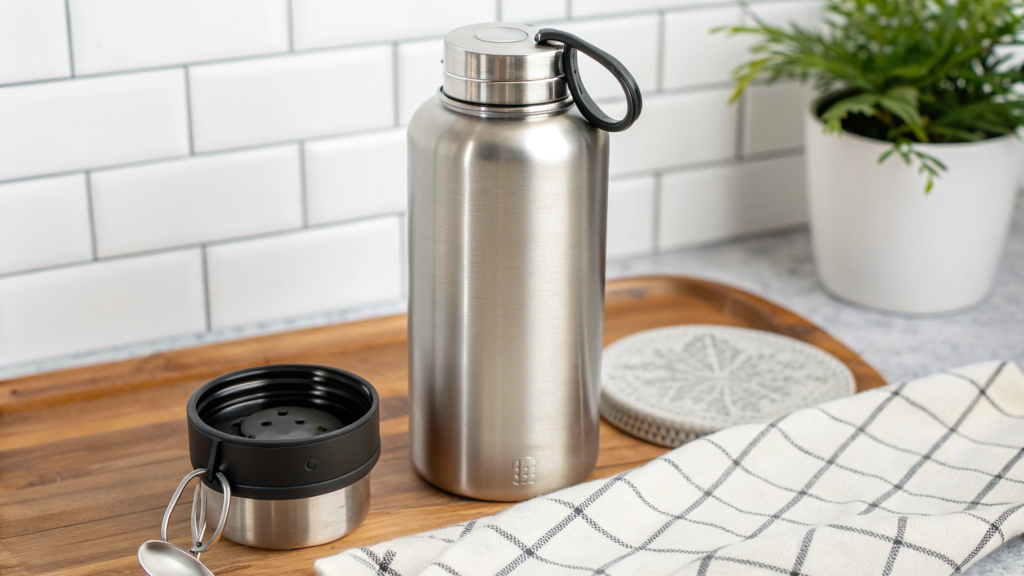
Healthiness in a water bottle is defined by its non-reactivity and its ability to maintain hygiene. Stainless steel is the ideal material because it is completely non-porous and will not absorb or transfer flavors or chemicals, making it superior to many plastics or even aluminum (which often requires a plastic liner). The double-wall vacuum design is crucial for wellness. By keeping water cold for extended periods, it discourages the growth of bacteria, which thrive in stagnant, lukewarm water—a key consideration for safety. This design also prevents external condensation, which can make the bottle unhygienic to carry. For a corporate gift, like the ones Jacky sources, this engineered performance3 reflects a brand that values health and quality. Furthermore, the design of the lid and interior matters more than many users think. A bottle with a wide mouth is much easier to clean thoroughly, which is essential for preventing the build-up of biofilms. Avoid complex straws or multi-part lids unless they can be completely disassembled and cleaned daily. When you invest in a bottle with these features, you invest in safety, longevity, and a better drinking experience that aligns bottle performance to your hydration habits.
| Tertiary Heading Example | Health Pillar | Stainless Steel Feature | Wellness Advantage |
|---|---|---|---|
| Non-Reactivity | Food-Grade 304/316 | Inert material, no chemical leaching | Ensures the water remains pure and untainted |
| Hygiene Control | Double-Wall Insulation | Maintains cold temperature for 24+ hours | Prevents bacterial growth in stagnant water |
| Cleanability | Wide Mouth Interior | Easy access for brush cleaning | Minimizes mold and biofilm build-up |
What Is the Best Water Bottle to Avoid Microplastics?
Are you concerned about the risk of microplastic exposure from your current water bottle? Stop carrying plastic and glass bottles that pose risks. Choose a simple, metal-focused design to eliminate the threat.
The best water bottle to avoid microplastics is a Food-Grade stainless steel bottle with a full stainless steel interior and a minimal plastic lid that does not contact the liquid during drinking. Glass bottles are also microplastic-free but less durable. The bottle must have a fully shielded interior where the water never touches a plastic or silicone component to completely eliminate microplastic exposure.
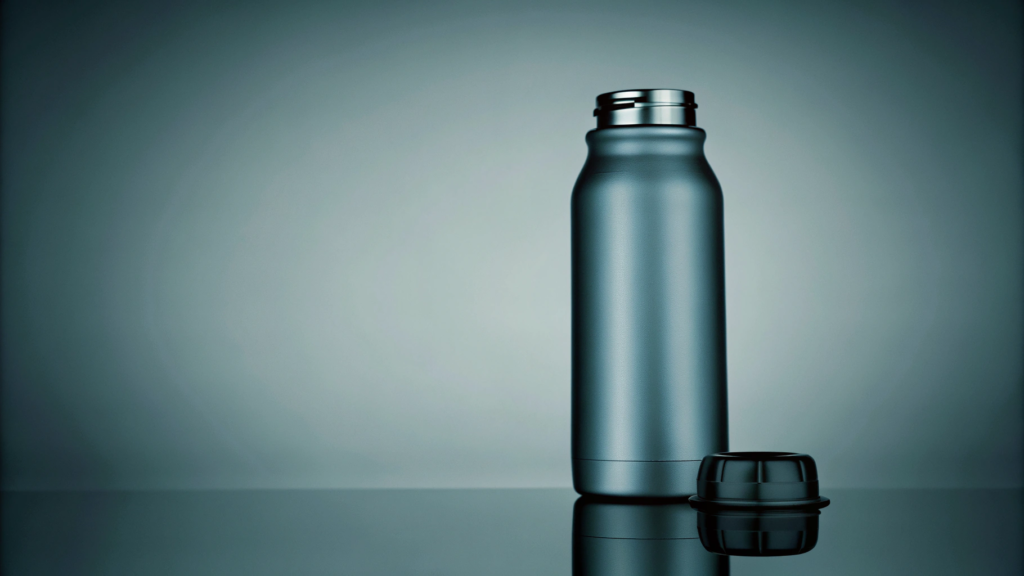
The rise of microplastic awareness has changed how we evaluate lids and seals. To completely eliminate microplastics, you must ensure that no plastic or silicone part contacts the liquid you are drinking. Even the small silicone seals found in the lids of standard bottles can degrade over time, introducing off-flavors or microplastic exposure. Therefore, the ideal bottle features a full stainless steel interior, including the thread or neck of the bottle. The lid should be either fully stainless steel or, if it contains plastic, the plastic part should remain outside the liquid zone when the bottle is open and during drinking. Another strong option is a glass bottle, but its lack of durability and insulation makes it impractical for daily use and travel. This is why stainless steel is the superior material. The key is to inspect the lid and interior design. Look for threads that are part of the steel body and lids that seal with a silicone gasket well above the liquid line. When you invest in a fully stainless interior, you are not just buying a bottle; you are making an investment in safety and a better drinking experience that aligns bottle performance to your health needs.
| Tertiary Heading Example | Risk Mitigation | Design Feature | Elimination Result |
|---|---|---|---|
| Material Contact | Eliminating plastic from the liquid path | Full stainless steel interior neck and body | Zero microplastic leaching risk |
| Lid Seal | Upgrading seal material | Minimal, food-grade silicone or full stainless steel seal | Avoids off-flavors and silicone degradation |
| Best Choice | Overall Engineering | Food-Grade 304 with full metal contact points | Highest level of safety and longevity |
Conclusion
Write a conclusion that summarizes the entire text (max 30 words).
The best stainless steel bottle is Food-Grade 304, vacuum-insulated, and features minimal plastic liquid contact. I advise matching the material grade to your needs to invest in safety, longevity, and a purer drinking experience.