Where can we find the best custom T-shirt printing?
Are you looking for the perfect custom T-shirt? Finding the "best" goes beyond just a print shop. It's about finding a partner for your vision.
The best custom T-shirt printing is not found by location alone; it is found by a provider who combines quality craftsmanship, advanced printing technology (like DTG or sublimation), ethical practices, and a deep understanding of your brand's story and purpose. Look for a collaborator, not just a vendor, who prioritizes clear communication and consistent quality.
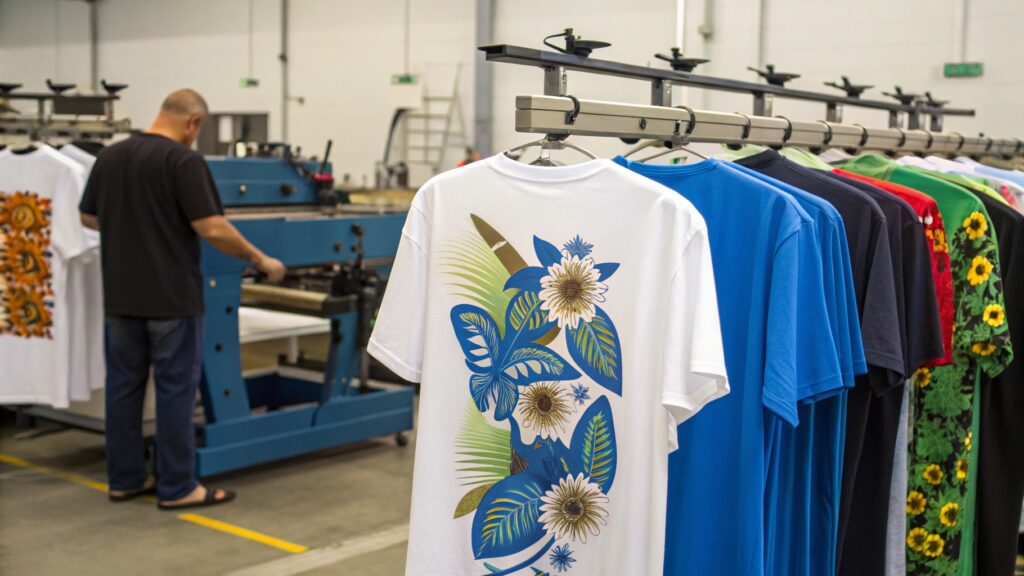
From my own experience, especially with Latitude Experience, I've learned that truly great partnerships come from understanding. When people ask me about the best custom T-shirt printing, I always tell them it's not about a simple search. It’s about finding someone who gets what your shirt means to you. It's about finding a place that puts heart into the print.
What is the best type of printing for a T-shirt?
Are you confused by all the different T-shirt printing methods? Do you want to know which one will make your design truly pop? The "best" printing type depends on your specific needs.
The best type of printing for a T-shirt depends on your design's complexity, desired durability, fabric type, and order quantity. Popular methods include Direct-to-Garment (DTG)1 for detailed, multi-color designs on cotton, screen printing for vibrant, durable prints on large orders, and sublimation for full-color, long-lasting results on polyester fabrics.

When I first started in the printing industry, I thought printing was just one thing. But I quickly learned there are many ways to put an image on a shirt. Each method has its own strengths. It's like choosing the right tool for a job. A hammer is great for nails, but not for screws. The same is true for T-shirt printing. What works best for a simple text design won't be the top choice for a photo-realistic image. It really comes down to what you want to achieve with your custom T-shirt.
Understanding different printing methods
Modern T-shirt printing is more than just screen printing2. The best companies invest in new technologies. This includes DTG, sublimation3, and eco-friendly ink systems. They do this not just for better results. They also do it for ethical reasons. Sustainability is very important now. Printers who use organic cotton shirts, water-based inks, and fair labor rules are leading the industry. They are not just following trends. They are setting them. This shows that the best printing is not just about the final look. It is also about how it is made.
Choosing the right method for your needs
- Screen Printing: Ideal for large orders with fewer colors.
- Purpose: Cost-effective for bulk, durable prints.
- Examples: Uniforms, promotional giveaways, simple logos.
- Direct-to-Garment (DTG): Best for complex designs, photos, and smaller orders.
- Purpose: High detail, wide color range, no minimum order.
- Examples: Retail fashion, custom art prints, unique gifts.
- Sublimation Printing: Perfect for full-color designs on polyester fabrics.
- Purpose: Vibrant, long-lasting, ink becomes part of the fabric.
- Examples: Athletic wear, all-over prints, promotional flags.
- Heat Transfer Vinyl (HTV): Good for small runs, simple designs, and personalized items.
- Purpose: Versatile for different fabrics, offers unique textures.
- Examples: Names and numbers on jerseys, custom text t-shirts.
| Printing Method | Best For | Pros | Cons |
|---|---|---|---|
| Screen Printing | Large orders, simple designs, solid colors. | Very durable, vibrant colors, cost-effective. | Limited colors for complex designs, high setup. |
| Direct-to-Garment | Complex designs, photos, small orders. | High detail, wide color range, soft feel. | Best on cotton, can be slower for large runs. |
| Sublimation | Polyester fabrics, full-color, all-over prints. | Ink becomes part of fabric, no cracking/fading. | Only for light-colored polyester, no darks. |
| Heat Transfer Vinyl | Small runs, personalization, unique textures. | Versatile on many fabrics, metallic/glitter. | Can feel thick, less breathable, prone to peeling. |
Does DTG printing crack?
Are you worried your custom T-shirt design will crack and fade over time? Is DTG printing durable enough for your needs? Let's look at how DTG holds up.
DTG (Direct-to-Garment) printing, when done correctly with high-quality inks and proper curing, is quite durable and is unlikely to crack. Cracking usually occurs due to improper curing, low-quality inks, or excessive stretching of the fabric. Modern DTG prints are designed to withstand many washes without significant deterioration.
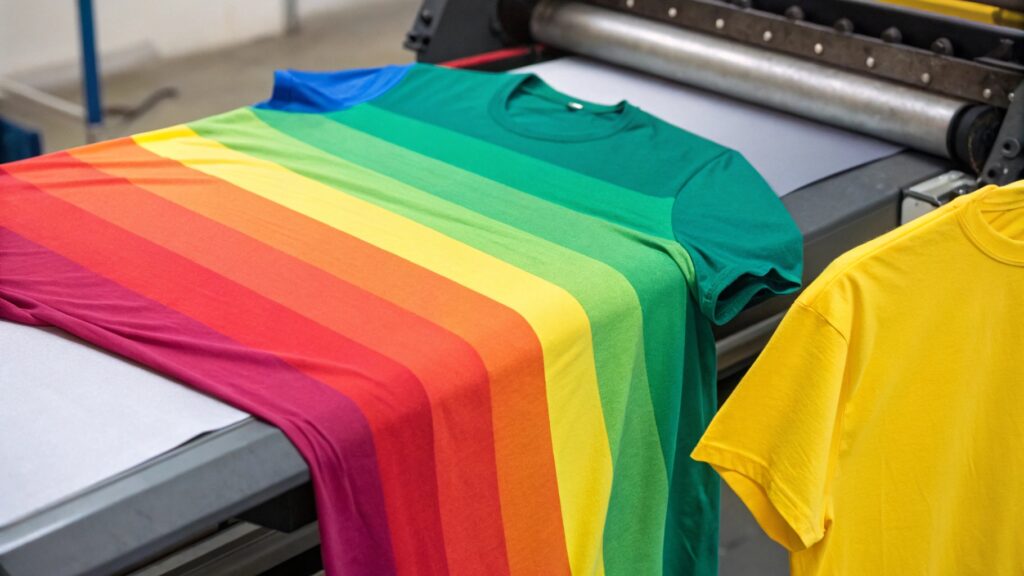
I've seen many printing methods come and go, but DTG has really changed the game. When I first heard about it, I wondered about its durability too. We always want our corporate gifts to last. It’s like when I was learning about different materials in the factory; quality makes a difference. With DTG, if the printer uses good inks and cures the shirt right, the print becomes part of the fabric. It’s not just sitting on top. This means it flexes with the shirt. This helps it resist cracking. If a DTG print cracks, it often points to a problem with the printing process itself, not the method.
Factors affecting DTG durability
The durability of a DTG print depends on a few key things. First, the quality of the ink is very important. Good inks bond better with the fabric. Second, proper curing after printing is crucial. This is when heat is applied to set the ink. If the ink is not cured enough, it will not stick well. This can lead to cracking or fading. Third, the fabric itself plays a role. DTG works best on high-cotton content shirts. These fabrics absorb the ink well. Finally, how you care for the shirt matters. Washing it inside out in cold water and tumble drying on low heat will help the print last longer. Avoiding harsh chemicals also helps.
Preventing DTG cracks
- High-Quality Inks: Use water-based inks designed for DTG printing.
- Benefit: Better absorption into fabric, more flexibility.
- Impact: Resists cracking and fading over time.
- Proper Curing: Ensure the ink is fully cured with correct heat and time.
- Benefit: Ink bonds permanently with the fabric fibers.
- Impact: Prevents print from flaking or cracking.
- Fabric Choice: Print on garments with high cotton content (80% or more).
- Benefit: Cotton fibers absorb DTG ink effectively.
- Impact: Sharper prints and better durability.
- Washing Instructions: Advise customers to wash inside out, in cold water, and tumble dry low.
- Benefit: Protects the print from harsh washing conditions.
- Impact: Extends the life and appearance of the print.
| Cause of Cracking | How to Avoid It | Impact on Print Quality |
|---|---|---|
| Poor Curing | Use proper heat press temperature and time. | Ensures ink fully adheres to fabric. |
| Low-Quality Inks | Use reputable, high-quality DTG specific inks. | Ink remains flexible and vibrant. |
| Wrong Fabric | Print on high-cotton garments for best results. | Ink absorption is optimal, less surface print. |
| Harsh Washing | Follow care instructions (cold wash, low dry). | Preserves integrity of the ink layer. |
| Excessive Stretching | Ensure print size matches garment stretch limits. | Prevents ink from breaking apart. |
Which is better, DTG or DTF?
Are you weighing your options between two popular T-shirt printing methods? Do you need to know which one is right for your project? Let's compare DTG and DTF.
Neither DTG (Direct-to-Garment) nor DTF (Direct-to-Film) is universally "better"; their superiority depends on the specific application. DTG excels in printing detailed, breathable designs on cotton garments with a soft feel. DTF offers greater versatility across various fabric types, vibrant colors, and good durability, often with a slightly thicker feel.
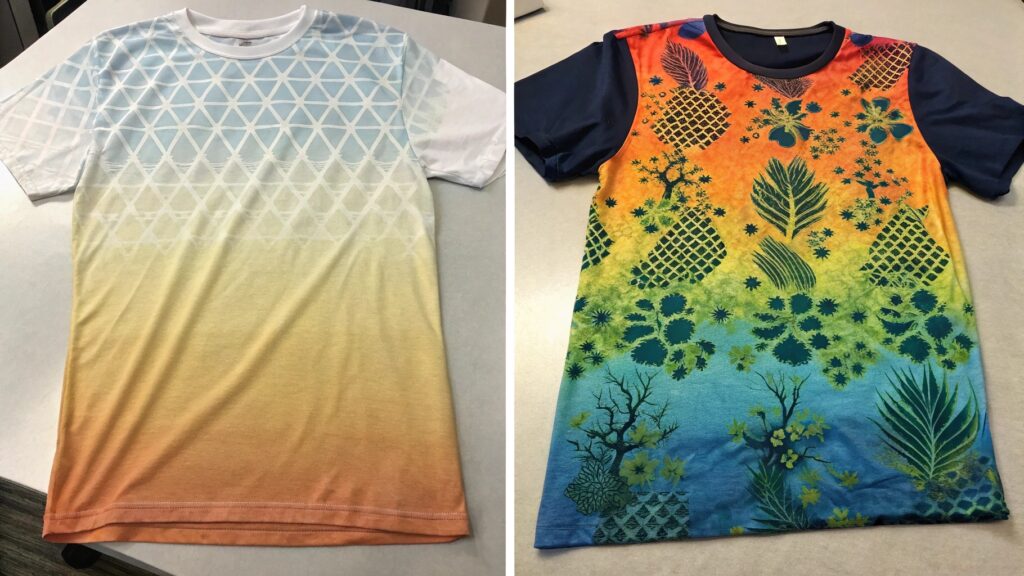
In my role at Latitude, I always look for the best solution for each client. This often means understanding the small differences between printing methods. DTG and DTF are both powerful, but they serve different needs. It's like choosing between a fine paintbrush and a roller. Both paint, but for different effects. DTG gives you that soft, "no-feel" print on cotton that looks truly integrated. DTF gives you incredible vibrancy and works on almost anything, but you might feel the print more. My job is to explain these differences so my clients can make the best choice for their corporate gifts or branding efforts.
DTG vs. DTF: Key differences
DTG prints directly onto the fabric. This means the ink soaks into the fibers. This gives a very soft feel. It makes the print part of the shirt. DTG works best on cotton. It is great for detailed images and photos. DTF prints an image onto a special film first. Then, this film is pressed onto the shirt. This means the ink sits on top of the fabric. DTF works on many different materials. This includes cotton, polyester, and blends. It gives very bright colors. The print can feel a bit thicker than DTG.
When to choose DTG or DTF
- Choose DTG when:
- You are printing on 100% cotton or high-cotton blends.
- You want a soft, breathable print feel.
- Your design has many colors or fine details (like photos).
- You prefer a more "vintage" or faded look over time.
- Your order quantity is small to medium.
- Choose DTF when:
- You need to print on various fabric types (cotton, polyester, blends, darks).
- You want extremely vibrant colors and sharp details.
- You need excellent stretch and wash durability.
- You are printing intricate designs with small text.
- You are producing medium to large quantities and need efficient production.
| Feature | Direct-to-Garment (DTG) | Direct-to-Film (DTF) |
|---|---|---|
| Fabric Type | Best on 100% cotton or high-cotton blends. | Works on almost all fabrics (cotton, poly, blends). |
| Print Feel | Very soft, integrated into fabric, breathable. | Slightly thicker, more like a transfer, good stretch. |
| Color Vibrancy | Good; can be vibrant, but can look muted on darks. | Excellent; consistently vibrant on all colors. |
| Detail & Gradients | Excellent for fine detail and complex photos. | Excellent for fine detail and sharp edges. |
| Durability | Good washability, resistant to cracking. | Excellent washability, very durable and flexible. |
| White Ink Use | Requires white ink layer for dark garments. | White ink used as a base for all prints. |
| Process | Prints directly onto garment. | Prints to film, then pressed onto garment. |
Conclusion
Finding the best custom T-shirt printing means finding a partner who understands your story and offers the right technology. Consider DTG for soft cotton prints and DTF for vibrant, versatile results across many fabrics.
-
Explore the benefits of DTG printing to understand why it's a top choice for detailed designs and small orders. ↩
-
Discover the advantages of screen printing, especially for large orders and simple designs, to make informed choices. ↩
-
Learn about sublimation printing to see how it achieves vibrant, long-lasting designs on polyester fabrics. ↩