What is the best reusable water bottle?
Are you searching for the perfect reusable water bottle? I know many people look for a single best option, but I've learned it's not that simple.
The best reusable water bottle is the one that seamlessly fits your individual habits, values, and purpose, encouraging consistent, mindful use. It's not about a universal product, but rather one that effectively supports your unique lifestyle, whether for commuting, hiking, office use, or a minimalist approach.
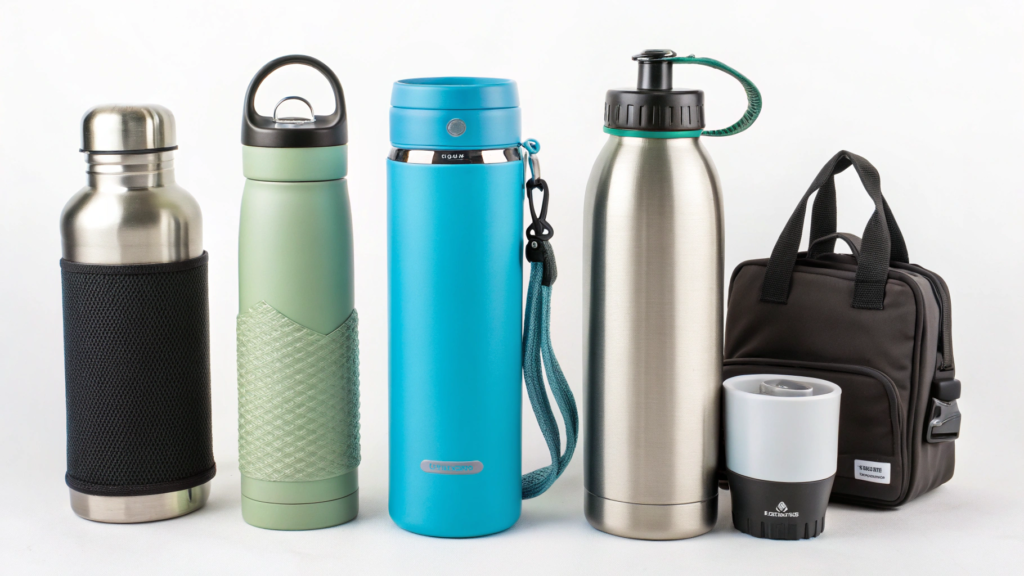
At Latitude Experience, I've realized that when customers ask for the "best" reusable water bottle, they are not just looking for a product name. They are looking for something that matches their life. The truth is, the "best" bottle is not one size fits all. It shows the user's habits, what they value, and why they need it. The real understanding here is that the best reusable water bottle is the one you will actually use. You will use it often and thoughtfully because it fits easily into your daily life. I've seen many people buy bottles that look good but then never use them because they don't fit their needs.
What is the healthiest material for reusable water bottles?
Are you concerned about what your water bottle is made of? Choosing the right material is important for your health and safety.
The healthiest materials for reusable water bottles are food-grade stainless steel1 and glass. These materials are non-toxic, non-leaching, and do not impart flavors, ensuring your water remains pure and safe for consumption without chemical exposure.
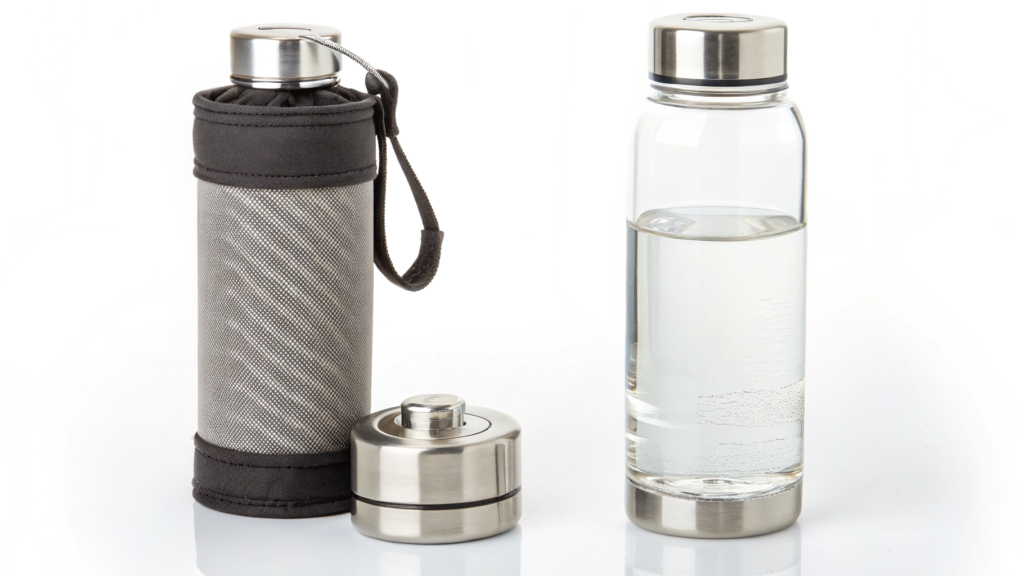
From my early days working with different materials in production, I learned how crucial material safety is. Yes, features like insulation, material, size, lid type, and design all matter. But no list of features can answer the deeper question: What role does this bottle need to play in your life? Are you a commuter who needs a bottle that fits in a car cup holder and opens with one hand? Are you a hiker who needs a bottle that holds a lot and is very tough? Are you an office worker who wants a clean design and a bottle that keeps drinks at the right temperature? Or are you a minimalist who wants something completely free of plastic and very pure? The "best" bottle does not depend on what it offers. It depends on how well it helps you in your day-to-day life. Jacky, the marketing manager, always looks for high-quality and safe materials for his company's promotional items, and health is a big factor.
| Material Type | Pros for Health | Cons for Health (if any) |
|---|---|---|
| Stainless Steel (Food-Grade 18/8) | Non-toxic, non-leaching, no flavor transfer, durable, rust-resistant. | Can be heavy; not transparent. |
| Glass | Non-toxic, completely inert, no flavor transfer, easy to clean, transparent. | Fragile, can be heavy. |
| BPA-Free Plastics2 (e.g., Tritan) | Lightweight, durable, transparent, generally considered safe. | Potential for microplastic release over time (though low); not as inert as glass/steel. |
| Silicone | Flexible, lightweight, non-toxic, durable. | Can sometimes retain odors if not cleaned properly. |
What is the best water bottle for daily use?
Do you need a water bottle that can keep up with your everyday routine? The best one for daily use combines practicality with reliability.
The best water bottle for daily use is one that is durable3, easy to clean, leak-proof, and fits comfortably into your routine, such as a commute or desk setup. Stainless steel bottles with a comfortable carrying handle and a user-friendly lid are often ideal for everyday practicality.
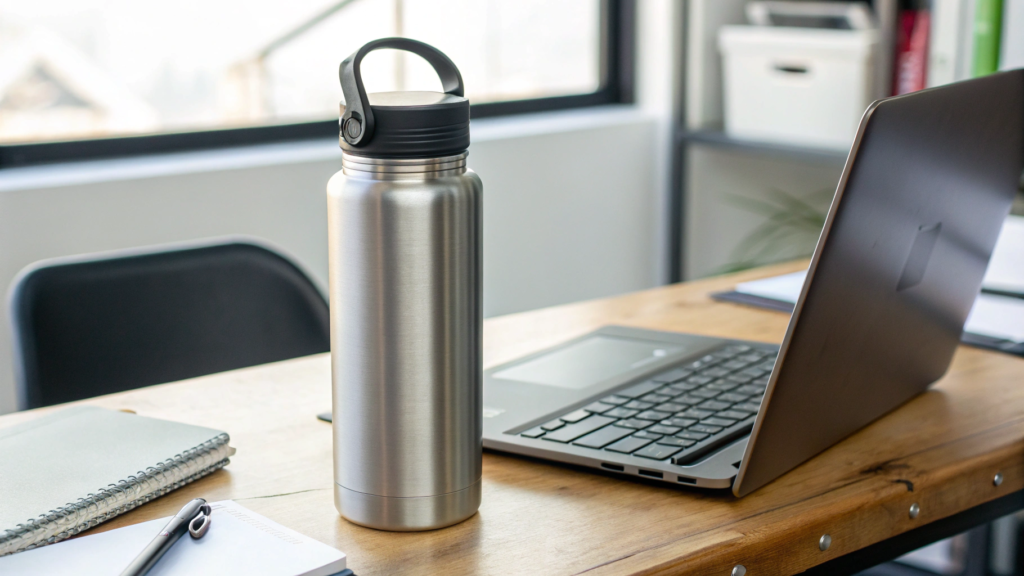
In my experience helping clients with practical corporate gifts, I’ve seen that daily use items need to be truly dependable. Another overlooked aspect is sustainability. Many shoppers now think "best" means eco-friendly. They look for brands that use recycled materials, packaging without plastic, or carbon-neutral shipping. Others focus on brand transparency, choosing products that support social or environmental causes. In this situation, "best" becomes more than just how good a product is. It becomes a moral choice. Jacky, who values eco-friendly materials and innovative designs, would agree that a daily use bottle should also reflect sustainability. For daily use, convenience and durability are key. It needs to withstand constant opening, closing, and carrying without failing.
| Feature for Daily Use | Why it's Important | Example Scenario |
|---|---|---|
| Leak-Proof Design | Prevents spills in bags or on desks. | Essential for carrying in a backpack with electronics. |
| Easy to Clean | Ensures hygiene and prevents mold or odors. | Wide mouth for bottle brushes, dishwasher safe parts. |
| Durability | Withstands drops and daily wear and tear. | Survives accidental falls from a desk or car seat. |
| Appropriate Size/Capacity | Meets your hydration needs without being too bulky. | A 500ml-750ml bottle is often good for general daily use. |
| Comfortable Carrying | Easy to hold or attach to a bag. | A sturdy handle or a slim design for gripping. |
| User-Friendly Lid | Simple to open and close, possibly one-handed. | Flip-top or straw lid for quick sips during work or driving. |
How do I choose a water bottle?
Are you overwhelmed by all the choices when buying a new water bottle? I can help you narrow it down by focusing on what truly matters for you.
To choose a water bottle, first identify your primary use (e.g., gym, office, travel), then prioritize material based on health and environmental preferences (e.g., stainless steel, glass). Consider desired features like insulation, lid type, and capacity, and finally, look for a design that fits your personal style and values.
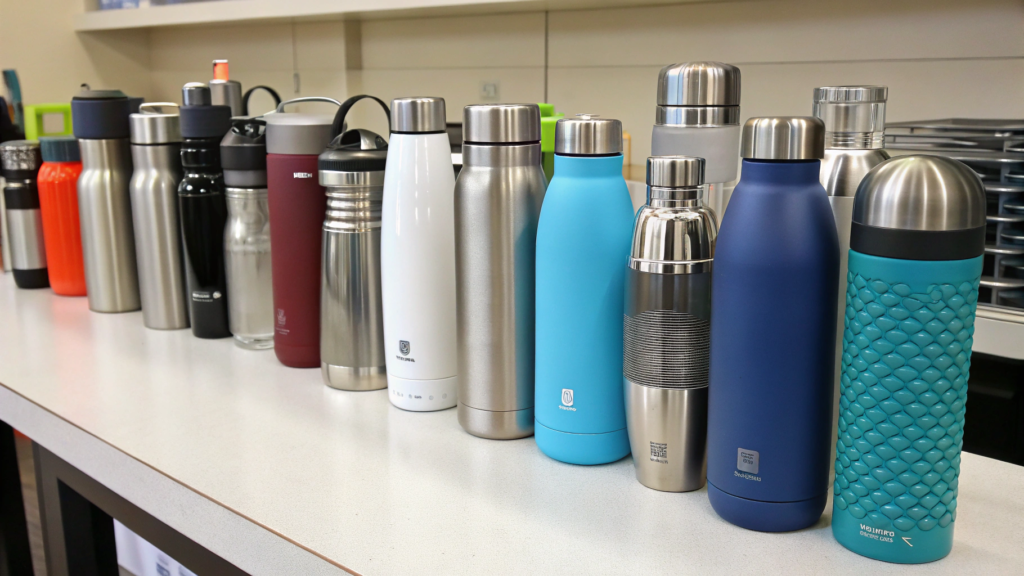
I've always advised my clients that the best product for them is the one that truly fits their needs. A truly great reusable water bottle is almost invisible in the best way. It does not leak, it does not weigh you down, and you do not have to think twice about it. It makes staying hydrated easier, not harder. By doing this, it quietly supports healthier habits and a lifestyle that produces less waste. That is the kind of product people keep. And that is what makes it truly sustainable. The best bottle for Jacky, for example, would be one that is both practical for his daily life as a marketing manager and reflects his company’s branding goals, perhaps with eco-friendly features. When you choose wisely, your bottle becomes more than just a product. It becomes a statement of who you are.
| Step in Choosing | Considerations | Example Questions to Ask Yourself |
|---|---|---|
| 1. Define Your Use | Where and how will you use it most often? | Commuting, hiking, gym, desk, travel? |
| 2. Select Material | What are your health and environmental priorities? | Stainless steel, glass, BPA-free plastic, silicone? |
| 3. Choose Capacity | How much water do you need throughout the day? | Small (350-500ml), medium (750-1000ml), large (1L+)? |
| 4. Consider Lid Type | What kind of drinking experience do you prefer? | Screw top, straw, flip top, chug cap, spout? |
| 5. Evaluate Features | Do you need insulation, a handle, a filter, or a narrow/wide mouth? | Hot/cold drinks? Easy carrying? Special water needs? |
| 6. Personalize (Optional) | Does it fit your aesthetic and values? | Color, design, brand ethics, customizability? |
Conclusion
The best reusable water bottle is ultimately a personal choice, defined by how well it integrates into your daily life and supports your health, convenience, and ethical values. It’s the one you consistently choose to use, making hydration effortless and intentional.