What is the best method for custom logo shirt printing?
You have a team, an event, or a new brand. You want to put your logo on a shirt. You know it is possible, but you wonder about the best way to do it. Which method should you choose?
The best method for custom logo shirt printing depends on your logo's detail, the number of shirts you need, and your budget. Screen printing is best for large orders with simple designs. Direct-to-Garment (DTG) is best for small orders with complex, multi-color logos. Embroidery is best for a premium, long-lasting look.
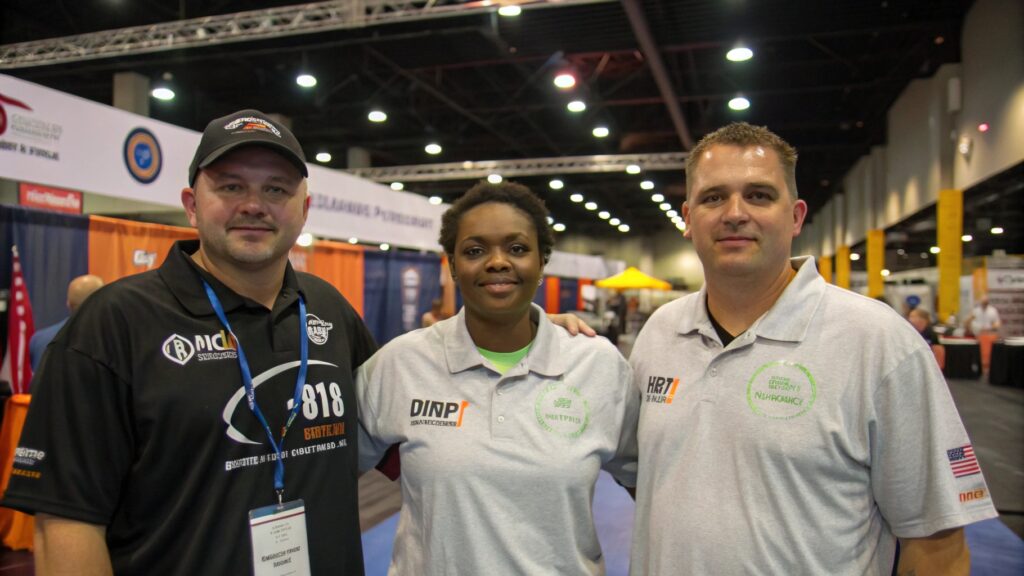
I had a client who wanted a small, detailed logo on 50 polo shirts. They initially thought screen printing was the only option. I showed them that embroidery would look much more professional and last longer. That conversation taught me that many people need help knowing the right printing tool for their specific job.
Can I print a logo on a shirt?
This is the most basic question I get. In a world full of custom clothing, it might seem obvious. But how exactly do you put a logo on a piece of fabric so it stays there?
Yes, you can easily print a logo on a shirt using several professional methods. The most common methods are screen printing1, which pushes ink through a stencil, and Direct-to-Garment (DTG) printing, which uses a special printer to spray ink directly onto the fabric. These methods ensure the logo is durable and looks professional.
Dive deeper Paragraph:
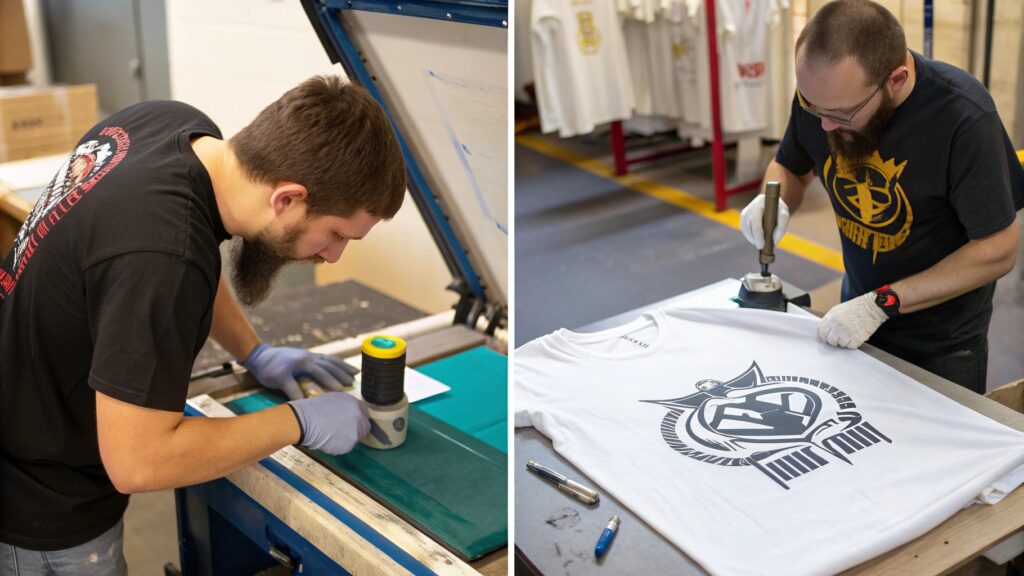
I want to be clear: printing a logo on a shirt is one of the most effective ways to build a brand. It turns the shirt into a piece of wearable advertising. When I first started, screen printing was the main method. It is still great. It involves creating a separate screen for each color in the logo. Then you push the ink through the screen onto the shirt. This works well for simple logos with a few colors. Today, we also use methods like DTG. DTG is like a giant inkjet printer for shirts. You send the digital design, and the printer puts the ink right onto the shirt. This is perfect for logos that have many colors or fine details. We also use embroidery. This is not printing with ink. This uses thread and a machine to sew the logo onto the shirt. It gives a very high-end, textured look. The method you choose depends on the fabric and the look you want. All these methods are proven to make the logo look good and last through many washes.
| Method | Best For | Logo Complexity | Feel on Fabric |
|---|---|---|---|
| Screen Printing | Large volume orders | Simple, fewer colors | Slightly rubbery, thick ink layer |
| DTG Printing | Small to medium orders | Complex, high detail, many colors | Soft, part of the fabric |
| Embroidery | Premium shirts, corporate wear | Simple text or small emblems | High-end, textured, stitched finish |
| Heat Transfer Vinyl (HTV) | Simple shapes, names, numbers | Simple, one or two colors | Smooth plastic feel, very durable |
Choosing the method is the first step to a great custom shirt.
How much does it cost to have a logo printed on a shirt?
Cost is always a big question. You need a good quality shirt, but you also need to stay within your budget. How do the different printing method2s affect the final cost?
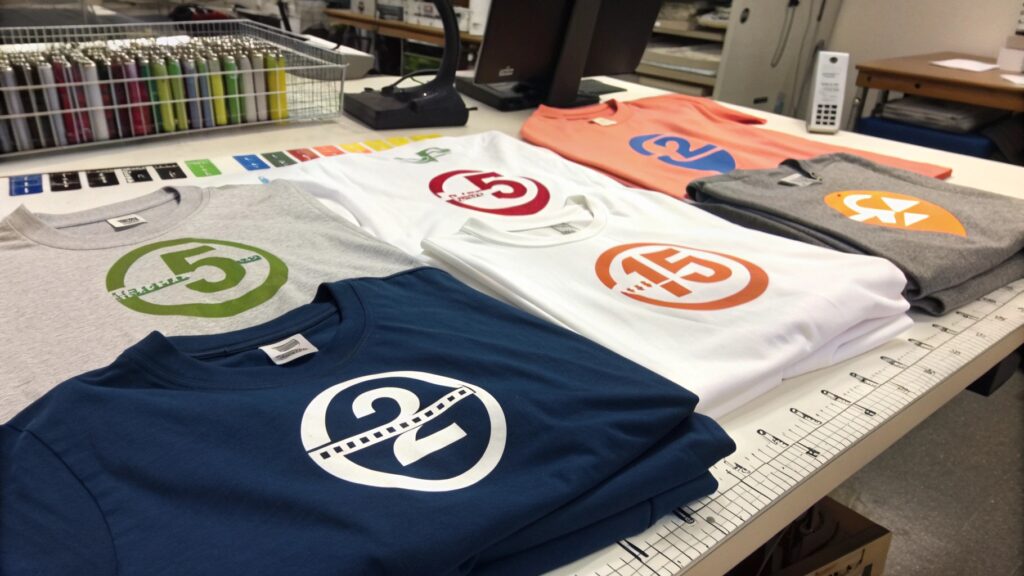
The cost to print a logo on a shirt can range from \$2 to \$15 per shirt. The price is based on three main factors: the printing method used, the number of colors in the logo, and the total quantity of shirts. The more shirts you order, the lower the price per shirt. Screen printing becomes the cheapest option at high volumes.
Dive deeper Paragraph:
I deal with pricing every day. I know that the final cost of a custom shirt is not just the shirt itself. The printing cost is very important. With screen printing, there is a high setup cost. We have to create a screen for every color. This costs money. But once the screen is made, the cost to print each shirt is very low. This means screen printing is cheap if you print 100 shirts or more. With DTG printing, there is almost no setup cost3. You just load the digital file. The cost is the same for one shirt as it is for 20 shirts. So, DTG is often cheaper for small orders. Embroidery is charged based on the thread count. A bigger logo means more stitches, which means a higher price. It is the most expensive method, but it also gives the most professional look. For my clients, I always try to match their logo and quantity to the most cost-effective method. A simple, one-color logo on 500 T-shirts will always be cheaper with screen printing.
| Factor | Effect on Cost | Why It Changes the Price | Best Method for Low Cost |
|---|---|---|---|
| Quantity | High quantity = lower price per shirt | Setup costs are spread out over more items | Screen Printing (for 100+ shirts) |
| Number of Colors | More colors = higher cost | Screen printing needs more screens and labor | DTG Printing (color count does not matter) |
| Size of Logo | Larger logo = higher cost | Uses more ink or thread, takes more time | Screen Printing (ink is relatively cheap) |
| Printing Method | Cost varies greatly by method | Each method requires different machines and labor | Screen Printing for bulk; DTG for low volume |
Always look at the total cost for your required quantity.
How do I print a logo onto a shirt all at once?
If you have a very detailed logo with many colors, it can take a long time to print it with traditional methods. Is there a way to put the whole design on the shirt in one step?
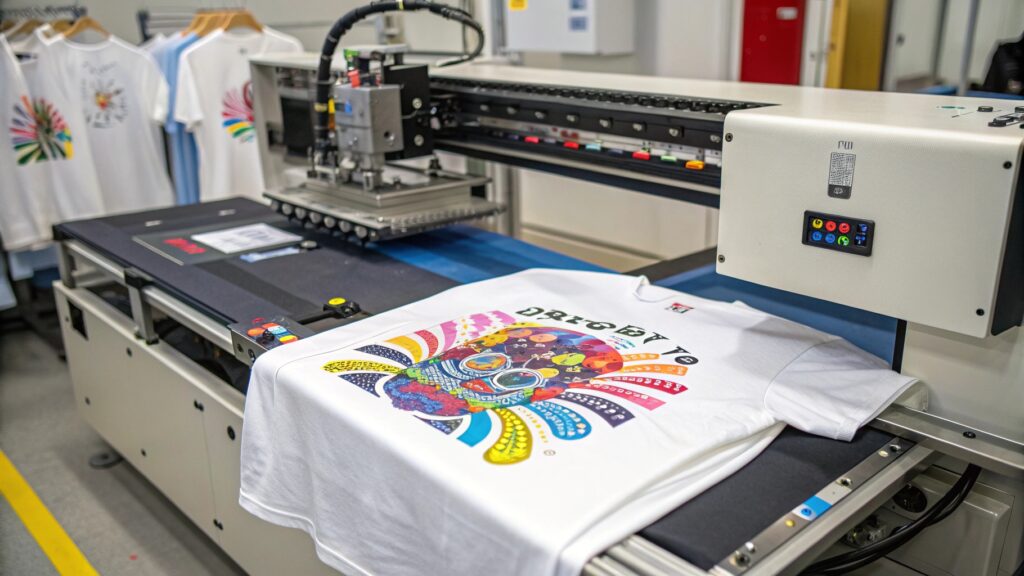
To print a logo onto a shirt all at once, the best method is Direct-to-Garment (DTG) printing. DTG uses a specialized machine to spray all the colors of your logo directly onto the fabric in one pass. This method is the fastest way to apply complex, full-color designs without using separate steps for each color.
Dive deeper Paragraph:
The need for speed and detail led to the rise of DTG. Before DTG, if you had a logo with six different colors, a screen printer would have to use six different screens. They would print color one, dry it, print color two, dry it, and so on. This takes a lot of time. With DTG, the digital design is sent to the printer. The printer has ink cartridges for all the colors, just like a paper printer. The machine mixes the colors and prints the entire design onto the shirt in one go. This is especially useful for complex logos or even photographic images. It gives you a clean, soft-feeling print because the ink soaks into the fabric. Another way to apply a logo all at once is with digital heat transfer. The full logo is printed onto special transfer paper. Then, a heat press applies the whole design to the shirt in one quick press. This is fast and good for small batches, but the print often feels less soft than DTG.
| Method | "All-at-Once" Process | Best For Speed | Print Feel |
|---|---|---|---|
| DTG Printing | Sprays all colors digitally in a single pass | Fast for small batches, instant full color | Very soft and breathable |
| Digital Heat Transfer | Applies a pre-printed image in one press | Very fast, good for one-off or small runs | Can feel slightly plastic, sits on top of the fabric |
| Screen Printing | Requires multiple passes (one for each color) | Slower for setup, fast once the setup is done | Varies, usually a bit heavy or thick |
DTG is the clearest answer for a full-color logo printed all at once.
Conclusion
Printing a logo on a shirt is easy with the right method. Screen printing is cheap for high volume. DTG is best for complex designs. Embroidery gives a premium look. Choose the one that fits your need and budget.
-
Explore the intricacies of screen printing, a popular method for creating durable and vibrant designs on shirts. ↩
-
Get an overview of various printing methods to choose the best one for your custom shirt needs. ↩
-
Learn about the initial investment required for screen printing and how it affects pricing. ↩