What is the Best Fabric for Canvas Tote Bags to Ensure Longevity and High Reuse Rates?
Are you tired of buying promotional bags that end up quickly discarded? Choosing the wrong fabric means your brand visibility stops after just one use.
The best fabric for a canvas tote bag is a midweight 10–12 oz (340–410 GSM) cotton or a hemp blend. This weight hits the perfect balance of durability, structure, and clean printing surface. This choice is based on matching material science to the use-case. It ensures the bag is kept, reused, and can handle daily commuter or grocery use, maximizing your brand's long-term exposure.
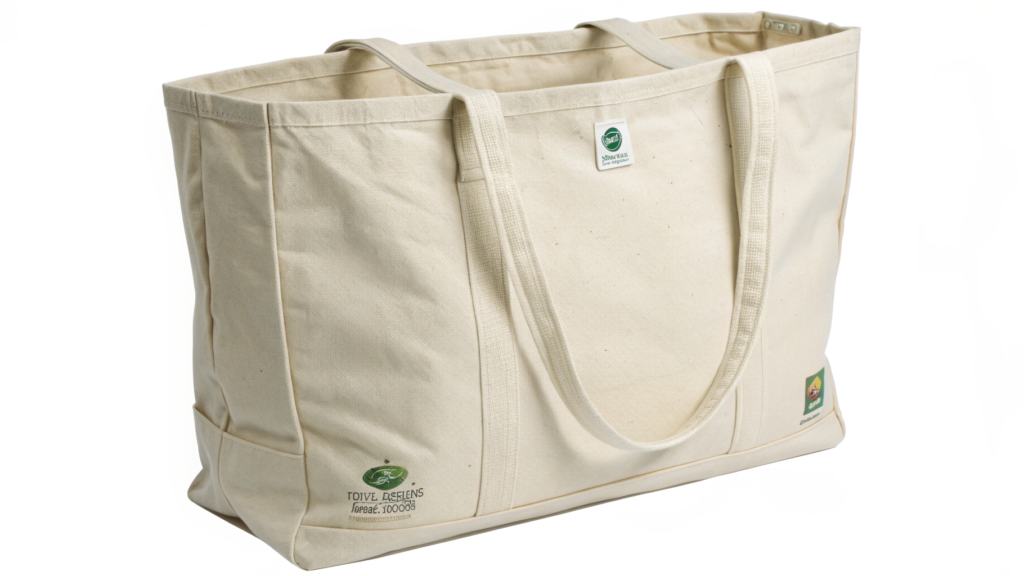
My experience in the corporate gifting industry taught me a crucial lesson. The success of a promotional product is not its initial cost. It is its reuse rate. A cheap, flimsy bag is a waste of your marketing budget. It reflects a disposable mindset that harms your brand's image. I view a canvas tote as a small piece of infrastructure. It is meant to be robust and functional. To achieve this, you must look past the marketing buzzwords. You must focus on the material science: the weight, the fiber, and the weave. I always advise clients to design for the lifespan they want to guarantee. If you want a durable, eco-minded tote, the fabric choice is the starting point. Let us look at the common fabric options and the key factors for maximum impact.
Is cotton or polyester better for tote bags, and which one aligns with sustainability goals?
Are you debating between the natural feel of cotton and the low cost of polyester? This decision directly impacts the bag’s life and your brand's sustainability story.
For a premium, eco-conscious, and long-lasting promotional tote, cotton canvas1 is generally better than basic polyester. Cotton canvas offers superior aesthetic quality, a natural feel, and better biodegradability. While polyester is cheaper and water-resistant, it is a fossil fuel-based plastic. Choosing organic or recycled cotton canvas drastically cuts the embodied carbon and aligns your brand with credible sustainability goals.
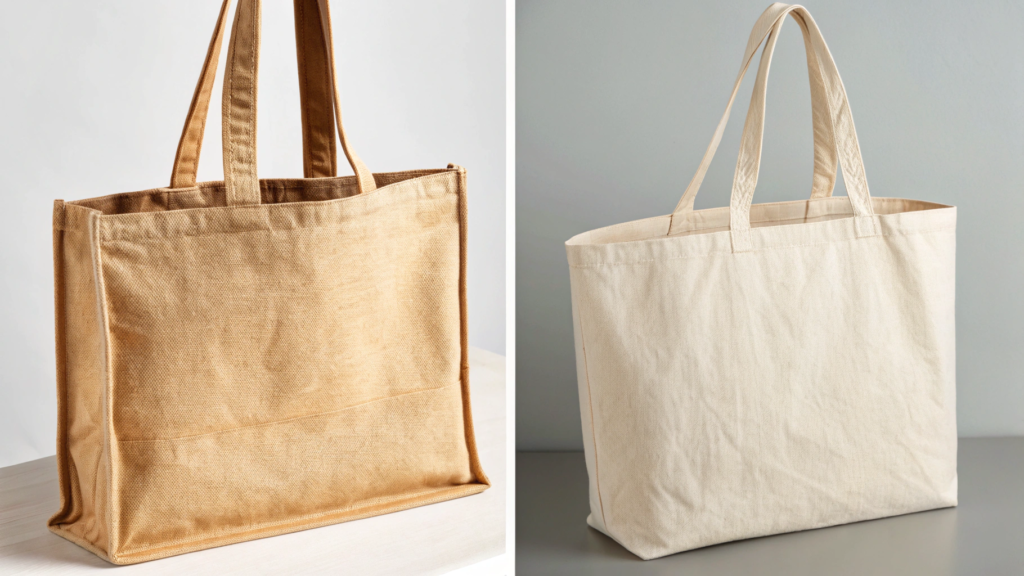
I have handled thousands of printing jobs on both cotton and polyester. Cotton is often preferred by brands that value touch and feel. Polyester is chosen when the budget is the only factor. For corporate gifts, the material must communicate your company's values.
Performance and Aesthetic Differences
Cotton canvas has a desirable, matte look and a soft hand feel. It gets softer with age. This makes it a preferred material for fashion and retail branding. Polyester, especially if cheap, can look shiny and feel synthetic. However, polyester offers superior resistance to water and fading. It is also lighter for its strength. If your tote needs to be highly weather-resistant, then a polyester2 blend or a TPU-coated canvas might be necessary. But for general, everyday use, the natural breathability and premium look of cotton win. For the best of both worlds, a cotton-hemp blend offers the natural look of cotton with the superior strength and lower environmental impact of hemp fiber.
The Sustainability and End-of-Life Factor
The biggest difference lies in the environmental footprint. Standard cotton production uses a lot of water and pesticides. This is why I push for organic cotton or recycled cotton. Recycled cotton canvas diverts textile waste from landfills. It requires no new water or chemical use. Polyester is plastic. It will not fully biodegrade. It takes hundreds of years to break down. Therefore, choosing a recycled fiber tote—whether recycled cotton or recycled PET (RPET) polyester—is the most sustainable choice. If you choose virgin cotton, you must ensure it is a durable, heavy canvas that guarantees a long lifespan. The bag's longevity is your primary tool against environmental waste.
Printing and Customization Suitability
Cotton canvas is superior for many branding methods. It holds screen-printed ink crisply and absorbs dye well. This results in vibrant, long-lasting colors. Polyester can be tricky for standard printing. It often requires specific inks and heat transfer methods. Also, the texture of a cotton canvas weave often adds an authentic feel to the final design. The way a logo sits on a midweight cotton canvas looks premium. The tight weave of the canvas ensures the logo does not blur or stretch. This protects the visual integrity of your brand identity.
| Feature Comparison | Cotton Canvas (Midweight) | Polyester (Standard) |
|---|---|---|
| Hand Feel | Natural, soft, premium | Synthetic, sometimes slick |
| Water Resistance | Low (Needs coating) | High (Naturally resistant) |
| Sustainability | Excellent (Recycled/Organic options) | Fair (Only if Recycled PET) |
| Printing Quality | Excellent, crisp results | Good, requires specific inks |
What is the best canvas weight for bags and what does it mean for functionality?
Are you confused by the weight numbers like "10 oz" or "12 oz"? Choosing the wrong weight results in a bag that does not fit its intended purpose.
The best canvas weight is 10 oz to 12 oz (approximately 340 to 410 GSM) for general-purpose utility totes. This midweight range provides the ideal density for structure and strength. Bags lighter than 8 oz are best for small giveaways and fold easily. Bags heavier than 14 oz are overly stiff and best reserved for heavy-duty, long-term items like tool bags. Midweight canvas is the sweet spot for maximum reuse and functionality.
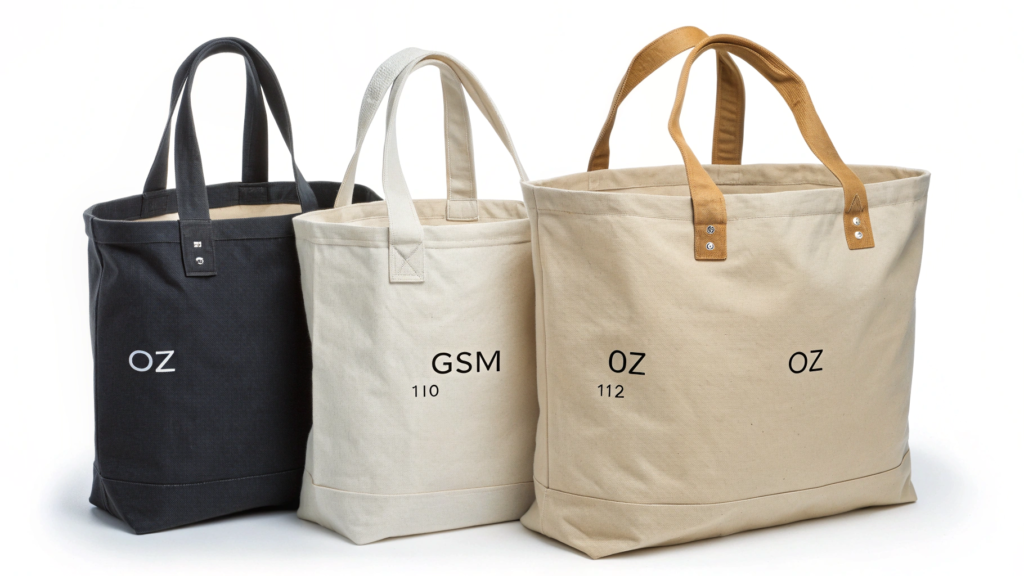
Weight is the single most important factor I consider when sourcing a canvas bag. It directly translates to functionality and perceived value. The weight number tells you the mass of the fabric per yard or meter. A higher number means a denser, thicker, and stronger fabric.
Lightweight Canvas (6 oz - 8 oz)
This canvas is thin, flexible, and wrinkles easily. It is the most economical choice. It is ideal for short-term trade show giveaways. It folds up very small, making it great for travel promotions. However, it cannot handle heavy loads. Its short life expectancy means a lower return on your branding investment. It is the cheapest option, but it often looks like it. If you choose this, be aware you are choosing a short lifespan.
Midweight Canvas (10 oz - 12 oz)
This is the gold standard for long-term promotional gifts. A 10 oz duck or plain-weave canvas offers great structure. The bag often stands up by itself. This makes loading items easier. It is strong enough for daily use, like carrying a laptop, books, or a heavy load of groceries. This weight is also perfect for printing. The tight density prevents ink from spreading. It ensures a sharp logo. I strongly recommend this weight for any corporate gift intended for regular use. It hits the perfect balance of cost, durability3, and premium feel.
Heavyweight Canvas (14 oz +)
This canvas is extremely thick and stiff. It is almost like a very heavy denim. It is best for heavy-duty items like industrial use, large travel bags, or aprons. While incredibly durable, it can be too stiff for a simple tote. It does not fold easily. This makes it less practical for daily carry. It is also more expensive to produce and to customize. Choose this only if your brand requires the absolute maximum in ruggedness.
| Canvas Weight (approx.) | Typical Use Case | Durability and Structure |
|---|---|---|
| 6 oz - 8 oz | Event Giveaways, Lightweight Shopping | Low Durability, Folds easily, No structure |
| 10 oz - 12 oz | Commuter/Grocery Bag, Everyday Use | Excellent Durability, Good structure, Sweet spot |
| 14 oz + | Tool Bags, Heavy Travel Luggage | Extreme Durability, Very stiff, Difficult to fold |
How long do canvas bags last, and what construction details extend their life?
Are you looking for proof that a canvas tote is a worthwhile investment? A bag's potential lifespan depends on its construction, not just the fabric weight.
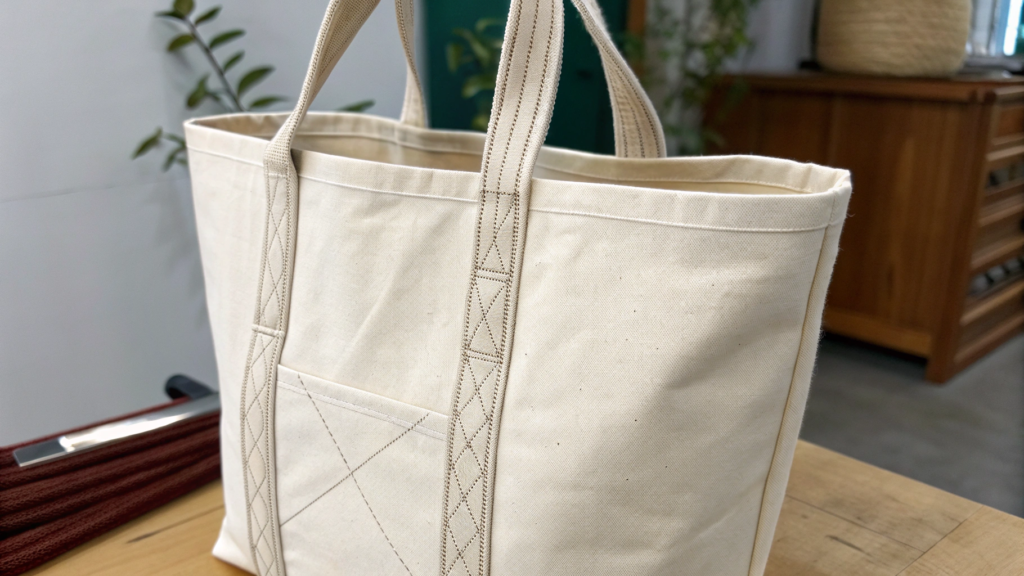
A high-quality 10–12 oz canvas tote bag, properly constructed, can last between 5 to 10 years of consistent, heavy use. This longevity is secured by key construction details: a high Stitches Per Inch (SPI), reinforced 'X' stitching on the handles, and edge-sealing. These robust methods greatly extend the bag's life, turning it into a small infrastructure that guarantees long-term brand exposure.
I have seen poorly made 12 oz bags fail quickly. I have also seen well-made 8 oz bags last for years. This shows that construction is often more important than the material's weight. A bag's life is directly determined by how the pieces are put together.
The Power of Stitches Per Inch (SPI)
SPI is a hidden quality indicator. It is the number of stitches in one inch of a seam. A higher SPI means the seam is stronger. It is less likely to fray or pull apart under stress. For tote bags, a higher SPI (typically 8 to 10 SPI) in all stress areas is crucial. A supplier must be able to confirm their SPI count. This small detail tells you they pay attention to long-term quality, not just fast production.
Handle Reinforcement
The handle attachment is the number one failure point for all tote bags. Handles must be secured with more than just a straight stitch. Look for "X" box stitching or cross-stitching where the handle meets the body. This reinforcement distributes the stress across a wider area of the canvas. This prevents tearing when the bag is loaded with heavy items. I always ensure the handles are made from the same sturdy canvas or a durable cotton webbing. The handle's quality must match the bag's potential load.
Edge Sealing and Finishing
The raw edges of the fabric inside the bag can fray over time. High-quality totes will have internal seams finished or sealed. This might be done with overlock stitching or an internal binding tape. This finishing adds a professional look. More importantly, it prevents the seams from unraveling. This simple detail is often the difference between a bag that lasts one year and a bag that lasts five years. By investing in these robust construction details, you are not just buying a bag. You are buying guaranteed reuse cycles. This guarantees a higher return on your branding investment.
Conclusion
The best fabric for a canvas tote is midweight 10–12 oz cotton or hemp canvas. Focus on high SPI and reinforced handles. This ensures a durable bag that people carry for years, maximizing your brand's reach.
-
Explore the advantages of cotton canvas, including its eco-friendliness and durability, to make informed choices for your tote bags. ↩
-
Learn about polyester's environmental impact and its suitability for tote bags to understand your options better. ↩
-
Find tips on enhancing the durability of tote bags, ensuring they last longer and provide better value. ↩