What Is the Best Affordable Bullet Journal Under $20, and What Should You Look For?
Are you looking to start bullet journaling without committing to an expensive, high-end notebook? Stop letting price hold back your creativity. Find the budget journal that functions like a premium one.
The best affordable bullet journal under $20 is one where the specs outperform its price tag, specifically targeting paper weights around 100–120 GSM to prevent ghosting or bleed. The key is prioritizing paper quality, a lay-flat binding, and the dot-grid layout over flashy brand names. Budget-friendly journals like those from PAPERAGE or RETTACY often provide this sweet spot of quality and affordability.

When I first got into organizing my thoughts, I learned that a notebook is more than just paper; it's a tool for creativity and mental clarity. For someone like Jacky, who manages tight timelines, a functional journal is essential. The real value in an under-$20 journal is its performance. You don't want a journal that holds back your creativity with ghosting or weak binding. My take is that by prioritizing the paper, layout, and build, you find a notebook that frees your time rather than causing regret.
What Is the Most Popular and Functional Bullet Journal Size?
Are you unsure which journal size is right for your daily planning and portability1 needs? Stop guessing about the dimensions. Choose the versatile size that is a global standard for balance and function.
The most popular and functional bullet journal size is A5 (approximately 5.8 x 8.3 inches or 148 x 210 mm). This size offers the best balance between writing space for detailed spreads and portability for daily carry in a bag or backpack. It is versatile enough for detailed tracking, drawing, and general planning.
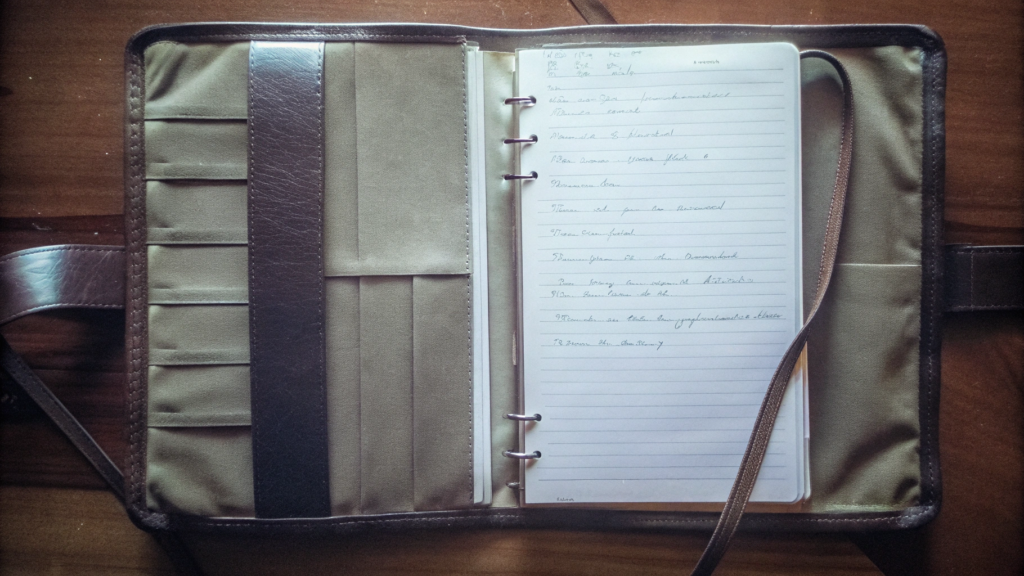
I always recommend the A5 size because it hits the perfect utility sweet spot. It offers enough space for detailed weekly and monthly spreads—something vital for a busy manager like Jacky who needs to track strategic campaigns. If the journal were any smaller (like A6), you would feel constrained, forcing you to use small handwriting or sacrifice design elements. If it were larger (like B5 or A4), it would become cumbersome to carry to meetings or on daily commutes, meaning it would likely stay home and not be used, defeating the purpose. A core part of usability is ensuring the journal has a lay-flat binding. This feature is essential for using the entire page surface without breaking the spine. When looking for an under-$20 option, check the cover material. A hardcover2 or a sturdy soft-cover with sewn binding (rather than just glued) will make the journal last the whole year without falling apart halfway. These durability factors are what separate a truly good budget journal from a cheap, disposable one. You want a tool that is an asset, not a liability, to your daily organizational routine.
| Tertiary Heading Example | Journal Size | Dimensions (Approximate) | Primary Benefit |
|---|---|---|---|
| Standard Portability | A5 | $5.8 \times 8.3$ inches | Ideal balance for detailed planning and daily carry |
| Compact Carry | A6 | $4.1 \times 5.8$ inches | Fits easily in pockets, limited writing space |
| Desktop Work | B5 | $6.9 \times 9.8$ inches | Ample space for large drawings and complex tracking |
Is 160 Pages Enough for a Bullet Journal for an Entire Year?
Are you worried that a lower page count will make you run out of space before the year ends? Stop stressing over the page count. Match the journal's thickness to your specific planning habits.
No, 160 pages is generally not enough for a full year of active bullet journaling if you use daily logs and detailed weekly spreads. Most active journalers require a minimum of 200 to 240 pages to cover 12 months, including the setup pages (index, key, future log). However, a 160-page journal is perfect for a 6-month goal-setting period or if you only use simple monthly logs.
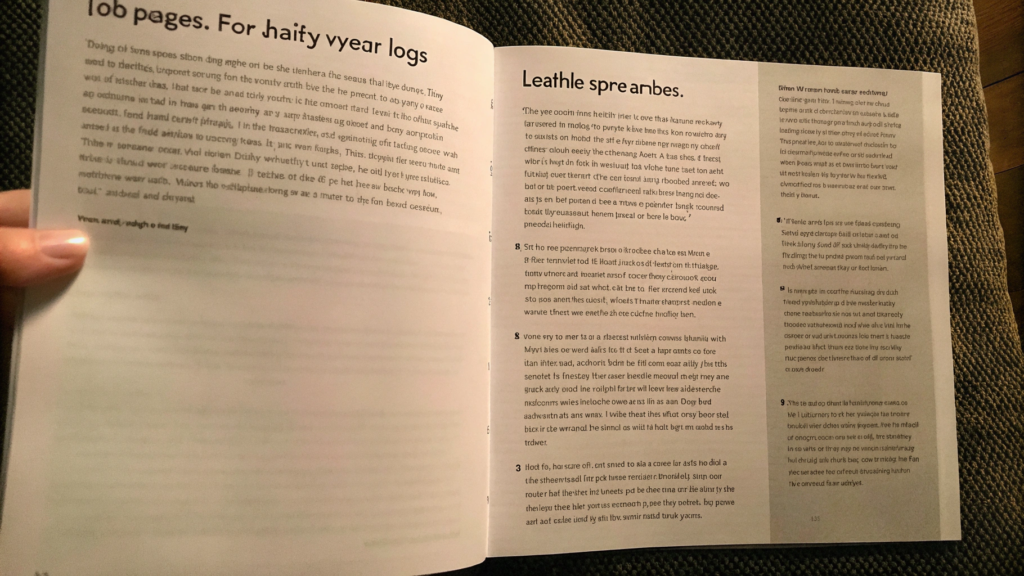
This is a question of usability versus durability. While 160 pages might seem slim, it can be a strategic choice for a budget journal3. Often, a journal with fewer pages can be made with a thicker, higher-quality paper and still stay under the $20 mark. It is a trade-off I advise people to consider. If you use simple monthly logs and weekly spreads that only take up one or two pages, 160 pages can stretch for eight to nine months. If you are a detailed tracker who uses a full page for every day, 160 pages will only last you a few months. For a first-time journaler or for someone like Jacky who needs a powerful tool for a specific project (like a six-month marketing campaign), a 160-page journal with 120 GSM paper is a fantastic choice. The high-quality paper ensures a better experience, encouraging use, which is more important than having 300 pages of thin paper that frustrates you. When looking for budget picks, check for journals that include features like an elastic band (to keep pages secure) and a ribbon bookmark (to quickly find your current week). These small features enhance the journal's utility significantly.
| Tertiary Heading Example | Page Count | Recommended Usage Style | Primary Benefit |
|---|---|---|---|
| Budget/Project Use | 160 Pages | 6-9 months, simple monthly/weekly logs | Allows for thicker paper quality under $20 |
| Standard Full Year | 200-240 Pages | 12 months, moderate daily logging | Best balance for most active journalers |
| Heavy Detail/Artistry | 300+ Pages | 12+ months, high-detail daily logs, artistic spreads | Accommodates maximum tracking and creativity |
Does 120 GSM Paper Ghost or Bleed with Standard Pens?
Are you terrified of ink bleeding through your pages and ruining your creative spreads? Stop fearing ghosting. Find the optimal paper thickness that handles most pens and markers with grace.
No, 120 GSM (Grams Per Square Meter) paper is widely considered the sweet spot for minimal ghosting and bleed resistance with most standard pens and markers. While some heavy, alcohol-based markers might still bleed, the 120 GSM thickness provides excellent opacity. Choosing this paper weight is the most critical factor for finding a budget journal that truly performs like a premium one.
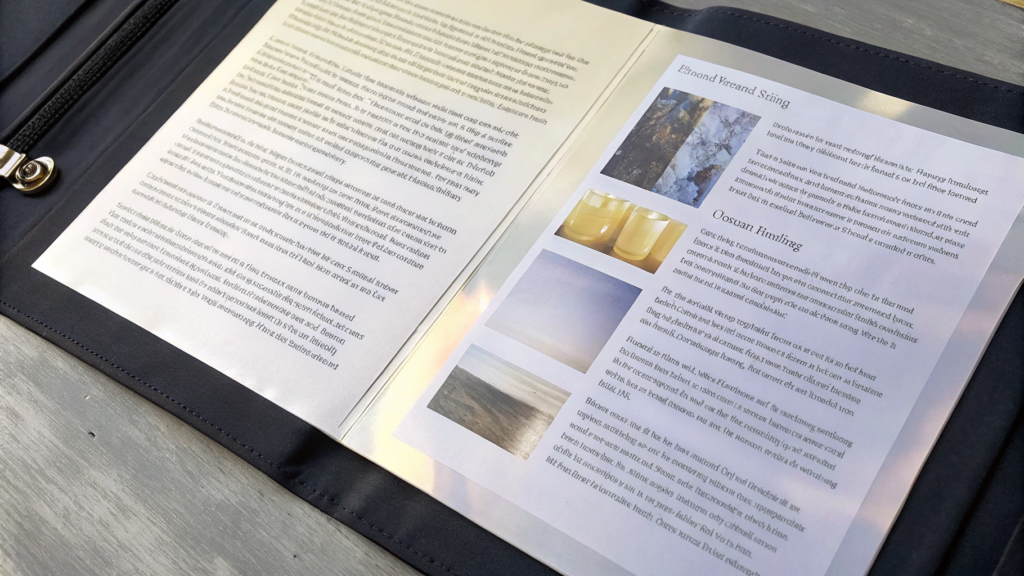
Paper quality is the single most important factor that determines your journaling experience. GSM is the industry metric for paper thickness and density. Paper below 80 GSM is prone to significant bleed and ghosting, meaning the writing shows through the other side. This is frustrating and forces you to skip pages, wasting space. 120 GSM provides the necessary opacity to handle standard ballpoint pens, gel pens, and most felt-tip markers without the ink soaking through. This is the outperformance I talk about—the paper's specs are punching above their price class. For a sub-$20 journal, finding 120 GSM is a major win. Be aware that the color of the paper also affects the visual outcome. White paper shows ink colors truer, while off-white or cream-colored paper can be easier on the eyes, especially for late-night journaling. The dot-grid layout is also crucial for usability. The dot-grid is versatile; the dots guide your lines for straight writing and charts, but they disappear visually when you want to draw or create artistic spreads. By prioritizing the paper, layout, and build over flashy packaging or big-brand labels, you find a notebook that truly frees your time and creativity.
| Tertiary Heading Example | Paper Weight (GSM) | Expected Performance | Ideal Use Scenario |
|---|---|---|---|
| Premium Sweet Spot | 120 GSM | Minimal ghosting, great bleed resistance | Most pen types, moderate marker use |
| Standard Budget | 80 GSM | High ghosting, moderate bleed risk | Ballpoint pens only, minimal decorative writing |
| Luxury Artistry | 160 GSM | Virtually no ghosting or bleed | Heavy marker use, watercolor, high-ink pens |
Conclusion
Write a conclusion that summarizes the entire text (max 30 words).
The best affordable bullet journal is an A5 with 120 GSM paper and a lay-flat binding, usually found in non-brand options like PAPERAGE. I advise prioritizing paper quality and durability to ensure your journal lasts and maximizes your creativity.